


 Director: Karel Kachyňa
Screenplay: Karel Kachyňa, Jan Procházka
Based on a Novel by: Jan Procházka
Starring: Zdenek Lstiburek, Vlado Müller, Naděžda Gajerová, Gustáv Valach, Yuriy Nazarov, Iva Janzurová, Jirí Chmelar, Josef Karlík, Vladimír Stach
Country: Czechoslovakia
Running Time: 133 min
Year: 1965
BBFC Certificate: 12
Karel Kachyňa was one of the first graduates of the Prague Film School. He started out as a cinematographer before branching out into directing. His initial work consisted of socialist realist propaganda documentaries, but, particularly once he began collaborating with the writer Jan Procházka, his work became more celebrated.
Their films together often riled up the authorities, particularly after the Warsaw Pact invasion of Czechoslovakia and the subsequent period of ‘normalisation’. One such title was Long Live the Republic!, which did receive a release in 1965, but was banned later, in 1968, after the invasion.
Second Run have previously released Kachyňa’s The Ear and Coach to Vienna on Blu-ray, both of which were also banned. Now they’re turning their attention to Long Live the Republic!. Having loved those other two releases, I couldn’t resist checking this one out, too.

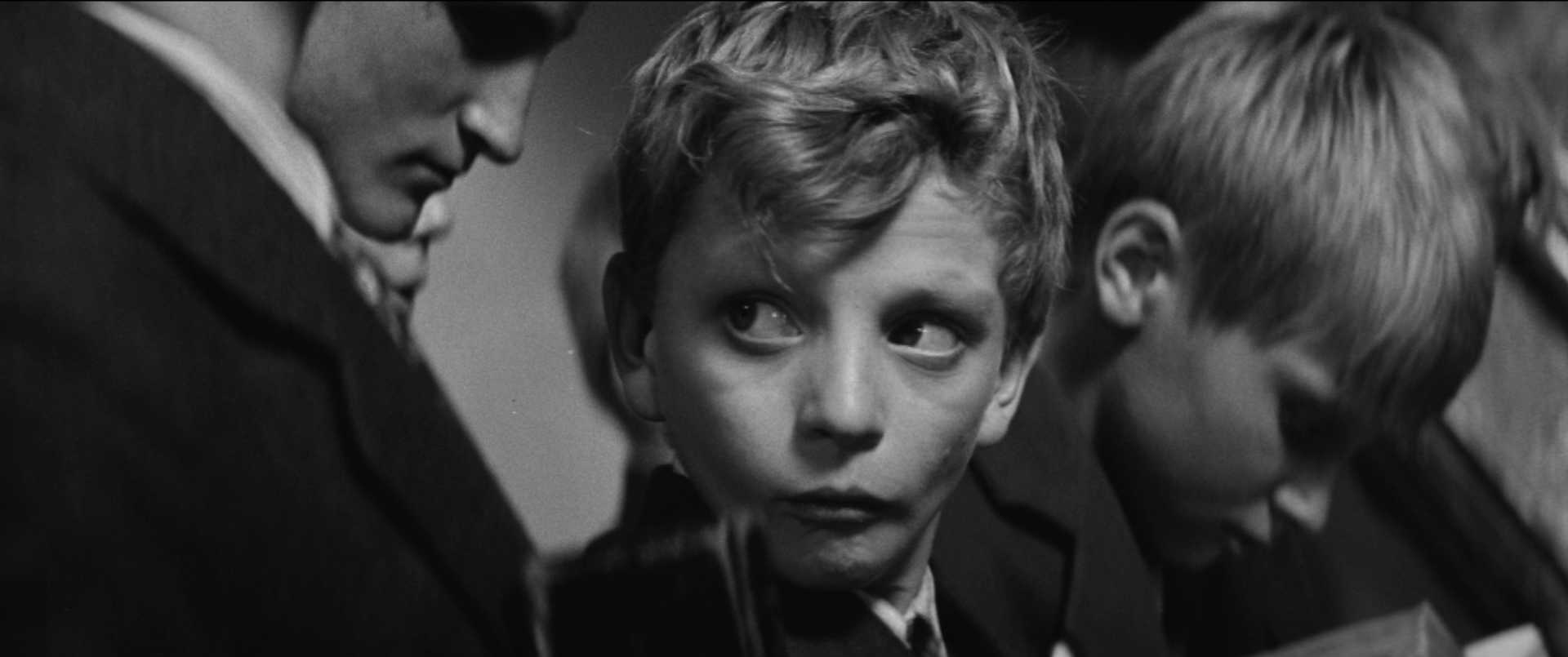
Long Live the Republic!, to quote from Second Run’s press blurb, “views the end of WWII through the eyes of 12-year-old Olda (Zdenek Lstiburek) as he witnesses the retreat of the German Army and the arrival of Soviet liberation forces in 1945 rural Czechoslovakia.
With this film, Kachyňa established his lyrical reputation, combining poetic and dreamlike evocations of the boys’ inner fantasy world with the harsh reality of the war’s final days, of his brutal home life, rivalries with other boys, and the grim realities to come under Soviet rule.”
The film was adapted from co-screenwriter Jan Procházka’s own novel, which was loosely based on his own experiences of the end of the war. It examines injustice and betrayal in a time of transition and desperation, but is also about oppression. Olda is continuously oppressed by those around him; his abusive father, the local bullies and later the Germans who steal his horse and cart. The boy is tough and confronts most of these antagonists, but with little success.
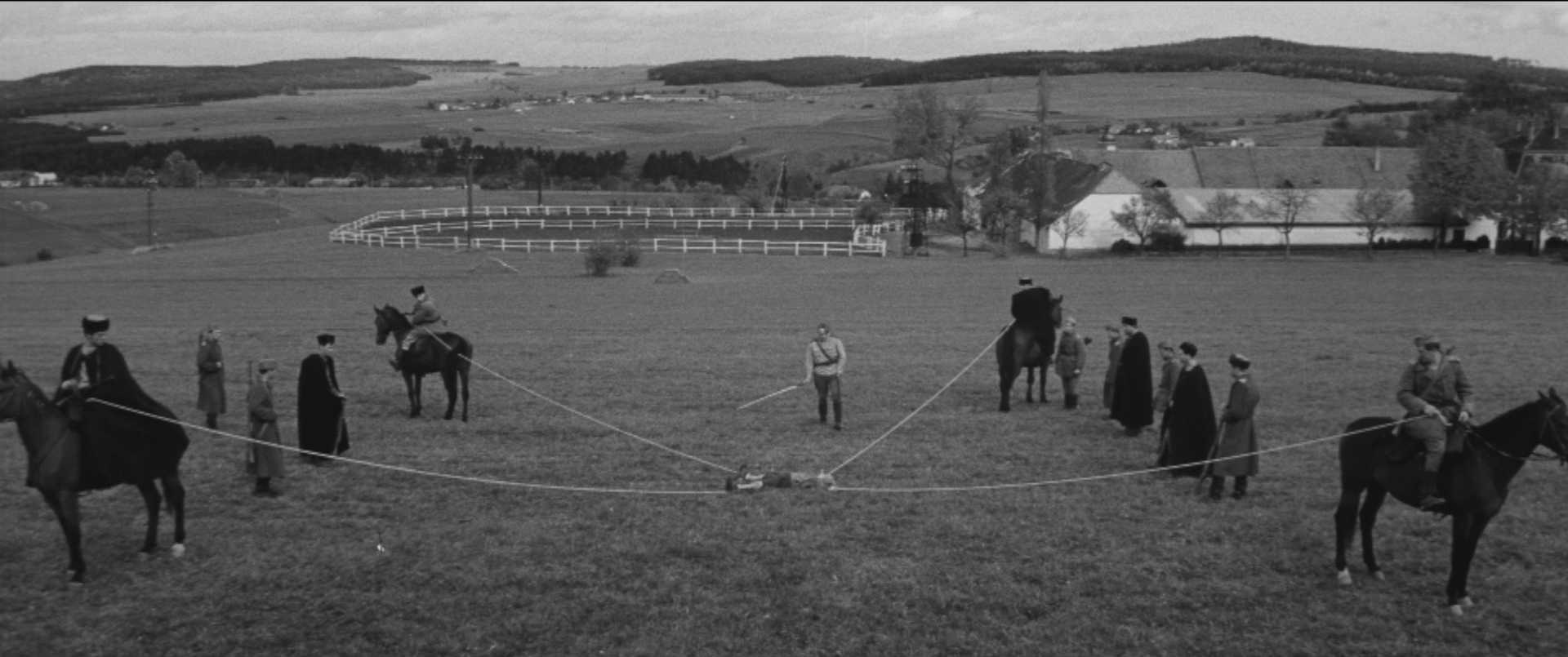
Whilst, on paper, the film celebrates the liberation of Czechoslovakia from German occupation by the Russians, it plays out more subjectively. Olda sees the situation as a case of one army moving out whilst another moves in. He doesn’t understand the whys and hows. Then, when the liberation happens, he and his only friend, Cyril, are still treated like dirt by their community. The Russian soldiers Olda encounters are nicer to him than the Germans, though, so the propagandist requirements behind the production are paid lip service.
What impressed me most about the film, however, was its evocation of childhood. The story is told from Olda’s point of view. We aren’t filled in on any details that only the adults are aware of. The film is often shot at his eye level, too and occasionally from his point of view, or thereabouts.
Not only that, Kachyňa blends present, past and fantasy, putting us in the mind of our 12-year-old protagonist. Through a number of striking sequences, we see what he wishes he could do to his bullies, for instance, and how details in the present elicit memories from his past. These breaks from the immediate ‘reality’ are not always clearly motivated, which can be confusing in places, but it matches the way a child’s mind might work and adds to the sense of confusion, as well as reflecting the need to retreat into one’s mind during such a traumatic period. Indeed, the often quite beautiful realisations of childhood behaviour and imagination are combined with the grim realities of life back then.
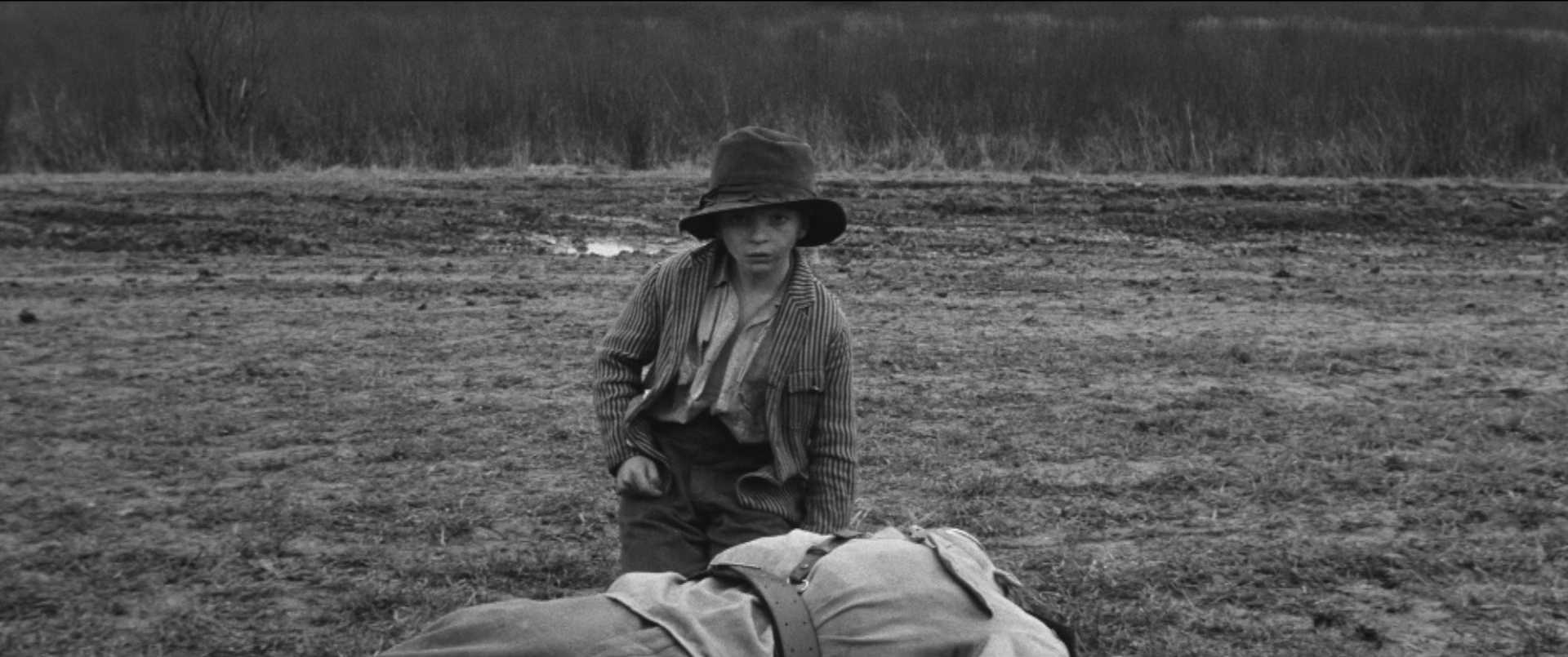
Whilst Kachyňa is a little older than the ‘official’ Czech New Wave filmmakers, he was still working around the same period and used much of the same crew, going into the 60s, with Jaromír Sofr (Closely Observed Trains, The Party and the Guests) being the DOP here, Ester Krumbachová (Daisies, Valerie and Her Week of Wonders) designing the costumes and Miroslav Hájek (The Fireman’s Ball, Diamonds of the Night) editing. As such, Long Live the Republic! does feel like it fits the movement, even if it might not be considered New Wave ‘canon’.
It’s a visual treat, with a youthful energy in some of the early scenes and an earthy beauty in the fantasy sequences. This is matched by a wonderful score by regular collaborator Jan Novák, which perfectly complements the drama without being overused.
Overall, Long Live the Republic! is a beautifully realised depiction of wartime through the eyes of a child. Sometimes magical and amusing, at others heartbreaking and devastating, it’s another masterpiece from Karel Kachyňa.
Film: 

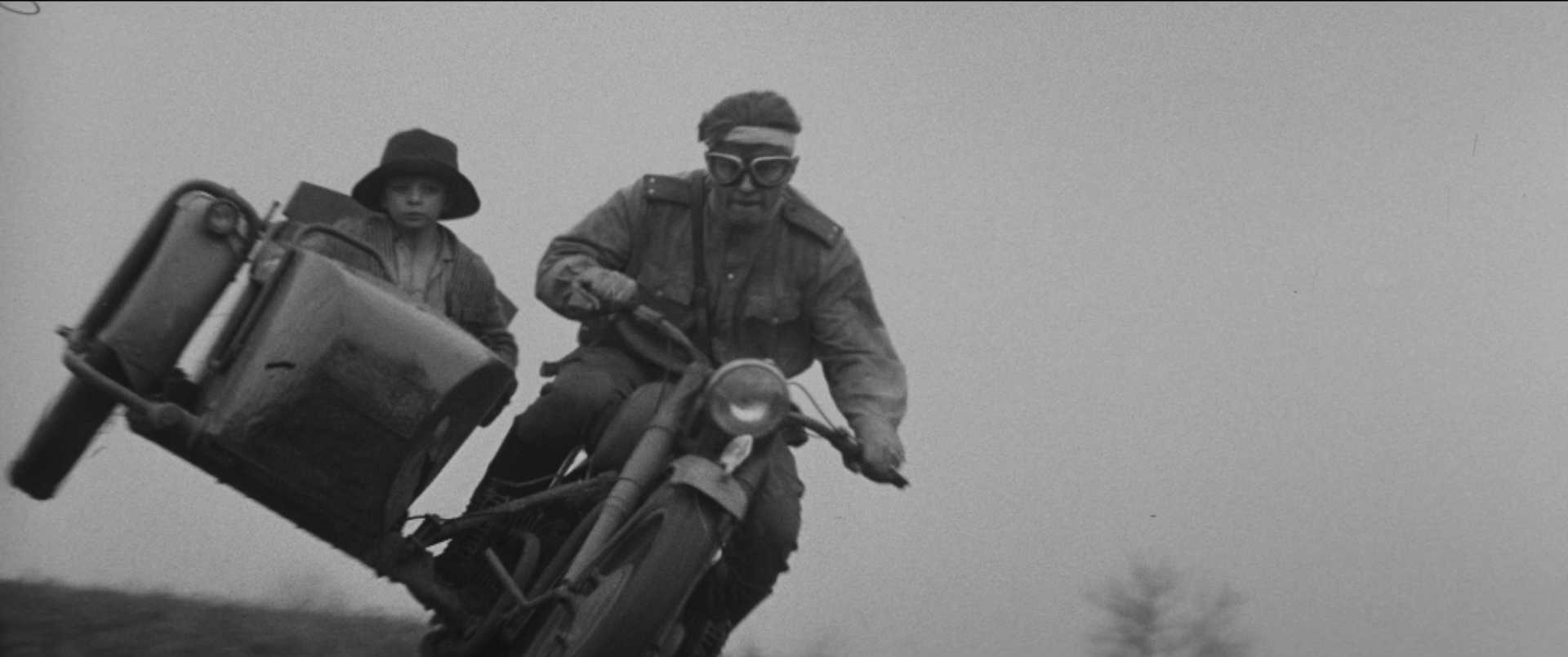
Long Live the Republic! is out now on region-free Blu-ray, released by Second Run. There are quite a few flecks and lines on the print, but it’s a relatively detailed picture with pleasing tones. I’ve used screengrabs throughout this review to give you an idea of how it looks, though these have been compressed. I had no issues with the audio.
BLU-RAY SPECIAL FEATURES:
• Long Live the Republic! (Ať žije republika, 1965) presented from a new HD transfer of best existing materials by the Czech National Film Archive.
• The City Cinematheque Interview with Karel Kachyňa (1998): The director in conversation about Long Live the Republic! with host Jerry Carlson.
• A Memory for the Present (Paměť našeho dne, 1963): Jan Němec’s acclaimed short film reflecting on the memory and legacy of WWII, newly remastered in HD.
• Booklet with new writing on the film by author and expert in Czechoslovak cinema Peter Hames.
• New English subtitle translation.
• World premiere on Blu-ray.
• Region Free (A/B/C) Blu-ray.
There’s an archival interview with Karel Kachyňa on the disc. He talks about his life and career, digging into the film itself on top of discussing some of the other titles he made.
Also included is A Memory for the Present, a wonderful short film by Jan Němec that, like Long Live the Republic!, looks back on WWII.
The booklet contains an essay by Peter Hames that provides valuable background on the film and its makers.
So, Second Run have, once again, handpicked an absolute gem that I can’t recommend highly enough. Whilst not loaded with extras, there’s enough material in the package to provide a healthy amount of background to the production, too.
Disc/Package: 