


Why does a fighting game first released in 1992 still send a jolt of anticipation through anyone who slots its latest collection into a console? Part of the answer is nostalgia, of course. But a bigger part is something more universal: the thrill of not quite knowing what comes next. Every time a Mortal Kombat round begins, there is a flicker of uncertainty — will the combo land, will the Fatality trigger cleanly, will the screen erupt in that absurd, theatrical spectacle the series built its name on. That mix of skill, chance and showmanship is precisely what keeps players coming back, and it is the same emotional engine that has powered the franchise from its grubby arcade cabinets to today’s lovingly assembled Kollection.
That overlap matters because the fighting-game crowd and the wider world of digital leisure have quietly grown closer. Game-themed entertainment now borrows heavily from the same visual grammar — bold colour, escalating tension, the reveal of an outcome. For anyone curious about where that crosses into the world of online crypto play, https://esportsinsider.com/uk/bitcoin-casinos offers a 2026 guide ranking the best UK Bitcoin and crypto casinos, weighing up welcome bonuses, the speed and privacy of crypto banking, game selection, and how each ranked option is licensed. Readers drawn to that luck-of-the-draw spectacle — the same buzz a perfectly timed Fatality delivers — will find it compares the leading names side by side, with particular attention to digital deposits and Web3-era gaming.
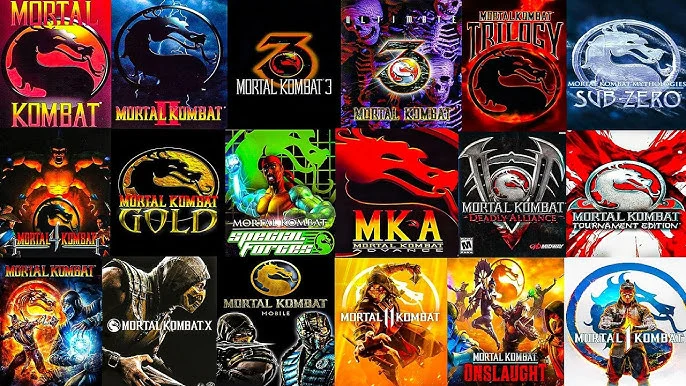
The Kollection as a Time Capsule
The Mortal Kombat Kollection has always been more than a tidy bundle of old releases. Like a well-curated Arrow or Indicator Blu-ray box set, it treats the source material as something worth preserving and celebrating. Collectors who fuss over the restoration of a cult horror film understand the impulse perfectly — there is a craft to presenting a beloved work in its best possible light, complete with extras, context and the little touches that reward genuine enthusiasts.
What the Kollection captures so well is the original arcade spectacle. The pixelated gore, the digitised actors, the announcer’s gravelly bark of “Finish Him” — all of it was designed to be watched as much as played. Crowds gathered around those cabinets the way audiences once huddled around a midnight movie screening. The spectacle was communal, theatrical and just unpredictable enough to keep onlookers leaning in.
The Anatomy of a Thrill
There is a reason the unexpected feels so good. Game designers have understood for decades that the brain responds to surprise far more intensely than to certainty. A predictable victory is satisfying; an unpredictable one is electric. Researchers exploring the role of probability in design have shown how carefully tuned randomness — that flutter of not-quite-knowing — keeps players engaged far longer than skill alone ever could.
Mortal Kombat leans into this constantly. Even a seasoned player cannot fully control whether an opponent blocks, counters or stumbles into a trap. Layer on the secret characters, the hidden stages, the rumoured codes that fuelled playground legend for years, and the series becomes a study in managed uncertainty. The Kollection bottles that feeling and serves it to a new audience, where it sits comfortably alongside the same chance-and-spectacle thrill that defines so much game-themed entertainment today.
Spectacle as a Shared Language
Cinema has always traded on spectacle, and so has gaming. The lavish, slightly ridiculous excess of a Mortal Kombat Fatality has more in common with the operatic violence of a Sam Raimi splatter film than with anything realistic. It is meant to make you gasp, then laugh, then immediately want to see it again.
That instinct — the desire to witness an outcome unfold in dramatic fashion — runs right through modern digital leisure. Themed slot games built around famous franchises, animated reveals timed for maximum tension, escalating soundtracks that swell as the result lands: all of it descends from the same arcade theatre that made Mortal Kombat a phenomenon. Even discussions about how artists frame tension and reveal carry across mediums; one only has to look at thoughtful film criticism, such as the kind found in a response to Laurence Raw’s essay on George Cukor’s A Double Life, to see how seriously the mechanics of dramatic revelation are taken across the arts.
Why Collectors and Players Overlap
The people who treasure a remastered Kollection tend to be the same people who appreciate fine restoration work on a cult thriller, who rank Pixar shorts for fun, and who read gaming-history books cover to cover. They value provenance, presentation and the small thrill of discovery. It is no coincidence that this audience also gravitates towards experiences where chance plays a starring role.
Whether it is unlocking a hidden fighter, gambling a single coin on whether a beat-’em-up combo will connect, or simply enjoying the suspense of a game-themed digital entertainment session, the underlying pleasure is identical. The outcome is uncertain, the presentation is loud and joyful, and the reward — when it comes — feels earned by both luck and timing.
The Lasting Appeal of Not Knowing
Strip away the blood and the bombast, and Mortal Kombat endures because it never lets the player feel completely safe. There is always one more unknown around the corner: a new opponent, a fresh secret, a fatality nobody has seen pulled off live. The Kollection preserves that beautifully, reminding everyone why the franchise refused to fade.
That same restless, anything-could-happen energy is what game-themed entertainment has carried forward into the crypto age. The medium has changed, the technology has leapt ahead, but the thrill remains stubbornly the same. People love the spectacle. They love the suspense. And, just like the crowd around that old arcade cabinet, they love not knowing exactly how it all ends.