


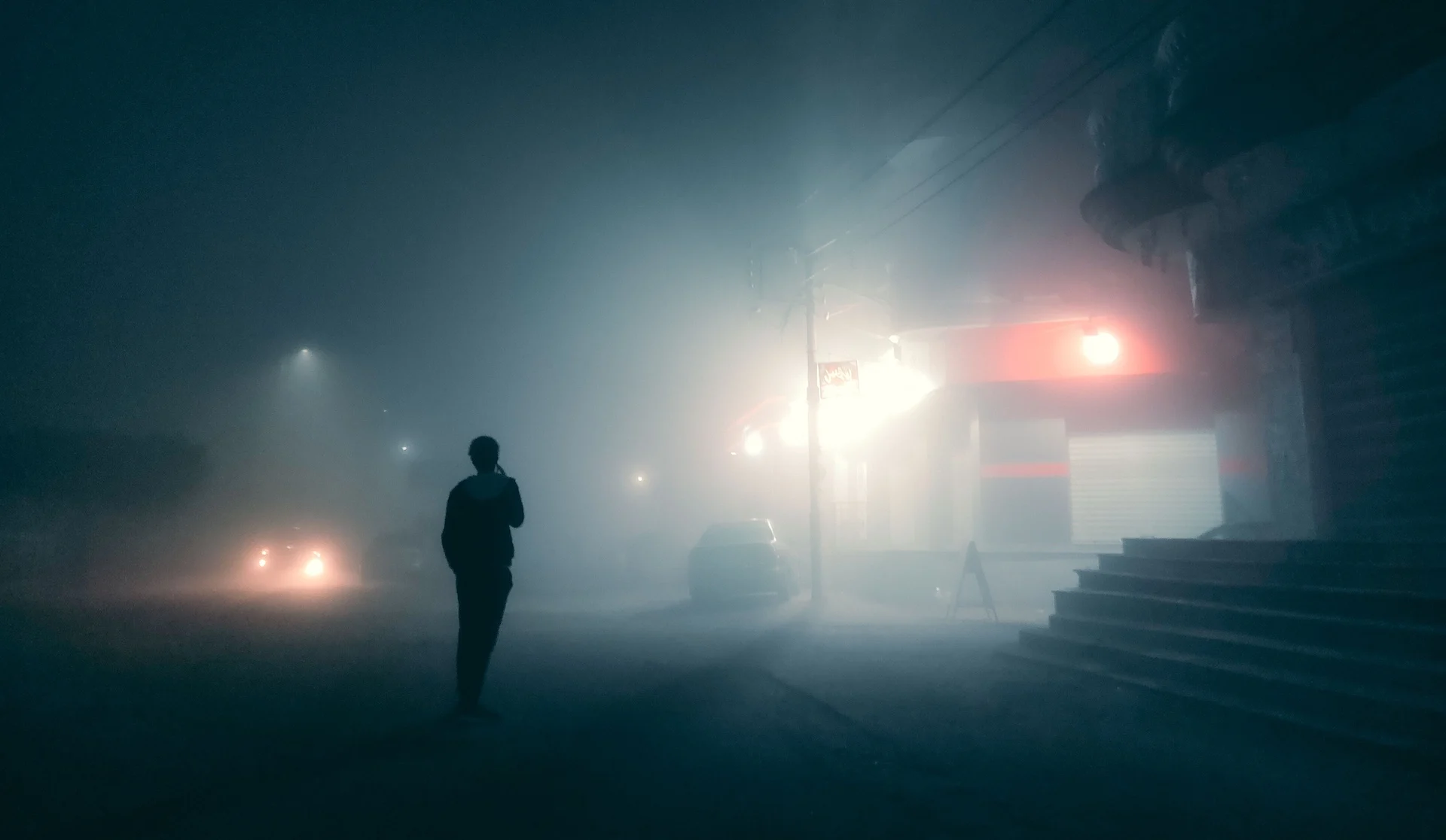
In cult thrillers that hinge on those pivotal high-stakes moments, the way tension builds around risk and potential gain often mirrors the kind of excitement people seek in their own leisure time. For those looking to explore similar sensations without the usual limits, a casino not on gamstop offers an alternative path that fits right into this overlap of cinema and personal downtime. Viewers frequently find themselves drawn to stories where characters face uncertain futures, and this same pull can translate into real-world choices once the lights come up. The atmosphere lingers because the films avoid tidy resolutions, instead leaving space for doubt and possibility that feels oddly familiar during quiet evenings at home.
A Recurring Flicker of Uncertainty
Many of these films open with a single image that lingers: a hallway light that refuses to stay steady, or a clock whose hands seem to hesitate before the next tick. Viewers soon realise the story will turn on whether the protagonist steps forward or holds back. The same quiet pull can shape an evening once the film ends, when someone weighs how to spend the remaining hours. That shared sense of a decision still hanging in the air creates a thread running from screen to sofa. Directors build this feeling through small details like a half-open door or an unanswered phone call, each one hinting at larger consequences without ever spelling them out. Over time the audience learns to read these signs, much as they might scan their own surroundings for clues about what comes next. This habit of noticing tension carries over easily, turning ordinary moments into something charged with potential.
How Cult Cinema Frames the Moment
Directors in the genre rarely spell out the odds. Instead they let shadows lengthen and dialogue trail off, leaving the audience to feel the weight of each possible outcome. One academic study, on cult film sociology, explores how these stories turn ordinary spaces into arenas where every gesture carries unexpected consequence. The result is a viewing experience that stays with people long after the credits, colouring the way they approach their own small choices later that night. Scenes often unfold in familiar settings such as dimly lit bars or empty streets, where the ordinary suddenly feels loaded with meaning. Characters pause at thresholds or weigh a single sentence, and viewers hold their breath because the outcome remains genuinely open. This technique keeps the focus on human hesitation rather than spectacle, making the tension feel personal and immediate.

The Viewer’s Quiet Echo
Once the screen goes dark, the same instinct for weighing possibilities often lingers. People might reach for a book, a walk, or a digital diversion that carries its own gentle charge of the unknown. This transition feels natural rather than abrupt, because the film has already trained the mind to notice how one action can shift the atmosphere of an entire room. The narrative thread of hesitation and release continues off-screen, turning passive watching into a prompt for personal pacing. Many viewers report replaying key scenes in their heads while deciding what to do next, almost as if the story continues in their own choices. The effect grows stronger with repeated viewings, as new details emerge and the sense of open possibility deepens. Over repeated evenings this pattern can become a quiet ritual, blending the film’s mood with whatever leisure activity follows.
Finding Broader Leisure Options
Beyond the film itself, enthusiasts often look for ways to extend that atmosphere without leaving the house. Wider selections of games and flexible ways to take part become appealing precisely because they echo the open-ended feel of the story just watched. An article on gambling realities reminds readers that such pastimes have always sat alongside other forms of entertainment, offering variety rather than replacing it. The choice remains personal, guided by the same curiosity that drew someone to the film in the first place. Options range from quick rounds on a phone to longer sessions that mirror the slow build of a thriller plot. People appreciate the freedom to pause or continue at their own rhythm, much like rewatching a favourite scene. This flexibility keeps the experience light and exploratory rather than obligatory.
Design That Heightens the Feeling
Cult thrillers frequently use confined sets and recurring motifs to keep tension alive, and similar principles appear in how certain leisure spaces arrange light, sound and pace. Research on casino design effects notes how subtle environmental cues can sustain engagement. Viewers who enjoy dissecting these techniques on screen sometimes notice parallel details when they explore new leisure options, recognising the craft even if they never name it aloud. Soft lighting, rhythmic background sounds and carefully placed seating all play a part in holding attention without feeling forced. The same attention to detail that makes a thriller scene unsettling can make a leisure setting absorbing in its own way. Recognising these parallels adds another layer of appreciation, turning casual participation into something more thoughtful.
Closing the Loop at Midnight
By the time the evening winds down, the flickering light from the opening scene returns in memory, now joined by whatever choice filled the hours since. Whether the film ended on a cliff-hanger or a quiet resolution, the thread of risk and reward has moved from reel to reality and back again. The final frame lingers not as a command but as an invitation to notice how every evening, like every cult thriller, holds its own decisive moment waiting to be met. Reflections often surface during those last quiet minutes, connecting the story’s unresolved questions to personal decisions made earlier. This gentle loop between screen and life can make the whole experience feel complete even without a neat ending.