


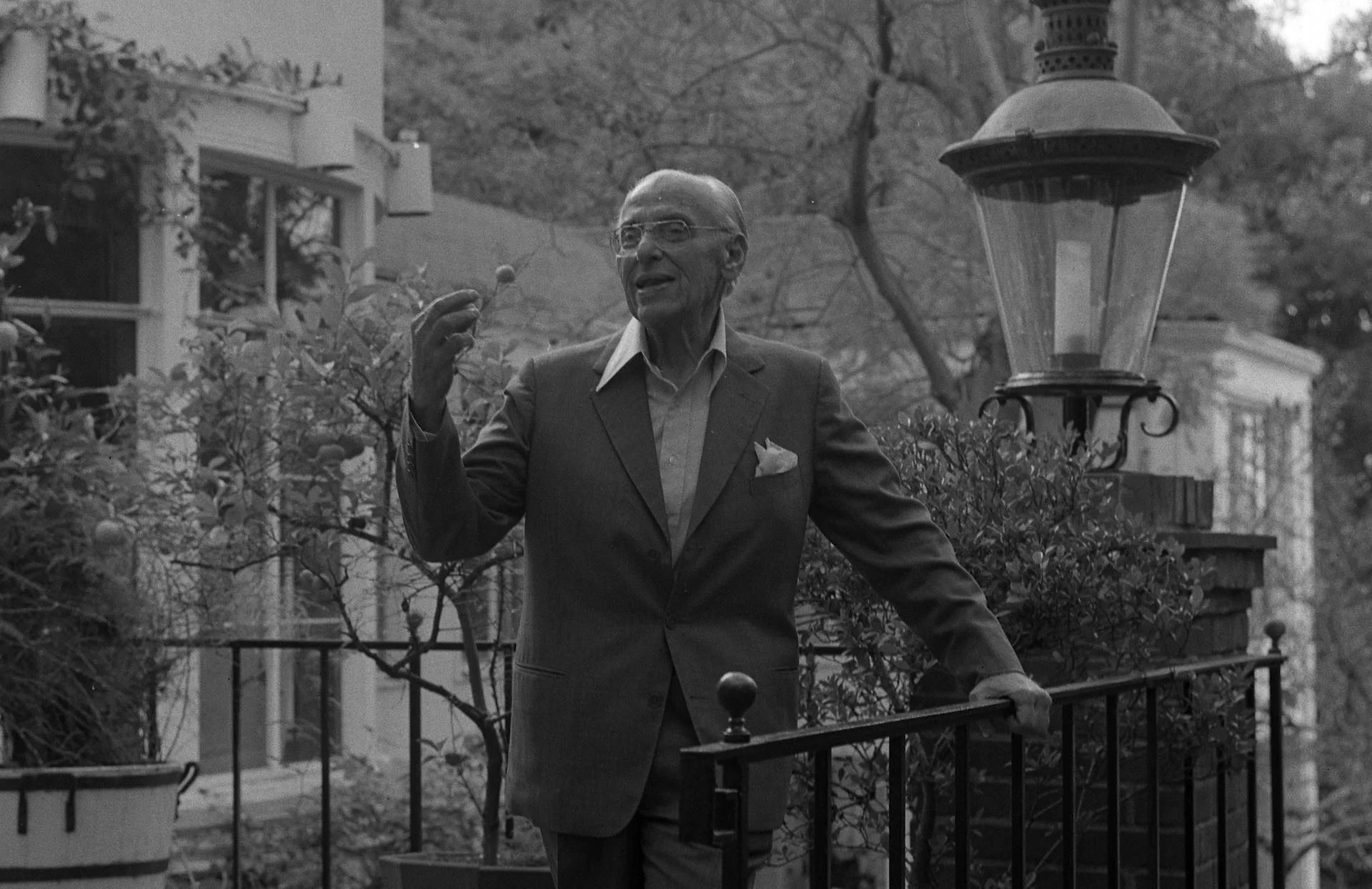
Stories of chance and fortune have long captivated audiences, drawing them toward experiences that blend risk with reward, including popular casino sites. George Cukor stands out among directors for the way his films trace how ordinary moments can pivot on a single turn of events. His characters rarely plan their paths with certainty; instead they navigate situations where timing, temperament and sheer circumstance decide what happens next. This recurring interest gives his work a quiet resonance that still feels familiar today. Cukor understood that tension better than most, allowing his narratives to breathe so that small accidents accumulate into lasting change.
Beginnings in the Studio System
Cukor arrived in Hollywood during a period when studios controlled every aspect of production. He learned quickly that advancement depended on more than talent alone. Connections, sudden opportunities and the willingness to adapt often mattered just as much as creative vision. One early project illustrated this pattern when an unexpected casting change altered the tone of the entire picture. The young director absorbed the lesson without complaint, recognising that flexibility could turn potential setbacks into distinctive strengths. Within the rigid hierarchy of the big studios he also discovered that personal resilience often proved more valuable than any formal training. When schedules shifted without warning or producers demanded last-minute rewrites, Cukor simply adjusted his approach and kept moving forward. That habit of quiet adaptability would later serve him well when he began to explore more personal themes on screen. A Cukor director profile explains how these early pressures shaped the understated style that became his hallmark.
Characters Facing Sudden Twists
Many of Cukor’s protagonists discover that a single conversation or chance encounter redirects their lives. In these stories the audience watches decisions unfold without knowing the outcome in advance. The tension arises not from grand schemes but from the small choices people make when they feel uncertain. Viewers recognise the pattern because it mirrors experiences everyone encounters: a job offer that arrives without warning, a meeting that changes a relationship, or an invitation accepted on impulse. The director never moralises about these moments; he simply lets them play out with natural consequence. Across several decades he returned to this idea with remarkable consistency, showing how ordinary people stumble into new realities through nothing more dramatic than a misplaced letter or an unexpected visitor.
The Influence of Personal Fortune
A closer look at George Cukor reveals how his own career reflected the same themes he placed on screen. Several projects succeeded because of fortunate timing rather than careful calculation. When one studio assignment fell through, another opportunity appeared that allowed greater artistic freedom. These shifts did not follow any predictable route, yet they helped shape the distinctive tone that later became his signature. Cukor treated such developments as part of the profession rather than strokes of luck to be celebrated or lamented. He understood that the film industry itself operated on similar principles of chance, where a single recommendation from a colleague could open doors that years of steady work had left closed. A film conclusion resource highlights how these professional accidents influenced the gentle irony that runs through his mature pictures.
Scenes That Highlight Everyday Risk
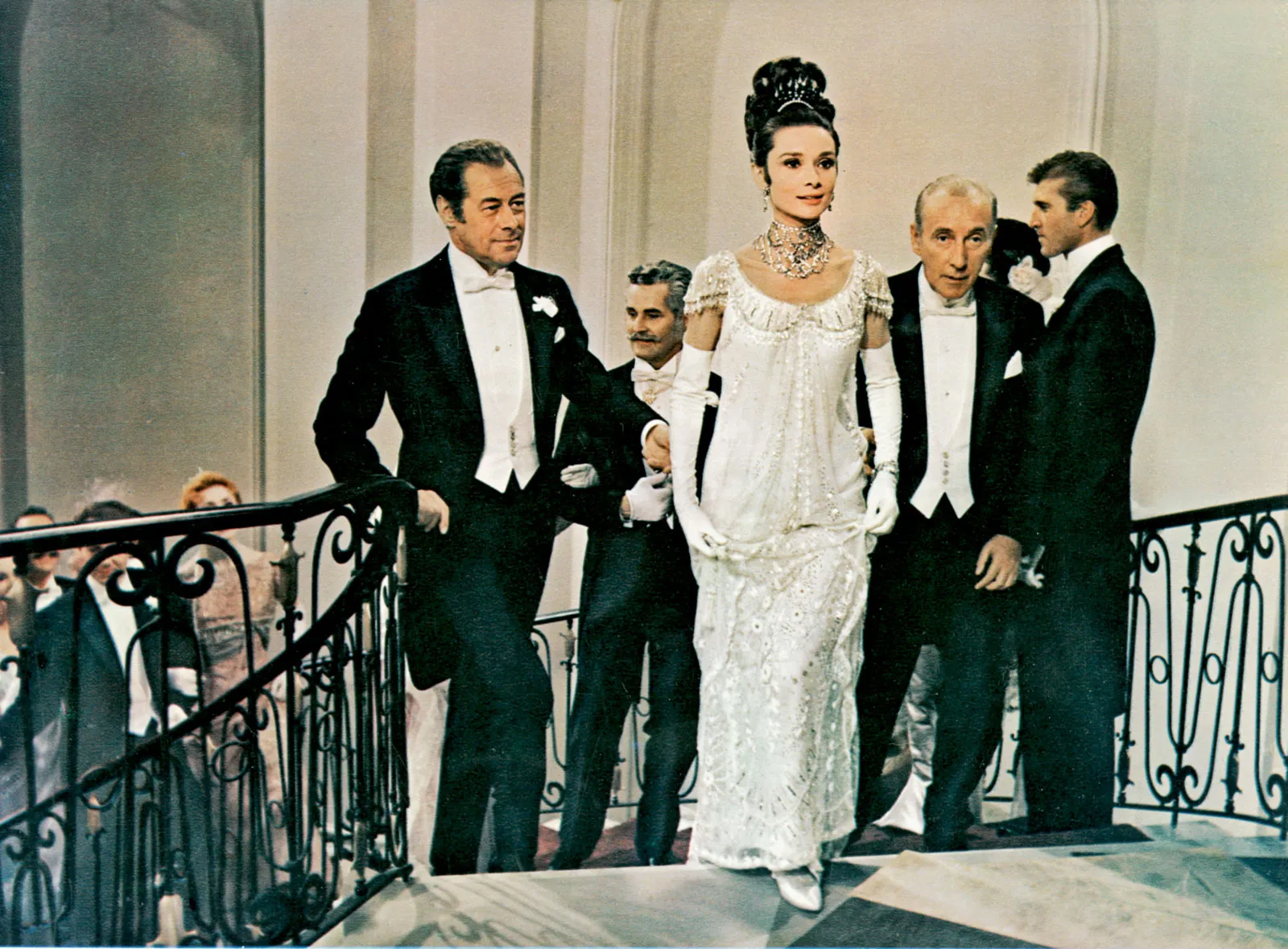
Examination of pivotal sequences in his work shows how ordinary settings become charged with possibility. A drawing room conversation or a brief walk along a city street can carry the weight of an entire future. The camera lingers just long enough for the viewer to sense that something important is at stake, even though nothing dramatic appears to be happening. This technique draws attention to the quiet courage required when people step into situations they cannot fully control. The effect feels understated yet lingers long after the scene ends. Cukor had a gift for turning domestic spaces into arenas where hidden hopes and fears surface without anyone raising their voice.
Later Reflections on Life’s Turns
In his mature period Cukor returned again and again to characters who look back on earlier decisions with a mixture of acceptance and surprise. These films often close on a note of quiet equilibrium rather than triumph or defeat. The emphasis stays on how individuals carry their accumulated experiences forward. One memorable ending leaves the central figure standing at a threshold, neither moving ahead nor retreating, simply acknowledging that further change remains possible. Such moments invite audiences to consider their own unfinished stories without offering easy resolutions. The director’s later work also reflects a growing awareness of how women in particular navigated the narrow corridors of opportunity available to them during the studio era. A women in Hollywood exhibition provides helpful context for understanding the social pressures that shaped many of his most memorable female characters.
Closing the Circle
Across decades of work the same thread runs through Cukor’s films: fortune arrives unannounced, risk hides in plain sight, and personal choices gain meaning only in hindsight. Viewers return to these pictures because they recognise the pattern in their own lives. The director never claims to explain why events unfold as they do. Instead he records the delicate balance between what people can influence and what simply happens, leaving the final interpretation open in the way that real experience always does. His films continue to reward repeated viewings because each return reveals new layers of coincidence and quiet consequence that were easy to overlook the first time. In the end Cukor’s greatest achievement may simply be his refusal to impose artificial order on lives that remain, like our own, gloriously unfinished.