


 Director: Eiichi Kudo
Screenplay: Kaneo Ikegami, Kei Tasaka, Norifumi Suzuki, Takeo Kunihiro
Starring: Chiezo Kataoka, Ko Nishimura, Toru Abe, Kei Sato, Isao Natsuyagi, Nami Munakata
Country: Japan
Running Time: 125 / 118 / 100 min
Years: 1963, 1964, 1967
BBFC Certificate: 18
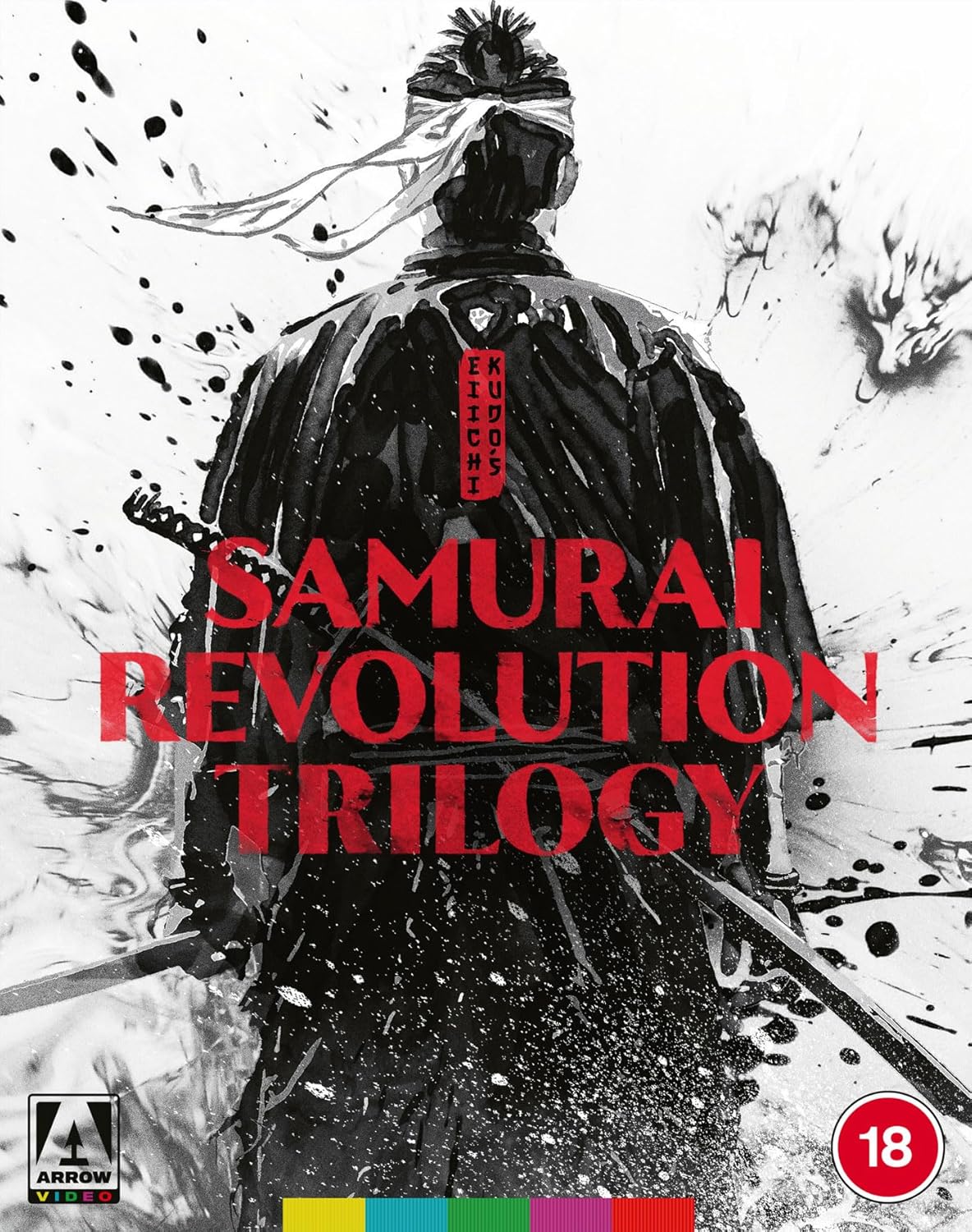
Eiichi Kudo’s Samurai Revolution Trilogy, which is being released on Blu-ray by Arrow Video, is a thematic trilogy rather than a narrative one, and only named as such well after the fact. The three jidaigeki/samurai films that make up the trio are, nevertheless, similar enough in concept, theme and tone to work beautifully together, akin to something like Park Chan-wook’s Vengeance Trilogy (which, incidentally, Arrow also released). As such, and due to the fact that I’m currently incredibly busy, I’m condensing my thoughts on all three films into one single review.
In a similar fashion, Arrow have condensed the synopses of the films into one handy paragraph, which I’ll borrow here:
“The Samurai Revolution Trilogy depicts the rot at the heart of the Tokugawa shogunate: despotic lords oppress their people and abuse their power with impunity, loyalty to the Shogun is valued above compassion and righteousness, and samurai have shed any trace of nobility in favour of their own self-interest, which they pursue with gleeful cruelty. Each film portrays a group of honourable samurai driven to plan the political assassination of a corrupt lord, hoping to light the fuse that will eventually destroy the regime. But the rebels must understand the fatal consequences of their mission. Should the Shogun falter, then their lives and the entire samurai class will be forfeit.”
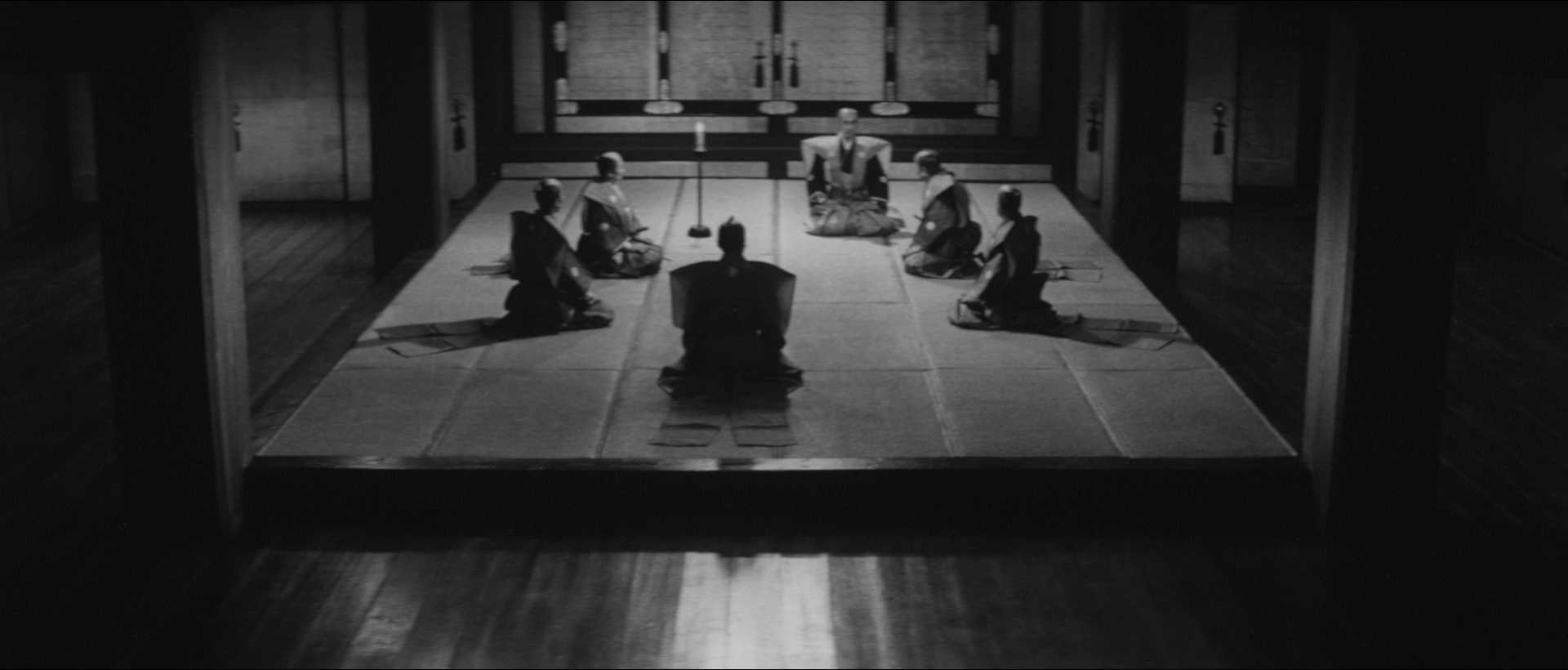
The trilogy is made up of the films 13 Assassins (later remade by Takashi Miike), The Great Killing and 11 Samurai.
Whilst part of a new trend by Toei of having ‘ensemble’ jidaigeki, starring a number of popular actors rather than one or two big stars, to expand their dwindling audiences, 13 Assassins broke from Toei’s usual samurai movie style and conventions. It modernised period films, in a sense, bringing an added layer of realism and cynicism.
Director Eiichi Kudo reportedly wasn’t happy about moving to Kyoto to direct jidaigeki, which might explain why he decided to shake up the genre. Toei’s struggle to keep audiences interested in samurai movies at the time (Yakuza tales became more popular as the 60s moved on) will explain why they allowed such a shift, too.
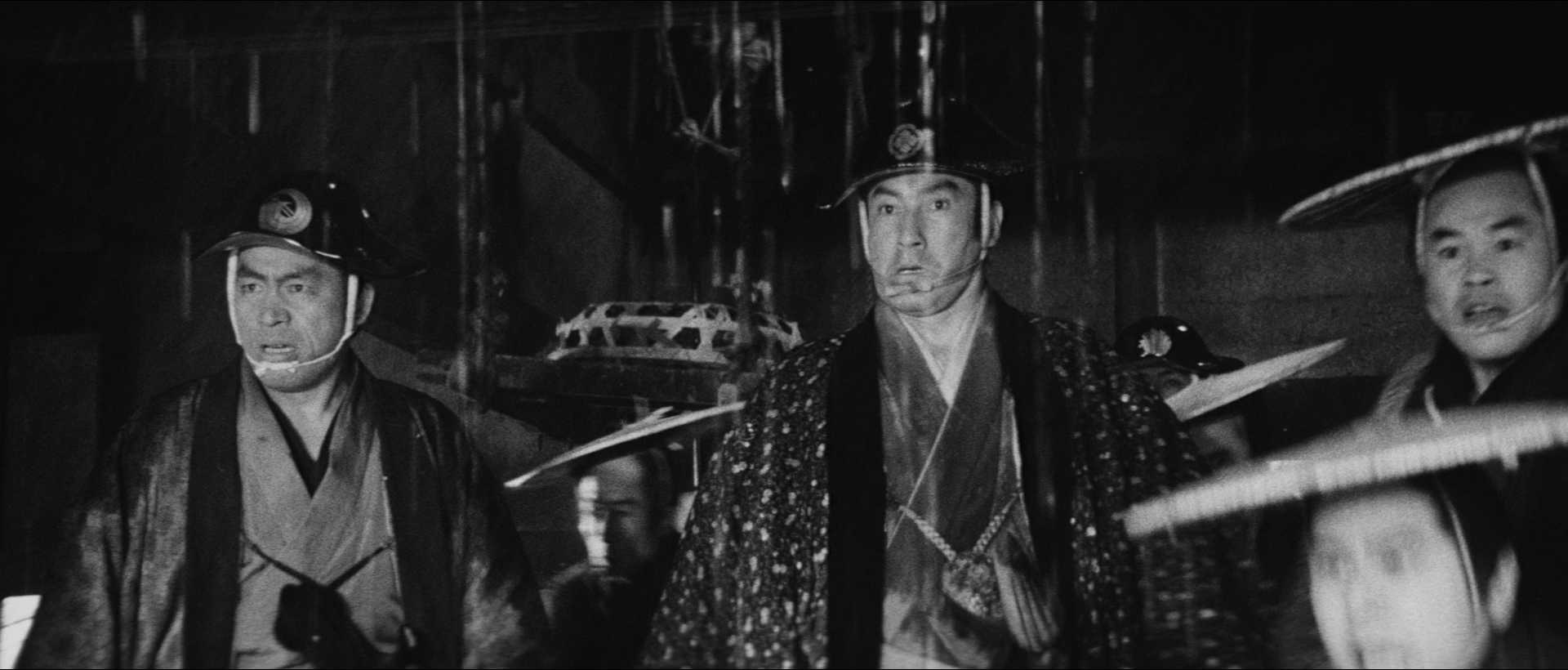
13 Assassins wasn’t the first ‘cruel jidaegeki’ film (Harakiri came the year before, and there were already some precursors to this). However, Kudo added a little more ‘grit’ to the style and gave them some political bite.
The films reflect anti-authority attitudes in Japan at the time, following the US-Japan Security Treaty. When he was younger, Kudo had reportedly joined student protests and was sympathetic to similar actions happening in the 1960s. Supposedly, audio from the 60s student protests was even used in the climax of The Great Killing.
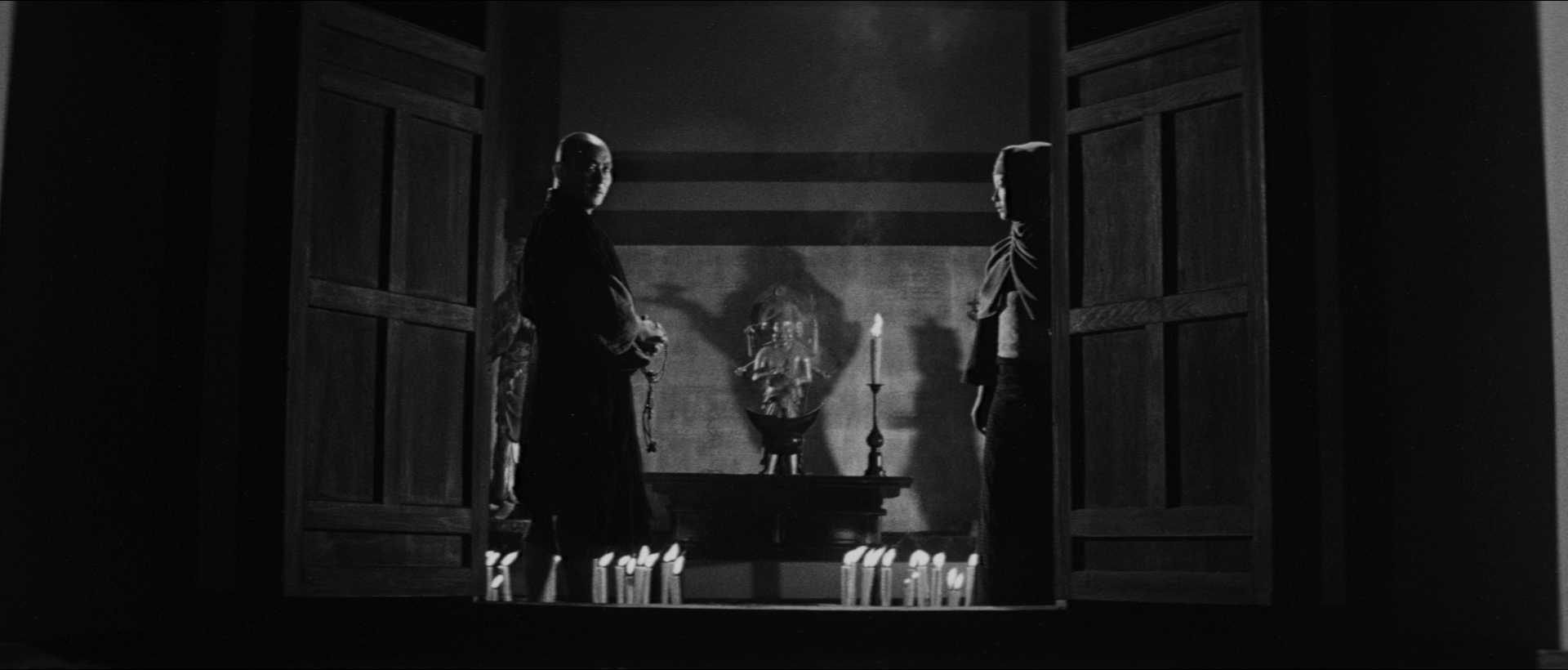
The protagonists of the films are not all heroic revolutionaries, though. This is particularly apparent in The Great Killing, where the female rebel, Miya (Nami Munakata), is strong-armed into sleeping with a fellow member of ‘the cause’ and, later, another member flat-out rapes her.
11 Samurai puts an interesting spin on the depiction of samurai, too. It is set during a time of peace, 160 years after The Great Killing. During this time, the samurai rarely fought anymore. Instead, they’re almost like office workers. The Tokugawa shogunate kept Japan stagnant, ignoring the massive changes happening overseas. So, the samurai became parasites on this society, taking its money for hollow pageantry.
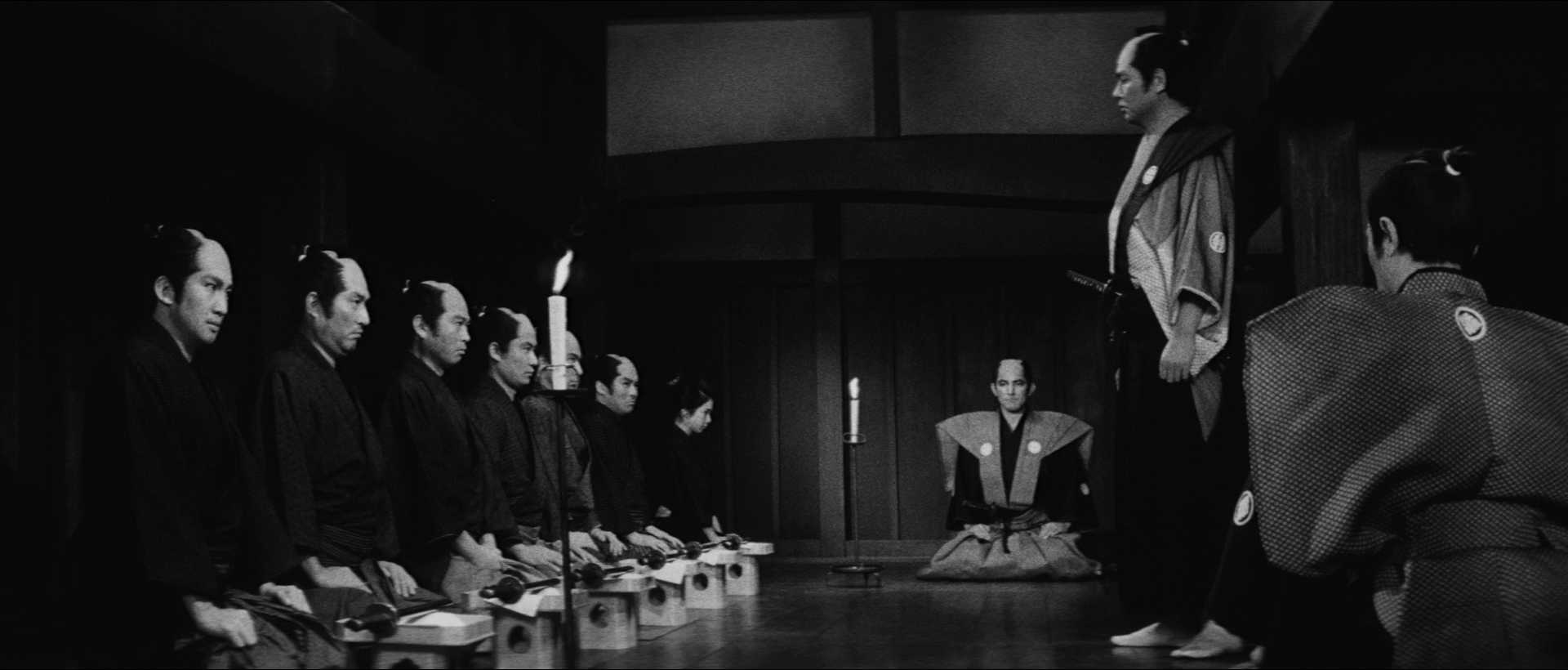
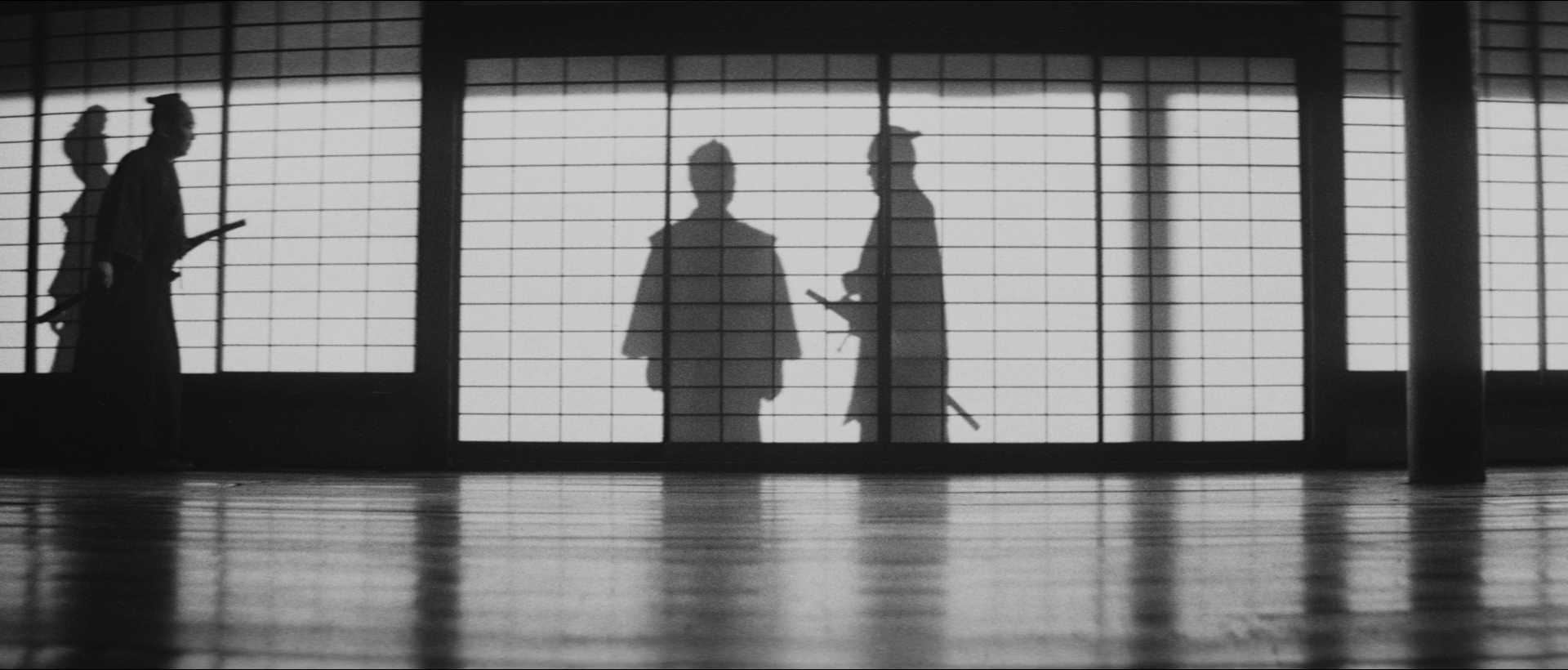
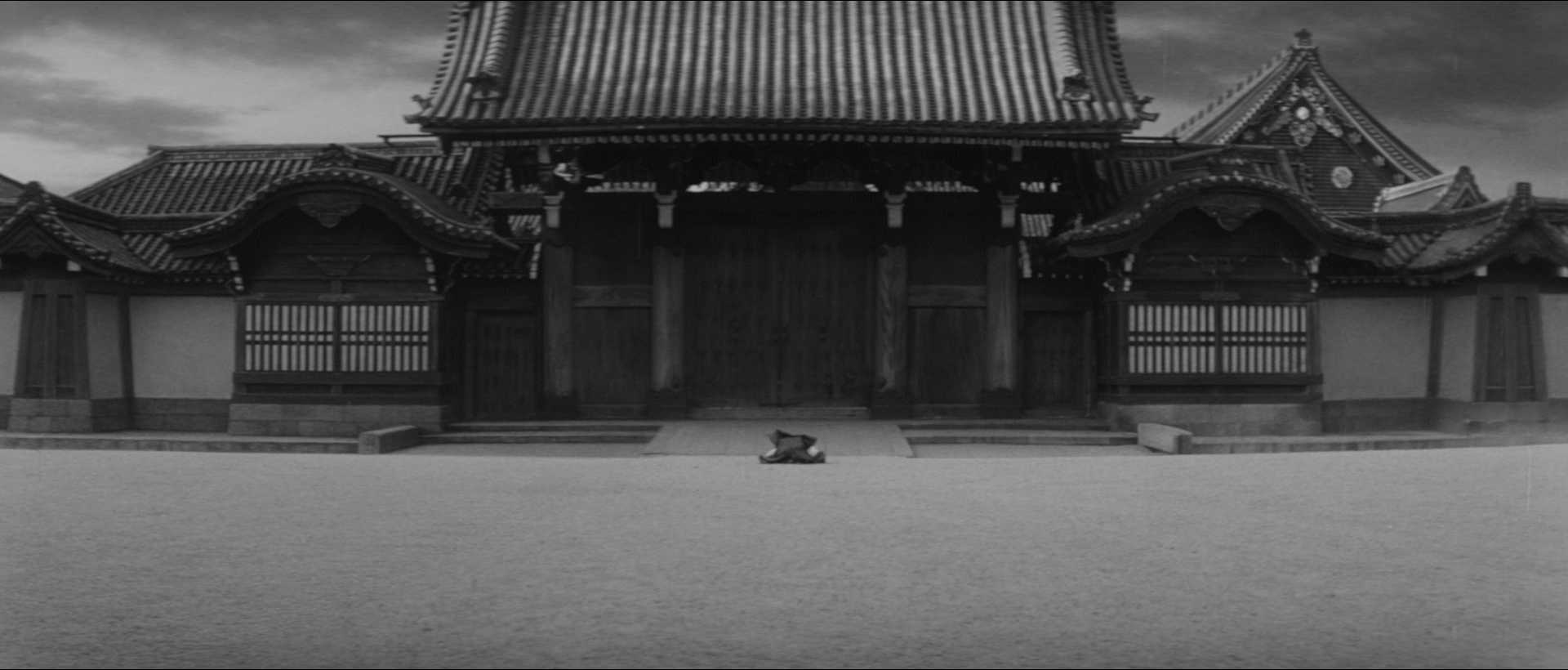
The films aren’t merely worth watching for their themes and politics, though. They’re all stunningly well directed and shot. Kudo and his cinematographers, Jûhei Suzuki, Osamu Furuya and Sadaji Yoshida, make great use of light, depth and space, as well as the elements – particularly rain and smoke.
The way the action is shot is slightly different between films, too. The Great Killing uses handheld cameras more aggressively when swords are drawn, making for some often quite chaotic action scenes. In 11 Samurai, whilst handheld cameras are still sometimes used, it’s less wild and disorientating.
All of the films build to spectacular yet tough and visceral action set pieces. These aren’t gracefully choreographed swordfights, but dirty, messy brawls, often in the rain and mud. Whilst thrilling to watch, these aren’t glamorous depictions of samurai swordplay. Kudo is showing violence for what it is.
All-in-all, the films are intelligent yet brutal tales of rebellion and what it takes to rebel. Immensely powerful and stunningly well crafted, all three films are superb, making for one of the finest trilogies out there.
Films: 

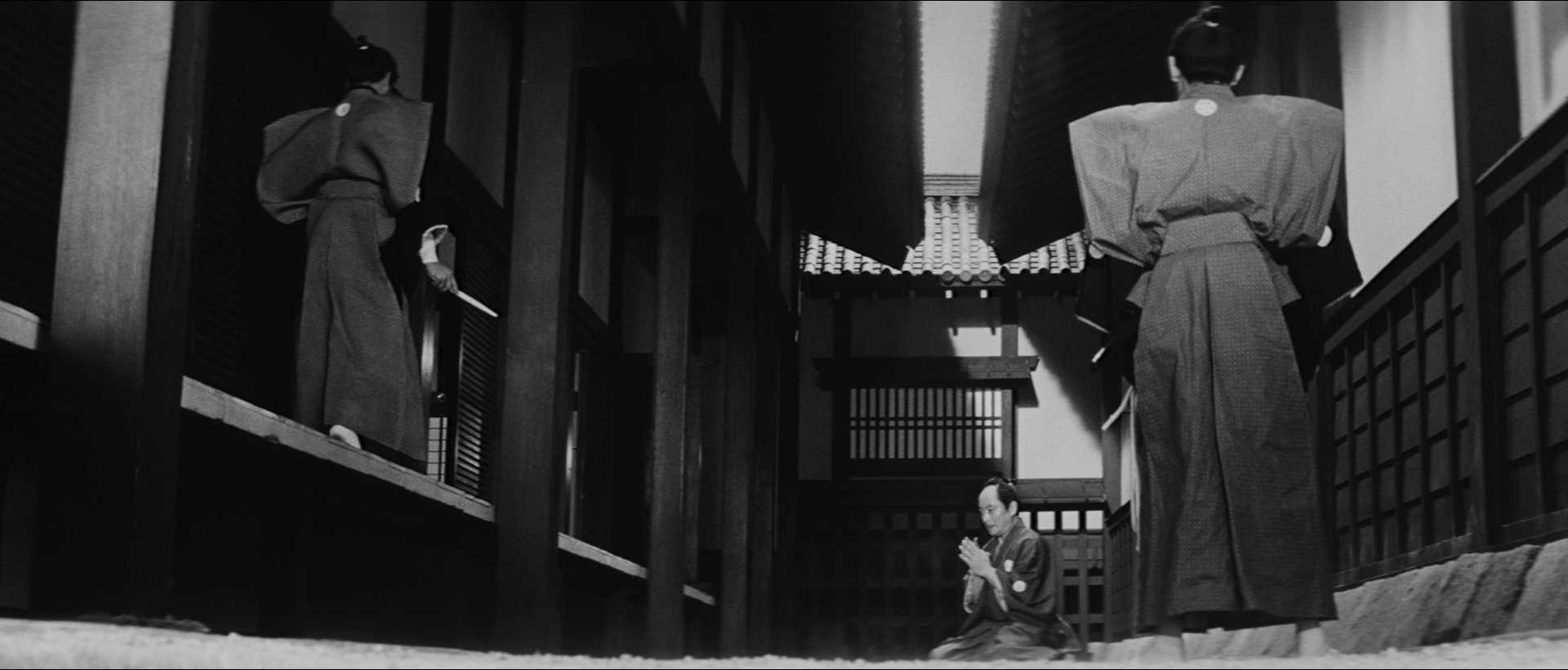
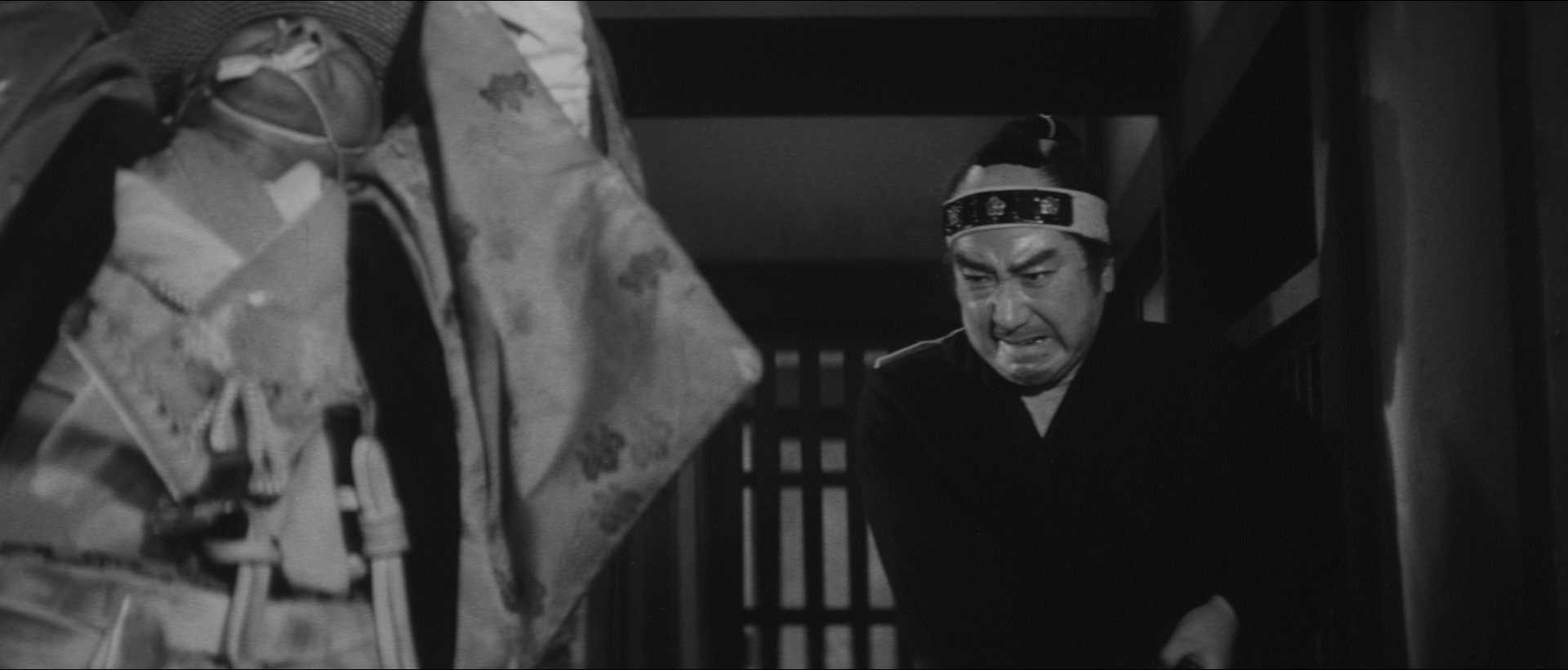
Eiichi Kudo’s Samurai Revolution Trilogy is out on 30th March on region B Blu-Ray, released by Arrow Video. The transfers are strong. They look a little on the soft side, but the tones are well balanced, and the pictures look pretty clean. I’ve used screengrabs throughout this review to give you an idea of how the films look. They sound good too, with solid transfers of the original mono audio.
LIMITED EDITION CONTENTS
– High-Definition Blu-ray (1080p) presentation of all three films
– Original lossless Japanese mono audio on all three films
– Optional newly translated English subtitles for all three films
– Limited edition packaging with reversible sleeves featuring original and newly commissioned artwork by Tom Fournier
– Illustrated collectors’ booklet featuring new writing on the films by Chris D., Earl Jackson and Alain Silver
DISC ONE – 13 ASSASSINS
– Brand new audio commentary by film critic and Japanese cinema expert Tom Mes
– The Samurai Variations, a brand new video essay by music supervisor and Japanese cinema expert James Balmont on legendary composer Akira Ifukube’s score for the film
– Samurai Guerilla Part 1, an archival interview where Eiichi Kudo’s former assistant director Misao Arai and filmmaker Dirty Kudo discuss Eiichi Kudo and Toei’s role in the Japanese film landscape of the 1960s
– Theatrical trailers
DISC TWO – THE GREAT KILLING
– Brand new audio commentary by film critic David West
– Magician of Light and Shadow, a brand new video essay by film critic and Japanese cinema expert Daisuke Miyao on the cinematography seen in the film
– Samurai Guerilla Part 2, an archival interview where Misao Arai and Dirty Kudo discuss the jidaigeki genre and expand on the political dimension of The Great Killing
– Masaaki Ito Remembers Eiichi Kudo, a tribute to the director by his former assistant and brother-in-law
DISC THREE – 11 SAMURAI
– Brand new audio commentary by film critic David West
– Fighting the Poison, a brand new video essay by film critic and Japanese cinema expert Jonathan Clements on the historical setting and context of the film
– Samurai Guerilla Part 3, an archival interview where Misao Arai and Dirty Kudo discuss some of the filming techniques seen in the film and the conception of the Samurai as seen in Eiichi Kudo’s jidaigeki films
– Eiichi Kudo: The Art of Realism, an archival interview with Fabrice Arduini, filmmaker and programmer for the House of Culture of Japan in Paris, where he discusses jidaigeki and the films of Eiichi Kudo
Tom Mes provides a commentary over 13 Assassins. He talks about Eiichi Kudo, as well as offering his usual insightful mix of cultural context and production background.
David West provides commentaries over both The Great Killing and 11 Samurai. He goes pretty heavy on the political and cultural context, as well as offering some analysis of the film. They’re both excellent tracks.
James Belmont talks about composer Akira Ifukube, whose music features in 13 Assassins and 11 Samurai. It includes a QR code to take you to a wonderful Spotify playlist featuring some of the composer’s work discussed in the essay. Belmont looks at the recurring motifs and techniques Ifukube uses throughout his work. It’s a wonderful piece for fans of film scores, like myself.
Spread across all of the discs is a 3-part interview called ‘Samurai Guerilla’ where filmmaker Dirty Kudo talks with Eiichi Kudo’s former assistant director Misao Arai. This is excellent, digging deep into the films’ backgrounds and importance.
In an essay, Daisuke Miyao talks about some of the stylistic and thematic aspects of the film that stand out. He goes into particular detail on the cinematography.
Jonathan Clements provides an essay on the 11 Samurai disc. He looks at the true history behind the film’s stories and settings. It’s a fascinating piece.
Eiichi Kudo: The Art of Realism is an archival French documentary about the filmmaker and his Samurai Revolution trilogy. It looks, in particular, at how they differed from standard jidaigeki of the period.
There’s also an interview with Masaaki Ito on the Great Killing disc. He starts out by talking about his experiences working with Kudo, but he later tells a poignant tale about the director and his sister, who briefly became Kudo’s wife in the final days of her life.
So, Arrow have delivered a stacked set of discs to complement a stunning trio of films. I know it’s early to say, but this is likely going to settle near the top of my favourite releases of the year.
Disc/Package: