


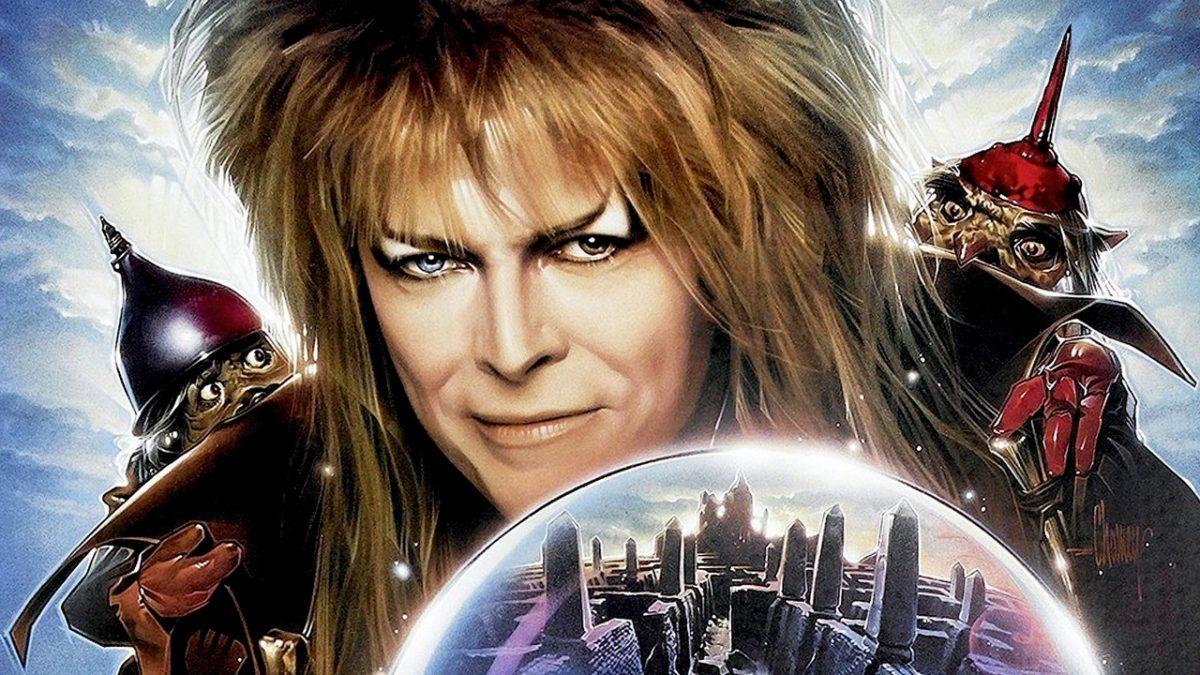
Forty years after its release, describing Labyrinth as a classic hardly seems controversial. Jim Henson’s creatures remain instantly recognisable, David Bowie’s Jareth has become one of fantasy cinema’s most iconic characters and new generations continue to discover the strange world that Sarah entered back in 1986.
Yet the reaction forty years ago was very different.
Labyrinth opened at number eight at the US box office and eventually earned around $12.7 million there against a reported budget of approximately $25 million. Critics were divided too. While some praised its ambition and technical achievements, others felt that the impressive puppetry and production design were being let down by the story.
For Jim Henson, the disappointing reaction was particularly difficult. But something interesting happened after Labyrinth left American cinemas. The film didn’t disappear. Instead, audiences gradually began to find it.
Within weeks of its release on home video in early 1987, Labyrinth had reached number four on the US videocassette rental chart. The film that struggled to attract American cinemagoers was beginning to find another life in people’s homes.
So what did those audiences see in Labyrinth that many people seemingly missed the first time around?
The film received some positive critical reviews, but also some rather negative ones, including from Siskel and Ebert.
Roger Ebert admired the technical craftsmanship and Bowie soundtrack but thought the film never properly came alive, criticising its episodic structure and arguing that the story didn’t justify the lavish production. Gene Siskel was much harsher, calling it an enormous waste of talent and money. Sheila Benson of the Los Angeles Times thought its technical wizardry outweighed its emotional depth.
On the other hand, Nina Darnton of The New York Times considered Labyrinth to be a remarkable achievement and praised its coming-of-age aspect, while Richard Corliss of Time was also positive.
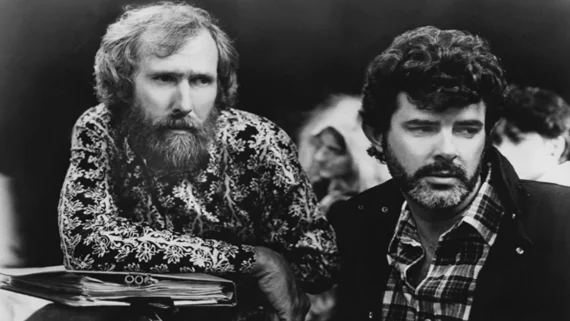
Famous Muppets creator Jim Henson, who directed Labyrinth and co-developed its story, took the disappointing reception particularly hard. His widow, Jane Henson, later recalled that he asked his son Brian what they had done wrong. Brian himself remembered his father becoming deeply discouraged by the film’s lack of theatrical success.
But something extraordinary soon occurred.
Released on VHS in early 1987, Labyrinth reached number four on the US videocassette rental chart within weeks. It remained at number four on Billboard’s rental chart for at least two consecutive weeks in February. The evidence certainly suggests that the burgeoning home-video market helped give Labyrinth its second life.
Being primarily aimed at families, younger audiences were given a great opportunity to experience the film again and again. Perhaps the VHS format was exactly what Labyrinth needed to thrive. Think about it. They could watch the film repeatedly while learning all of the songs, remembering Hoggle and the friendly giant Ludo, and experiencing all of the wonder and excitement as many times as they wanted to. Is that how it built its cult following? I think that’s a reasonable theory. Labyrinth was very well suited to repeated viewing!
The Jim Henson Company now identifies the film’s memorable soundtrack, distinctive visual style, groundbreaking creatures and timeless coming-of-age story as qualities that have continued to resonate across generations. David Bowie also gained a new generation of young fans through his performance as Jareth, the Goblin King and Sarah’s formidable opponent during her journey through the labyrinth.
And then there are the songs. “Magic Dance”, “As the World Falls Down” and “Underground” add another dimension to Labyrinth that doesn’t rely solely on its visual spectacle.
And let us not hide the fact that there are certain things about Labyrinth that are very weird! Helping hands, talking door knockers, detachable Firey body parts, the Bog of Eternal Stench, an enormous hairy creature calling rocks, Bowie dancing with goblins and singing about slapping babies… those things are distinctive. They gave the movie an identity unlike almost any other fantasy film.
Underneath everything else is a pretty timeless shift from childhood fantasy towards accepting responsibility. There is more attention paid to that coming-of-age element these days, with the 40th-anniversary Guardian oral history specifically highlighting the film’s resonance with girls and women.
Perhaps the answer to Labyrinth’s unlikely journey is that audiences didn’t necessarily discover something that had been missing in 1986. They simply began to appreciate what had been there all along.
The puppets, the strange humour, Bowie’s music, the coming-of-age story and a fantasy world that refuses to look or behave quite like anything else all gave Labyrinth an identity of its own. Some of those qualities may have made it difficult for audiences and critics to know what to make of the film when it first appeared, but they also ensured that it wouldn’t easily be forgotten.
Home video gave Labyrinth something its disappointing American theatrical run couldn’t: time. Time for audiences to revisit it, introduce it to their children and allow its peculiar world to become familiar. Nostalgia undoubtedly plays its part today, but nostalgia alone doesn’t explain why new generations continue to discover it.
Forty years later, perhaps the greatest irony is that Labyrinth didn’t need to change anything in order to become a classic. Audiences simply needed time to catch up with it.