


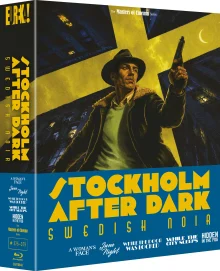
 Films: A Woman’s Face (1938), June Night (1940), While the Door was Locked (1946), While the City Sleeps (1950), Hidden in the Fog (1953)
Directors: Gustaf Molander, Per Lindberg, Hasse Ekman, Lars-Eric Kjellgren
Country: Sweden
BBFC Certificate: 12
Eureka has packaged five Swedish noir films from the late 1930s through to the 1950s. Titled ‘Stockholm After Dark’ as part of the label’s Masters of Cinema series, the films cover different aspects of noir, leaning more heavily towards melodrama than the crime aspects in the stories.
Unfortunately, I think film noir fans expecting a set of crime-thrillers will be left feeling a little underwhelmed with this set as most of these films do fall into melodrama (with a hint of crime). I only really liked two of the five films included. Much of the set-up and strong premises felt ultimately wasted.
Each film has an accompanying special feature which delves into its themes and helps contextualise the piece. These include audio commentaries and video essays made by film experts. The label has also included a couple of bonus short films. The special features are reliably fantastic and made with a slick efficiency.
Below, I will jot down my thoughts on each feature and the special features in a disc-by-disc structure. I will include the special features in bold.
Disc One: Ingrid Bergman’s A Woman’s Face (1938) and June Night (1940)
The first disc contains two Ingrid Bergman movies, along with an audio commentary, a video essay on her early Sweden films, and a bonus short film. While containing strong elements, both of these films wasted a fantastic premise and became ridiculously melodramatic.
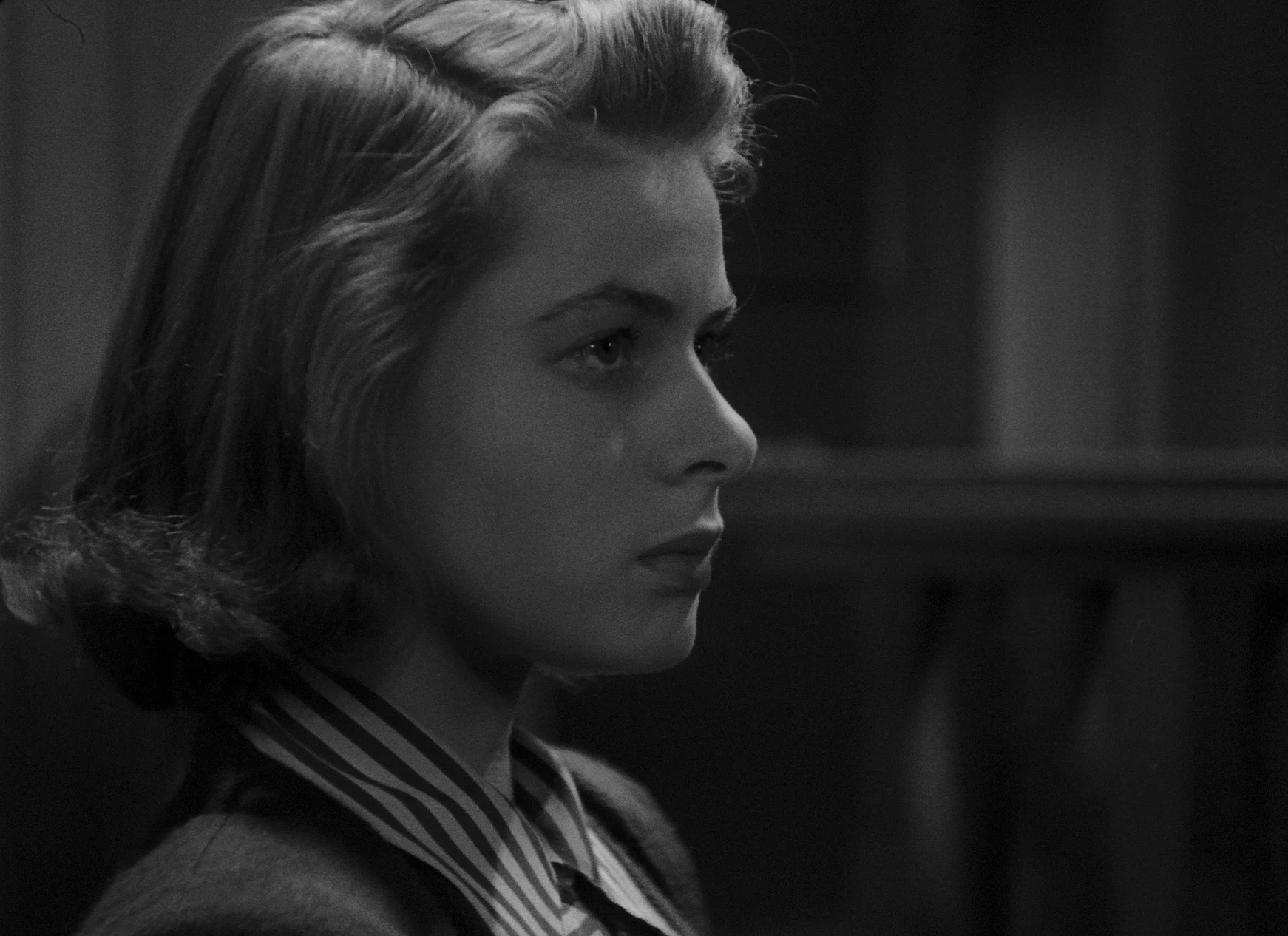
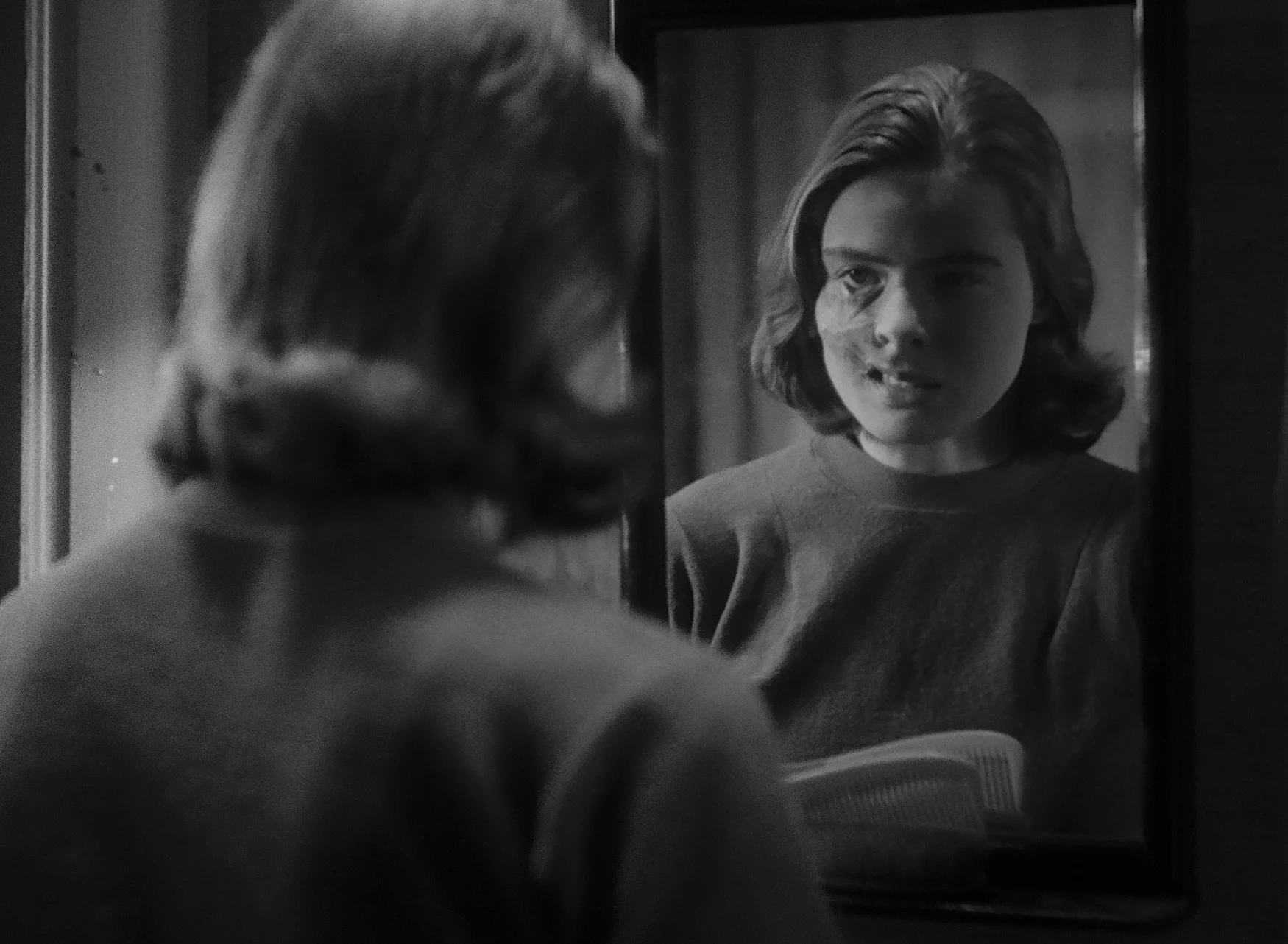
The first half of A Woman’s Face (1938) was well executed with Bergman playing against type as a brash criminal with a horrifying facial deformity. Unfortunately, this turns into an Eliza Doolittle scenario and plot unravels rather formulaically. It’s a great shame as it’s terrifically directed with strong performances from Bergman and her criminal posse. Stunning black and white photography for a film-noir precursor. Unfortunately, however, there was damage to various shots with unclear close-ups of Bergman and blotches and scratches on the film.
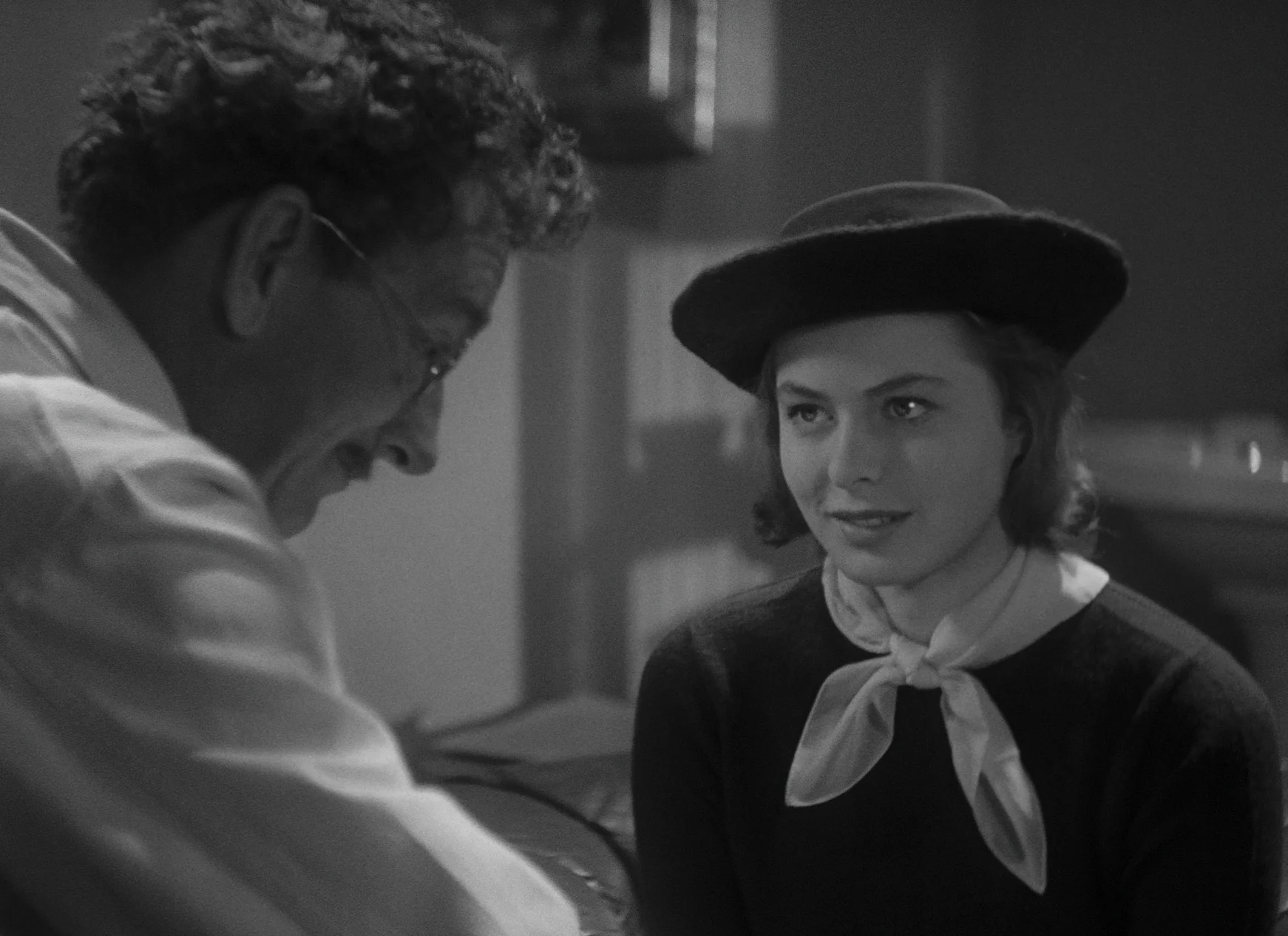
June Night (1940) seemed underbaked. It felt as if it needed a few more re-writes to figure out its focus and what the audience should take from the movie. There’s a central feminist message running through it but by the end, it’s not clear what the film is trying to say (and there’s a particularly confusing final line). The film comes alive whenever Bergman is given screen time but there are long stretches when she isn’t in the movie, and all the secondary characters are fairly dull and unengaging.
On the whole, two underwhelming and overlong pair of movies to kick off the collection. A wonderful showcase for Bergman, however, whose commanding and convincing presence proves herself a master of the art of melodrama.
New audio commentary on A Woman’s Face by noir expert Imogen Sara Smith, author of In Lonely Places: Film Noir Beyond the City
A Woman’s Case – new interview on the early career of Ingrid Bergman with film historian and critic Pamela Hutchinson
Cat Across the Road (Gunnar Skoglund, 1937) – short focused on filmmaking at Gamla Filmstaden in Stockholm, featuring an early appearance by Ingrid Bergman
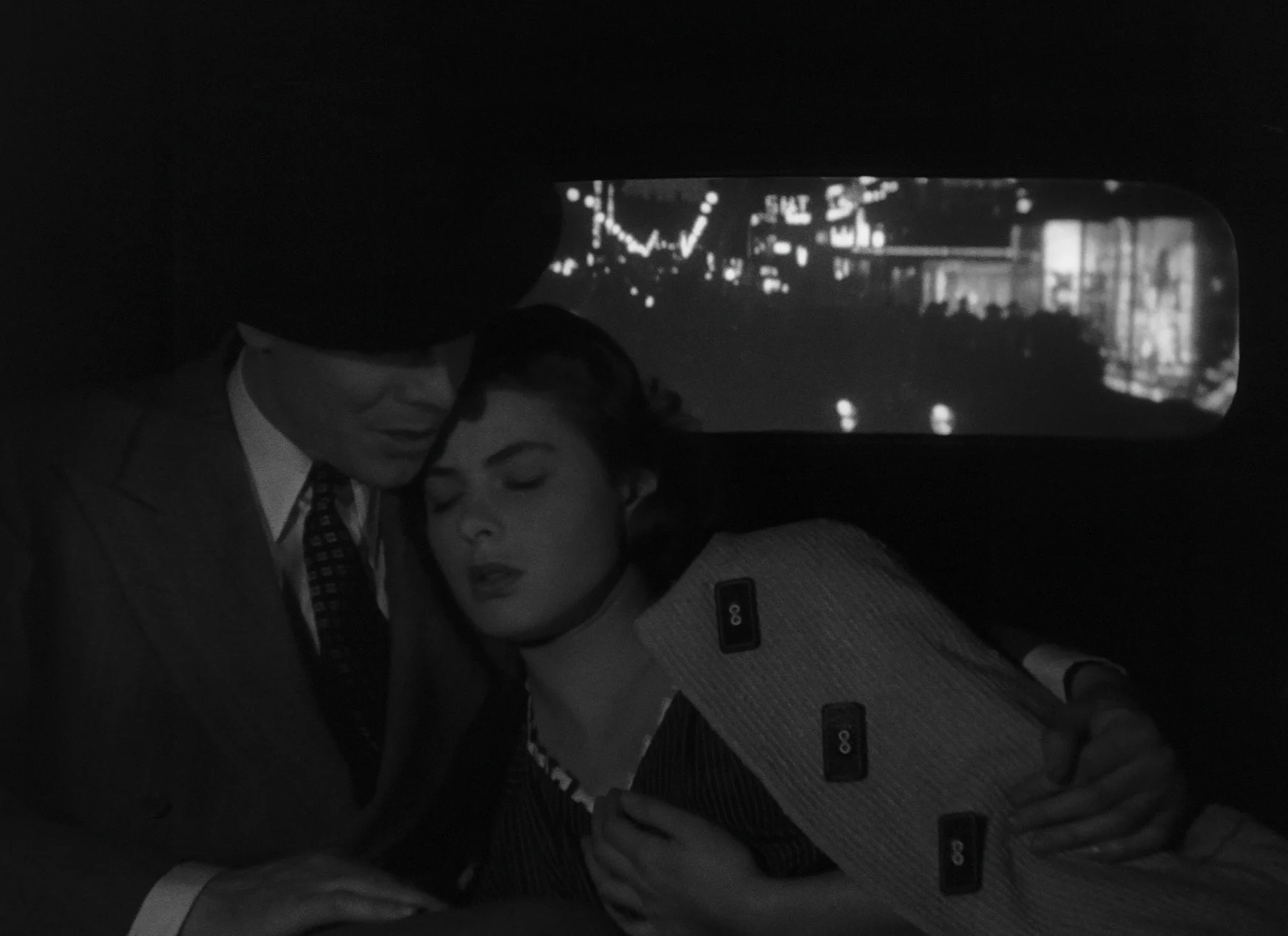
Imogen Sara Smith’s audio commentary for A Woman’s Face (1938) was fantastic. She delves into Bergman’s career and the other creatives involved, contextualise the history surrounding the film and Swedish cinema, argues how the film was a parable for the inner and outer self. Smith also comments on differences to the American Joan Crawford remake and how it influenced the ‘facial disfigurement’ subgenre of movies that came after it.
Pamela Hutchinson’s ‘A Woman’s Case’ is well told, giving an excellent overview of Bergman’s early career, and she breaks down key moments and themes on each of the feature films included on the disc, and argues why they’re film noir. Bonus short film Cat Across the Road (14 mins) was a highly amusing look at the process of studio filmmaking with beautifully restored footage.
Disc Two: While the Door was Locked (1946) and While the City Sleeps (1956)
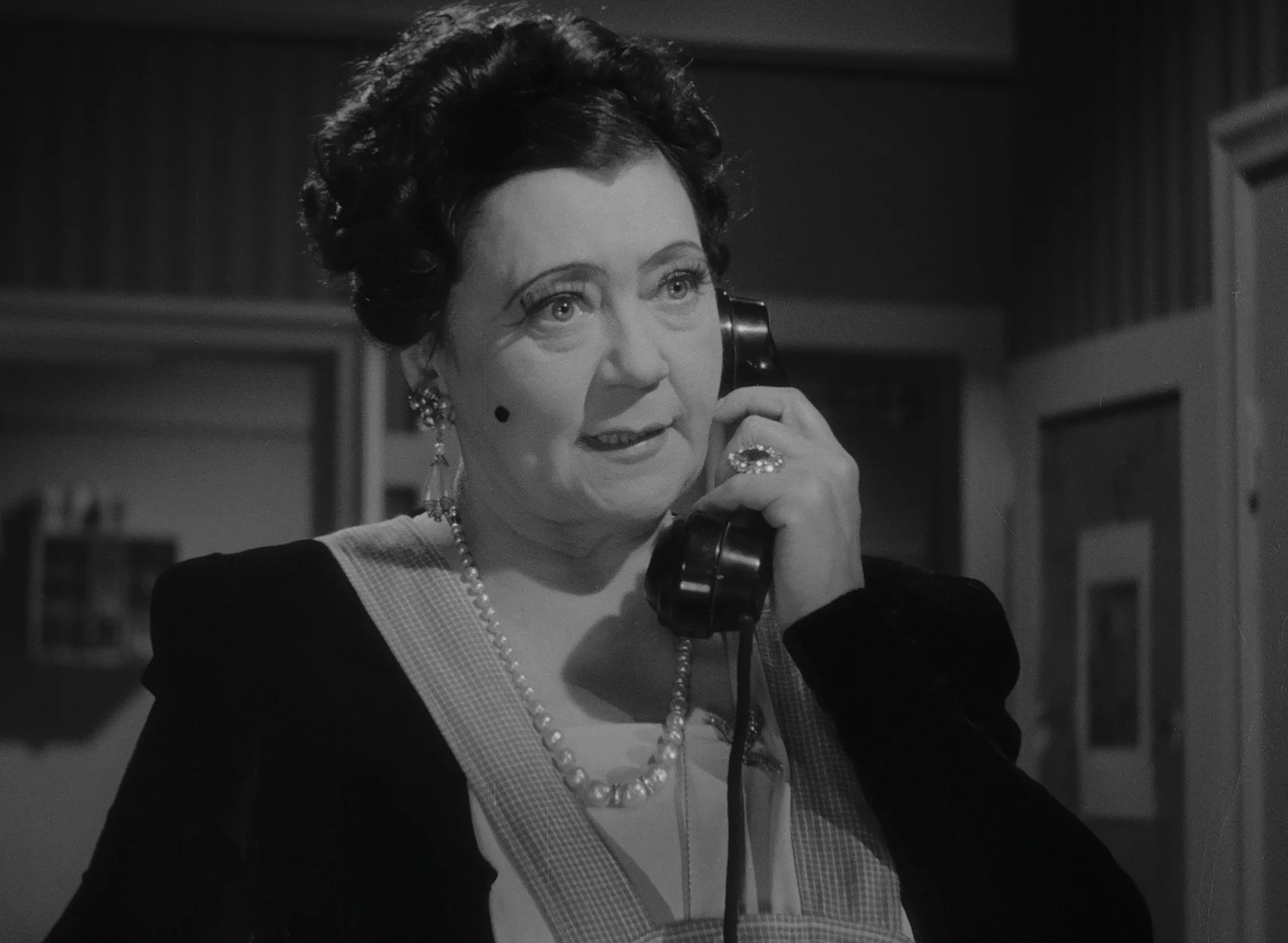
The second disc contains a pair of features along with an audio commentary and a video essay. These both have a more potent social commentary running through them than the rest of the films on the disc and are the clear standouts.
The most impressive aspect of While the Door was Locked (1946) is the seamless way the focus travels between the large ensemble cast. The movie is about tenants living in the same apartment building and one fateful night. It has the energy of a sad screwball comedy at times while remaining inherently dramatic. The focus does swiftly shift from each of the tenants, but it also dwells on each occupant and their relationship, allowing the film to breath in all the right moments.
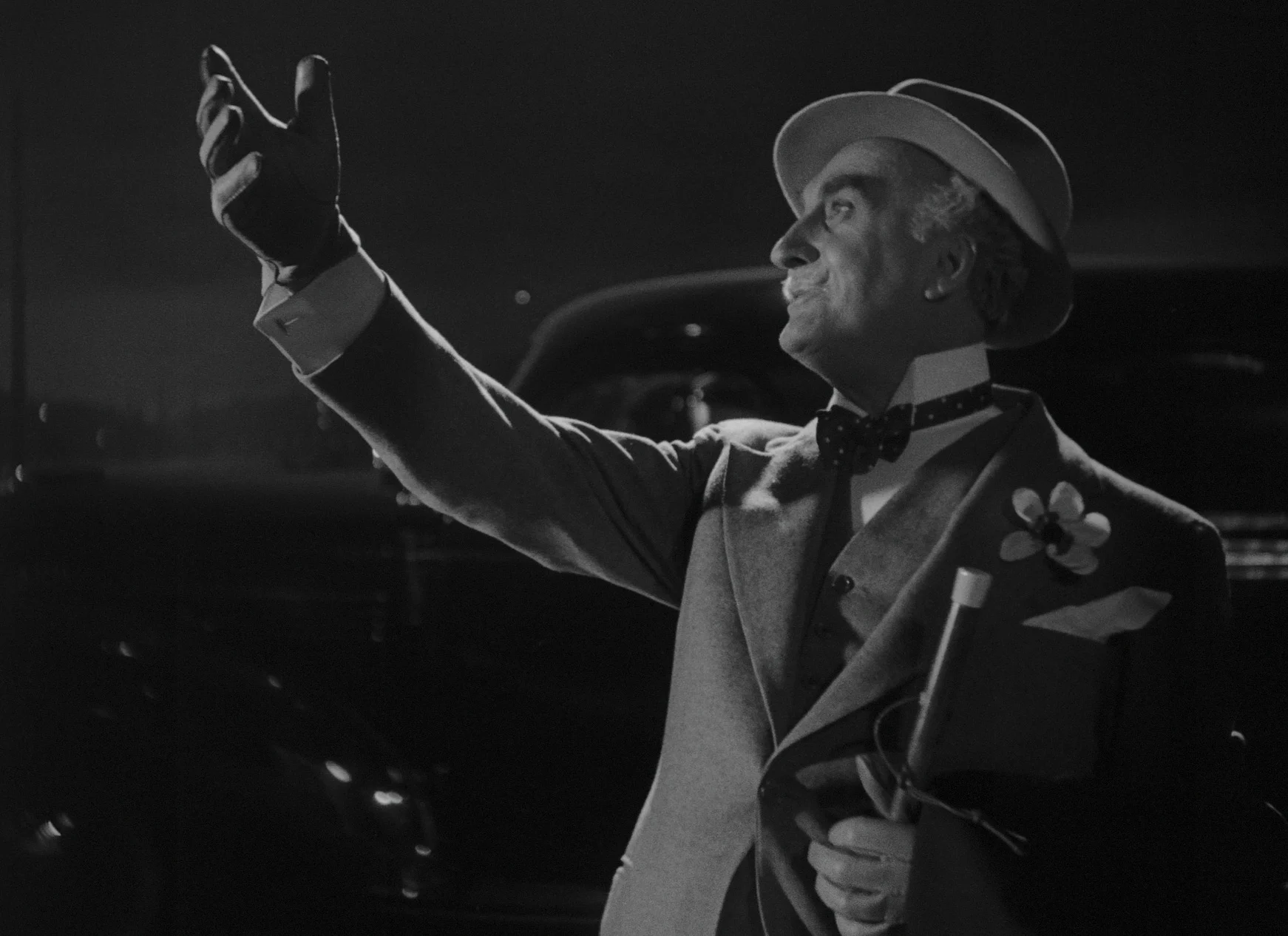
There’s a tragic and deeply engaging lead performance from seasoned Swedish comedienne Tollie Zellman who plays a washed-up ex-starlet now an aged alcoholic. There’s commentary on the welfare state, along with a progressive depiction of a prostitute who is portrayed as good natured and responsible with her earnings – which seems extraordinary for a film made in 1946.
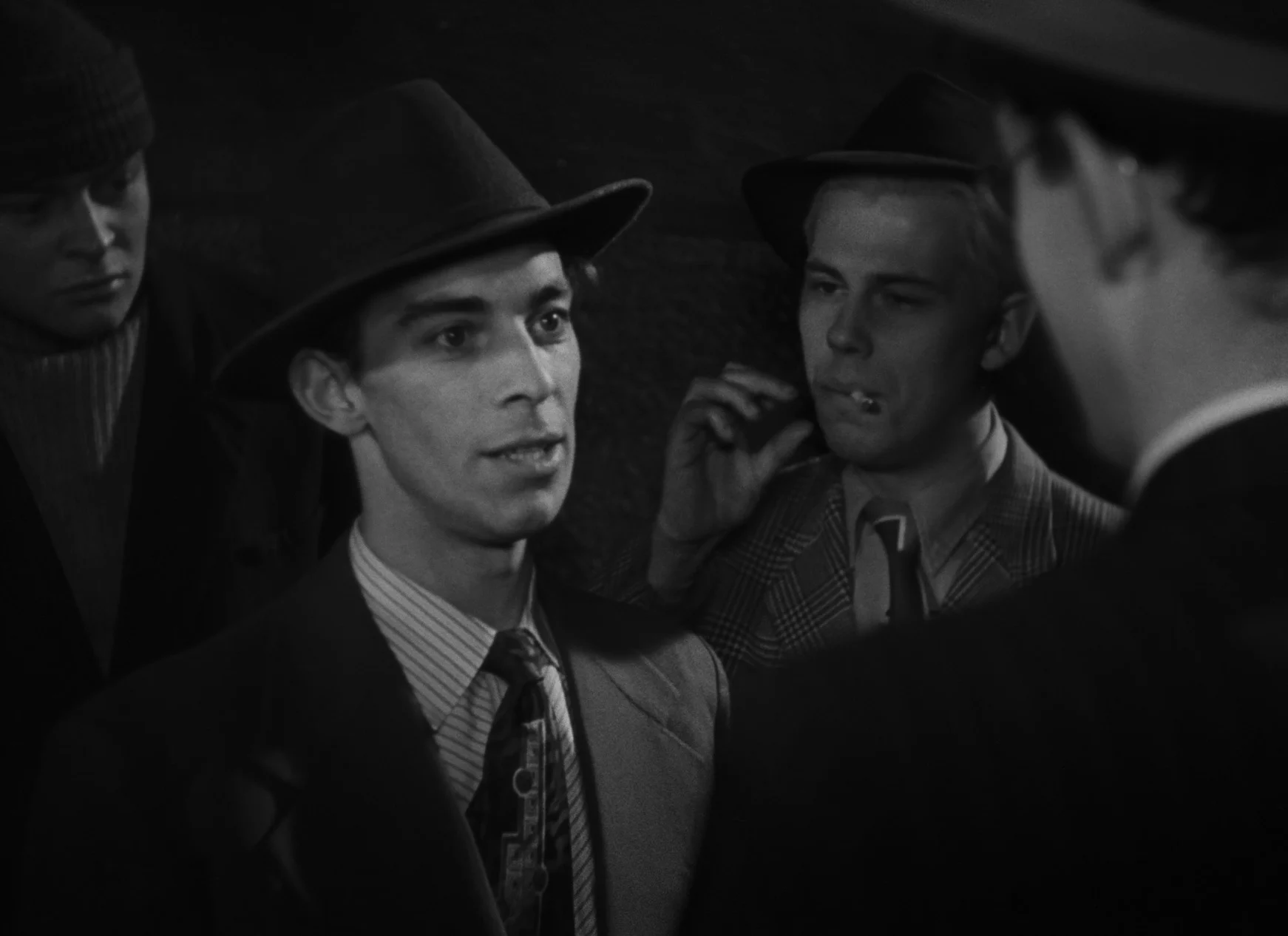
Brutal coming-of-age crime thriller While the City Sleeps (1956) was a the most advertently noir movie on the set (and the best film on the set by a wide margin). With hints of neo-realism, we follow a teenage criminal delinquent who acts despicably throughout the movie, robbing, burgling, and leaving his less committed friends to answer to the cops. This was a spectacular movie with a commanding lead performance from Sven-Eric Gamble who taps into the film’s rich nihilistic themes.
New audio commentary on While the Door was Locked by crime cinema expert Sergio Angelini, host of the Tipping My Fedora podcast
The Bad Die Young – new video essay on While the City Sleeps and juvenile delinquency in world noir by crime cinema expert Sergio Angelini
Crime cinema expert Sergio Angelini, host of the Tipping My Fedora podcast, provides the extras for these pair of movies. His audio commentary for While the Door was Locked is entertaining and analytical, acting in cadence with the fast-flowing pace of the movie. He speaks extensively about Hasse Ekman’s (Girl with Hyacinths) career and notes the director’s approach to long-takes. He also hones in on small details and easter eggs the viewer may have missed.
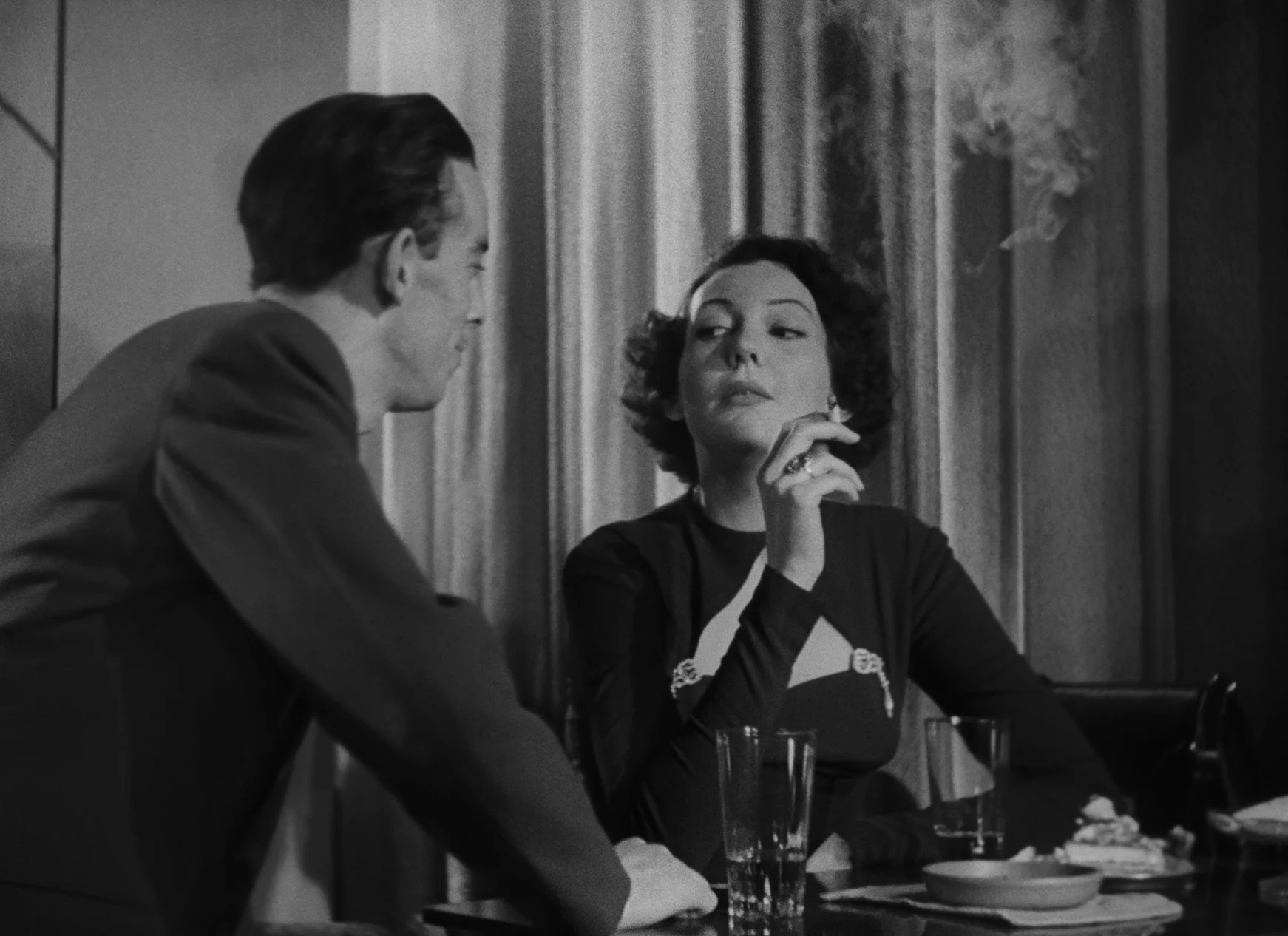
Angelini’s 25-minute video essay on While the City Sleeps was spectacular, he contextualises the movie by speaking about the rich history of teenage delinquent movie, going all the way back to literary texts, early exploitation films and contemporary influences. He also delves into analysis of the movie, drawing on shot composition, sets and noir motifs throughout the picture.
Disc Three: Hidden in the Fog (1953)
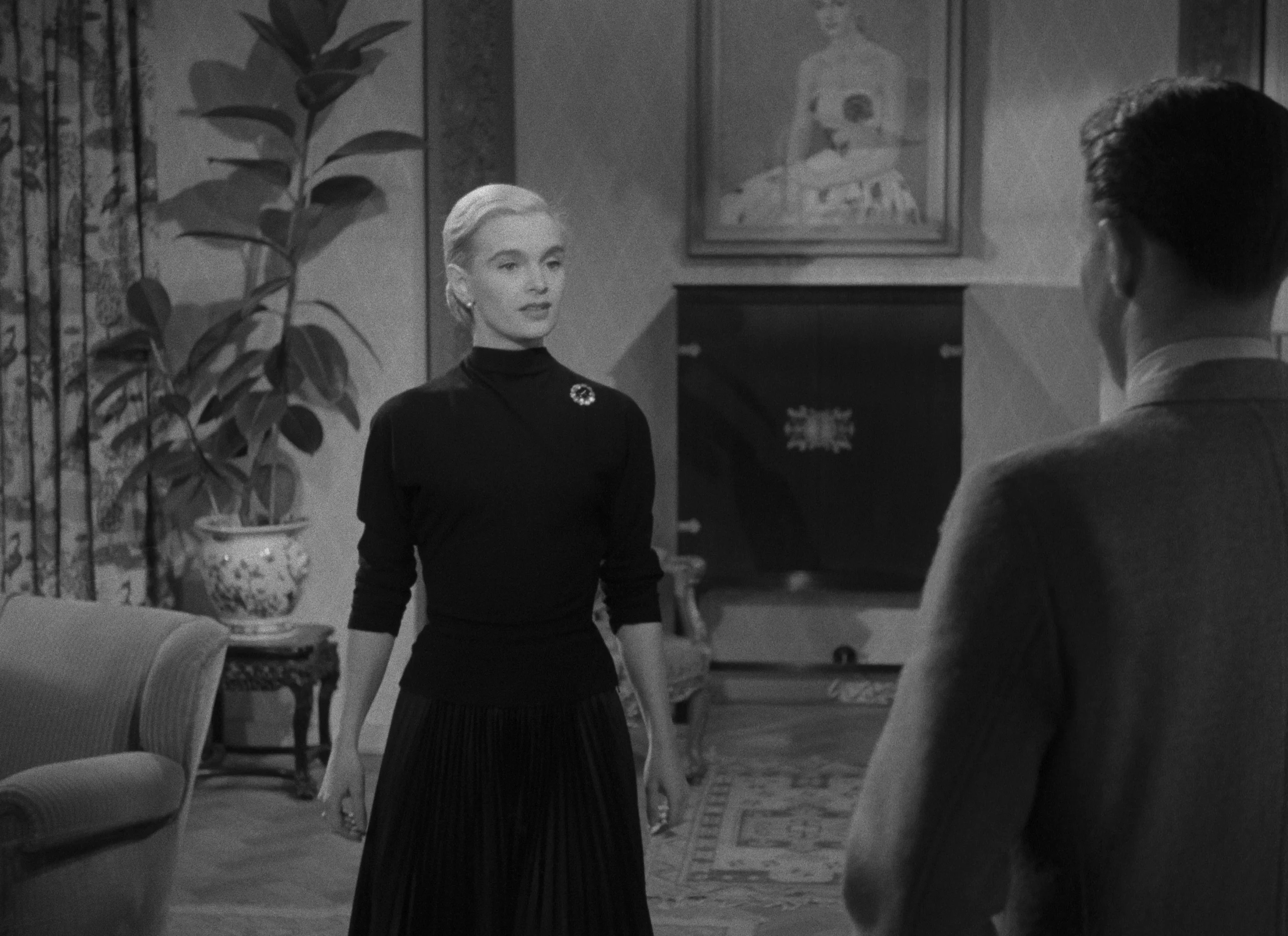
The final film on this Hidden in the Fog was another I felt wasted a great set-up and an explosive start. We’re thrown into this fast-paced thriller to begin with which feel eerily reminiscent of Laura (1944) with a shot in first-person perspective and our heroin, played by the striking Eva Henning (Girl with Hyacinths), is instantly on the run, suspected of murdering her husband. The film sadly devolves into quite a standard feeling police procedural, complete with all the main suspects sat around dinner table in build up to the big reveal. Real-life Swedish spy Sonja Wigert gives a memorable catty performance as the femme-fatale.
New audio commentary on Hidden in the Fog by film historian David Kalat
Stockholm Stories – new video essay on the depiction of the city in Swedish noir by film critic and author Mikaela Kindblom, director of the Filmstaden Foundation
Rhythm of a City (Arne Sucksdorff, 1947) – expressionist short depicting a day in 1940s Stockholm and winner of the 1949 Academy Award for Best Short Subject
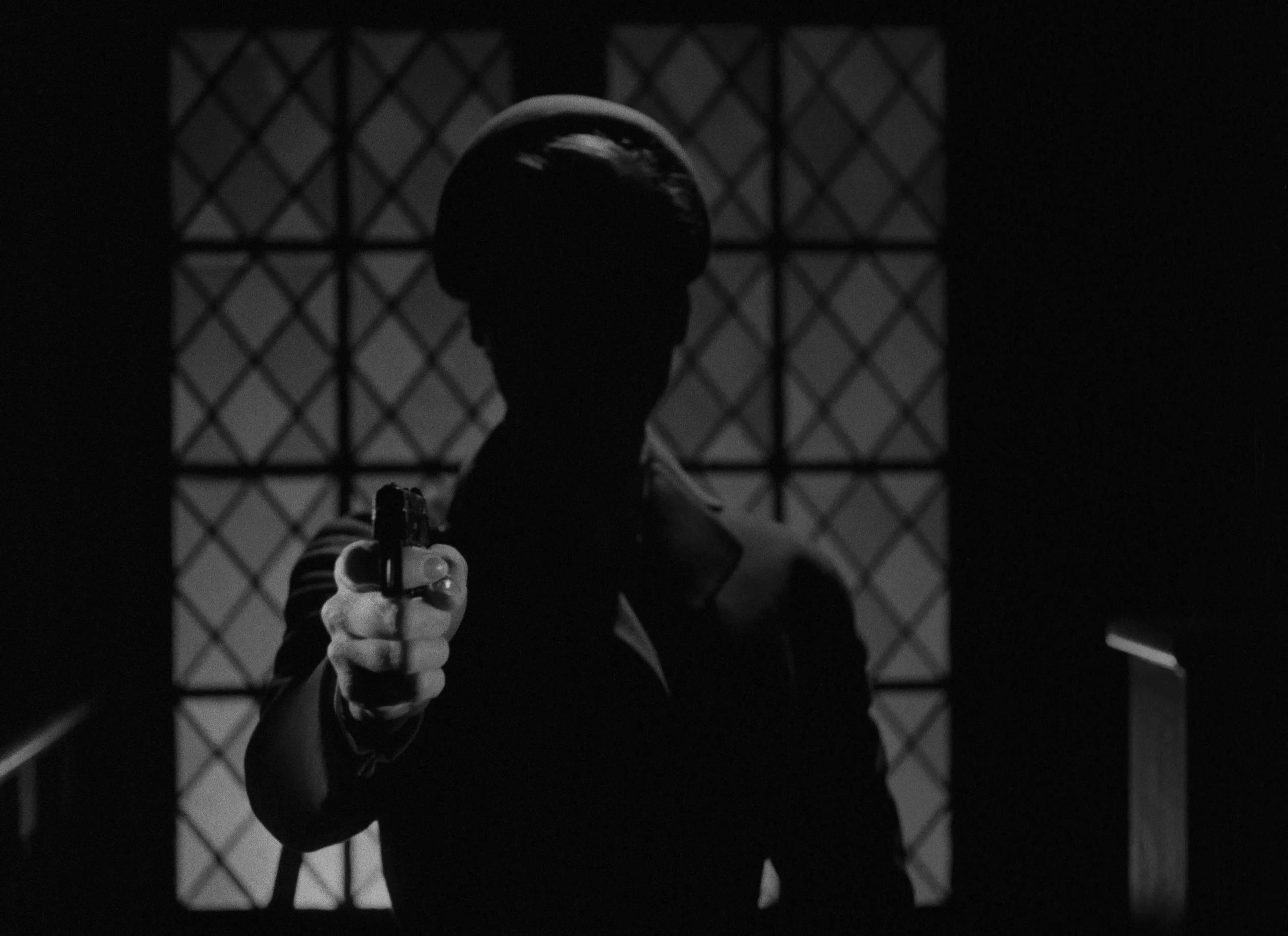
No Eureka Masters of Cinema boxset is really complete without a commentary from David Kalat. He’s the greatest film commentator around and can’t be matched for his seemingly effortless mix of humour and film history. His commentary tracks play out like a lecture and have become an experience I really look forward to, and often end up enjoying more than the actual films. He speaks in great length about the film’s comparisons to Laura, warning viewers to “do their film homework” and watch the 1944 American-noir before listening in as it contains lots of spoilers.
The way Eureka have ordered these final two extras features is strange. I’d advise watching the Oscar winning Rhythm of a City short film (17 mins) before viewing the ‘Stockholm Stories’ video essay as it analyses the former. The video essay acts as a great bookend to the set and features the first Swedish expert, which is great. Kindblom begins by analysing Rhythm of a City, highlighting how the city, undamaged by World War 2 due to Sweden’s neutrality, must have been refreshing for European viewers. She then analyses the main characters of each film and analyses the subtext running through each movie. Rhythm of a City while not the most exciting watch, made for some fascinating viewing.
Films:


Special Features:
The limited edition also includes:
Limited Collector’s Edition Box Set [2000 copies]
Limited edition hardbound slipcase and interior packaging featuring new artwork by Mute [2000 copies]
Limited edition 60-page book featuring a new extended introduction to the Swedish crime film by film scholar Fredrik Gustafsson and new notes on all five films in this set by film noir expert Barry Forshaw [2000 copies]
Eureka releases Stockholm After Dark on 23 November, 2026.