


Few science-fiction films have endings as satisfying as Terminator 2: Judgment Day. The T-1000 has been destroyed, Cyberdyne’s research has been wiped out, and the Terminator sacrifices himself to prevent his technology from falling into the wrong hands. Sarah and John Connor have seemingly succeeded in changing the future.
It’s an ending that feels remarkably conclusive. After everything the characters have endured, it’s easy to believe that Judgment Day has finally been prevented.
But is that really what the film tells us?
Rather than showing us a peaceful future, James Cameron leaves us travelling along a dark road, accompanied by Sarah Connor’s reflections on what lies ahead. Her words express hope. But they offer no guarantees.
So, has the ending of Terminator 2 been misunderstood? And could the much criticised events of Terminator 3: Rise of the Machines be more consistent with its predecessor than we might initially think?
Cameron actually filmed a much less ambiguous ending, known as the Future Coda. It features an elderly Sarah Connor sitting in a park, watching an adult John Connor, now a US senator, playing with his daughter. Sarah’s narration confirms that Judgment Day never happened and that humanity was spared the devastating war against the machines.
Had Cameron gone with this ending, there would have been little room for debate about whether Sarah and John had saved the world. It would also have made a direct sequel considerably harder to justify, given how conclusively the story would have been wrapped up.
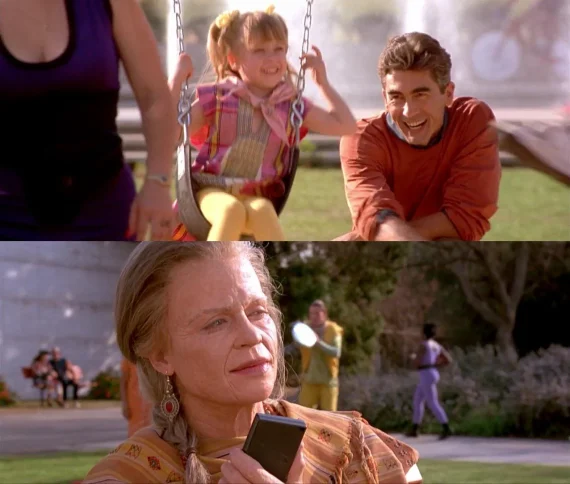
However, Cameron ultimately decided against using this ending. He felt that it was too sentimental and that the alternative, with its uncertain future, worked better for the film.
Instead, we have the familiar image of a darkened road, with Sarah’s voice accompanying the scene. She explicitly tells the audience that the future is unknown, but that she is facing it with a sense of hope for the first time.
Since Terminator 3‘s release in 2003, fans have continued to criticise the sequel for contradicting the supposed happy ending of Terminator 2. Some even go as far as to say that it reverses everything Sarah and John achieved!
But does it really?
The fact that Cameron chose the more uncertain ending, rather than one confirming that humanity had defeated the machines, suggests that Judgment Day deliberately left the future open. It doesn’t necessarily mean that Cameron intended further sequels, but it does mean that another filmmaker could explore what happened next without contradicting a future that had already been established.
In Terminator 3, we discover that the original date of Judgment Day, August 29, 1997, had passed without incident. Sarah and John’s actions had apparently made a difference after all. However, Skynet eventually emerges through another route, and Judgment Day takes place in 2004 instead.
Admittedly, there is a problem with Terminator 3‘s suggestion that Judgment Day was inevitable. This arguably goes against the philosophy of Terminator 2, which places considerable emphasis on the possibility of changing our fate.
But there is a difference between contradicting a film’s underlying message and contradicting what actually happens in its story. The theatrical ending of Terminator 2 never establishes that humanity has permanently escaped the threat of Skynet.
Terminator 3 may not be as good as its celebrated predecessor. But perhaps it doesn’t commit quite as many sins as it is often accused of committing.
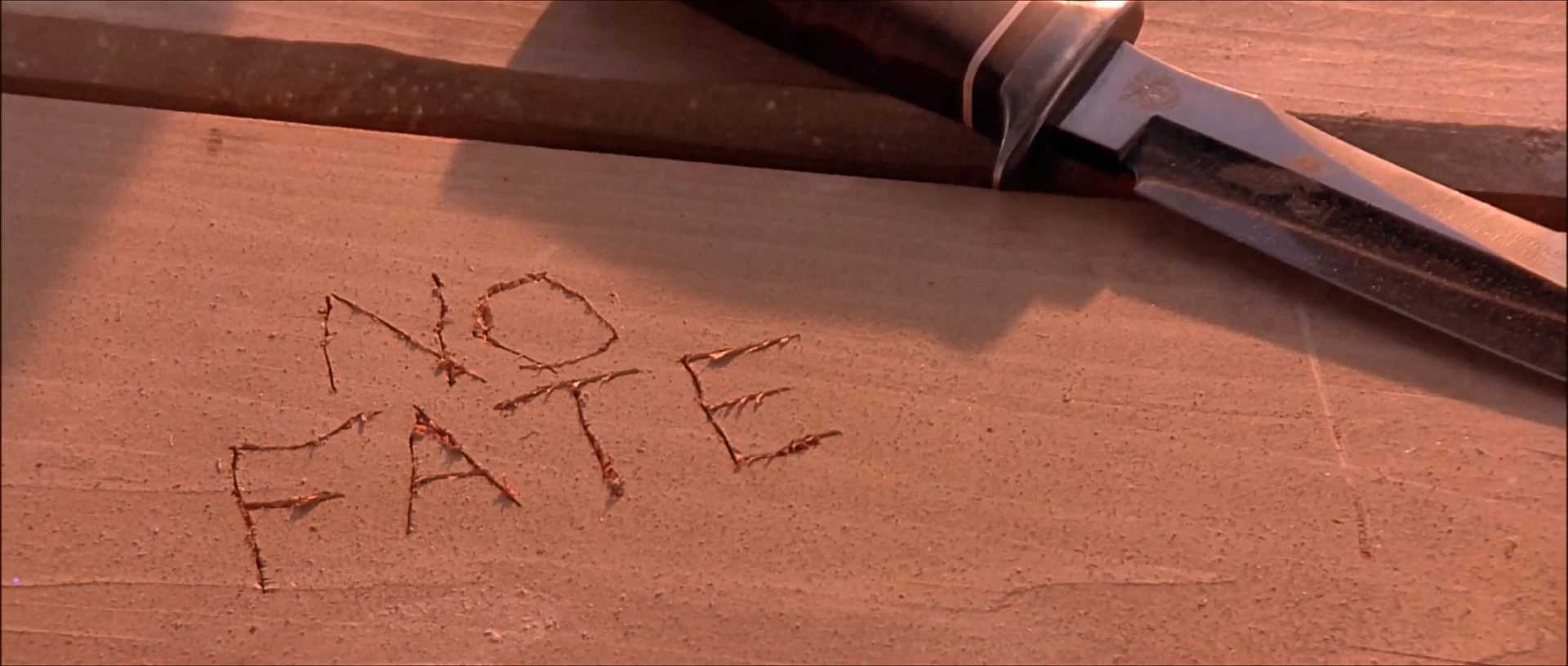
Terminator 2 tells the audience that the characters’ own choices can change the future. That much is clear from its emphasis on the message of “No fate but what we make.” But it doesn’t make any promises, either.
Sarah’s final words are also worth remembering. Her newfound hope comes from witnessing a Terminator learn the value of human life. It isn’t based on any knowledge of what the future holds.
Hope and certainty are not the same thing.
Perhaps that’s why Cameron chose to leave us travelling along a dark road rather than showing us what lies ahead. Sarah Connor doesn’t know whether Judgment Day has been prevented.
And neither do we.