



Director: Tony Scott
Screenplay: Phoef Sutton
Cinematography: Darius Khondji
Starring: Robert De Niro, Wesley Snipes, Ellen Barkin, John Lithgow, Benicio del Toro
Year: 1996
Duration: 116 mins
Country: USA
Rating: 15
Watching The Fan is unlike anything I was expecting from the film. I knew it was a big box office flop of its day and I’d always been curious about how a Tony Scott thriller might sit with Robert De Niro in full, outer-limits intensity. Would it be too much?
There is also more than just a little similarity in the film’s plot with Martin Scorsese’s The King of Comedy (1982), and I was expecting a 1990s-flavoured echo of that film’s celebrity-fan obsession.
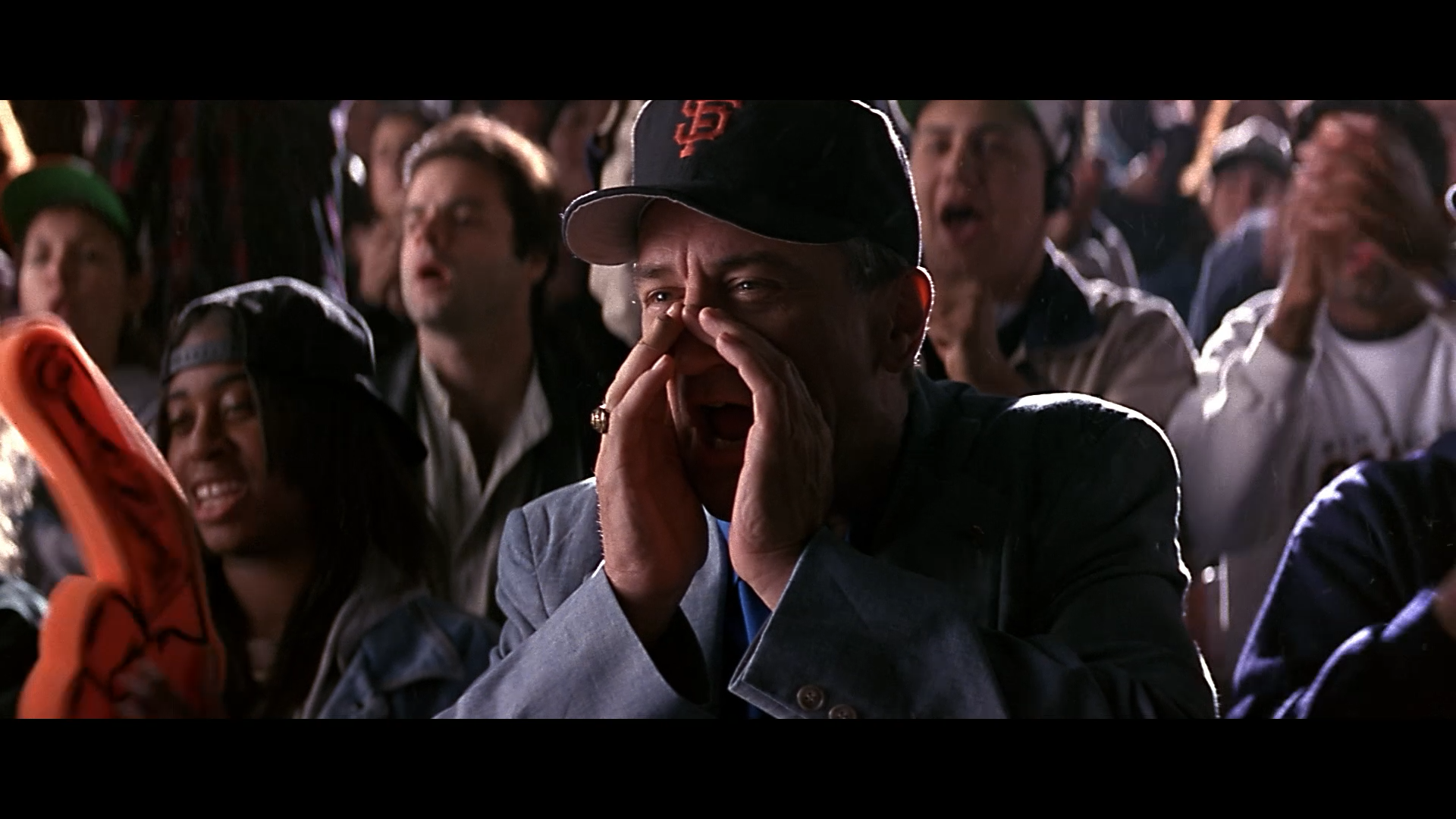
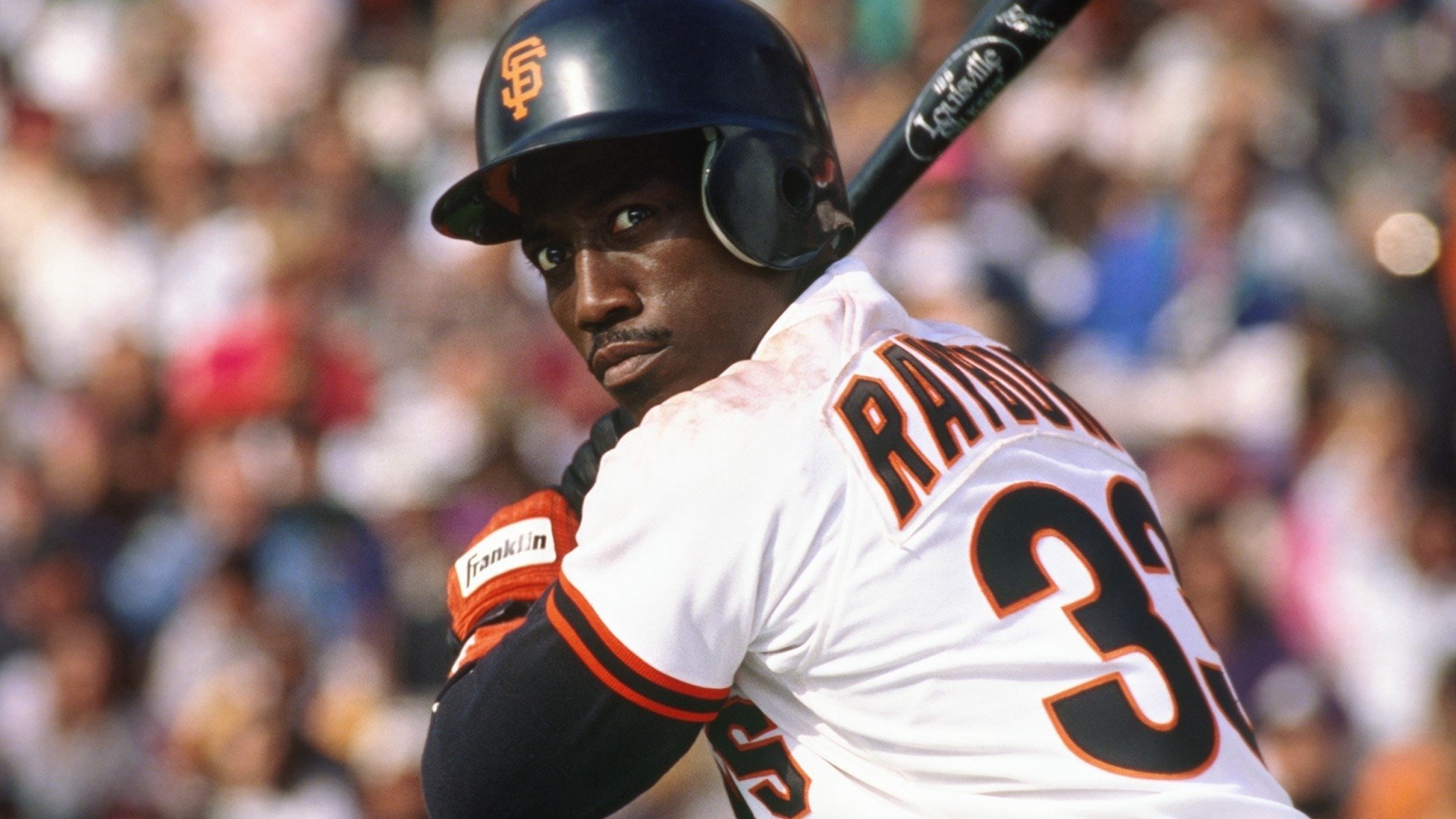
That is essentially what we have here. Gil Renard (De Niro) is a failing knife salesman and also an obsessive fan of the San Francisco Giants, and at the start of the film, is particularly excited that they have signed his favourite player for $40 million, Bobby Rayburn (Wesley Snipes). However, the second Bobby arrives at the Giants, his and Gil’s lives begin on a downward spiral. Bobby isn’t allowed to wear his lucky number 11 jersey. That honour has fallen to the young up-and-comer Juan Primo (Benicio del Toro). Without the number, Bobby fails to live up to the fans’ expectations and hits a dry spell. Gil’s life is also unravelling as his ex-wife obtains a restraining order after he leaves his son alone in order to try and secure a big contract for his job. He loses his son and his job in the process.
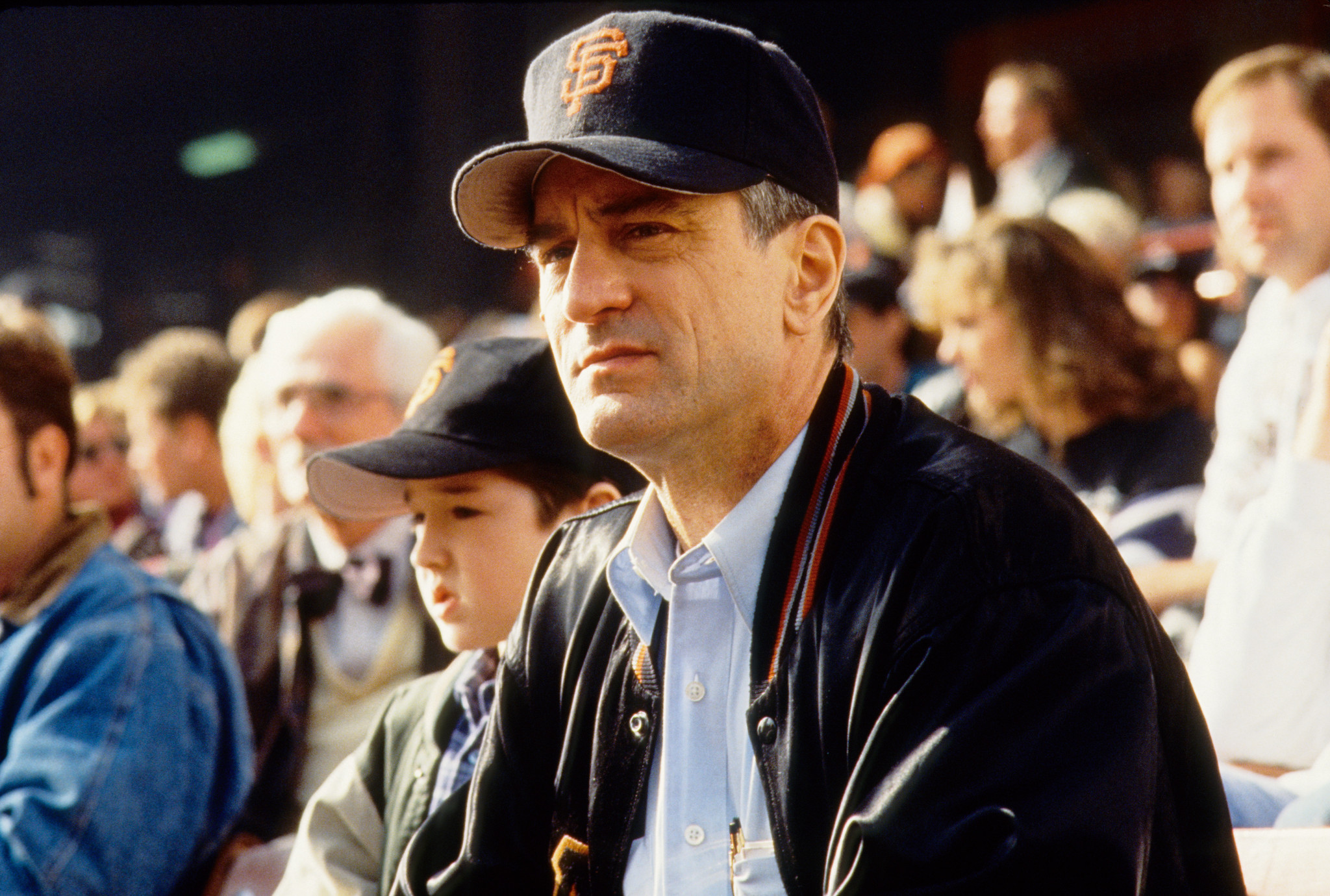
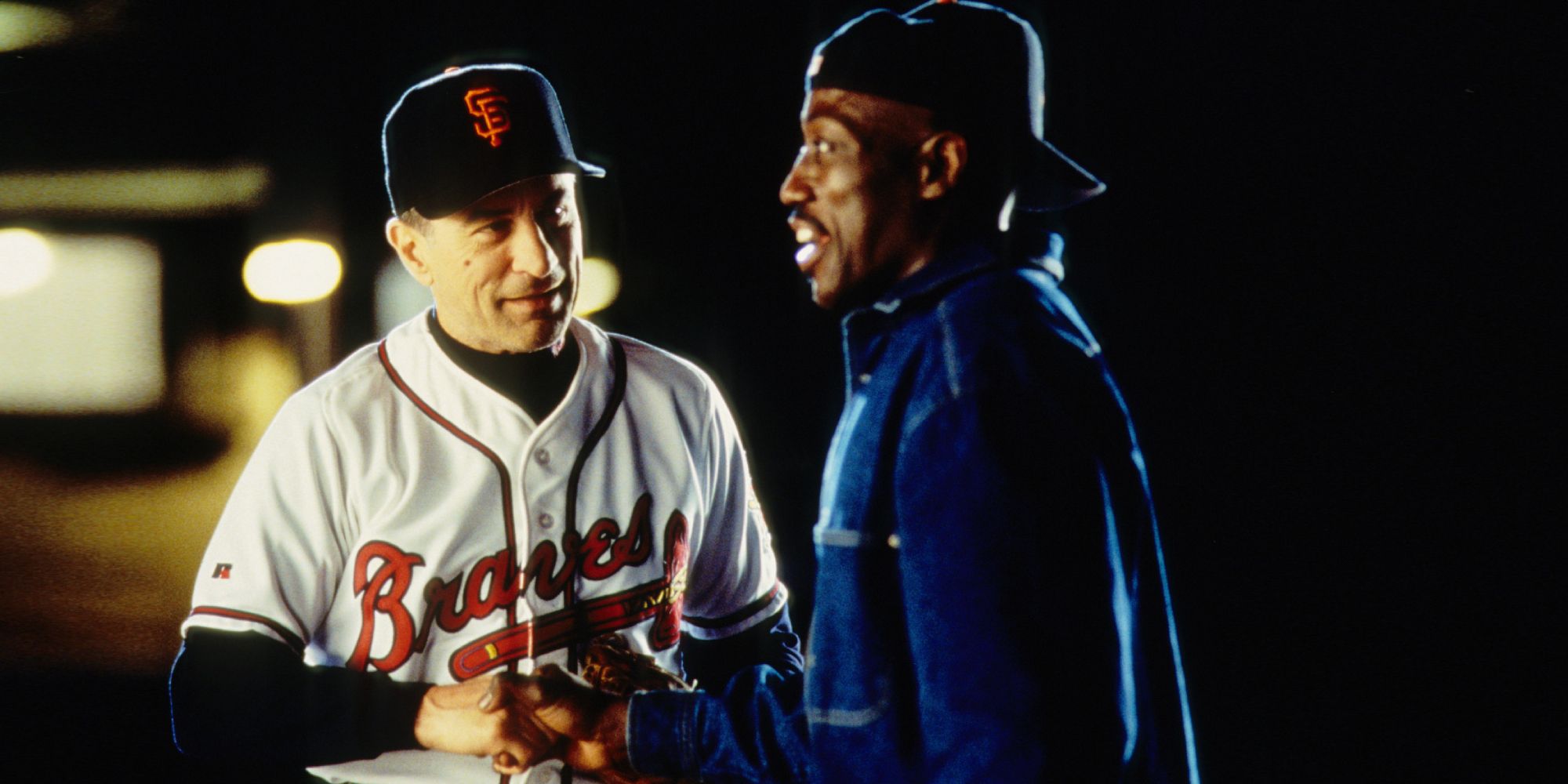
The only way that Gil can see his life improving is if he manages to get Bobby’s game back on track. This desire will bring Gil and Bobby together in ways that neither of them can recover from.
Tony Scott is a director that, like his brother at times, gets so caught up in the technical wizardry of filmmaking that he forgets to focus on how the audience will connect to the story. From that Film4 interview, it seems like Scott wasn’t particularly interested in the story, and unfortunately, it shows. Whatever the behind-the-scenes story, the film often plays like a director chasing pure momentum and texture first, and character access second — a risky ordering when the lead character needs at least a crack of vulnerability for the audience to hold onto.
This disconnect between Scott and the story he has on the page plays out like a gladiatorial fight to the death. Buried deep within the film is a story about a baseball fan that, due to life’s extenuating circumstances, has brought him to breaking point. However, the problem is we never really get to see the softer side to Gil Renard. De Niro’s other extreme-on-the-edge characters like Travis Bickle or Pupkiss have moments where we get to see how they feel so small and helpless in their world that, as a cry for attention, they lash out in horrible ways. Renard, on the other hand, is crazed from the moment we meet him, and his subsequent actions only make sure that the audience dislikes him even more. Couple that with Scott’s frantic camera work and quick cutting, and you’ve got a recipe for a real mess of a film.
Scott seemed to be using this film as an experiment to see if he could shoot a thriller like a music video. Reinventing the slow and steady 1970s conspiracy thrillers into something that would work on MTV. He didn’t have a baseball game in mind, however; instead, he was working up to an idea he’d refine more cleanly in Enemy of the State (1998).
The film is not without its merits, however. Both De Niro and Snipes, in particular, give good performances even if this would mark the moment where De Niro’s might at the box office started to falter. Snipes is genuinely likable by the end of the film as we see him become less concerned about public opinion and letting go of his perfectionist hangups. The score by Hans Zimmer, as well, is certainly something that this film couldn’t do without. Zimmer gets many occasions to really flex his experimental musical muscles, mixing electronica with hip hop. It doesn’t always work, but that’s the story for the whole of the film.
When researching for the film, there is very little material out there. There are reviews from the time, none of which are particularly favourable, and the modern critical footprint still feels oddly thin for a film with this many big names attached.
Sadly, the disc is very slim on special features as there is only a trailer included which is interesting to see all the alternative shots that feature nowhere in the finished film. There is sadly no booklet. The image is pristine, and so I cannot knock the presentation of the film. It’s surely never looked or sounded better, although some of the music in the film feels slightly hollow, but I think that is a choice to try and match the car radio it’s coming out of.
The Fan has flashes of truly brilliant technical filmmaking and deep character performances; however, it very rarely manages to bring all its disparate pieces together to make a satisfying feature. Watching it is such a strange experience filled with prominent names at the top of their powers that it’s sad that there isn’t more context for why this film failed so spectacularly when it was released. Surely there must be a few fans of the film that were willing to write an essay extolling its virtues? That job, it seems, must fall on the viewer and this reviewer.
If you are indeed a fan of the film then please share your thoughts in the comments