


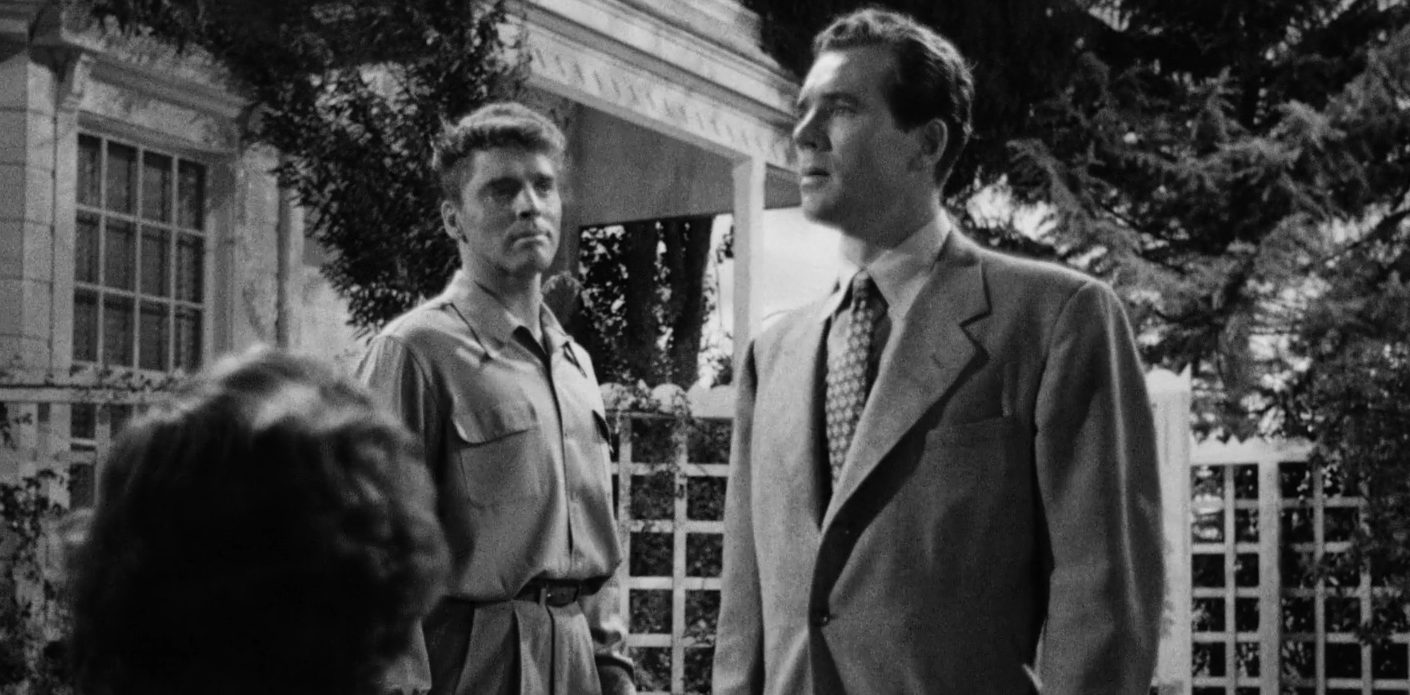

Director: Irving Reis
Screenplay: Chester Erskine
Cinematography: Franz Planer
Starring: Edward G. Robinson, Burt Lancaster, Mady Christians, Howard Duff
Year: 1948
Duration: 94 mins
Country: USA
Rating: PG
Arthur Miller’s All My Sons is a story that refuses to date. Built on a post-war America that wants to look forward but keeps getting dragged back by the profiteering that surrounds armed conflict, even its most domestic scenes carry the moral bite of a tribunal. Not because the play hunts for a single villain, but because it keeps asking who benefits when the machinery of war rewards the already powerful. That the play arrived in 1947 and still feels like a live wire is not, unfortunately, a testament to Miller’s prescience so much as to the durability of its subject matter.
Irving Reis’s 1948 adaptation shifts the blame from structural capitalism onto personal moral failure, which softens Miller’s edges somewhat, but the tension survives the translation. Set largely within the Keller home and its sunlit, ordinary routines, neighbours drift in and out, small talk and family optimism repeatedly reassert themselves, and yet every conversation still circles back to the same absence: Larry Keller, missing in action, and the question of what the family owes to a son who may never return.
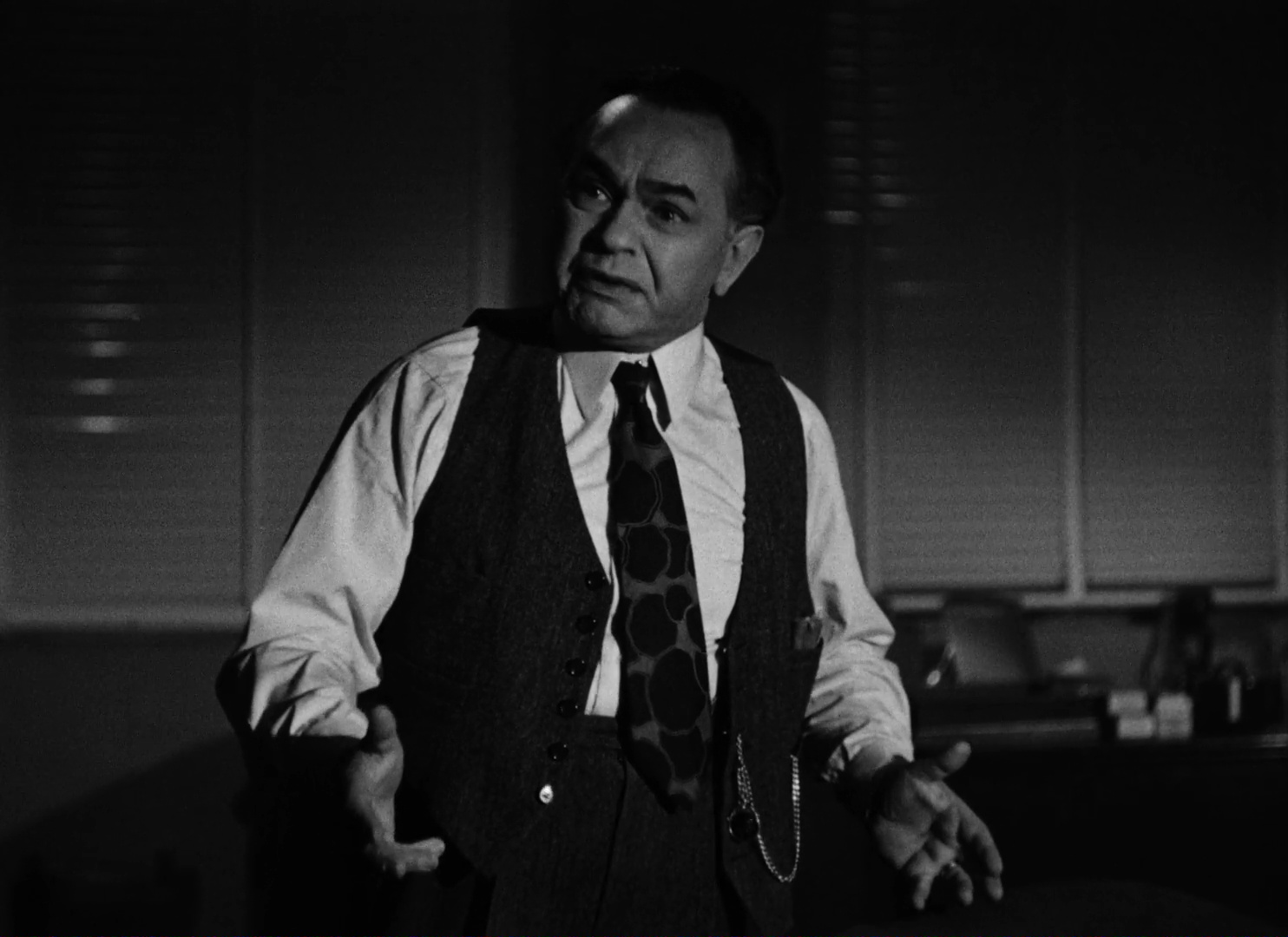
In the dual leads, Edward G. Robinson plays Joe Keller with a guarded solidity that gradually curdles into something harder and more desperate, while Burt Lancaster, in one of his early and most interesting performances, makes Chris feel like a man caught between loyalty and an awakened conscience. The physical mismatch between the pair wasn’t lost on producer and screenwriter Chester Erskine, who reportedly quipped that casting Lancaster was like “casting Boris Karloff as a babysitter.” It’s a cruel joke, but a revealing one. The contrast between Robinson’s compact force and Lancaster’s open, searching intensity becomes a key part of the film’s dramatic pressure, and I completely believe that, despite the difference in stature, Robinson’s Joe could bully people into doing whatever he needed them to do. The authority is entirely internal, and he projects it without apparent effort.
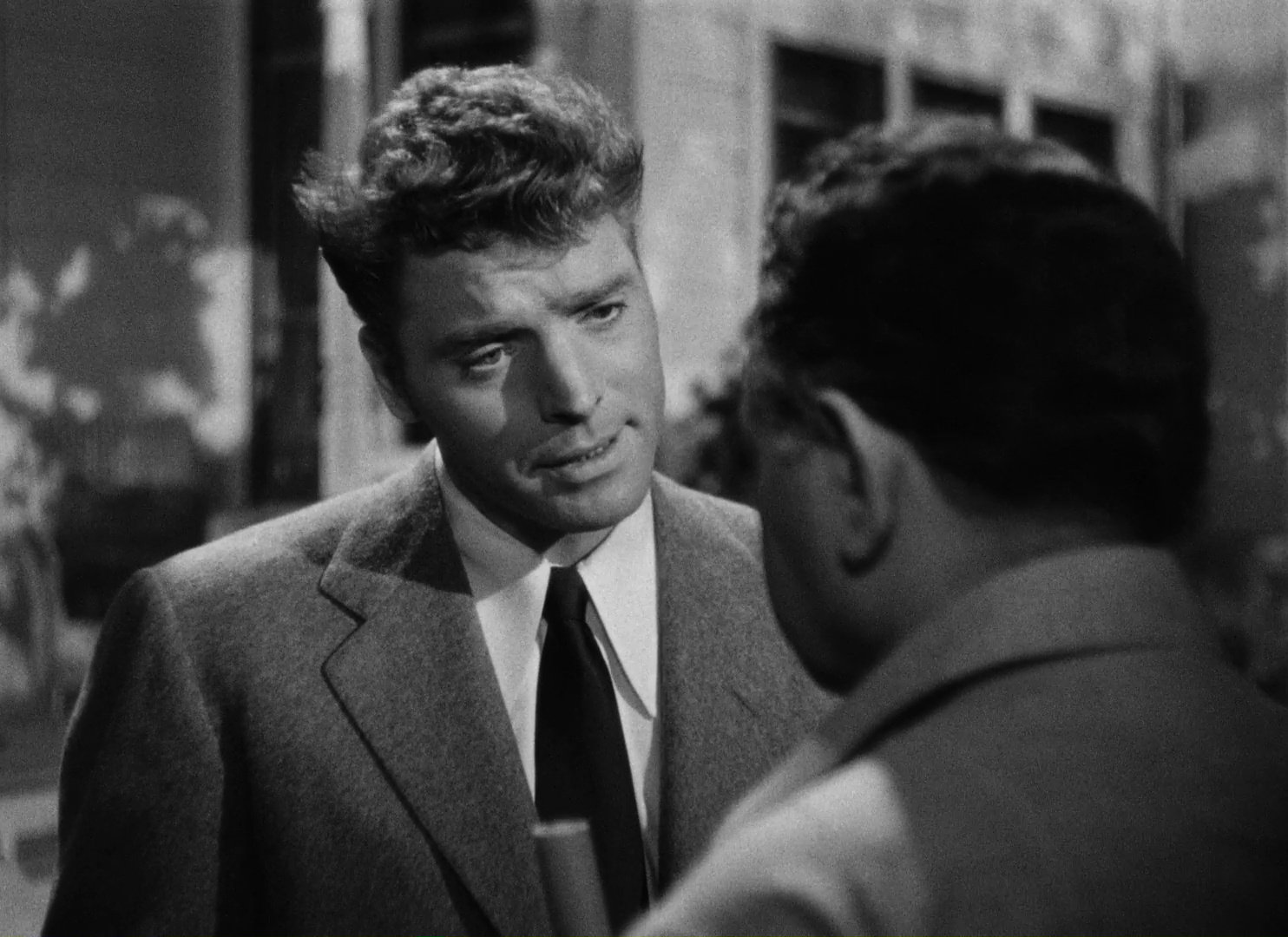
The production context only sharpens the film’s themes. Made during the early rise of the Red Scare and the growing influence of HUAC, All My Sons sits at an uneasy intersection of American self-mythology and political panic, and the irony is almost too pointed to be comfortable. A film about a man whose crime is retrospectively and publicly exposed, made while Robinson was himself under FBI surveillance. The costs, as always, were not evenly distributed. Robinson and Lancaster both navigated the period. Mady Christians, who plays the mother, did not. Blacklisted in 1950, she died the following year at fifty-nine, and some attributed her death directly to the persecution.
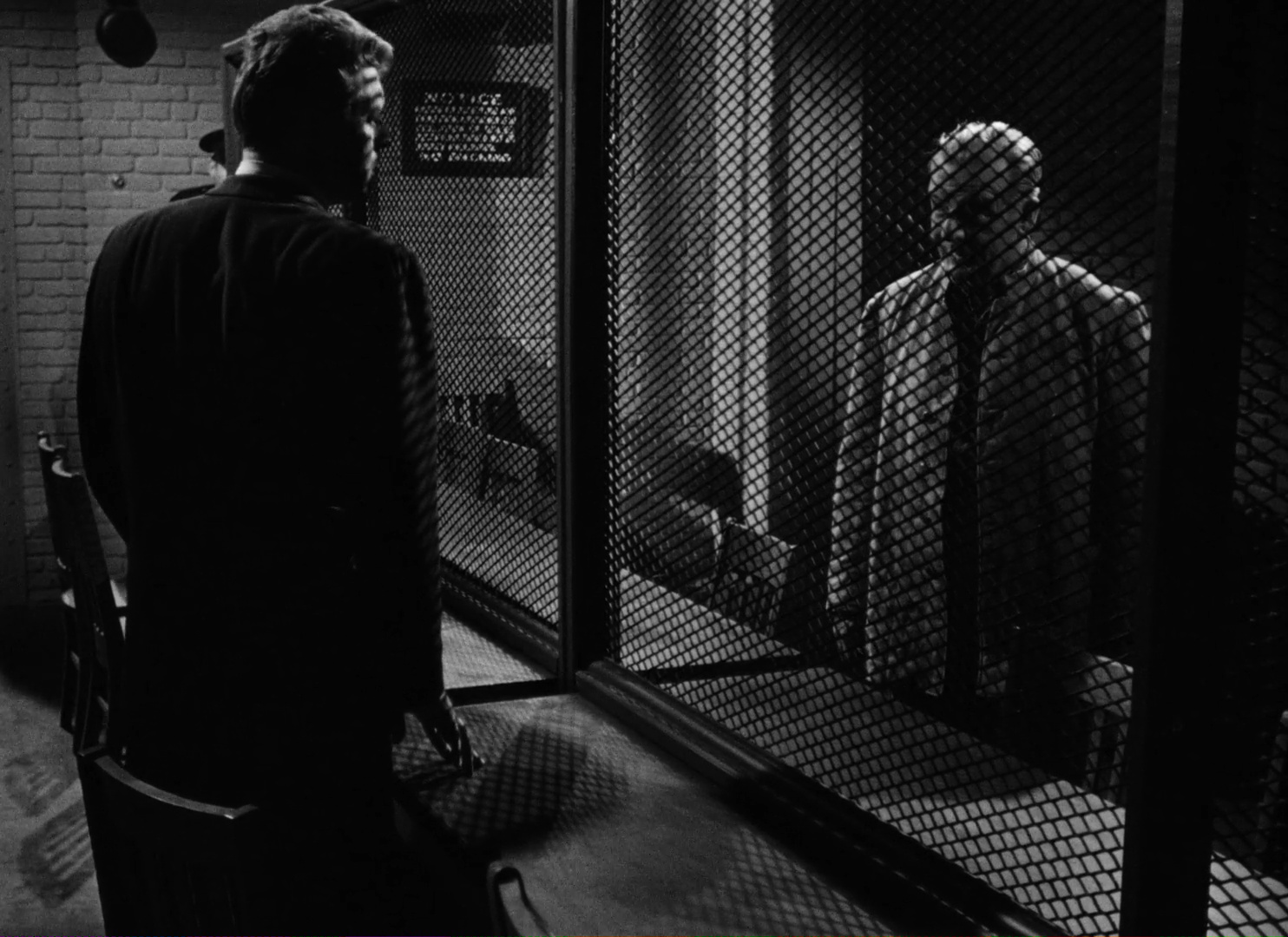
Transferring a claustrophobic stage play to screen is never straightforward, and Reis’s direction is not particularly standout, though that is partly by design. He keeps the camera in service of the performances rather than competing with them, which is broadly the right call. The excursions beyond the Keller home, factory sequences and a prison visit for a character who never appears in the original play, feel more dutiful than inspired, as though the production felt obliged to justify the change of medium without quite knowing how. There is, however, one camera move that genuinely earns its place: the gliding shot that follows George (played by Howard Duff) into the Keller home, carrying him into the scene with something no stage could do. It’s a brilliant moment, and it quietly announces everything that character is about to do to this family.
Indicator’s edition arrives at a moment when All My Sons continues to circulate beyond the screen. The play is currently in revival in London with Bryan Cranston, and the story’s questions remain brutally current: what does a comfortable life cost, who is asked to carry that cost, and what happens when a community decides that looking away is simply the price of peace.
The disc’s headline special feature is an audio commentary with critics Glenn Kenny and Farran Smith Nehme (2026), a lively conversation that takes in the original stage play, Arthur Miller’s career, and the context of the film’s release. Also included are two 1949 radio adaptations with returning cast, both trimming the story to between half an hour and just under an hour. These are a genuine pleasure: you hear what gets cut, how the material is shaped for the medium, and there is something charming about the highly scripted small talk and the occasional adverts breaking up the drama. Crucially, both adaptations are drawn from the film rather than the stage play, which makes them an interesting document in their own right. Edward G. Robinson features in one, Burt Lancaster in the longer of the two.
The disc is rounded out with the original theatrical trailer and an image gallery. Also included is a 36-page booklet featuring a new essay by Philip Concannon, archival interviews on the film’s production, a look at Miller’s original play, and full film credits. It is a strong package for a film that has spent too long in the margins.
All My Sons is not a perfect adaptation, and Reis never quite unlocks the full darkness of what Miller put on the page. But the performances are exceptional, the production history adds a layer of tragedy that the film itself could never have anticipated, and Indicator have done right by it. If the film’s questions about complicity and cost feel uncomfortably familiar, that is, once again, not a coincidence.