


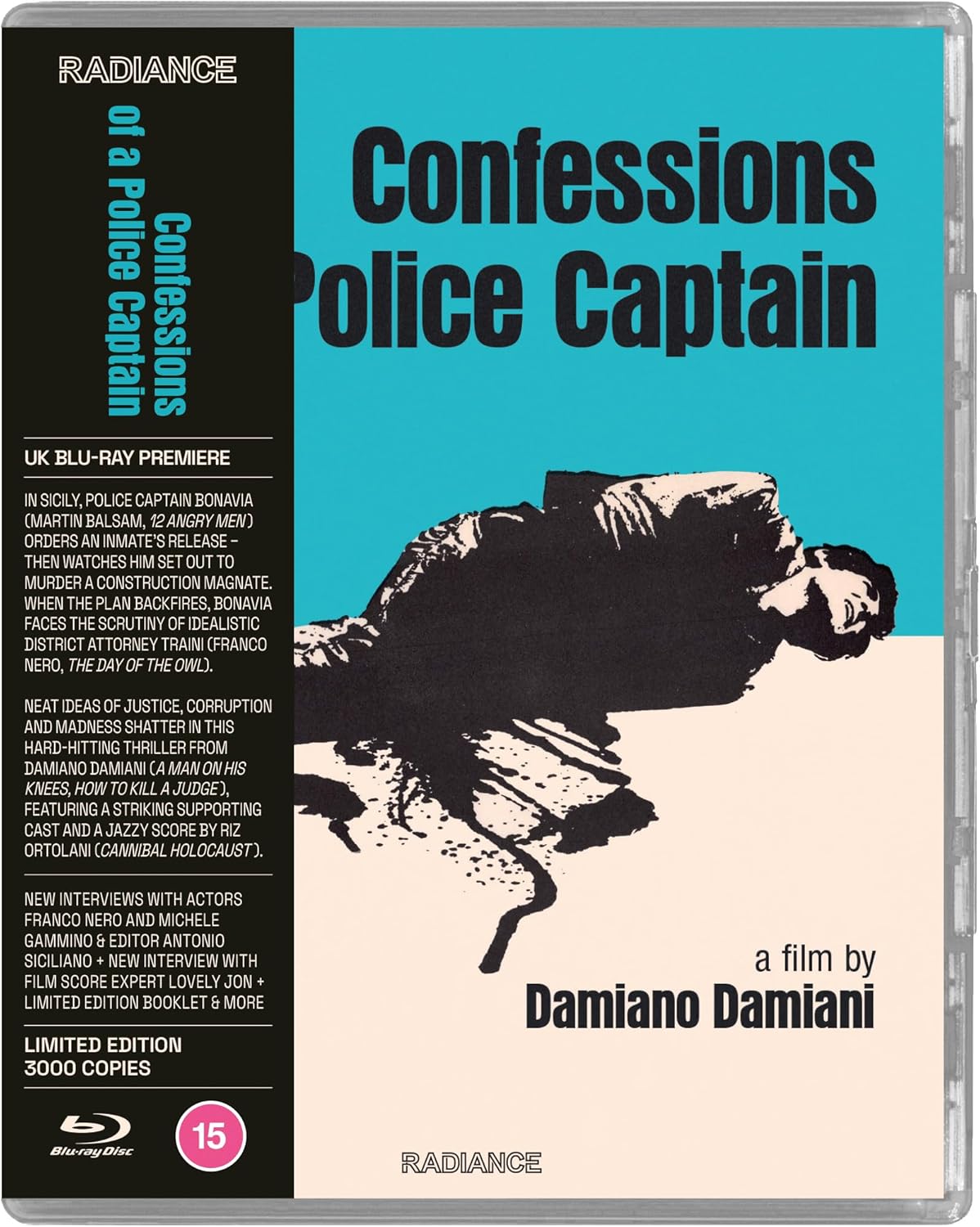
 Director: Damiano Damiani
Screenplay: Damiano Damiani, Salvatore Laurani
Based on a Story by: Damiano Damiani, Fulvio Gicca Palli
Starring: Franco Nero, Martin Balsam, Marilù Tolo, Claudio Gora, Luciano Catenacci, Giancarlo Prete
Country: Italy
Running Time: 104 min
Year: 1971
BBFC Certificate: 15
Radiance Films continue to champion the under-appreciated Italian director Damiano Damiani by releasing his 1971 film, Confessions of a Police Captain (a.k.a. Confessione di un commissario di polizia al procuratore della repubblica) on Blu-ray. It’s one of his more successful titles, as it was a big hit in Italy and travelled well too, getting a relatively widespread international release and winning the Golden Prize at the Moscow International Film Festival.
I’ve loved all of the Damiani films I’ve seen so far, so I got hold of a copy to share my thoughts.
To summarise the plot of Confessions of a Police Captain, let me quote from Radiance’s press blurb; “In Palermo, Sicily, seasoned police captain Bonavia (Martin Balsam, 12 Angry Men) orders the release of a criminally insane inmate – then watches him set out to assassinate a local construction magnate. When the plan backfires, Bonavia faces the scrutiny of young and idealistic district attorney Traini (Franco Nero, Django, The Day of the Owl).”
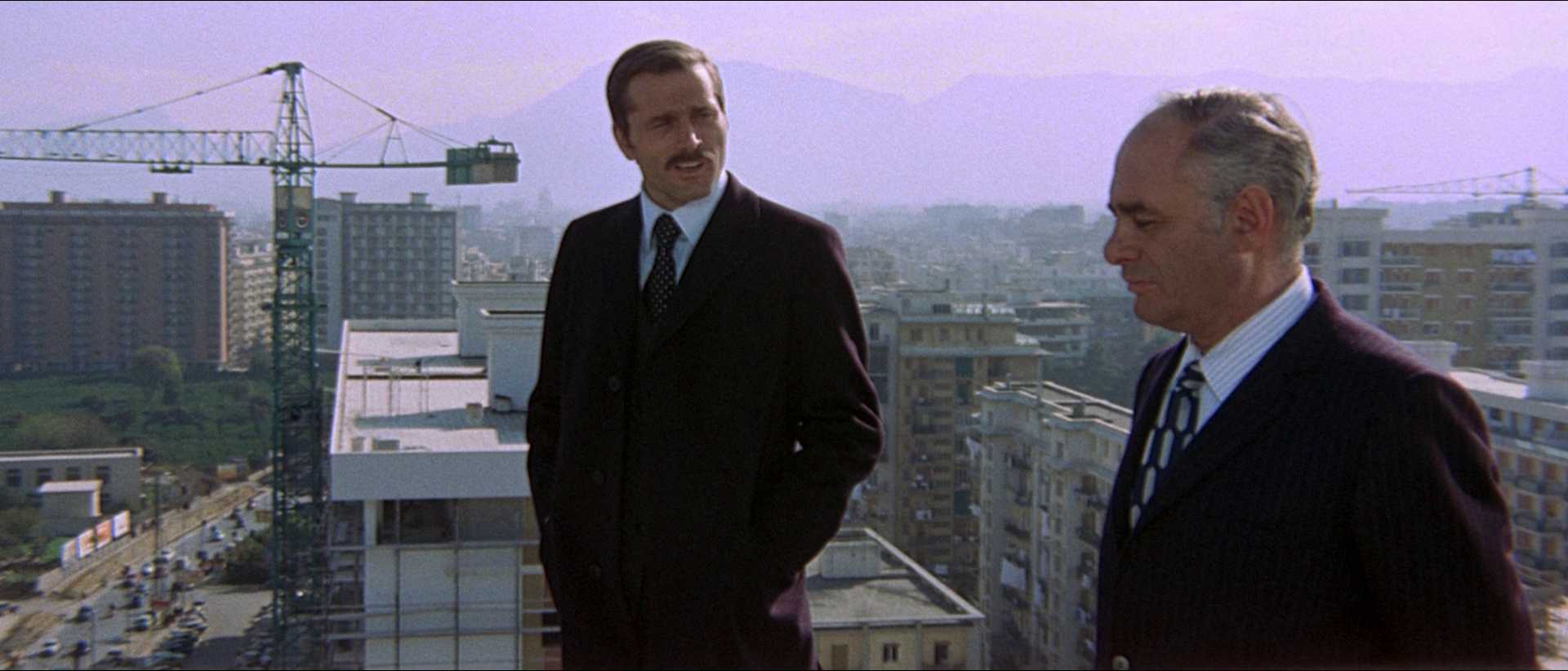
A caption at the beginning of the film states that ‘this is a work of fiction’, but Confessions of a Police Captain is a highly political film that openly confronts the links between state, business and organised crime. In an interview included in the booklet accompanying this release, Damiani states that he based much of the story on an amalgamation of incidents and public figures. For instance, the story Balsam’s character tells about the whistleblower, Rizzo, is based on the true account of a leader of the Communist Party who was wounded by the boss of the Sicilian mafia in a small village in 1945.
It’s an angry, bleak film that offers little hope, though there’s a wonderfully open-ended final sequence that could be considered triumphant, depending on your outlook. Personally, I veered the other way, as the film seems to suggest that the whole system is too corrupt to fix.
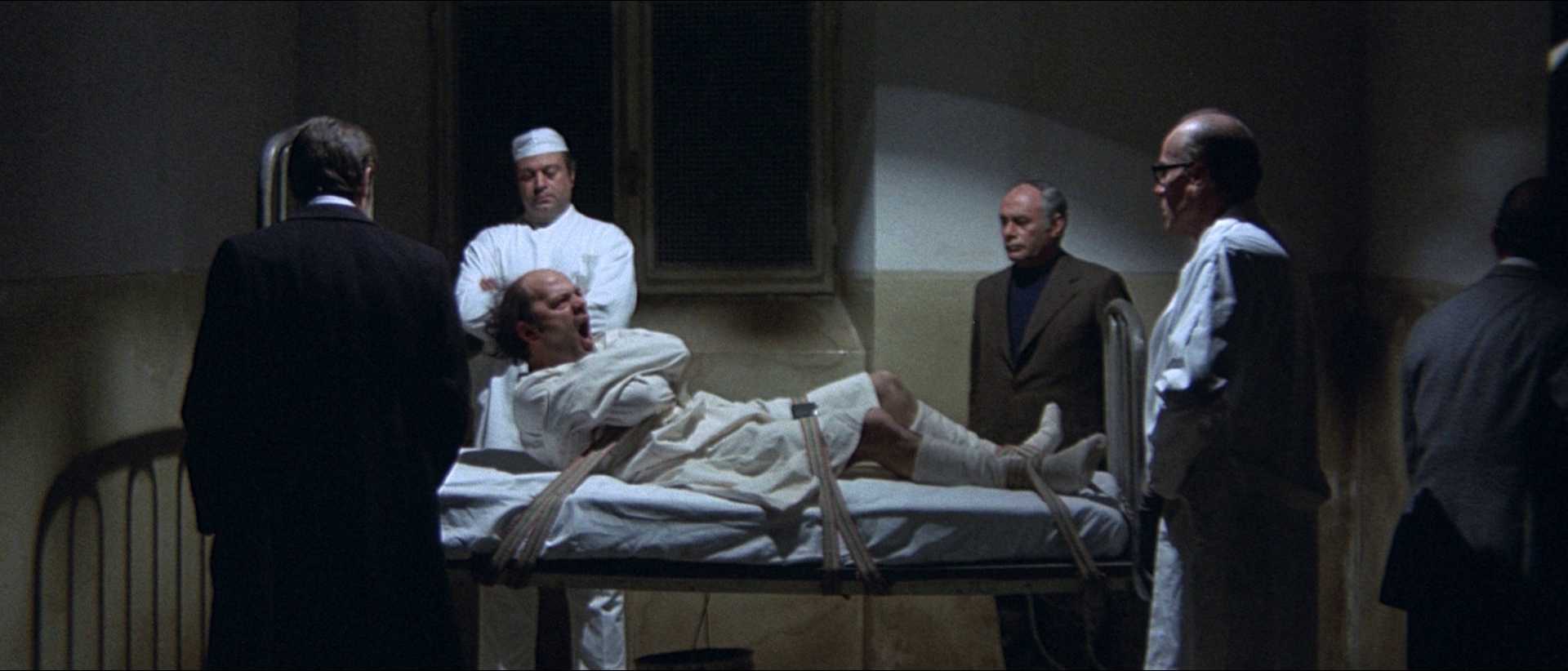
It’s a dialogue-heavy film, but Damiani manages to craft some expertly directed set-pieces in between the political discussions. It’s not showy or stylish, but masterfully controlled. The script is sharply written, too, making for an intelligent and compelling film, despite the lack of car chases and such, that you might get in a more conventional poliziotteschi. There is an intense shoot-out early on, though, to be fair.
The way we simultaneously follow the separate but intertwining police work of Bonavia and Traini gives the film extra drive and energy, too.
Aiding the success of the film are some strong performances. Nero and Balsam are excellent as the leads. The relationship between their characters is complex and intriguing. Balsam’s Bonavia has had enough of corrupt officials preventing justice from being served, so he resorts to desperate measures. Nero’s Traini, meanwhile, still initially believes in the power of the law and thinks that Bonavia should be punished for his near vigilante-level of justice.
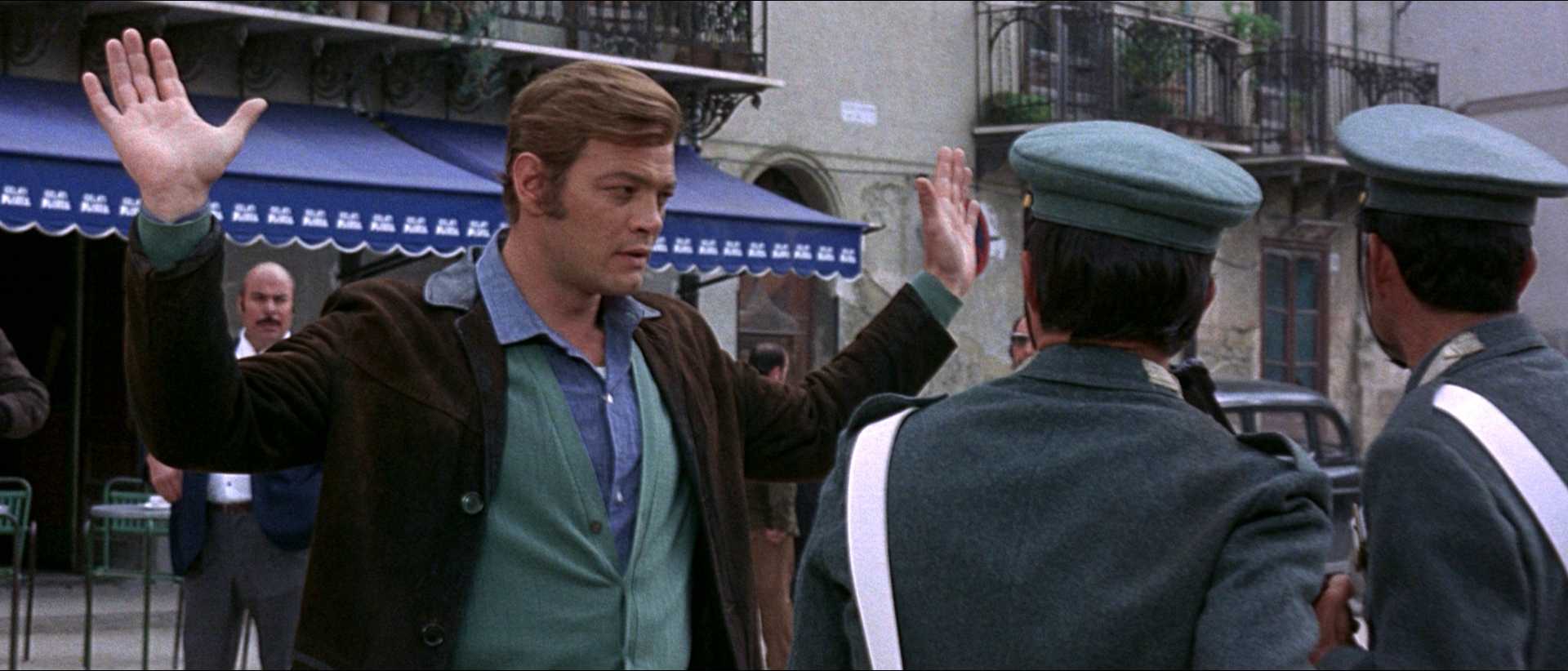
As with a number of Italian films from this era, Confessions of a Police Captain also has an excellent soundtrack. Composer Riz Ortolani blends a number of influences to create a score that’s simultaneously menacing, beautiful and super-cool.
Confessions of a Police Captain may not be the first film about institutional corruption, and certainly won’t be the last, but Damiani does it so damned well. Telling his story in an interesting fashion, with depth and intelligence, then marrying this with strong performances, it’s another winner from a director who deserves a lot more love.
Film: 

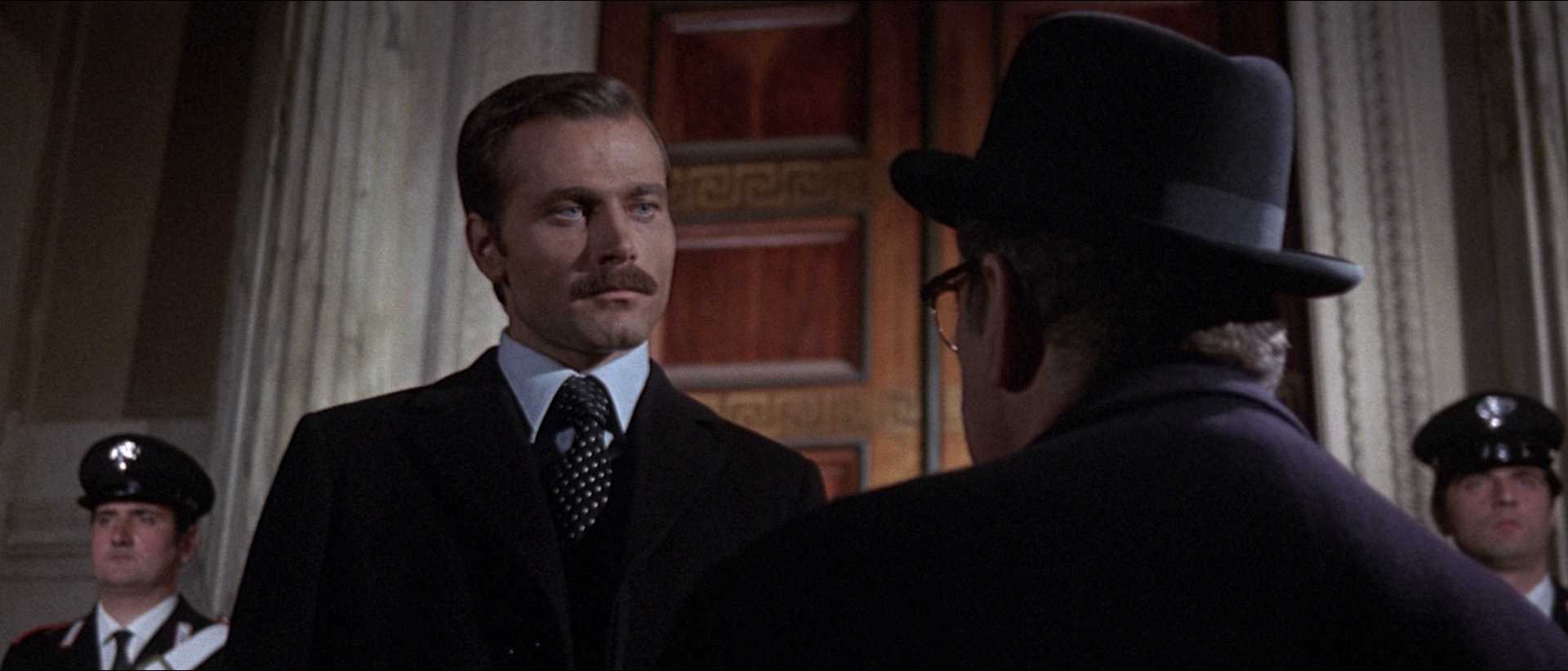
Confessions of a Police Captain is out on 20th April on region A&B Blu-Ray, released by Radiance Films. It looks great, with a detailed picture, little to no damage and a natural grain structure and colours. I’ve used screengrabs throughout this review to give you an idea of how it looks, though these have been compressed. There’s a choice of English or Italian audio. I opted for the latter and thought it sounded good. After watching the extras, it sounds like a lot of the film was recorded in English, though, so the English language track might have been the way to go.
LIMITED EDITION BLU-RAY FEATURES
– 2K restoration presented with Italian and English audio options
– Uncompressed mono PCM audio
– Interview with actor Franco Nero (2026, 29 mins)
– Interview with actor Michele Gammino (2026, 23 mins)
– Interview with editor Antonio Siciliano (2026, 27 mins)
– Interview with film score expert Lovely Jon about Riz Ortolani’s score (2026, 31 mins)
– Gallery
– Newly improved English subtitle translation for Italian audio and English SDH subtitles for English audio
– Reversible sleeve featuring designs based on original posters
– Limited edition booklet featuring archival interviews with Damiano Damiani
– Limited edition of 3000 copies, presented in full-height Scanavo packaging with removable OBI strip leaving packaging free of certificates and markings
The great Franco Nero is interviewed. He talks about his involvement with the project and spends a lot of time talking about Damiani, with whom he worked on several occasions. He has some fun stories to tell, including one about how Balsam was cast. It’s a lively and enjoyable interview.
There’s an interview with editor Antonio Siciliano on the disc, too. He has fond memories of working with Damiani on several films and has some nice stories to tell.
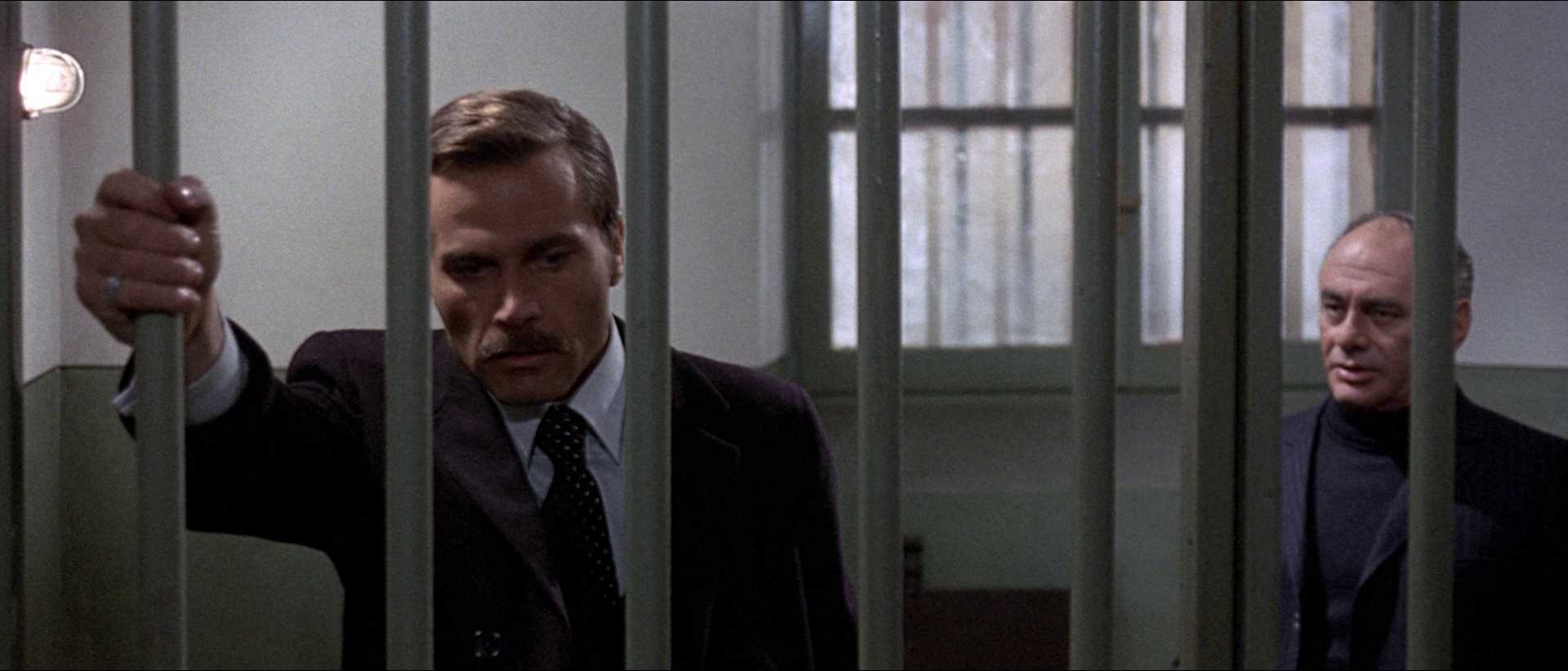
There’s also an interview with actor Michele Gammino. It was his first on-screen role in a film, after previously only dubbing actors’ voices, so it was an important role for him. He talks about Damiani and some of his fellow actors. It’s a bit of a love-in, but he’s a likeable chap.
Also on the disc is an interview with Lovely John about composer Riz Ortolani and his work on the Confessions of a Police Captain. It’s a detailed piece that fans of film soundtracks will appreciate a great deal.
The booklet includes two interviews with Damiani. He talks about the politics behind his films. He comes across as a man of both passion and intelligence.
Overall, it’s a strong set of extras to complement a superb film. Highly recommended.
Disc/package: 