



In Hollywood, some characters barely make it onto the screen—but they’ll sit on toy store shelves for years. Just ask Trap Jaw and Karg, two villains from Masters of the Universe. In the upcoming reboot, these two got swapped out for characters with better merchandising potential. Not because of story reasons, but because their toy licensing was messy. If a character’s action figure isn’t guaranteed to sell (or even be legally cleared), they may not survive the script.
That’s not new. Movies, especially in franchise land, don’t just tell stories—they launch product lines. The bigger the brand, the more valuable its shelf life becomes.
Merch is Not Just a Side Hustle
It’s easy to think of merchandise as a bonus stream—an afterthought. But for the studios behind Star Wars, Harry Potter, Frozen, and Marvel, it’s the heartbeat of their financial model. George Lucas famously negotiated to keep merchandising rights for Star Wars. That one clause turned out to be worth billions, long after the original trilogy ended.
You’re not just watching a film—you’re getting pulled into an ecosystem. Toys, shirts, mugs, replica wands, themed LEGO sets. Merch turns one-time viewers into long-term buyers. For many IPs, especially those aimed at collectors, merchandise revenue far outweighs ticket sales. The craziest thing is that adults are most often the main target audience for such products now.
Plenty of adults collect retro figures, wear fandom-branded sneakers, and line up for exclusive vinyl. Studios know this. That’s why every costume design, prop, or character sidekick is engineered to sell, whether they’re key to the plot or not.
Hollywood’s Influence
Movie franchises don’t just stay in cinemas or toy aisles—they’ve crossed into digital entertainment too. iGaming platforms are now packed with slot titles and casino themes that clearly borrow from pop culture. Jurassic Park, The Dark Knight, and even Bridesmaids have inspired online game variants. Sometimes officially. Sometimes just enough to be “inspired by” without infringing.
This crossover is especially popular among platforms designed to let players play without restrictions. These are casino sites not bound by the UK’s Gamstop self-exclusion system, used by players who want more freedom in how and where they play. What draws users in isn’t just variety or bonus offers. It’s recognizability. Familiar themes give the game’s personality and comfort. Clicking into a slot that looks and sounds like a beloved film taps directly into that same nostalgia that movie merch relies on.
It’s not a coincidence. The design language of Hollywood—fonts, sound effects, character archetypes—translates perfectly into these experiences. You don’t need to explain a game if it already “feels” like something they know.
When Toys Outshine the Film
Not every film becomes a merch titan because it’s a critical darling. Take Cars 2, which didn’t wow the critics, but its toys filled shelves for years. Lightning McQueen and Mater became lunchbox royalty. It didn’t matter that the film’s story was thin—the characters were toy-perfect.
Transformers is another classic case. The 80s toy line came first, then the animated show, and eventually the movies. The reverse pipeline works, too. The LEGO Movie wasn’t just a film—it was a clever feedback loop to promote new themed sets that sold out worldwide. Even Minions, barely verbal on screen, became plush gold.
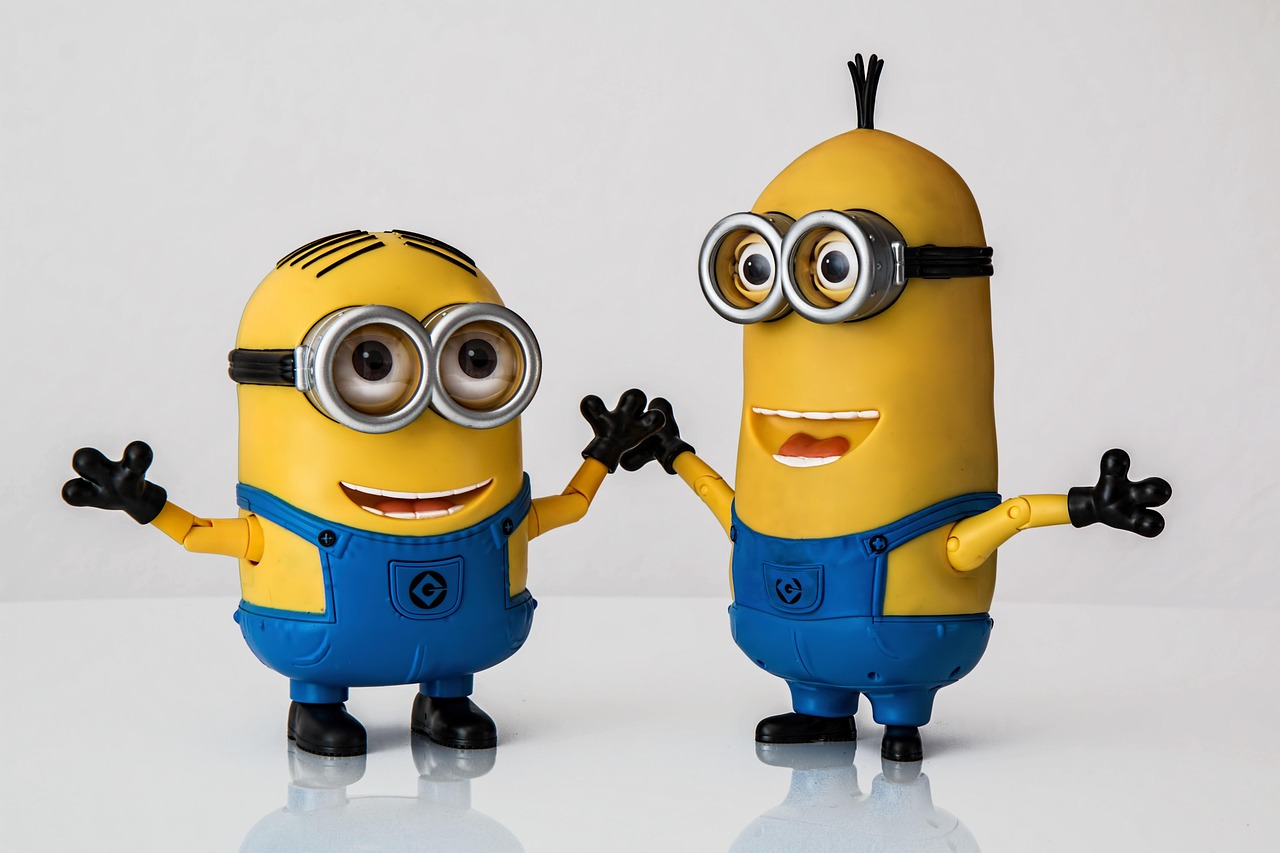
The idea is simple: if a character looks good on a shelf, they’ll probably survive the franchise.
Trap Jaw and Karg: A Merch Lesson
The Masters of the Universe is another franchise where the movie and the animated series came second, after and the merch was launched. In the forthcoming reboot, they quietly replaced Trap Jaw and Karg with more merch-friendly characters—Tri-Klops and Mer-Man. The reason? Easier licensing. Rights for some characters were tangled up, limiting what could be made and sold.
That’s a key insight. It’s not always about the story. Sometimes it’s about whether the merchandise paperwork clears faster than the script edits. In this case, characters with higher toy shelf potential made the cut, while cult favourites got dropped.
This happens more often than most fans realise. A villain might get more screen time simply because their face molds well into a bobblehead. A weapon design might be “tweaked” to make it easier to replicate for Halloween.
Conclusion
Merch is stable in a way that the box office isn’t. Films can bomb, but a franchise with good branding survives through toys, games, and spin-offs. In an age where theatrical runs are shorter and streaming reshuffles revenue models, merch remains a reliable bet.
And now, iGaming platforms have added a new layer. Pop-culture-inspired games keep characters relevant in a different format. It’s passive, yet persistent. You might not rewatch The Mummy, but you’ll spin its themed slot for five minutes while waiting for dinner.
Both industries benefit. Film IPs gain longevity. Casino platforms gain recognisable themes. And players, collectors, and fans get one more way to stay connected to the worlds they love.
Banner image by Dominic Wunderlich from Pixabay