


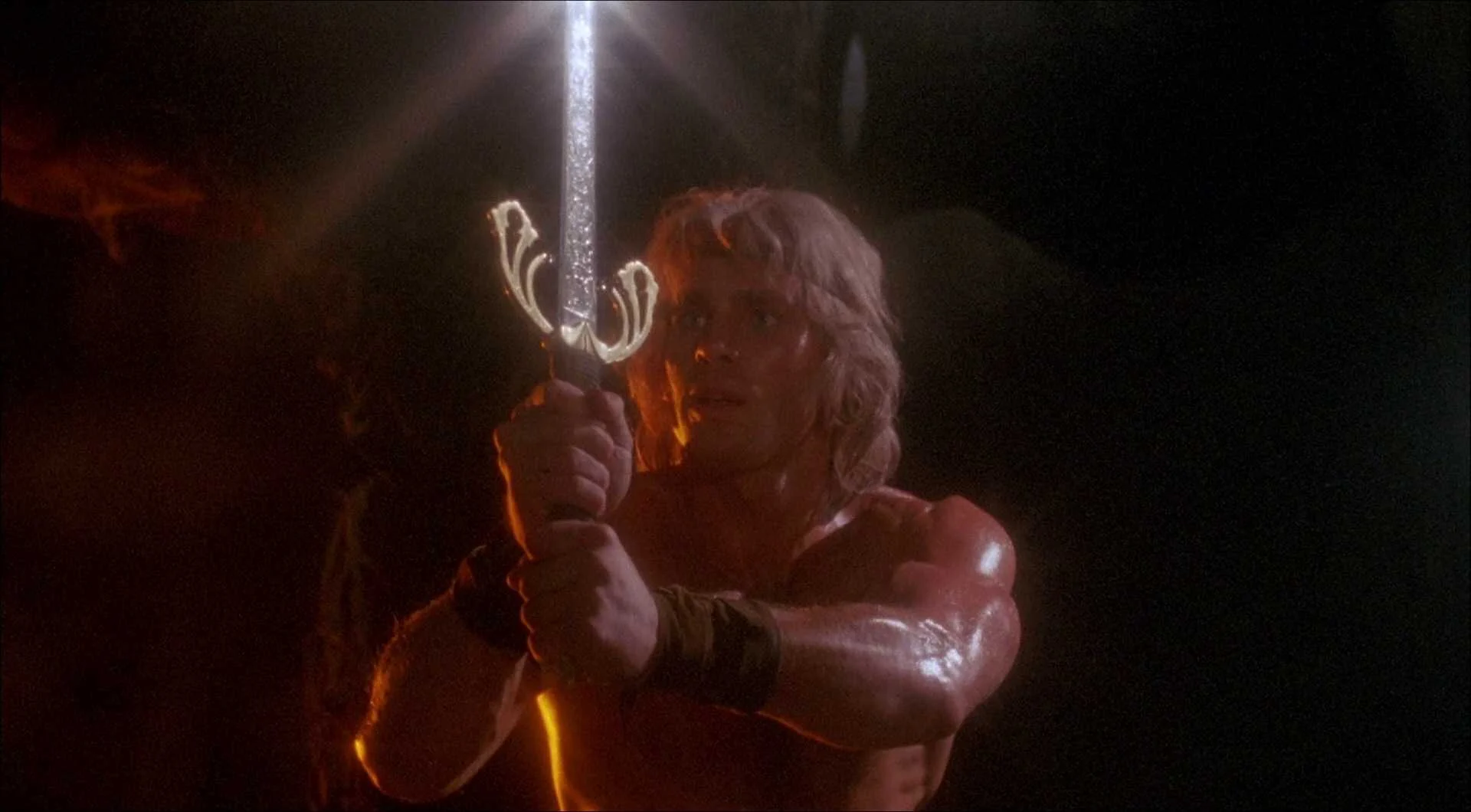
 The 1980s saw a glut of ‘sword and sorcery’ films hit screens around the world following the success of Conan the Barbarian in 1982. A number of the initial imitators came from Italy, with canny producers banking on the fact that these films could be made relatively cheaply and quickly. Never one to turn up the chance to make a quick buck, Roger Corman got in on the action too, making Deathstalker in 1983 as the first of ten international co-productions between the US and Argentina.
Deathstalker was reasonably successful too, making $11.9 million in theatres. Not bad for a film with a $450,000 budget. It later continued to make money on VHS in the early days of rentals, helping pave the way for another three Deathstalker films.
The series has gone on to have a minor cult following and even resulted in a reboot or reimagining of the series in 2025, with indie-genre movie favourite Steven Kostanski at the helm.
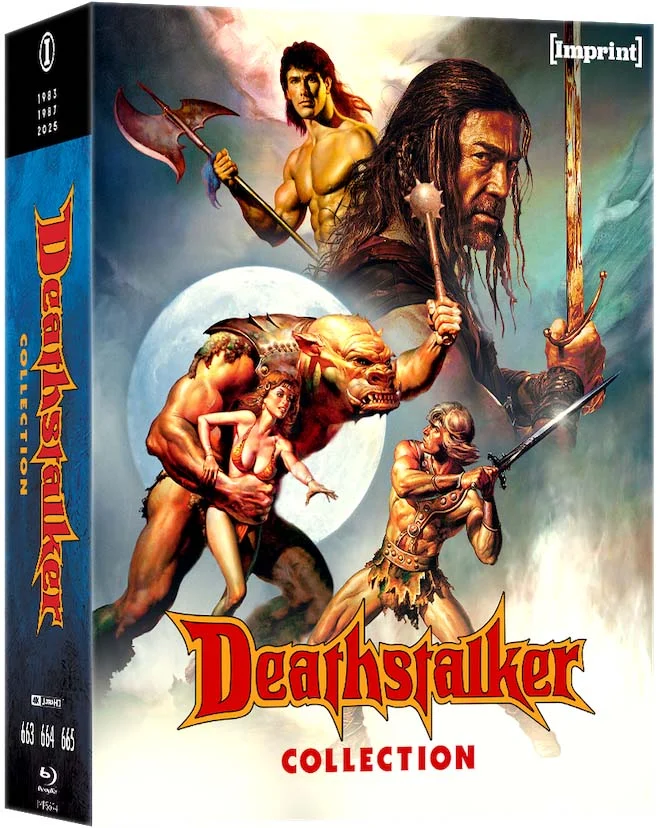
Now, Imprint are releasing the first two Deathstalker films along with the 2025 Deathstalker in an all-bells-and-whistles 4K UHD + Blu-ray Limited Edition Steelbook in a 3D Lenticular Hardcase.
I was fortunate enough to get my hands on a copy, and my thoughts follow.
Deathstalker
Director: James Sbardellati
Screenplay: Howard R. Cohen
Starring: Rick Hill, Barbi Benton, Richard Brooker, Lana Clarkson, Victor Bo, Bernard Erhard, Augusto Larreta
Country: USA, Argentina
Running Time: 80 min
Year: 1983
The first Deathstalker film sees beefcake Rick Hill take on the title role. After dispatching some ugly-looking guys who were trying to sexually assault a young woman (and then arguably accosting her himself), Deathstalker comes across a witch who sends him on a quest to find three items of power – a chalice, an amulet and a sword.
He gets the sword soon after, by defeating an ogre and releasing the thief Salmaron (Augusto Larreta) from the witch’s spell. The other two items, however, are held by the evil sorcerer Munkar (Bernard Erhard), so Deathstalker and Salmaron head off to his castle.
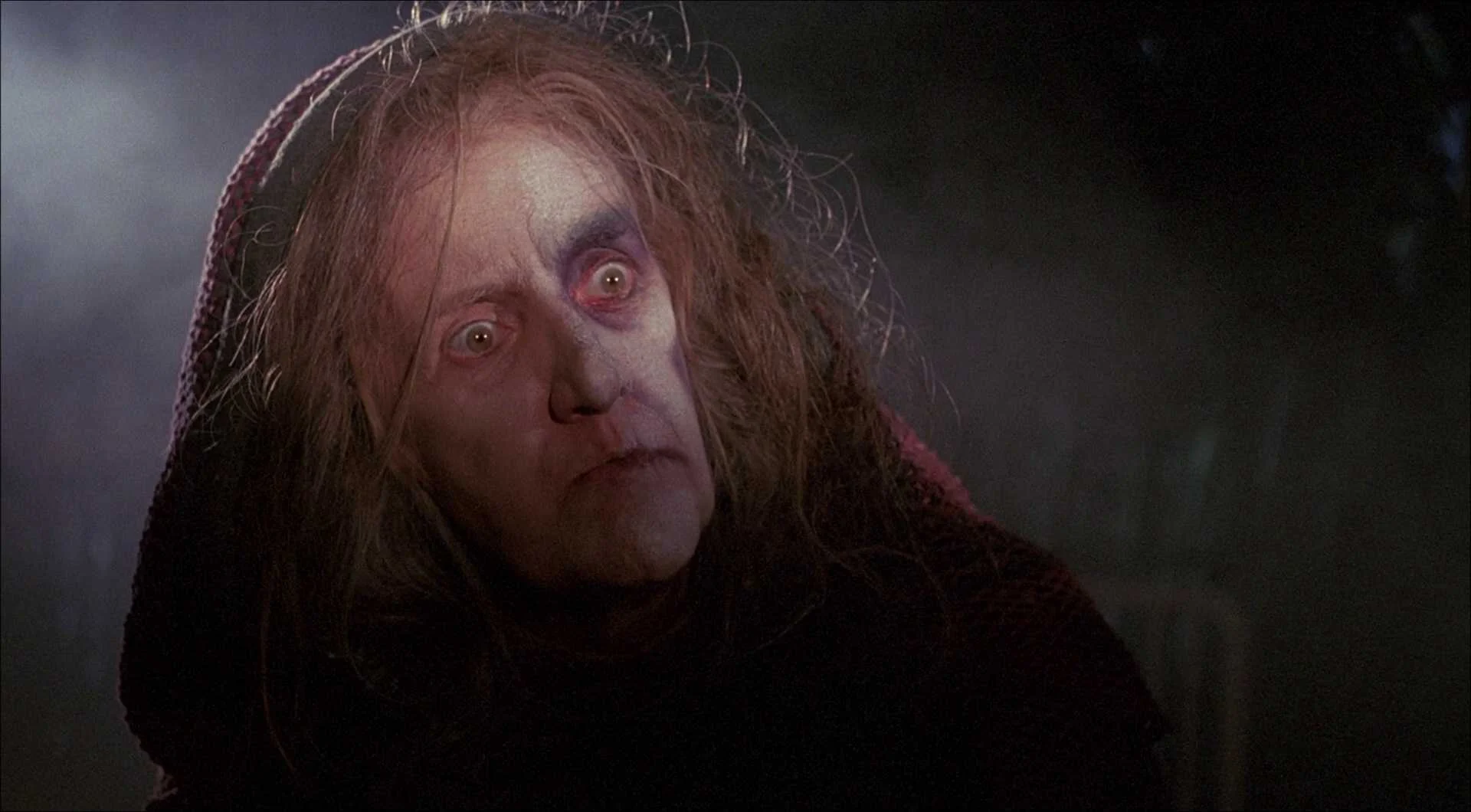
Along the way, they befriend the warrior Oghris (Richard Brooker), who tells them Munkar is putting on a tournament to find his next heir. Seeing this as a chance to get into the castle and close to the sorcerer, Deathstalker enters the tournament himself.
I had low expectations for Deathstalker, to be honest. It was the trailer and reviews for its sequel that sold me on the set, whereas the first film looked like it took itself too seriously and showed its low budget too clearly. However, I should learn not to judge a film on its trailer, as Deathstalker turned out to be a lot of fun.
For one, it’s not as serious as I expected, with a lot of quipping keeping the tone light and vaguely tongue-in-cheek. More importantly, though, it’s very well-paced. Corman and director James Sbardellati know what the audience came for and give it to them at regular intervals. Barely 5 minutes ever go by without either a fight, nudity or some gore.
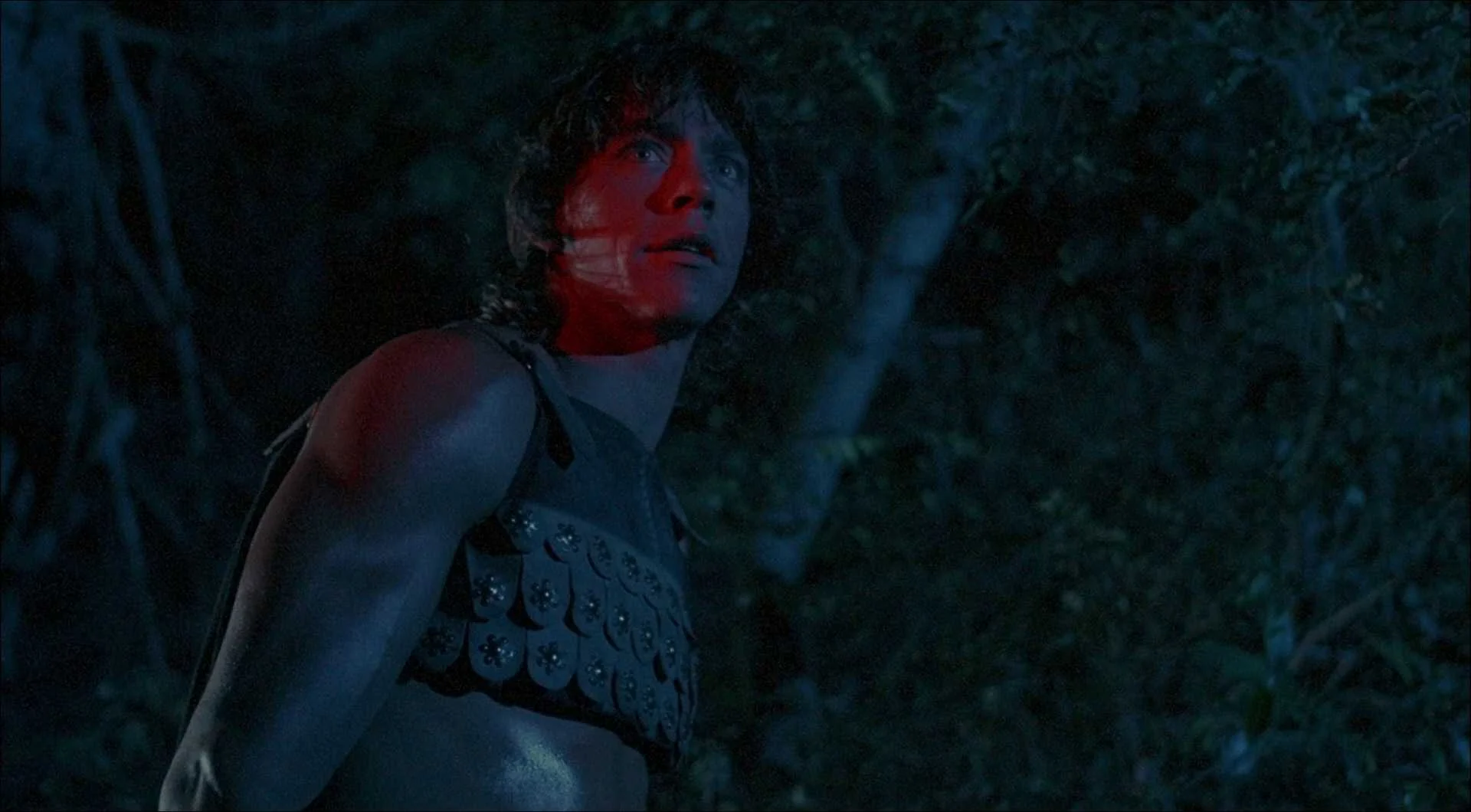
The fights aren’t too bad either. They’re hardly what you’d call well-choreographed, but they’re just about convincing enough and have plenty of energy. The production design is also pretty good for a film of its budget and era. Some of the makeup effects in particular are surprisingly effective.
With the ‘give them what they want’ approach, the story does suffer, though. It’s rushed, messy and a little confusing in places. On the commentary, Sbardellati claims the shoot went well, and he was very pleased with the team and their work, but the post-production process was less successful. Most notably, quite a bit of material was reportedly cut out, which might explain the choppy, confusing nature of it all.
The film is pretty sleazy too, with boobs regularly on display and a nude mud wrestling scene shoehorned in for the hell of it. This is all par for the course when it comes to sword and sorcery films of the era, and I can’t say I was offended by the flesh on display, though the Deathstalker character’s treatment of women verges a little too close to rape for modern sensibilities (even 80s sensibilities, to be honest).
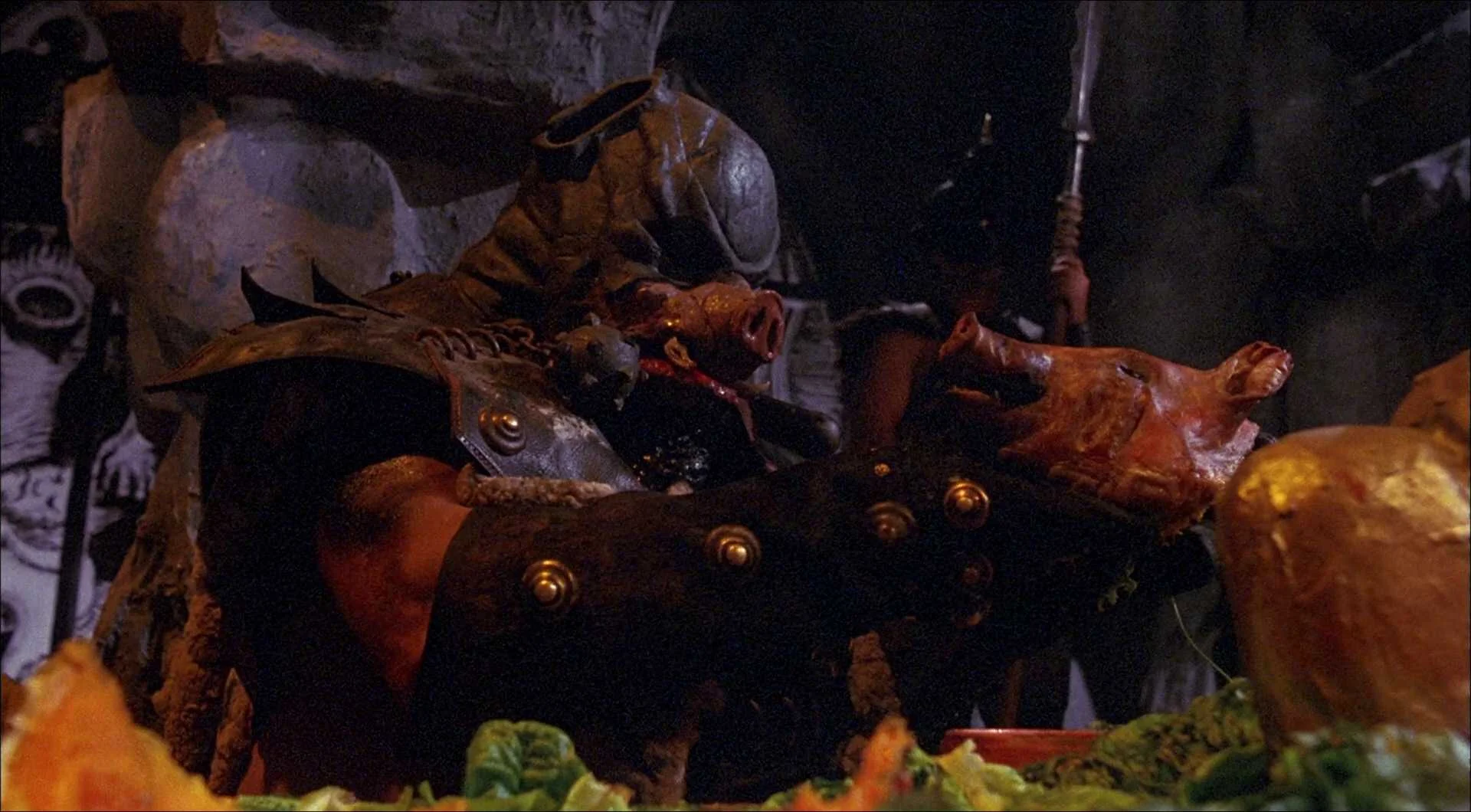
If you’re reading a Deathstalker review though, you’re likely not too bothered by any dated, bad taste factors. You’re just wanting to know if it’s still a fun time at the movies. The answer to that is yes. I went in with low expectations but came out pleasantly surprised. Yes, it’s dumb, often rushed and muddled and is hardly original, but it knows what it is and delivers what the audience wants with little-to-no filler, making for a fast-paced cheesy treat. Your mileage will of course depend on your tastes, but if you grew up in the 80s and have fond memories of He-Man and the various Conan clones that littered cinemas and video shops, you’ll have a lot of fun with Deathstalker.
Film: 


Deathstalker II
Director: Jim Wynorski
Screenplay: Neil Ruttenberg, R.J. Robertson (additional dialogue)
Based on a Story by: Jim Wynorski
Starring: John Terlesky, Monique Gabrielle, John Lazar, Toni Naples, María Socas
Country: USA, Argentina
Running Time: 77 min
Year: 1987
The sword and sorcery genre peaked in the middle of the 80s and was on the wane by 1987, but Roger Corman still thought there was money to be made in it, so he commissioned another Deathstalker film. Wisely, Jim Wynorski, who was hired to direct it, threw the drearily serious Conan rip-off script he was given in the bin and started from scratch, creating what is ostensibly a parody of sword and sorcery movies.
In Deathstalker II, our hero, now played by John Terlesky, keeps bumping into Reena the Seer (Monique Gabrielle) and getting her out of trouble. He soon grows tired of her getting in his way. However, she later reveals that she is in fact Princess Evie and needs his help. It turns out the evil sorcerer Jarek (John Lazar) has cloned her and kicked her out of the castle so that he can rule Jzafir for himself, alongside the tough but sexy Sultana (Toni Naples).
Believing he’ll be paid handsomely if he saves the princess, Deathstalker agrees to help her and the pair set off on a perilous quest.
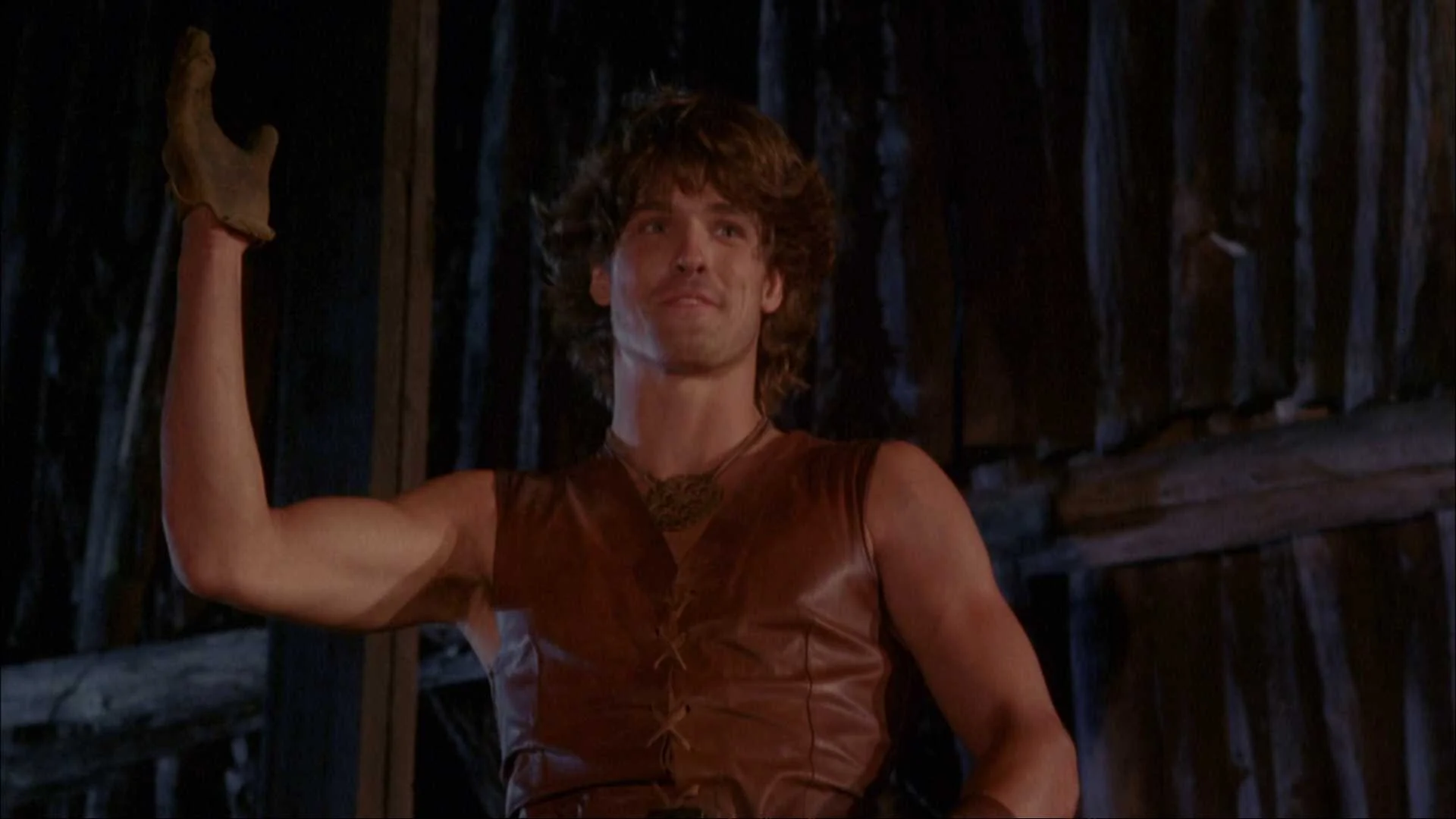
I enjoyed Deathstalker quite a lot, as my review will attest, but Deathstalker II takes it up a notch. By not taking itself seriously at all and adding a post-modern edge to things, sending up its predecessor and other contemporary genre movies, it’s a whole heap of fun.
Yes, the humour can be pretty goofy and low-brow, but I dug it. It helps that Terlesky is a charismatic lead. I honestly think he could have been a big star on the back of this, if it were a bigger film, as he’s charming, handsome and funny. Looking at IMDb, though, he became a director. After helming a few low-budget movies, he’s enjoyed a successful career directing TV shows, including Castle and The Blacklist.
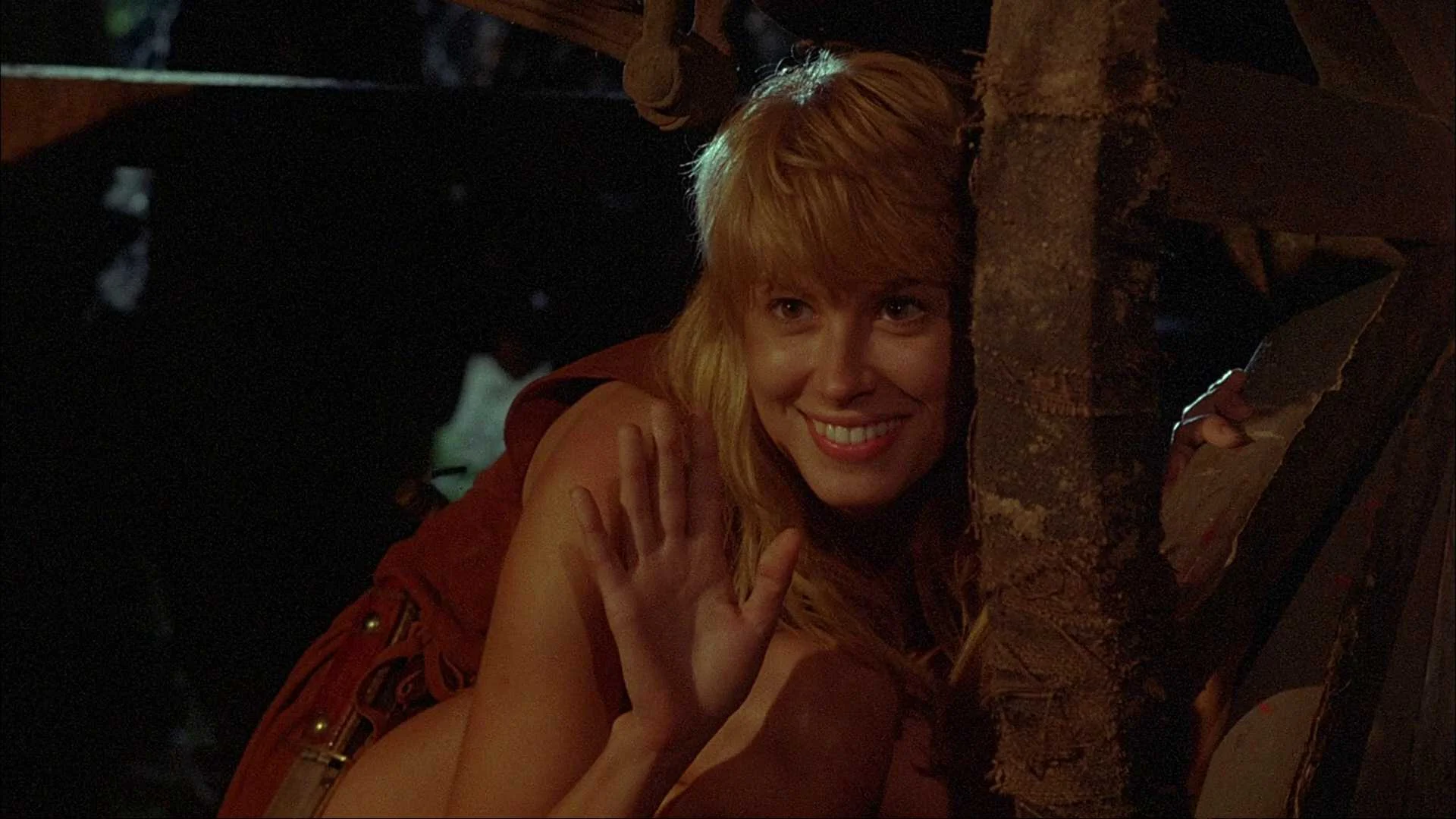
Gabrielle annoyed me to begin with, but when I realised she was in a dual role, playing the trashy villainess as well as the wholesome plucky heroine, I had a lot more respect for her. Lazar and Naples are fun as the main villains too.
The film is also pretty bonkers, throwing all sorts of crazy scenes into the mix. Zombies show up at one point, a guy gets stabbed through some kind of mystical phone call, and there’s a lengthy pro-wrestling spoof between Deathstalker and a huge Amazonian woman!
There’s not as much gore, and the production design has taken a bit of a step down (though a lot of the old sets from the first film were re-used), but overall, by taking a tongue-in-cheek approach to the character and genre, it works a treat. Mad as a bag of hammers and still fast-moving with little filler, it’s an immensely entertaining film.
Film:
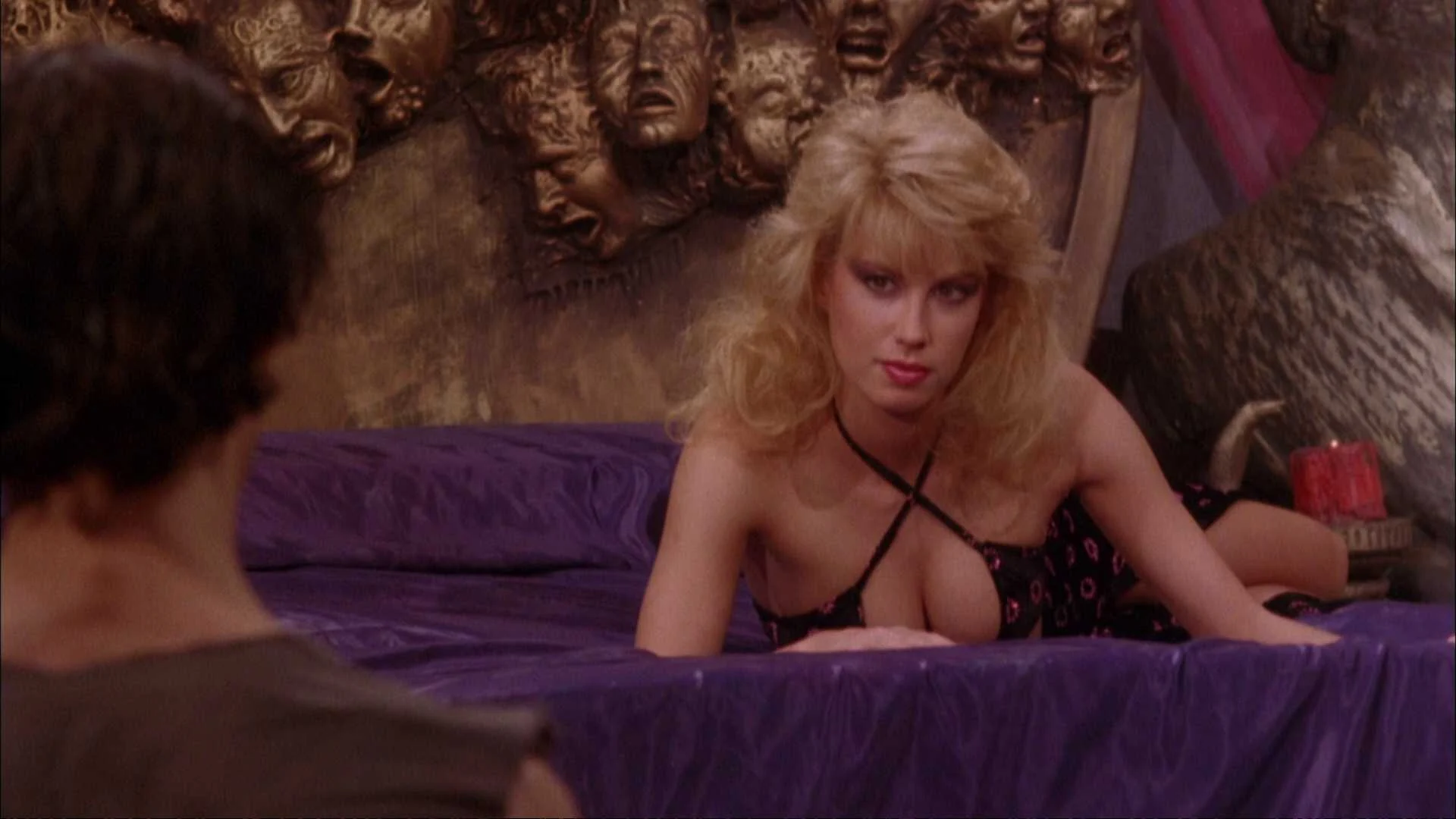
Deathstalker (2025)
Director: Steven Kostanski
Screenplay: Steven Kostanski
Starring: Daniel Bernhardt, Patton Oswalt, Christina Orjalo, Paul Lazenby, Nicholas Rice, Laurie Field
Country: Canada, USA
Running Time: 103 min
Year: 2025
Canadian filmmaker Steven Kostanski has been making a name for himself in the indie genre movie world with titles like Manborg, Father’s Day, The Void, Psycho Goreman and Frankie Freako. The ones I’ve seen have been a lot of fun, so I was happy to see his name stamped onto the Deathstalker reboot.
Supposedly, the distributor Raven Banner wanted to work with Kostanski and had a handful of properties they had the rights to. The director browsed through the list, spotted Deathstalker and jumped right on it, being a fan of the sword and sorcery genre.
The film has a pretty basic fantasy movie setup. Deathstalker finds a mysterious amulet on a battlefield. He discovers it’s cursed and must go on a quest to save himself and stop the evil Nekromemnon (Nicholas Rice) from getting his hands on it.
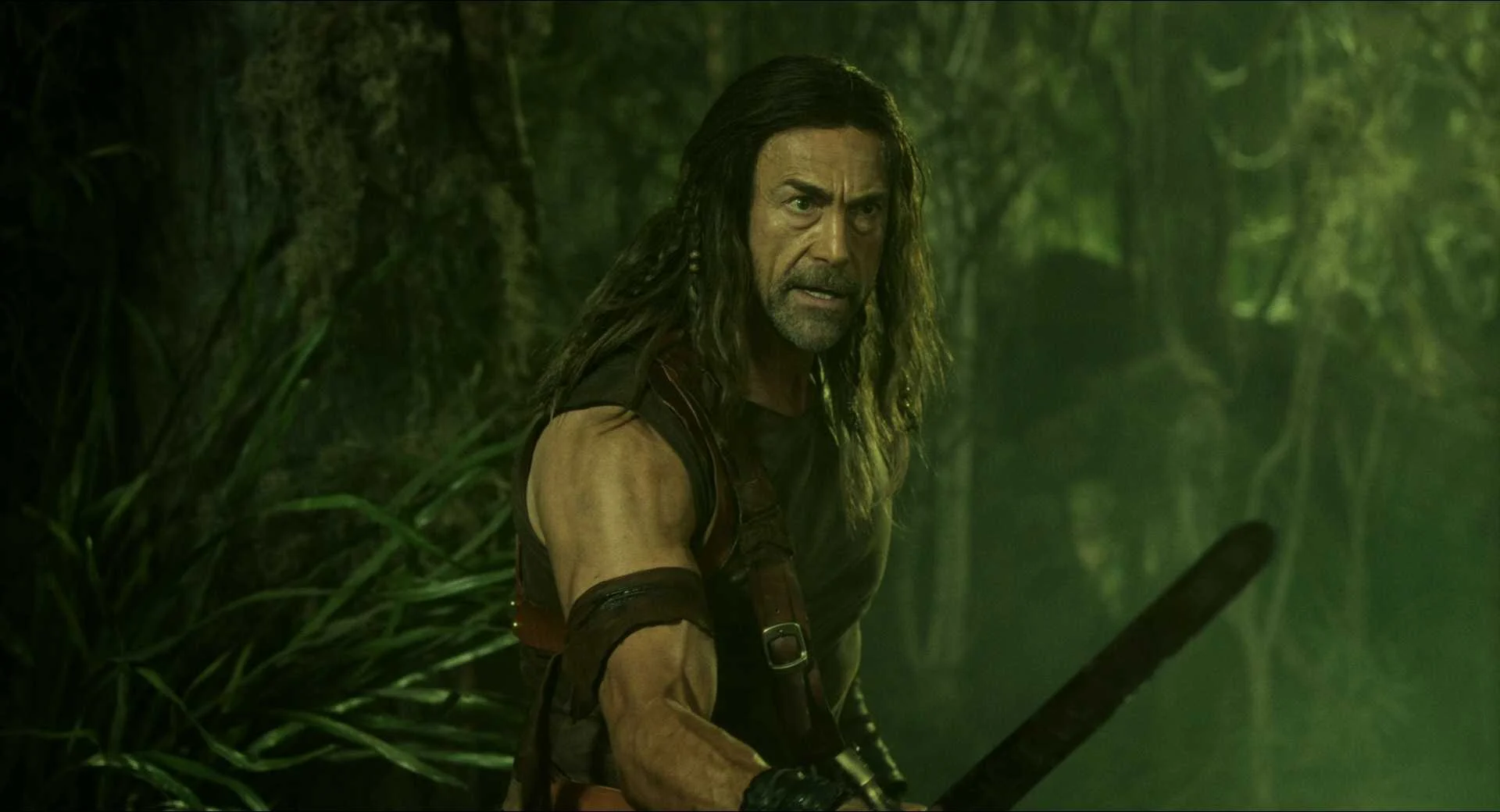
Along the way, Deathstalker teams up with the diminutive wizard Doodad (played by Laurie Field but voiced by Patton Oswalt) and the young thief, Brisbayne (Christina Orjalo).
I enjoyed this a great deal. Kostanski understood the assignment, nailing the tone of the sword and sorcery films of the 80s and delivering what made them fun, whilst adding some new touches.
Sensibly, Kostanski eschews the misogyny of the original films without shoving any politically correct messaging down our throats. We get a tough heroine to fight alongside Deathstalker, but the film doesn’t make a big deal out of it and doesn’t make out that she’s as physically capable as our male hero. She has her own set of skills, instead.
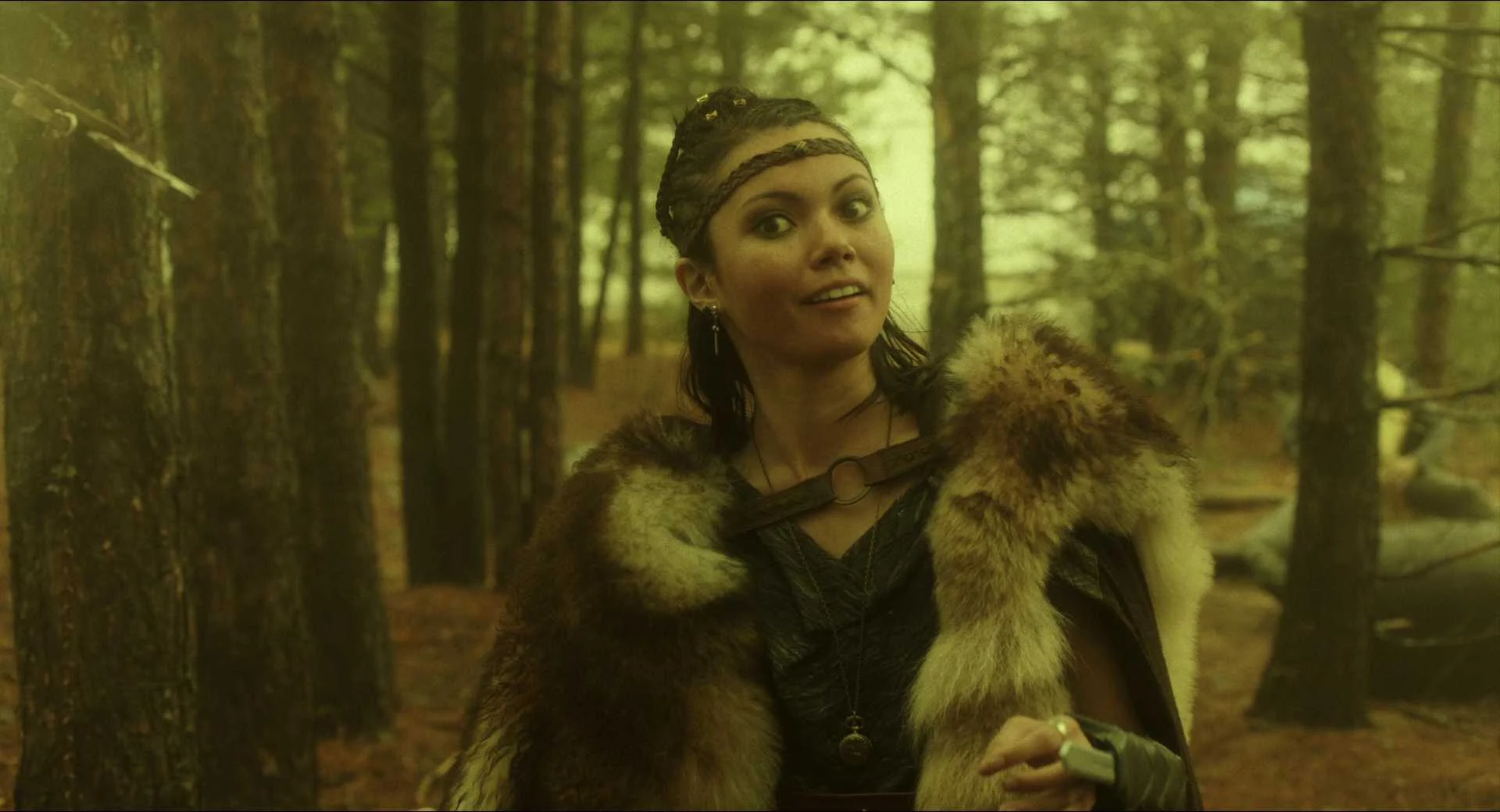
There are also some moments that subvert the usual view of masculinity and heroism in these types of films. On top of a memorable hugging scene, which I won’t spoil, you have moments where the supposed macho hero takes the sensible option of attempting to run away, rather than fight.
There’s heart to it, too, without overdoing things and lurching into sentimentality. You simply get a family dynamic that organically evolves over the course of the film.
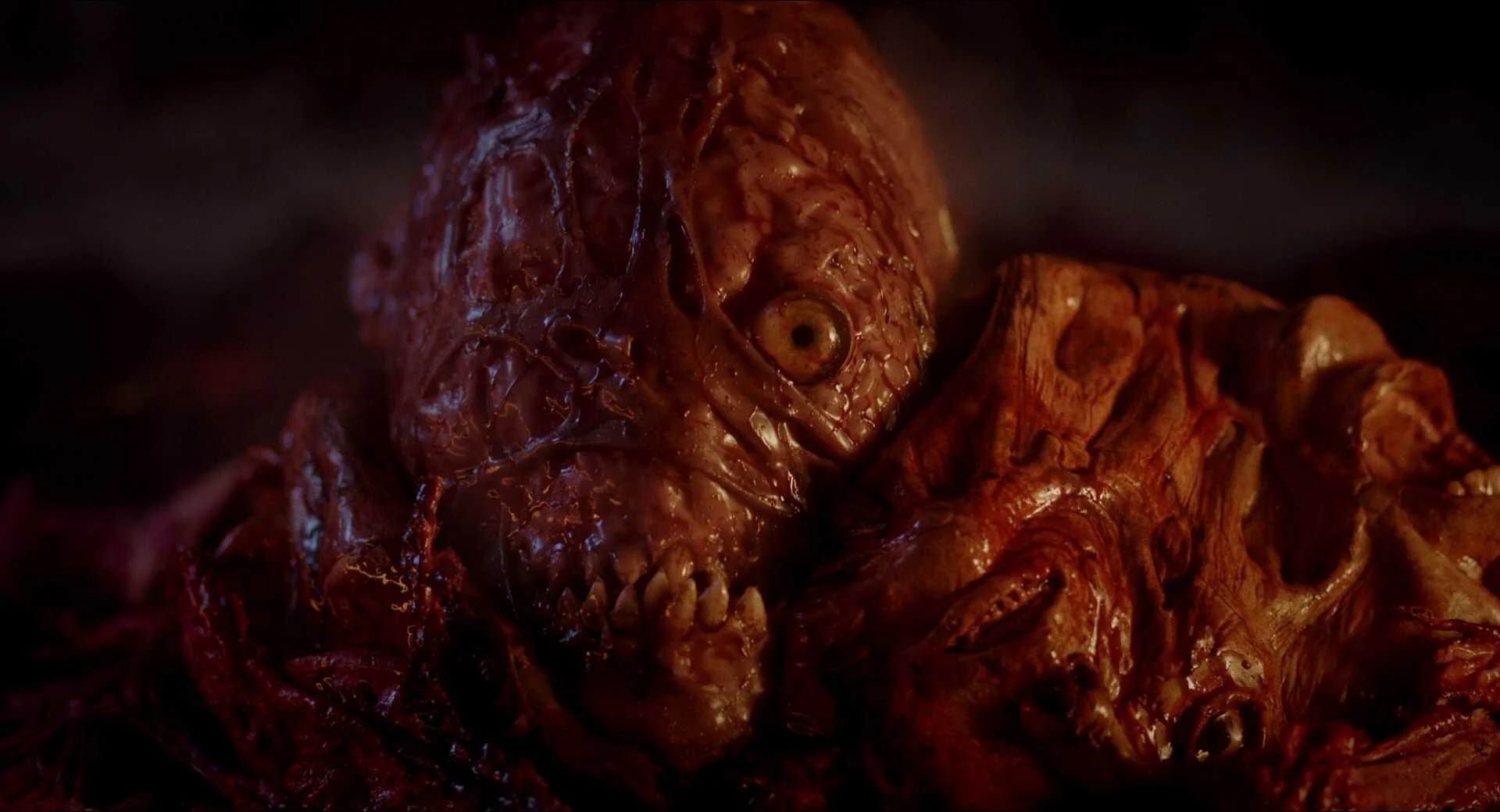
It’s not all a big love-in, though. As fans of Kostanski’s films might have predicted, it’s loaded with blood and gore. There’s plenty of head chopping, limb ripping, goo-spewing action. The swordfights are pretty well done for a low-budget production, too, with Bernhardt launching himself into the duels with great aplomb.
The film contains a healthy dose of comedy, too, but avoids full-on parody of the genre. Instead, it’s more of an affectionate homage, with its own brand of often quite silly humour.
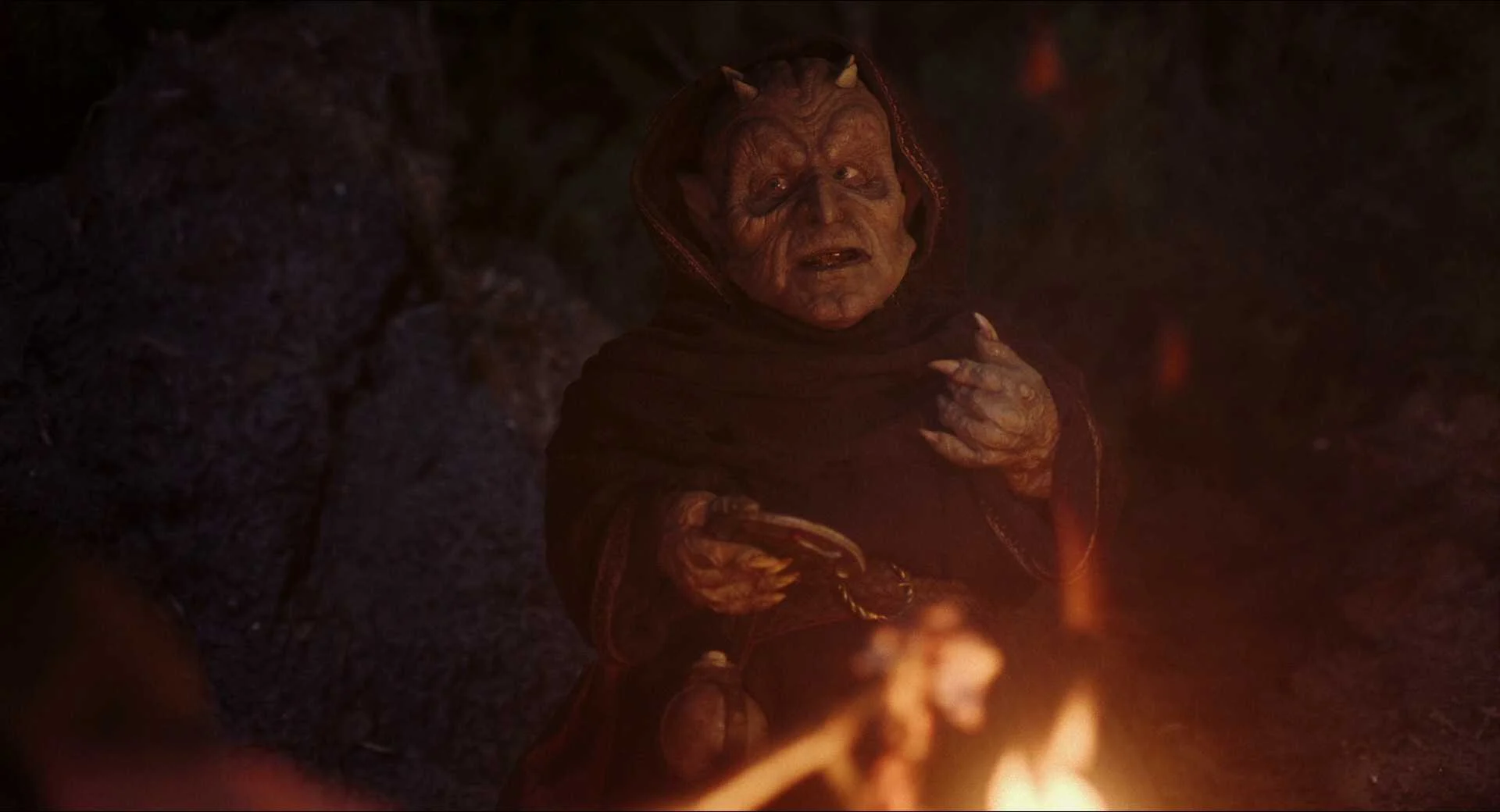
There are some callbacks to the original series, like a witch we meet early on and a ‘Pigman’ character. However, Kostanski isn’t painstakingly trying to recreate those movies, rather using them as inspiration for his own brand of genre filmmaking.
There’s some great world-building without reams of exposition. Instead, Kostanski fills his film with a nice range of unusual creatures (done with puppets and prosthetics, rather than CGI) and some nice added background details like the giants we see fighting in the distance in one scene.
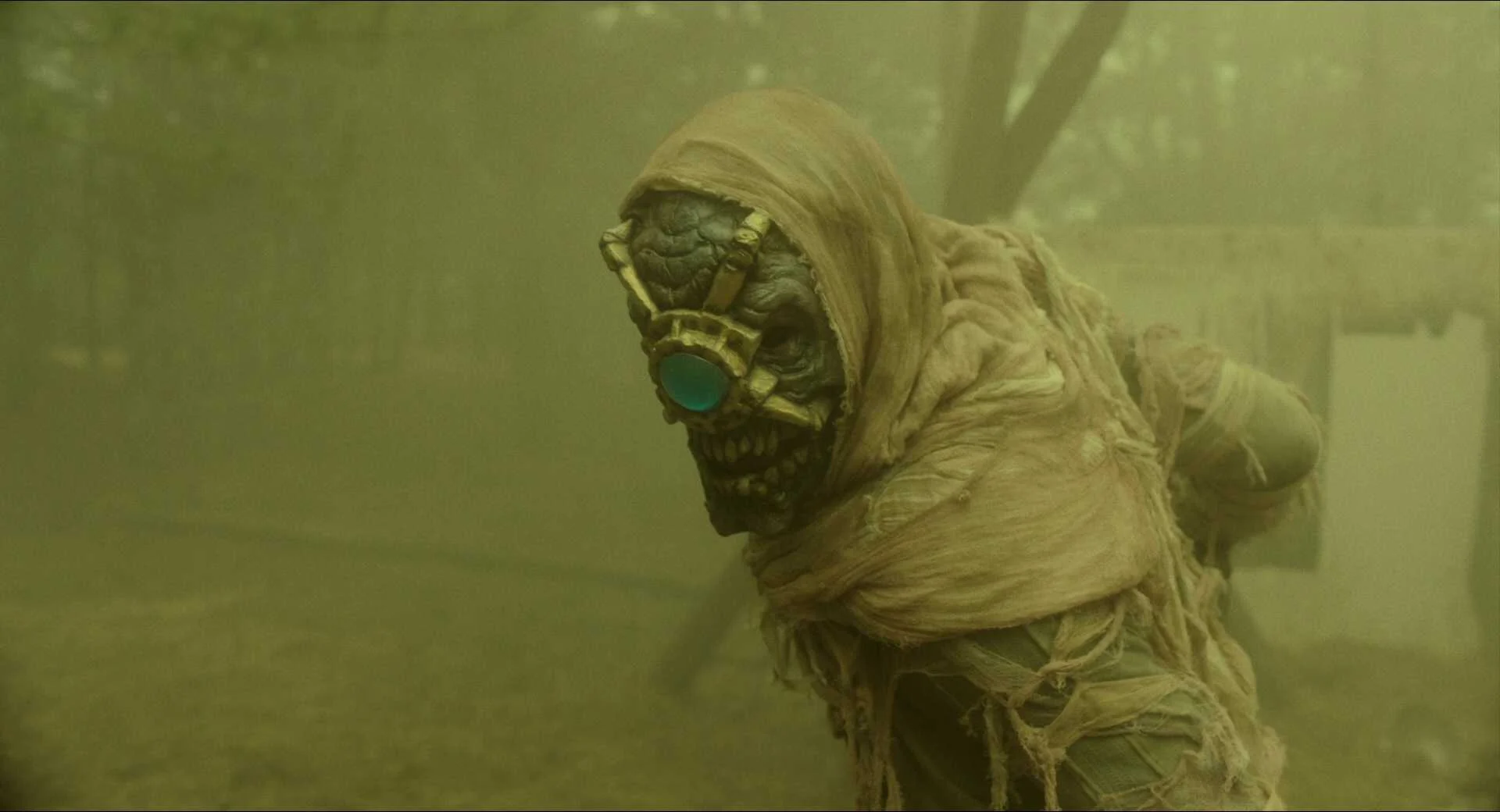
I also loved the fact that Kostanski used old-school techniques to make much of the film. There are matte paintings, models, and even some stop motion, with only a smattering of CGI, beyond the digital cleanup that audiences don’t notice. Even the magic/laser/lightning effects are made to look like old optical effects.
Overall, Deathstalker (2025) is a success, in my book. Made by a group of people who just get it, it’s a wonderfully old-school love letter to the sword and sorcery genre. With a healthy balance of action, gore, comedy and a little bit of heart, it’s a great time at the movies.
Film:
Deathstalker Collection (1983 – 2025) is out now in a 4K UHD + Blu-ray Limited Edition Steelbook in 3D Lenticular Hardcase + Posters, released by Imprint. I watched the UHD versions of the films. The 1983 original Deathstalker looks stunning. The picture is sharp and detailed with pleasing colours and an impressive depth of tones. Deathstalker II isn’t quite as good-looking, being a little soft in places and with more muted colours, though that might be as originally intended. It looks natural, though and relatively damage-free. The 2025 Deathstalker looks fantastic. Detail and textures are sharp and natural, and the colours look gorgeous. I’ve used screengrabs from the Blu-rays throughout this review.
I had no issues with the audio on any of the titles. I don’t have an ideal sound system for UHD, I must admit, but it came through nicely enough.
There are plenty of special features included too:
DEATHSTALKER
Disc One: 4K UHD
– 2160p Ultra-high-definition presentation on 4K UHD (Dolby Vision / HDR10)
– Audio commentary by director James Sbardellati, makeup effects artist John Carl Buechler, and actor Richard Brooker
– Theatrical Trailer
– Aspect Ratio 1.85:1
– Audio: English LPCM 2.0 Mono
– Optional English HOH Subtitles
Disc Two: Blu-ray
– 1080p High-definition presentation on Blu-ray of the 4K restoration
– Audio commentary by director James Sbardellati, makeup effects artist John Carl Buechler, and actor Richard Brooker
– Theatrical Trailer
– Photo Gallery
– Aspect Ratio 1.85:1
– Audio: English LPCM 2.0 Mono
– Optional English HOH Subtitles
DEATHSTALKER II
Disc Three: 4K UHD
– 2160p Ultra-high-definition presentation on 4K UHD (Dolby Vision / HDR10)
– Audio commentary by director Jim Wynorski and actors John Terlesky and Toni Naples
– Theatrical Trailer
– Aspect Ratio 1.85:1
– Audio: English LPCM 2.0 Mono
– Optional English HOH Subtitles
Disc Four: Blu-ray
– 1080p High-definition presentation on Blu-ray of the 4K restoration
– Audio commentary by director Jim Wynorski and actors John Terlesky and Toni Naples
– Theatrical Trailer
– Aspect Ratio 1.85:1
– Audio: English LPCM 2.0 Mono
– Optional English HOH Subtitles
DEATHSTALKER (2025)
Disc Five: 4K UHD
– 2160p Ultra-high-definition presentation on 4K UHD (Dolby Vision / HDR10)
– Audio commentary by writer / director Steven Kostanski and actor Daniel Bernhardt
– Audio commentary by writer / director Steven Kostanski, director of photography Andrew Appelle, and editor Robert Hyland
– Trailer
– Aspect Ratio 1.85:1
– Audio: English DTS-HD 5.1 Surround + LPCM 2.0 Stereo
– Optional English HOH Subtitles
Disc Six: Blu-ray
– 1080p High-definition presentation on Blu-ray
– Audio commentary by writer / director Steven Kostanski and actor Daniel Bernhardt
– Audio commentary by writer / director Steven Kostanski, director of photography Andrew Appelle, and editor Robert Hyland
– Interview with writer / director Steven Kostanski and actor Daniel Bernhardt by actor Todd Stashwick
– Interview with visual effects supervisor Cody Kennedy, and visual effects artists Matthew Satchwill & Adarsh Bora by writer / director Steven Kostanski
– Animating Stop-Motion Skeletons – featurette
– Music video
– Trailer
– Aspect Ratio 1.85:1
– Audio: English DTS-HD 5.1 Surround + LPCM 2.0 Stereo
– Optional English HOH Subtitles
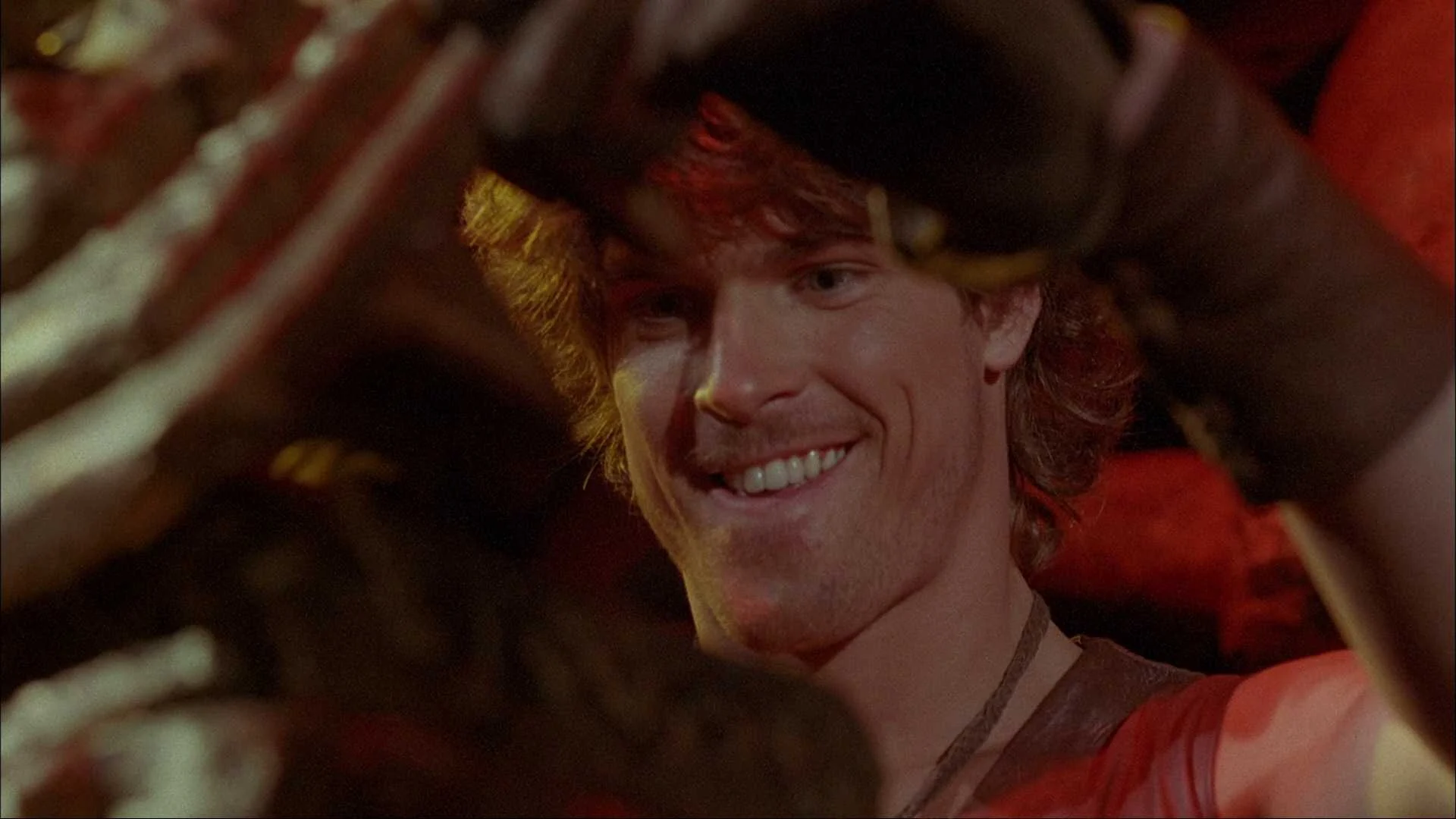
There’s not a huge amount of supplemental material with the two 80s titles, but the commentaries add a lot of value. The Deathstalker (1983) track isn’t hugely insightful, but it’s fun to listen to the guys as they laugh along whilst watching the film. It was seemingly quite an enjoyable shoot.
Like the film itself, the commentary for Deathstalker II is even more light-hearted than its predecessor. It’s a pleasure to listen to the team joke about the low-budget production and point out the cheesy gags they stole from other films.
Deathstalker (2025) is much more stacked when it comes to extras. There are two audio commentaries. The first, with Steven Kostanski and Daniel Bernhardt, is enjoyable. There’s quite a lot of backslapping, but the pair still share a number of production tidbits. Plus, they’re enthusiastic speakers and keep the energy going.
The second commentary track features Kostanski, director of photography Andrew Appelle and editor Robert Hyland. This gives a slightly more detailed look behind-the-scenes at how the film was made, but still has a jokey, friendly atmosphere. I loved it.
There are a pair of lengthy interviews included too. One is with Kostanski and Bernhardt, the other with Kostanski and members of the effects team. Both are strong pieces, providing background to the project and the team’s inspirations, as well as offering anecdotes from production.
Finally, there’s a short featurette on one of the stop-motion sequences in the film. Kostanski leads this and talks about his love of the process.
Looking at the physical side of the release, you get three large, handsome posters for the three films. The UHD discs are housed in the beautifully designed steelbook case, whilst the Blu-rays are in a standard plastic case. Everything is kept together by a gorgeous-looking hardcase with a cool 3D lenticular cover.
So, Imprint have put together a great-looking set, with three fun films and a decent handful of extras. Fans should definitely pick it up.
Disc/Features: