


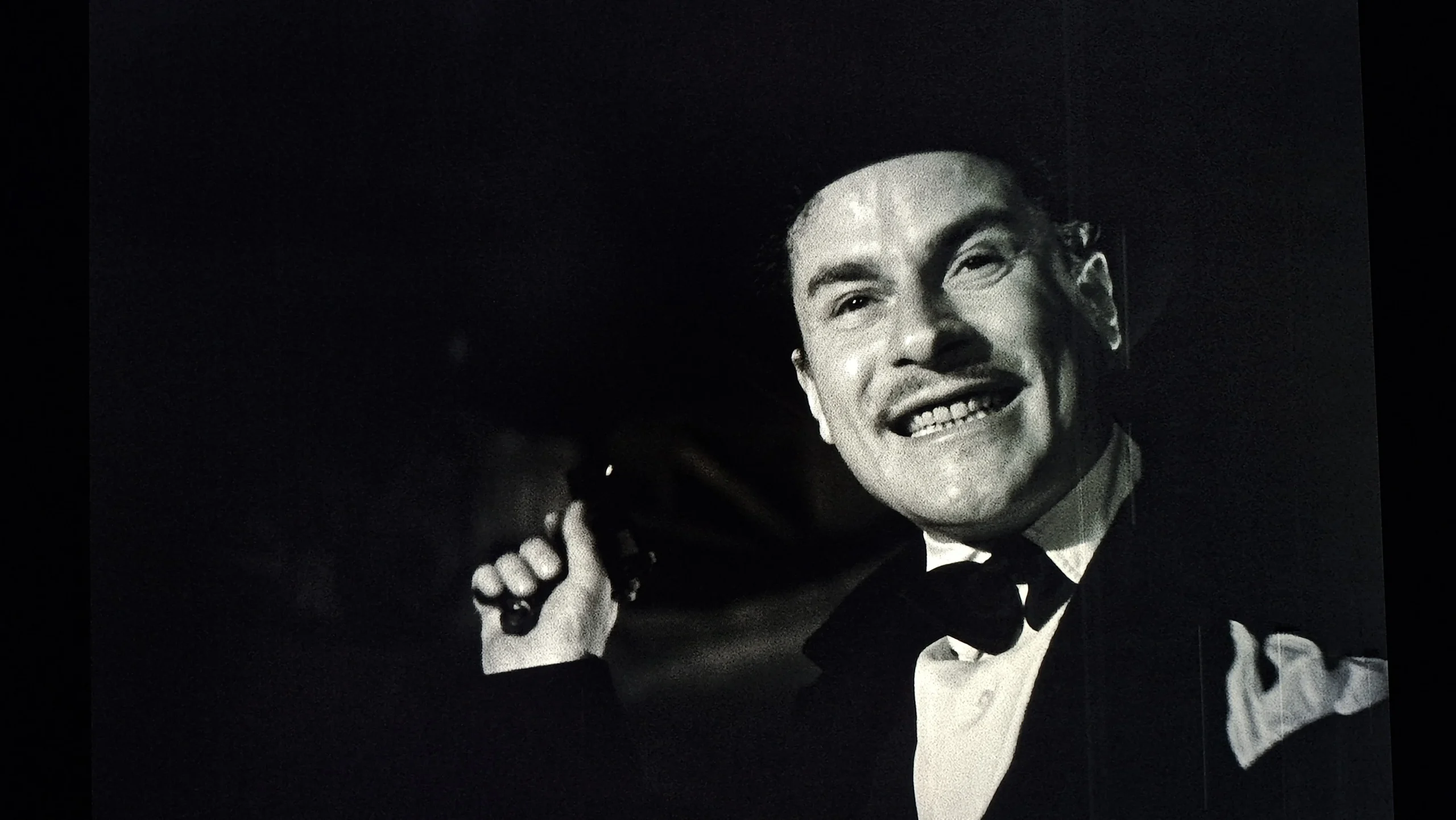
 Films: The Bandit (1946), Against the Law (1950), Four Ways Out (1951)
Directors: Alberto Lattuada, Flavio Calzavara, Pietro Germi
Country: Italy
BBFC Certificate: 12
Radiance is releasing its fifth World Noir boxset with three Italian post-World War Two movies. They share a set of common themes and trademarks from the era, and above all, are fast-paced gripping crime capers. They’re classic neo-realist films with heavy focus on Italian postwar poverty. Many of the same creatives worked on each film as that era of Italian filmmakers were a close-knit group.
Wayward protagonists are portrayed as sympathetic and relatable, more victims of circumstance than criminal by choice. Children play a major role, symbolising hope for a new era. Plus, the police are portrayed as heroes who are excellent at their jobs.
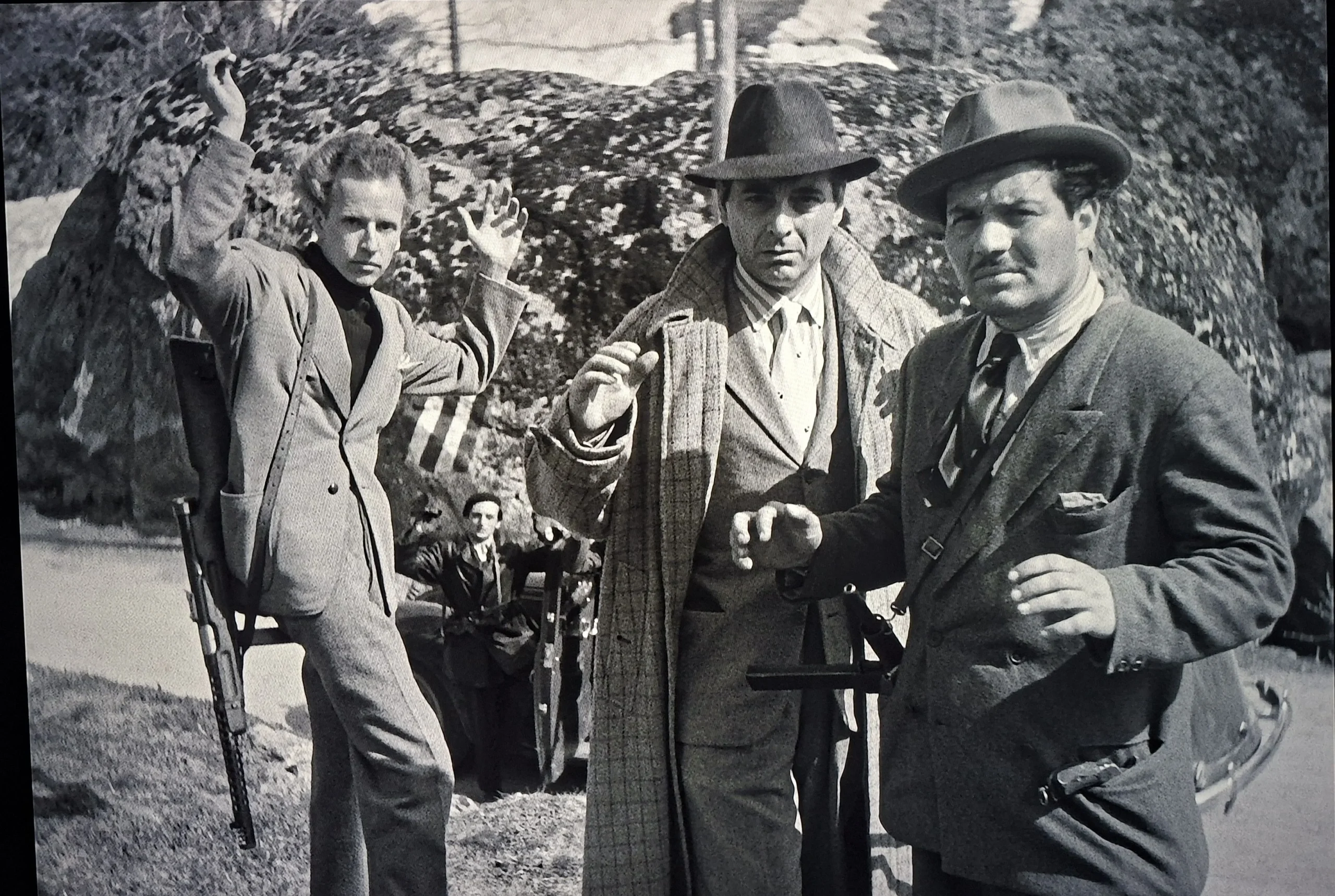
All three films are presented in 1080p with 4K restorations from the original camera negatives, released for the first time on physical media outside of Italy. They all share beautiful black-and-white photography and are presented in the crisp and clear quality you would come to expect from a boutique release.
They also come with the original uncompressed mono PCM audio for all films with a linear sound, so don’t expect noise to be blasting from all corners of your speaker set-up. The label has also curated newly improved subtitles so expect modern British style vernacular (at one point a character shouts “arsehole!” which is not a phrase I was expecting to hear in Italian cinema which makes a refreshing change to all the Americanisms usually found in subtitles).
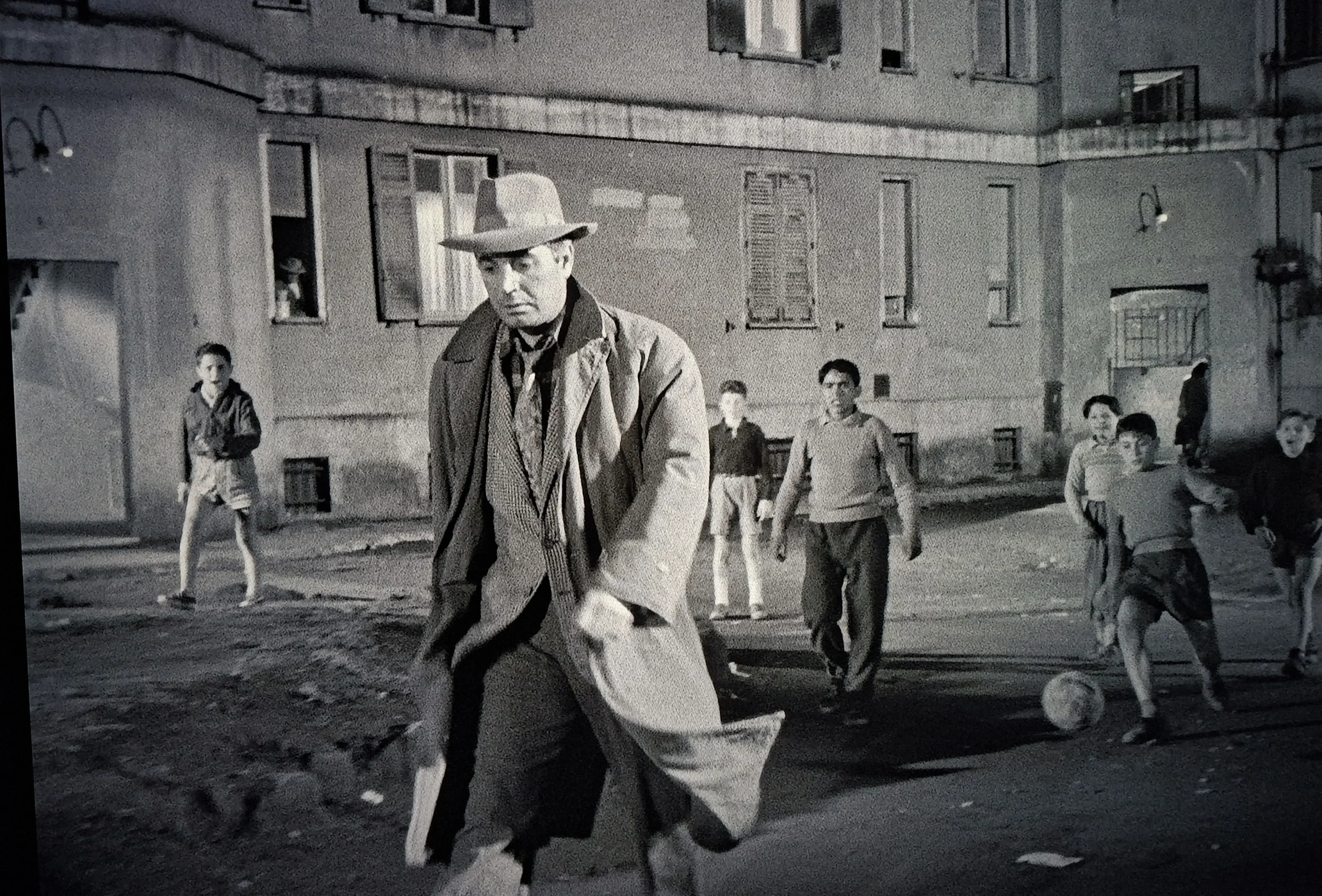
The package comes with three discs and each include fantastic video essays and interviews about the film and key actors involved. Below, I will jot down my thoughts on each film and its associated special features.
The Bandit (1946)
Director: Alberto Lattuada
Starring: Anna Magnani, Amedeo Nazzari, Carla Del Poggio
Running Time: 78 minutes
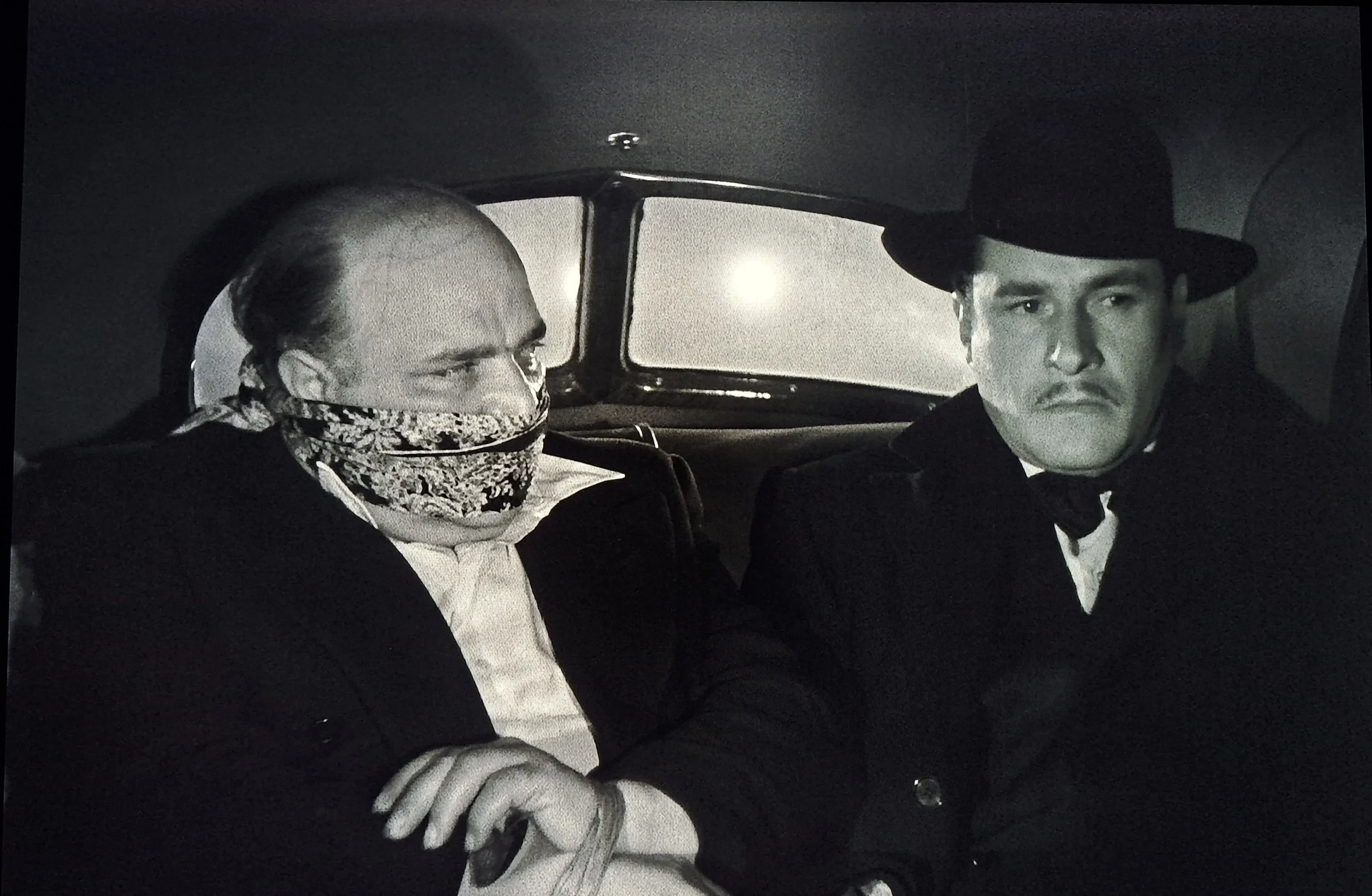
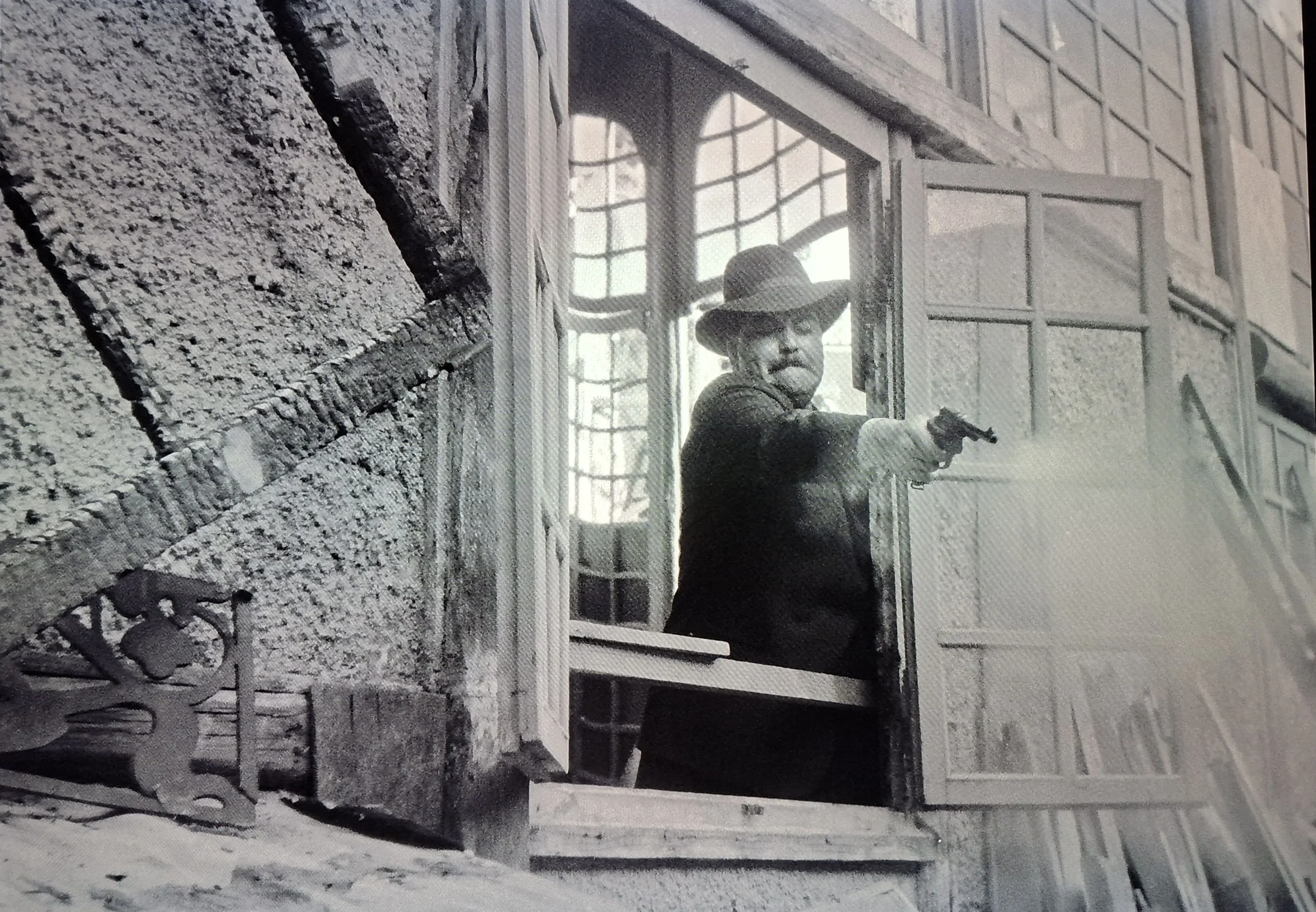
This has to be the strongest of all three movies with a suitably dashing lead Amedeo Nazzari (Nights of Cabiria) who’s a good-guy who gets sucked into a life of crime. It has three distinct acts, starting out as a rubble film, then gangster crime and finally ending as more of a melodrama. The cinematography of the ruined cities is striking and it provides a fascinating insight into the chaos and tragedy of soldiers returning home and not knowing if their families or homes have survived. The gangster sequences are madcap and fun, Nazzari believably changes into somewhat of a Scarface Robin Hood. There’s a real tenderness with the relationships in the film. There’s a barnstorming performance from actress Anna Magnani (Rome, Open City) as a malevolent femme-fatale. It also featured a wonderful jazz score. The minor gangsters were endearingly peculiar scumbags – in particular, a hunchbacked pianist.
Film rating:


Extras

Interview with critic Fabio Melelli on Lattuada’s career (2026, 18 mins): Fascinating look at how the director developed his trademarks and his “unique” approach to neorealism.
Interview with Evelina Nazzari about her father, actor Amedeo Nazzari (2026, 16 mins): This was a lovely interview – she clearly has so much love for her dad and it’s great to hear her anecdotes and that first person insight into the great actor. She spoke about his idiosyncratic nature and anxieties, which contributed to the decline in his career, and how the different the industry was when Nazzari was starting out.
Interview with Melelli and Evelina Nazzari about The Bandit (2026, 24 mins): A deeper dive into the movie, touching on Hollywood and French influences. They spoke of the fascinating backgrounds of the actors – quite a few of the key gangsters weren’t even trained actors.
Interview with critic Christina Newland on Anna Magnani (2026, 12 mins): Really glad this was included, what an enigma Magnani was! Newland spoke about her varied career and finding stardom later in life.
Against the Law (1950)
Director: Flavio Calzavara
Starring: Marcello Mastroianni, Fulvia Mammi, Renato Malavasi
Running Time: 99 minutes
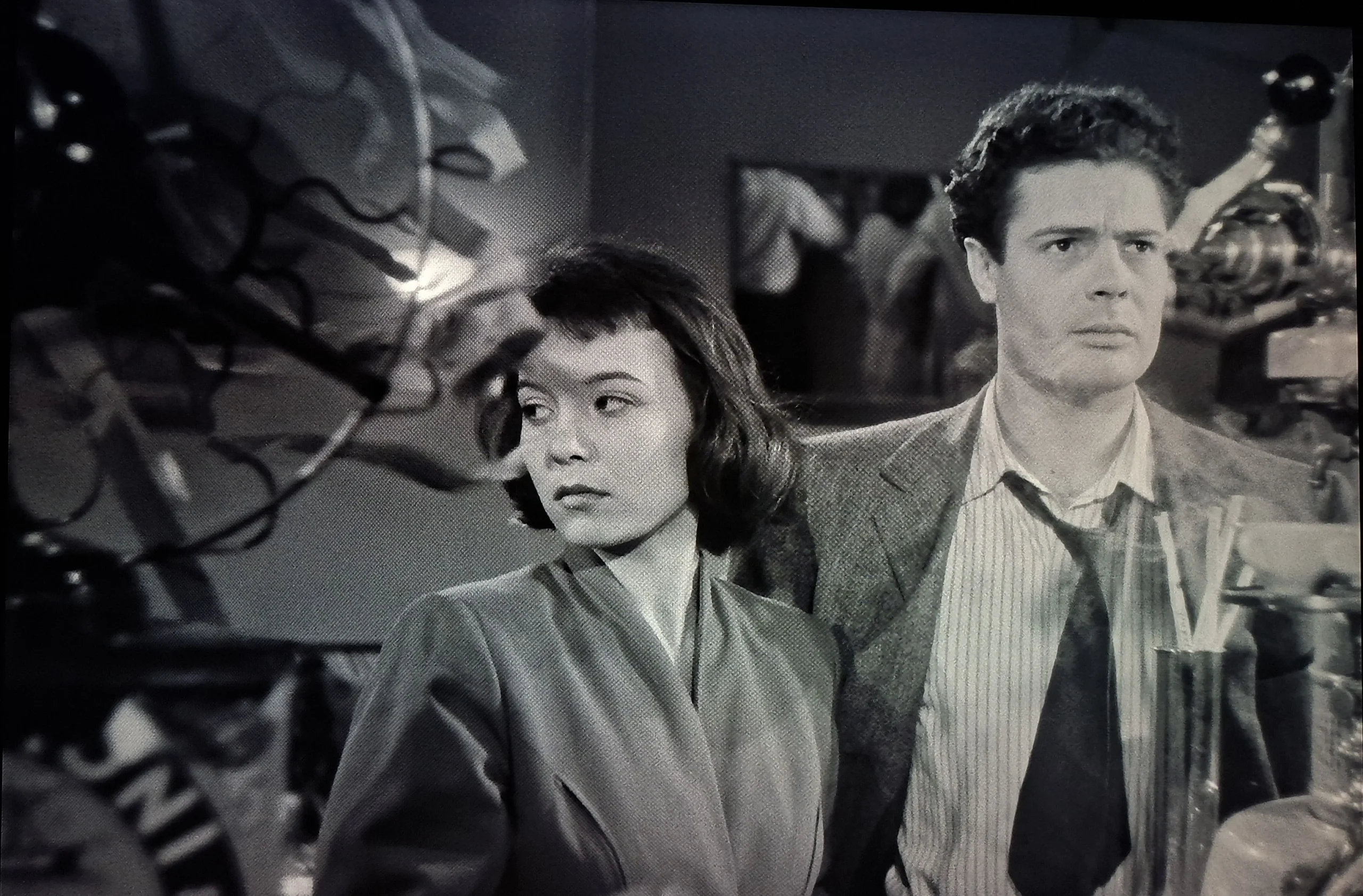
This film is most definitely requiring a re-watch as there were so many machinations that came together so perfectly at the end. It plays out like a police crime-procedural. We follow a young fresh-faced Marcello Mastroianni (La Dolce Vita) playing a man dealing fake currency who is arrested for a murder he didn’t commit. The plot is wildly ridiculous but it’s a fun watch and as mentioned, it does all resolve itself very smoothly. The cops are seriously good at their jobs and very amusing. It may have little depth but it’s very well crafted – a neorealist popcorn thriller.
Film rating:
Extras
Interview with Italian film expert Stephen Gundle on Flavio Calzavara (2026, 20 mins): Fascinating look at the director and his fascist links. Gundle describes Calzavara as an “artisan” rather than an auteur due to his mastery of the craft but being somewhat of a journeyman director. He takes a look at his techniques and trademark. He also points out a subtle The Bicycle Thieves (1948) reference in the film.
Interview with critic Manuela Lazic on Marcello Mastroianni (2026, 21 mins): Lazic describes how Mastroianni subverted the classic ‘Latin Lover’ trope but remained effortlessly cool. She speaks of his acting technique, and how he breathed humility into his characters.
Four Ways Out (1951)

Director: Pietro Germi
Starring: Gina Lollobrigida, Renato Baldini, Cosetta Greco
Running Time: 80/76 minutes
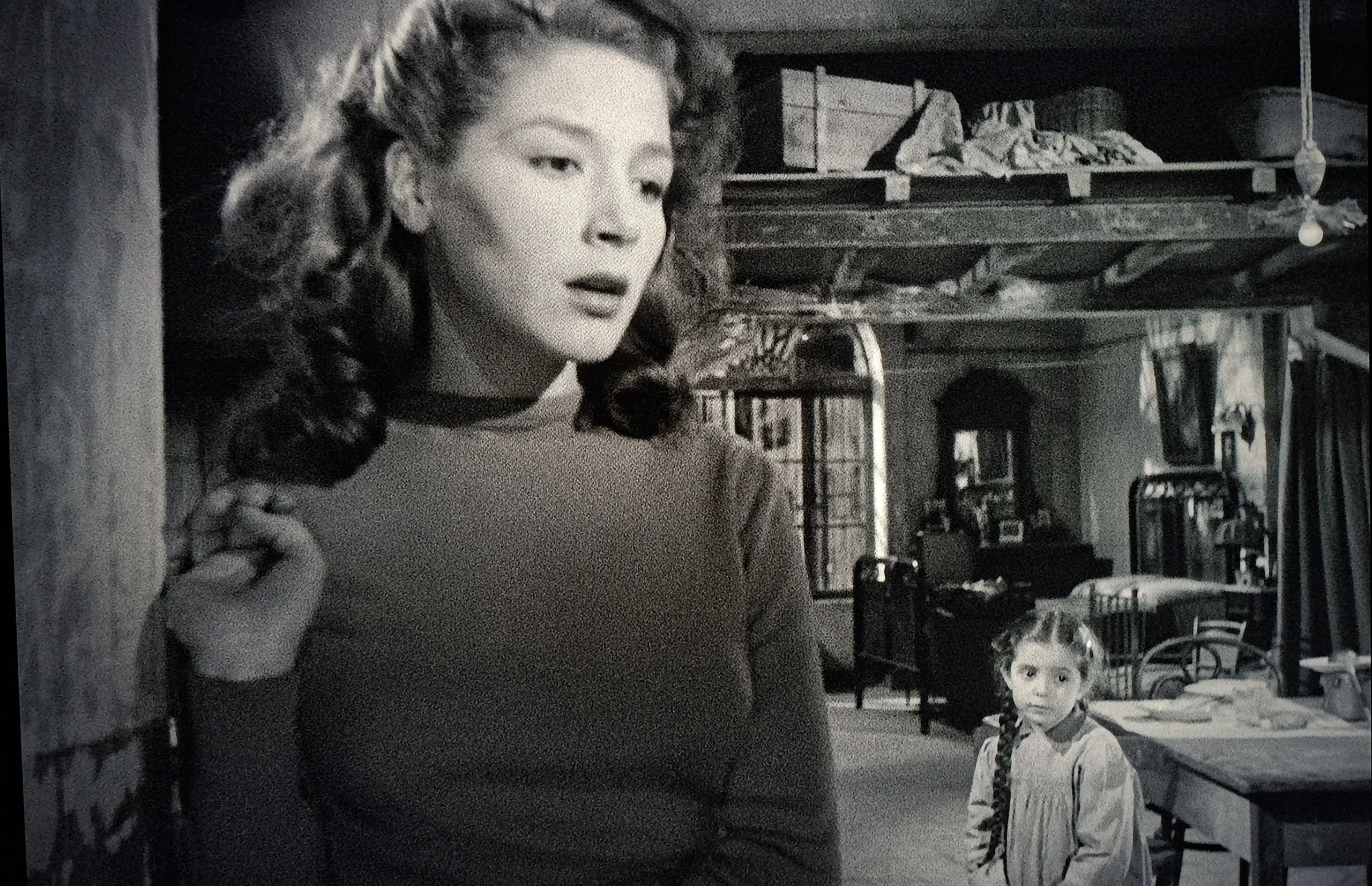
Much like The Asphalt Jungle (1950), we follow a heist gone wrong as the long arm of the law closes in on a gang of robbers. This film really lays the sentimentality on thick, going at pains to show why this gang of four ordinary men felt it necessary to hold up an office at a football stadium. There’s an authentic gritty depth to it and it’s full of compelling moments. It also feels the most ‘noir’ of the set with poverty row on display in the smoky murky backstreets of Rome. It must have felt a relatable film to audiences at the time. This one came with an alternative language cut, and I’d recommend it as both versions are dubbed, regardless. It’s slightly shorter, by about five minutes, but these seemed to be just small cuts that removed various establishing shots.
Film rating:
Extras
Interview with noir expert Imogen Sarah Smith (2026, 25 mins): Smith describes the film as a ‘black noir’ due to its bleak tone. She also speaks about the director’s contrasting venture into ‘pink noir’ later in his career with comedy Divorce Italian Style (1961). Very interesting to learn of how fascists hated the noir genre in particular as it tended to criticise the establishment.
Interview with Pietro Germi expert Mario Sesti (2026, 21 mins): Sesti’s animated dog really made this feature special. It was amusing to watch him breakdown the director’s career while also pushing away the delightful animal who was lapping at his face. He names numerous films that relate to Germi’s work. He speaks about how unfair it was critics skewered the movie during its release, despite it eventually winning Best Italian Film at the Venice Film Festival.
Extras rating:
Radiance releases World Noir Vol 5 on 31st August, 2026.