


 Director: Jennie Livingston
Producers: Jennie Livingston
Starring: Dorian Corey, Pepper LaBeija, Venus Xtravaganza, Octavia St. Laurent
Year: 1990
Country: USA
BBFC Certification: 15
Duration: 78 mins
“Imagine if someone in your family was gay. You’d never be able to stop laughing.”
Who is this vile quote from?, you may be wondering. I deeply regret to tell you that it came from me, albeit at the age of about seven or eight. I vividly remember saying it, at the family dinner table, probably apropos of nothing other than my own pre-pubescent delusion that any thought I had deserved to be vocalised. This would have been in the late 80s or early 90s, about the same time that Jennie Livingston’s seminal independent documentary Paris is Burning was released. Given that my family were open-minded liberals, the fact that this comment passed without anything other than brief unvoiced bemusement is a clear sign of how badly films like Livingston’s were needed. In my teenage years, when I began to take an interest in independent cinema, it was outsider viewpoints like her’s that quickly and decisively crushed my naive homophobia.
I think it’s important to open with this personal remembrance as Paris is Burning has received a lot of criticism since its release, focusing on whether a white filmmaker like Livingston had the right to document the lives of primarily Black and Latino LGBTQ+ ballroom communities or whether she was presenting a culturally appropriated and sanitised version designed specifically for white audiences. There are obviously conversations to be had here but the fact that Livingston is a gay filmmaker who was struggling against an industry that was actively keeping female directors down arguably makes her a stronger candidate for directing this documentary than most, and the growing focus on subsequent controversies, including an anniversary screening in which organisers initially booked an all-white panel, seem in danger of blotting the copybook of an extremely important film which should surely be celebrated. By comparison, the controversy of the Academy Awards ignoring Paris is Burning completely is mentioned far less than those that might dissuade the film’s ideal fanbase from viewing it at all.
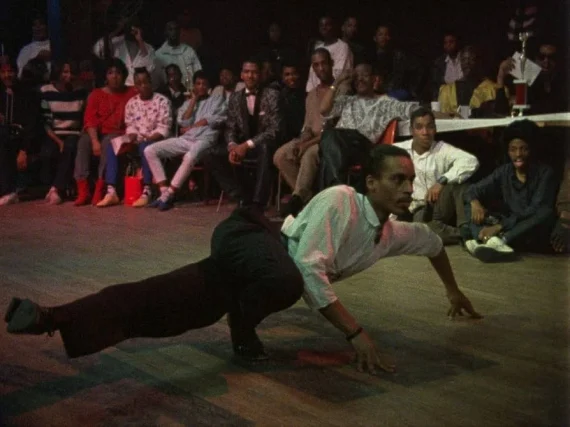
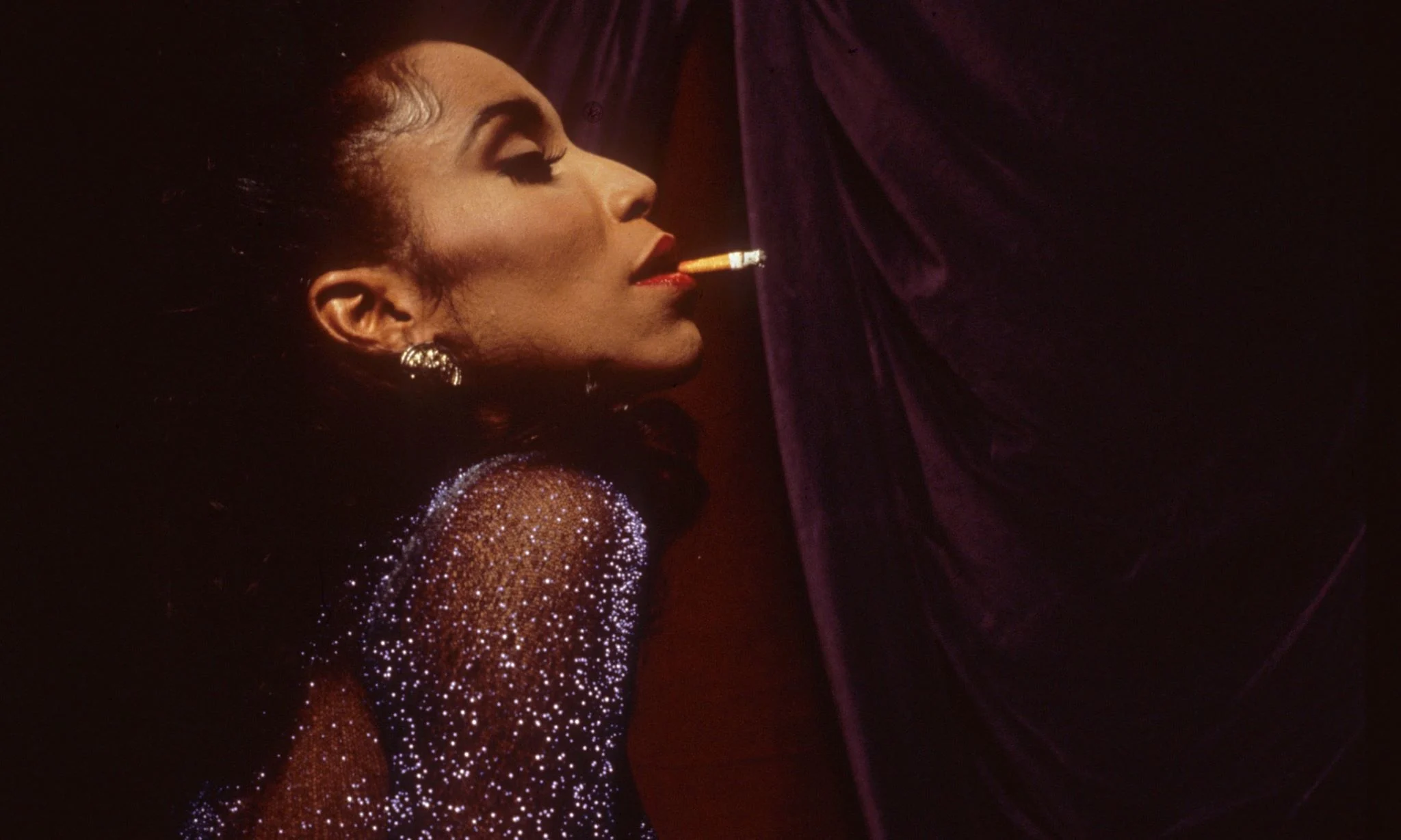
While it is important to acknowledge Paris is Burning’s complex history (and there is more to the story, for anyone who wants to look it up), I was very pleased to find that the beautiful new Criterion edition of the film is primarily a celebration of its excellence and its considerable positive influence, with numerous commentators and original participants offering viewpoints in the wonderful collection of special features. While it doesn’t shy away from the dangers and tragedies facing the Black and Latino LGBTQ+ community in the 80s, the footage of the ball competitions in which this marginalised group thrives are uplifting, invigorating, fascinating and funny. It would be hard to characterise Livingston’s direction or Jonathan Oppenheim’s editing as exploitative based on what is up on the screen, as not only does the film avoid showing the participants to be ridiculous, as was the contemporary trend in mainstream cinema’s superficial or hostile approximations, it shows them as really fucking cool! The subjects we meet in Paris is Burning are eloquent, witty, sincere and charismatic. If seeing them in action at the balls was the major selling point of the film’s marketing, it is the more intimate interviews between those scenes that give Paris is Burning its tender and moving heart.
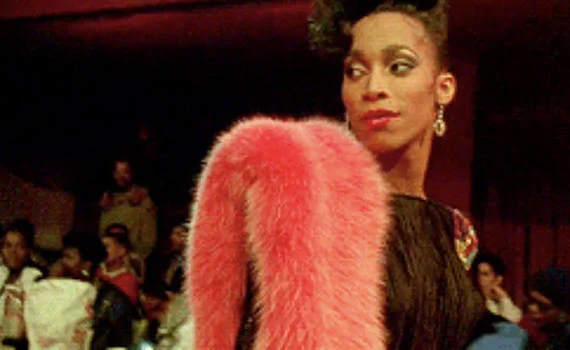
For those who haven’t seen Paris is Burning, I think it is important that I not say too much about the balls themselves as part of the joy of the film is having them explained in detail by the participants themselves, accompanied by Livingston’s riveting footage and enhanced by captions that make the spectacle easy to follow and understand. Of course, this is no substitute for the actual experience, and that is part of what makes Paris is Burning work so well. Rather than being an example of cultural appropriation, I would argue that it instead presents the majority of viewers with a culture they can never appropriate. While language from the ball scene, such as “shade” and “fierce”, has undoubtedly entered the wider culture, the scene itself belongs to the community. Livingston’s documentary affords everyone else the opportunity to glimpse and appreciate it without ever suggesting they could be part of it. This is as it should be, although those who spend their days enviously defaming Facebook posts about Pride parades will never quite understand that.
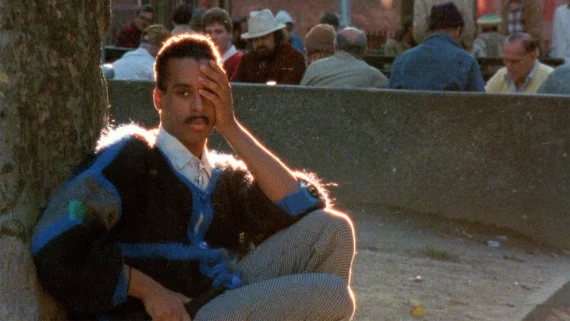
With the unmistakable energy of American Independent Cinema’s Golden Age, Paris is Burning still lights up the screen like few other films. It can stake a claim to being one of the best indie films ever made, one of the best documentary films ever made, and even just flat out one of the best films ever made. While it can be, and has been, argued that Livingston was not the right person to direct a film on this subject, the results are a strong argument to the contrary, especially since there were apparently no other talented young directors champing at the bit to create a record of the NYC ball scene’s Golden Age. As a former homophobic 8 year old, I can attest to Paris is Burning’s importance and as a woke, 44 year old dad who first saw the film over twenty years ago, I can vouch for its enduring brilliance.
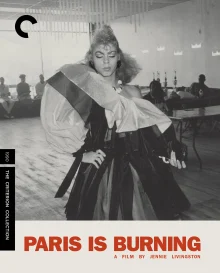
Paris is Burning is released on DVD and Blu-ray by Criterion on 17 August 2026. The wonderful extras include an audio commentary and a half hour interview that provide numerous insights from both the filmmakers and the ball community members, whose wit and charisma have not dimmed one iota in elapsing years. An interesting ten minute interview with filmmaker Jenni Olson helps situate Paris is Burning in the context of queer cinema, providing the viewer with numerous relevant recommendations. There is over an hour of outtakes that act as wonderful supplements to the film, and there is also a whole episode of The Joan Rivers Show which focuses on the film and welcomes its director and stars as guests. There’s a nostalgic rush to the experience of viewing 90s light entertainment and realising how endearingly sloppy and garish it could be, but it is also fascinating to see interviews from the time itself, and I appreciate Rivers’ opening up her show to this subject matter in an age of rampant homophobia.
The full list of special features is as follows:
-Audio Commentary featuring Jennie Livingston, Freddie Pendavis and Willi Ninja (ball community members) and Jonathan Oppenheim (film editor)
-Interviews: Jenni Olson (LGBT film historian), New conversation between Jennie Livingston, Sol Pendavis (ball community member), Freddie Pendavis and Thomas Allen Harris (film-maker)
-Episode of ‘The Joan Rivers Show’ from 1991 featuring Jennie Livingston and Dorian Corey, Pepper LaBeija, Freddie Pendavis and Willi Ninja (ball community members)
-Essay by Michelle Parkerson (film-maker)
-1991 review by Essex Hemphill (poet)
-Over an hour of never before seen outtakes
-Trailer