


Director: Ira Sachs
Screenplay: Ira Sachs
Starring: Ben Whishaw, Rebecca Hall
Year: 2025
Duration: 76 mins
Country: USA
Rating: 12A
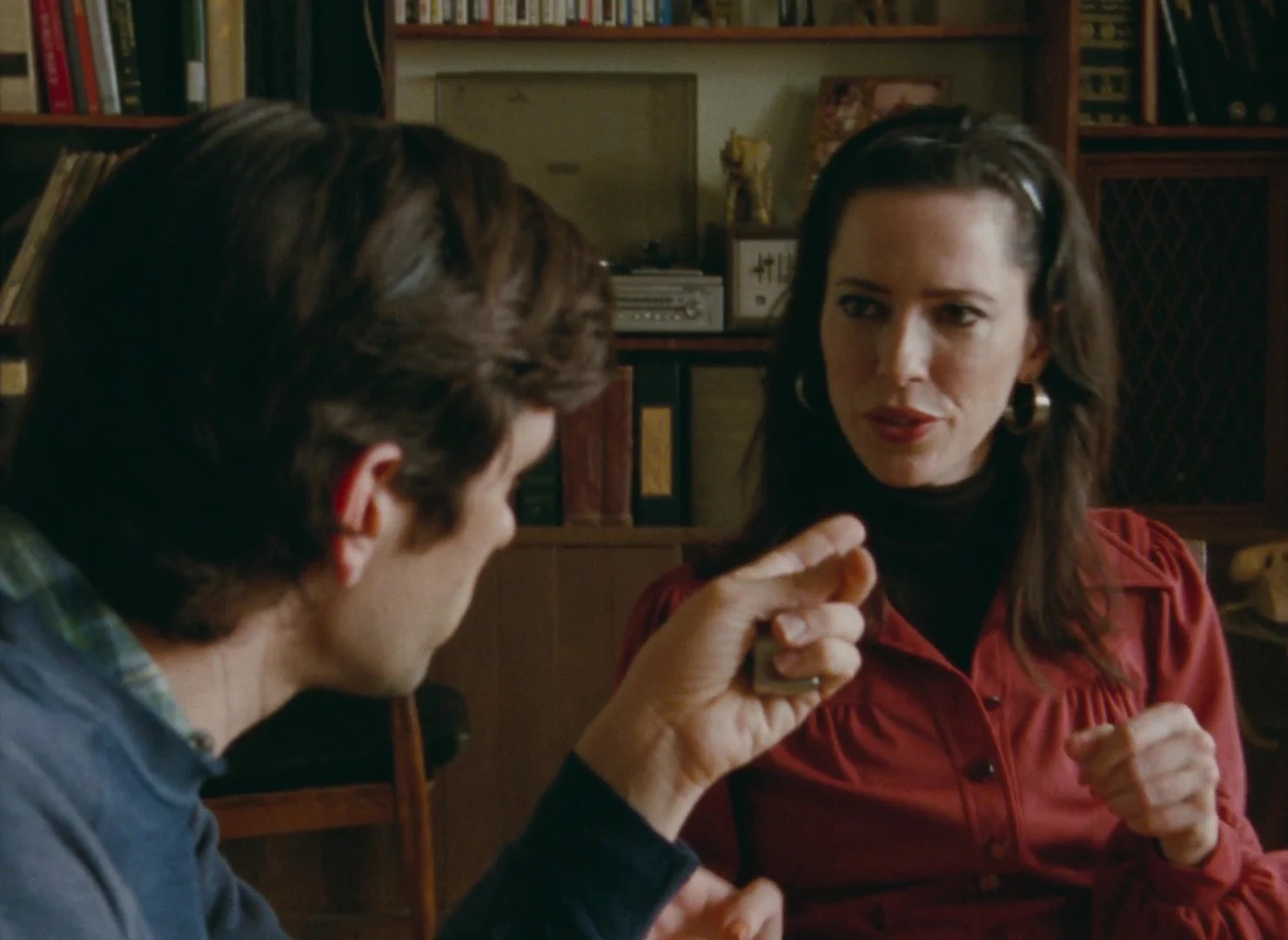
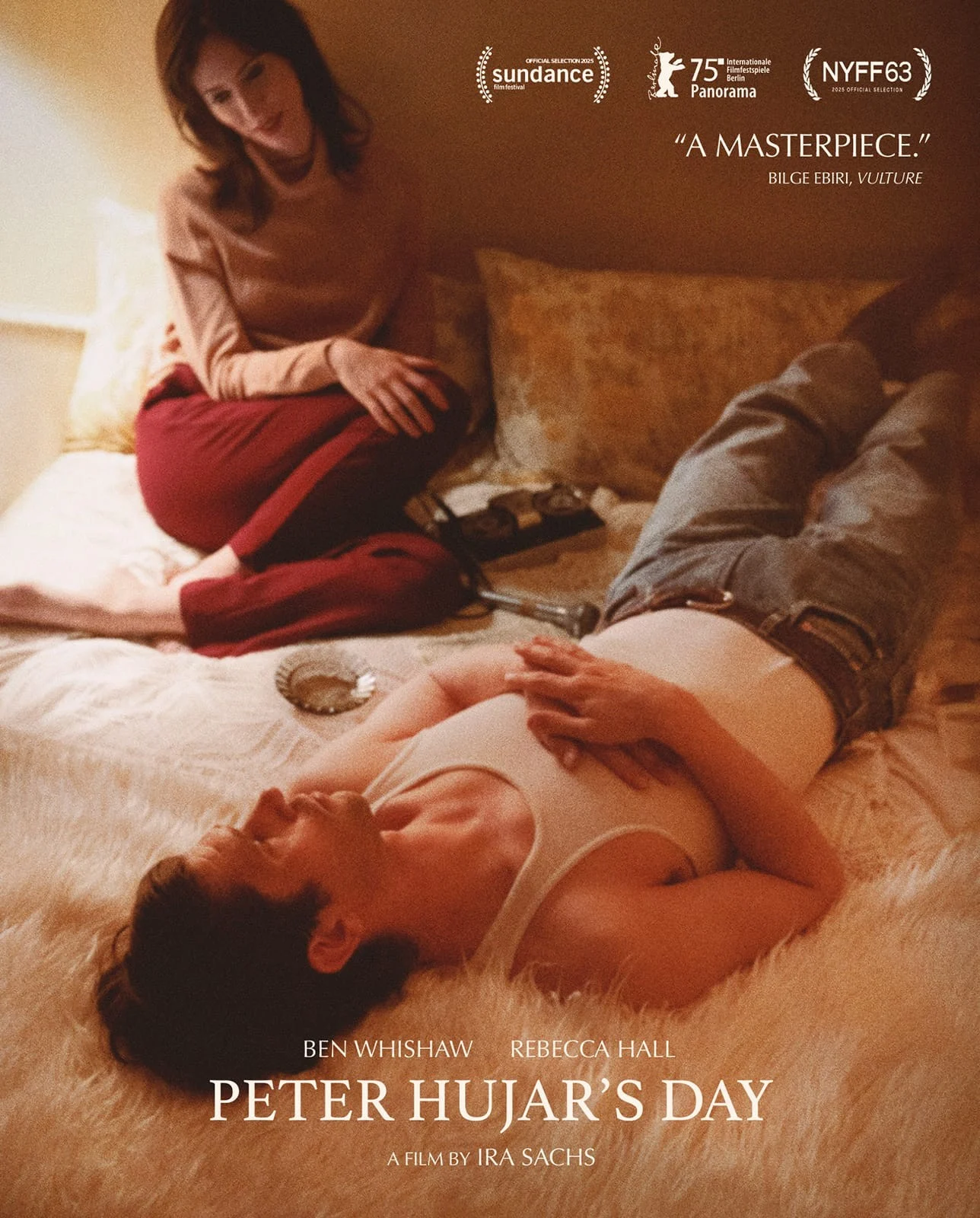
The film starts with the sound of director Ira Sachs setting up the shot and asking “roll sound”. We then get our first glimpse of Ben Whishaw as Peter Hujar with a clapper board in front of him. Straight away we are not meant to take this film as a documentary. The opening text tells us we are about to see the restaging of a conversation between New York photographer Peter Hujar and his friend, Linda Rosenkrantz, who wanted to record interviews with her friends in order to write a book about their days. The book never happened and the tape is lost, but a transcript was found in 2019, and this is that conversation in real time.
That framing matters because Peter Hujar’s Day is really a continuation of Sachs’ 2010 short, Last Address, a montage of New York buildings that once housed artists who died of AIDS. The same melancholic sensibility runs through both. Sachs is interested in what survives of people once they are gone, and how cinema might briefly hold them in place again.
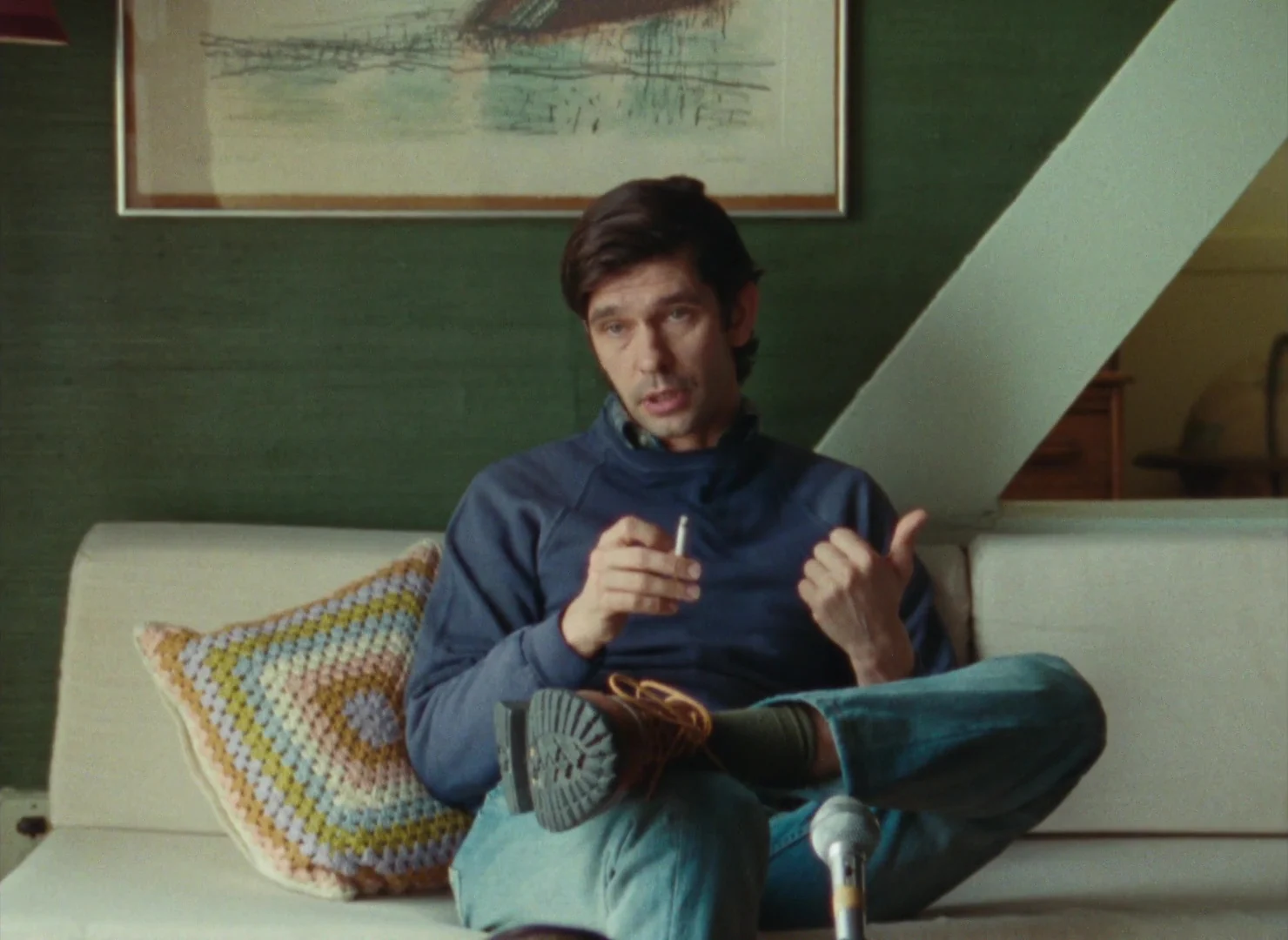
The film is shot in a boxy academy ratio on 16mm, so it’s a wonderfully tangible image that carries over into the items of Peter’s apartment that the two of them interact with. The clicky buttons on the reel to reel recorder, the out of tune piano, the mismatched teapot and cups. These details have so much importance because I believe they are the only thing that remains of their actual selves outside of their art. The world feels lived in and real, so that whenever the veneer drops and we get snatches of the construction of the film, or in one shot the whole crew, it takes us out of this false reality and into the present where these two people no longer exist.
The performances from both Whishaw and Hall hold that fragile reality together. They have to make us believe this is just another afternoon these two are having, and both are careful not to load the delivery with too much emotion or to telegraph connections to the audience. We get mentions all through the film of Sontag, Burroughs, Ginsberg, but the names are dropped without comment or explanation. These are just the people of the time and carry no additional weight in their conversation.
Ira Sachs generally doesn’t use the same cinematographer twice, instead liking to find someone who inspires the look and feel of his next project. For Peter Hujar’s Day he uses Alex Ashe who brings a very painterly quality to the box frame and highlights the very important movement and difference of the passing sun.
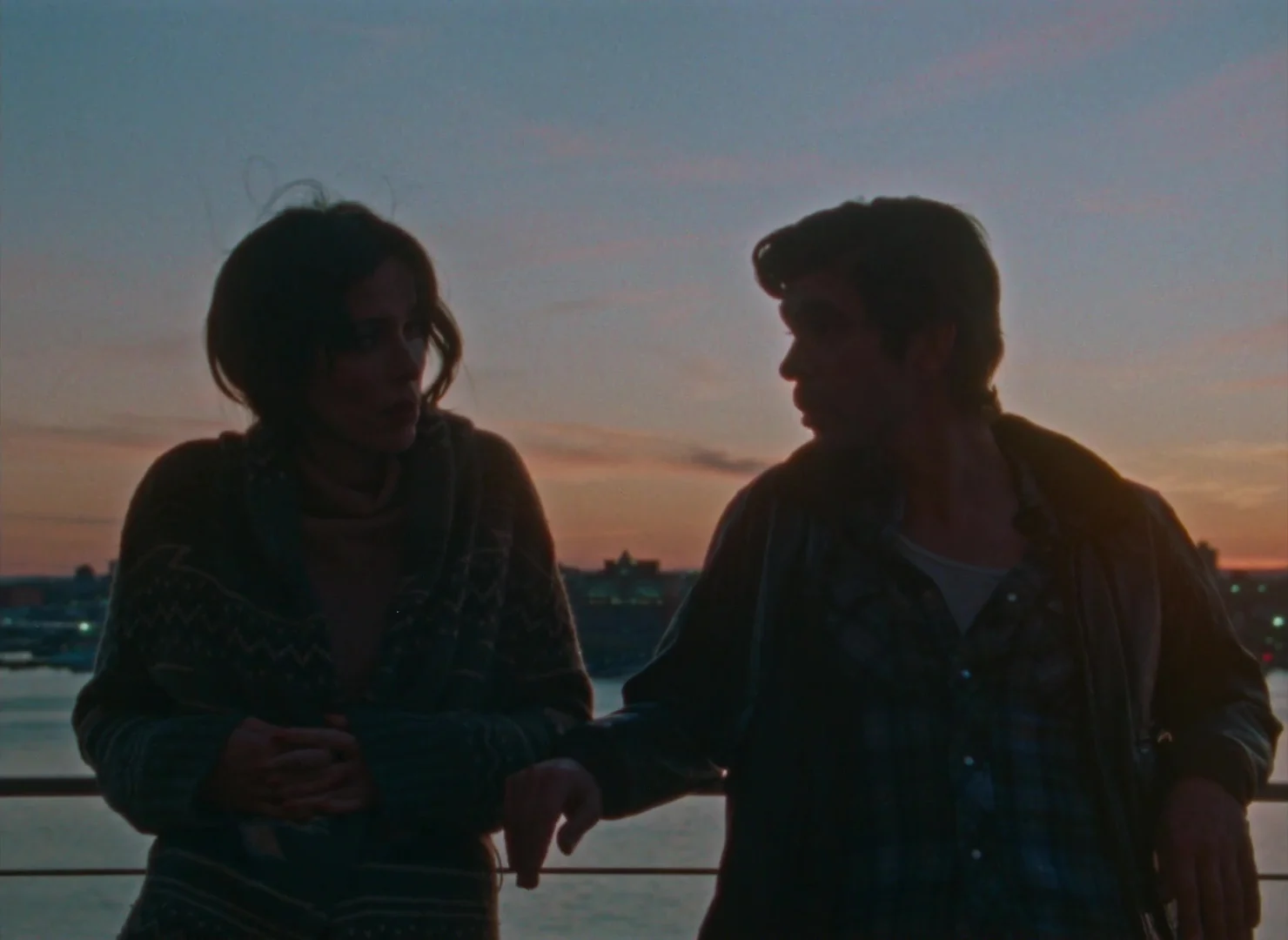
Like The Before Trilogy, the joy here comes from spending time with these people as they just talk. We don’t have to be cognisant of every little detail. Just by the way they say things, or look at each other, we get to feel the real story. And because we know Peter and the world around him are already gone, that ordinary afternoon becomes the thing the film is quietly preserving.
Special Features
Meet the Filmmakers: Ira Sachs, a Criterion Channel original interview
This short but fascinating interview gives you a broad view of the making of the film and why Sachs is interested in telling Peter Hujar’s story. It’s a little light on the conceptual elements and would have liked a longer discussion that could have allowed those answers to bloom.
Images: Making “Peter Hujar’s Day,” a new documentary by Shuli Huang
I really enjoyed this documentary of the making of the film. There are no on-camera interviews and instead we watch vignettes captured on set; the construction of the set, shooting the first scenes with Ben and Rebecca, interiors of the buildings’ corridors with Sachs’ disembodied voice providing a hint at some context for the images. This documentary works as a perfect companion piece to follow your viewing of the main feature.
Booklet
There is also a booklet provided with notes by author and film curator Michael Koresky but they weren’t supplied for review.