


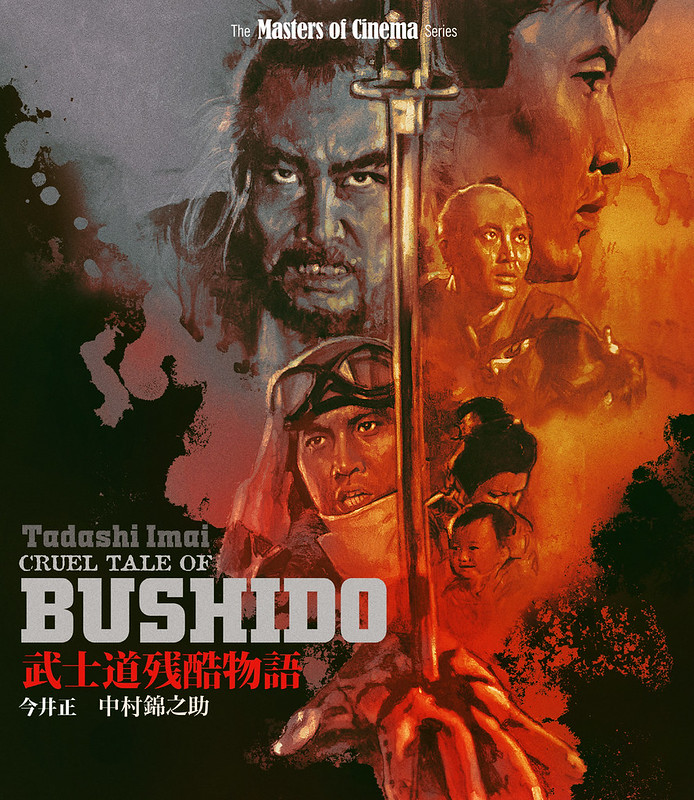
 Director: Tadashi Imai
Screenplay: Naoyuki Suzuki, Yoshikata Yoda
Based on a Story by: Norio Nanjo
Starring: Kinnosuke Nakamura, Eijirô Tôno, Kyôko Kishida, Masayuki Mori, Shinjirô Ebara, Yoshiko Mita, Ineko Arima, Isao Kimura
Country: Japan
Running Time: 122 min
Year: 1963
BBFC Certificate: 15
The famous ‘Bushido code’ wasn’t actually an official set of rules, back in the feudal days of the samurai. It’s believed to have been created by Inazo Nitobe in his hugely influential book ‘Bushido: The Soul of Japan’, published in 1899. Nitobe simply amalgamated various traditional warrior ethics that the samurai may or may not have followed.
However, the idea of a strict samurai code of honour stuck, aided by the fact that Bushido fitted the militarist and imperialist ambitions of the Japanese government at the time the book was published.
The concept of Bushido became something many chanbara (swordplay/samurai) and jidaigeki (period) tales explored over the years, through books and films, leading to the popular belief that this code actually existed when, by all accounts, the samurai were cruel and oppressive.
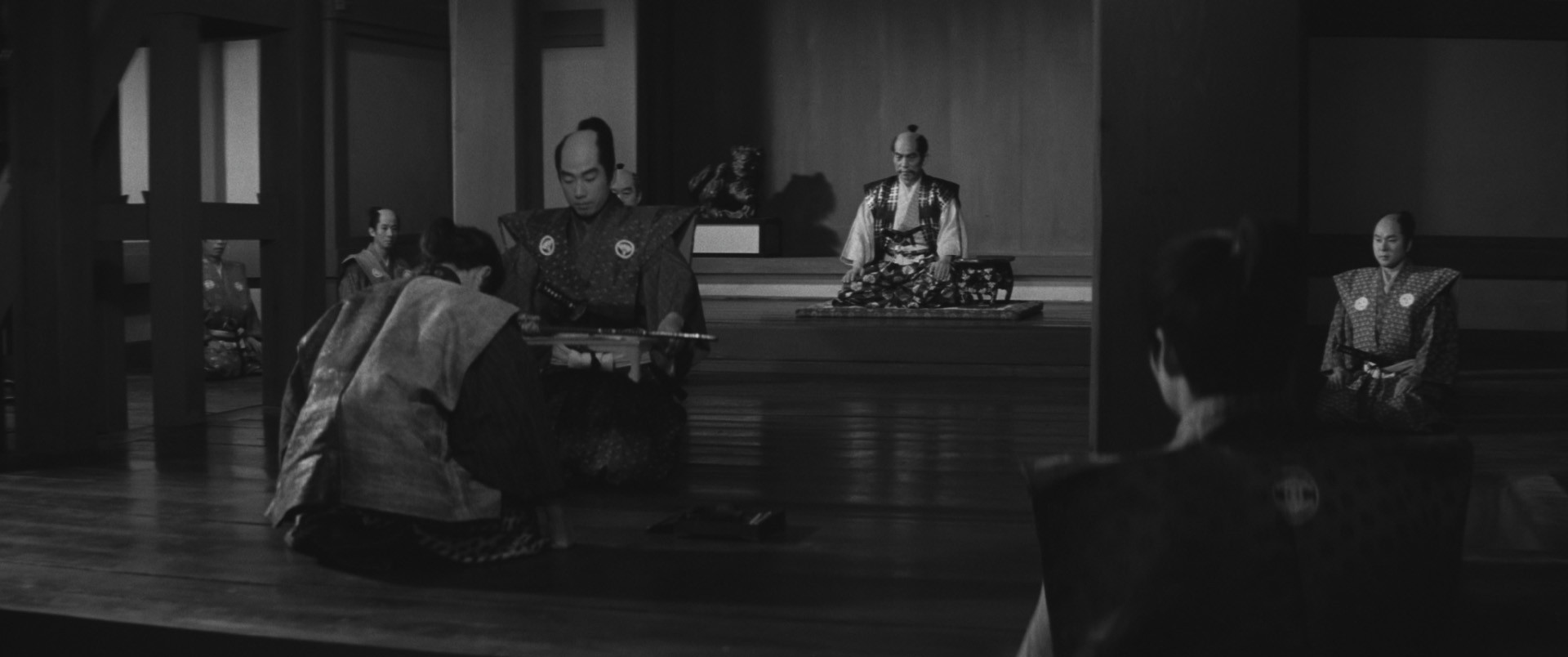
Earlier chanbara films tended to celebrate the Bushido code, but, particularly after the success of Masaki Kobayashi’s Harakiri in 1962, they began to be more critical of it. A year following that, Tadashi Imai pushed this criticism even further in his masterpiece, Cruel Tale of Bushido (a.k.a. Bushido or Bushidô zankoku monogatari).
Eureka are releasing Cruel Tale of Bushido on Blu-ray as part of their Masters of Cinema series and, having thought highly of Imai’s Revenge, which they released previously, I leapt at the chance to review it.
To summarise the plot of Cruel Tale of Bushido, let me quote from Eureka’s press blurb, “Kinnosuke Nakamura (Miyamoto Musashi) stars in multiple roles, playing seven generations of men belonging to the same family. In the modern day, salaryman Iikura is devastated by his wife’s attempted suicide. To distract himself, he begins working through his recently discovered family records. As he traces his personal history across 350 years, he discovers tale after tale of men who have suffered, debased themselves and made untold sacrifices in the name of Bushido, or the moral code of the samurai.”
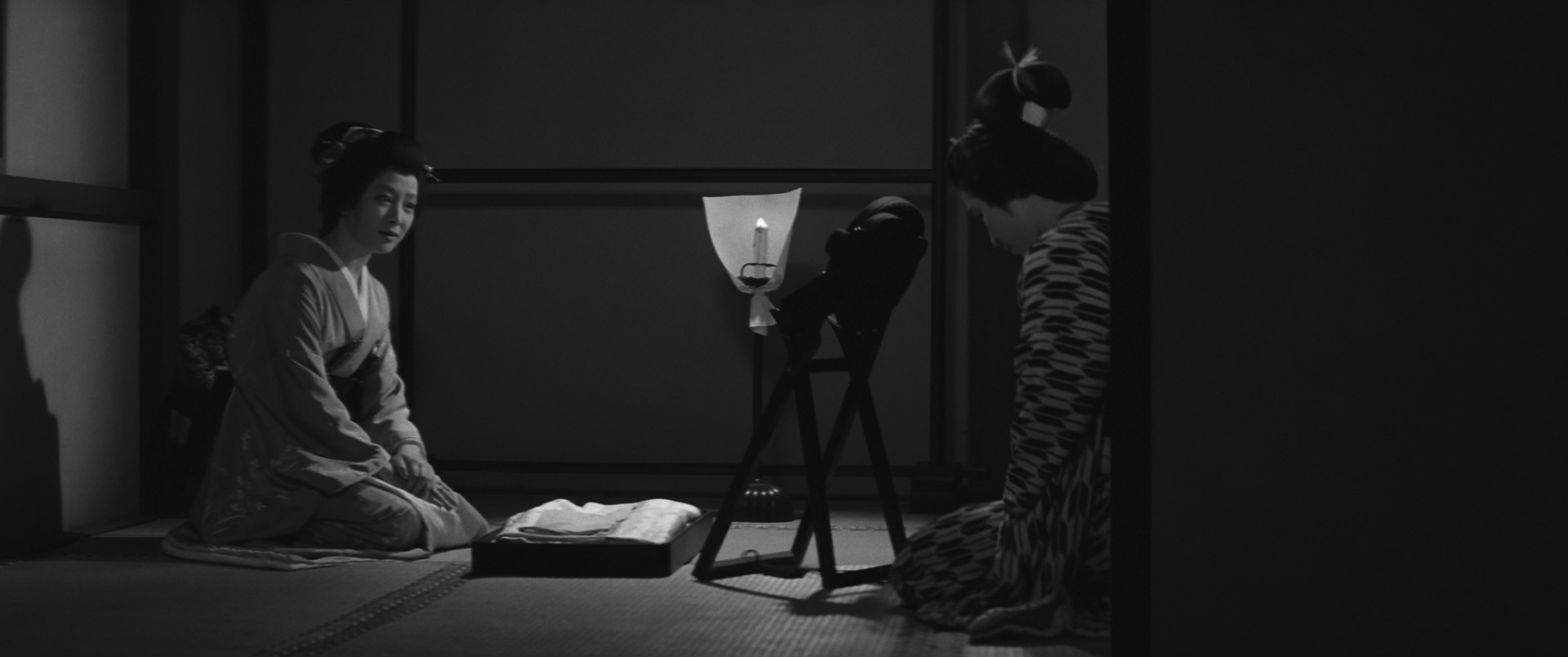
Cruel Tale of Bushido certainly lives up to its name, as it’s a bleak, brutal film. None of Iikura’s family has it easy, and there’s little hope as the story moves across the generations. The film looks at how, throughout Japanese history, the supposed obligation to blindly serve those of a higher stature has only led to suffering. The wives and families often take the brunt of this.
The problems with following this unspoken code are also reflected in the life of ‘salarymen’ in the modern business world. Whilst the samurai no longer exist, men in the middle-lower strata are still strong-armed into damaging sacrifices to win favour and find success.
The relentlessly bleak nature of Cruel Tale of Bushido makes it a film that’s difficult to fall for in an emotional sense, but it remains a powerful watch.
In a particularly harrowing segment, where one of Iikura’s descendants, Kiyutaro, is taken as a concubine by his daimyo/lord, we see one of the first depictions of homosexuality in a chanbara film. It doesn’t cast homosexuals in a good light, admittedly, but it was, at least, taboo-breaking.
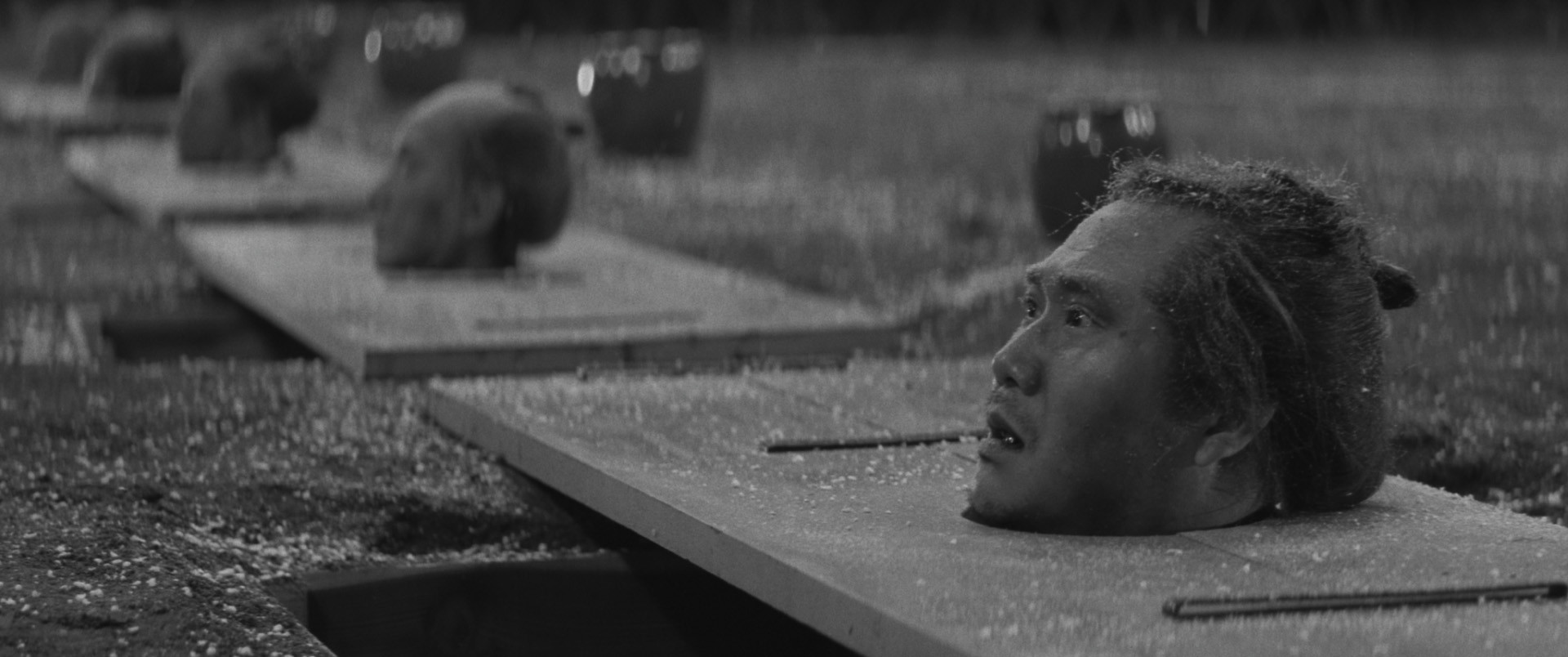
There are some more grisly and violent passages too, such as when we see some rebellious farmers sentenced to death by having their heads sawn off with particularly nasty-looking bamboo saws! One of the ancestors is also tricked into carrying out a pretty horrific double execution.
The film is superbly directed, with Imai perfectly capturing the essence of each segment through subtly different cinematic approaches. Great use is made of the elements, too, as well as the occasional visual trick. I love how the lights shift to a spot on one character early on, and there’s also a cool twisting camera move that puts a straight shot into a canted angle.

The score by Toshirô Mayuzumi is incredibly effective, too. He often uses offbeat rhythms and atonal passages to add to the unsettling tone of the film.
Overall, Cruel Tale of Bushido is a bleak, damning portrayal of the supposed samurai ‘code of honour’, in various forms. Crafted with skill and packing a punch, it’s a gruelling classic that deserves to be better known.
Film: 

Cruel Tale of Bushido is out on 23rd March on Blu-Ray, released by Eureka as part of their Masters of Cinema series. The transfer is impressive, with a clean, crisp picture and beautiful tones. You can see the actors’ breath at some points, it’s so detailed. Audio is available in both mono and 3.0 (or at least, that’s the note I wrote when watching it – the press material says 5.1). I watched in mono and had no issues.
SPECIAL FEATURES
– Limited edition O-card slipcase featuring new artwork by Tony Stella [2000 copies]
– Limited edition collector’s booklet featuring new writing by Japanese cinema expert Hayley Scanlon [2000 copies]
– 1080p HD presentation from a 4K restoration by Toei
– Original Japanese mono audio
– Optional DTS-HD MA 5,1 audio
– Optional English subtitles, newly revised for this release
– Telling a Cruel Tale – new interview with film critic Tony Rayns
– Seven Kinds of Samurai – new video essay on Cruel Tale of Bushido and Japanese history by Jonathan Clements, author of A Brief History of Japan
– Trailer
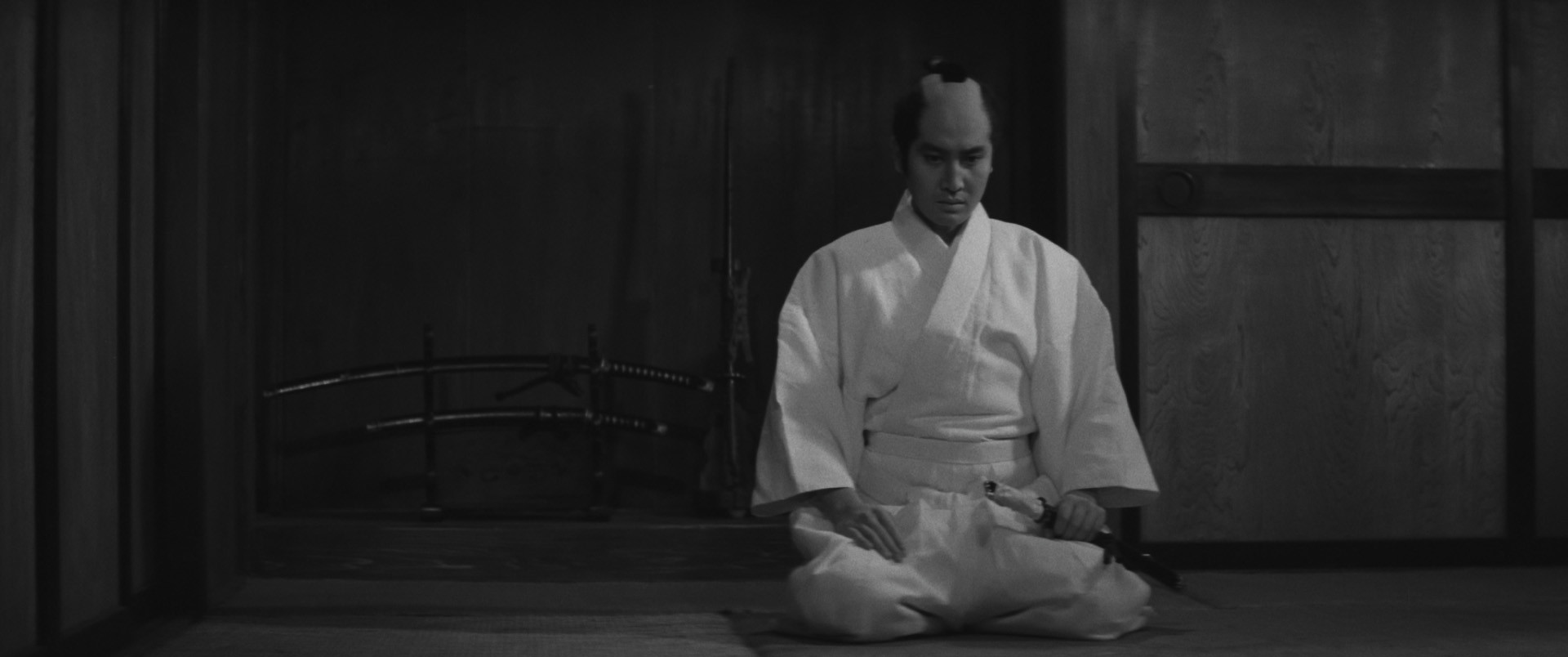
Jonathan Clements provides an essay called ‘Seven Kinds of Samurai’ (not ‘Years of Honour’, as listed online) which looks at the film’s themes, depiction of Japanese history and how it comments on modern Japan at the time of its release. It’s a thought-provoking addition to the set.
Tony Rayns also discusses the film in an interview. He talks about director Tadashi Imai and digs into the production history and themes. It’s an excellent piece.
The booklet largely consists of an essay by Hayley Scanlon that looks at the origins of the Bushido code and how this is explored in the film. It makes for a valuable read.
So, whilst not overflowing with extras, what is included is of a high standard and, when added to such a strong film, makes for a release that I’d highly recommend.
Disc/Package: 