



Cricket has a natural advantage on the big screen: the sport is built around anticipation, pauses and sudden changes of momentum. A batter can defend for several deliveries before one shot changes an innings, while a bowler can create tension simply through the rhythm of the run-up. This makes cricket a useful cinematic language for stories about ambition, rivalry, identity and personal sacrifice.
Filmmakers have approached the game from very different directions. Some turn a match into the centre of a historical conflict, others follow an aspiring player trying to reach professional level, while documentaries preserve the personalities and achievements of famous teams. For viewers who follow live cricket as well as films, digital platforms that present current match lines can provide another layer of interaction; online betting cricket can sit alongside live scores and statistics when adults track an ongoing fixture.
Why Cricket Makes Such Effective Cinema
Cricket is unusually suitable for storytelling because its structure creates repeated moments of expectation. Unlike sports where action moves almost continuously, cricket gives filmmakers time to show preparation, strategy and reaction.
A single delivery can be presented from several perspectives: the bowler’s approach, the batter’s decision, the captain’s field placement and the crowd’s response. Between deliveries, characters can communicate, reconsider tactics or react to previous mistakes.
That rhythm also allows cricket films to move naturally between sporting action and personal drama. A training session can introduce a character’s weaknesses. A selection decision can create conflict. A missed opportunity can become the turning point in a career.
Top 5 Cricket Movies to Put on a Film List
1. Lagaan: Once Upon a Time in India (2001)
Ashutosh Gowariker’s Lagaan places cricket inside a fictional story set in colonial India. Villagers facing severe taxation are challenged to a cricket match by British officers, with the result carrying major consequences for their community.
The most effective part of the film is the way it teaches the audience the game alongside the characters. The villagers are unfamiliar with cricket and have to learn its rules, develop individual roles and build a functioning team. Training scenes gradually establish the abilities of the players before the final match becomes the centre of the narrative.
The film received an Academy Award nomination for Best Foreign Language Film and helped bring an Indian cricket story to international audiences. Its combination of sport, historical setting and character development makes it much larger than a conventional match movie.
 2. Iqbal (2005)
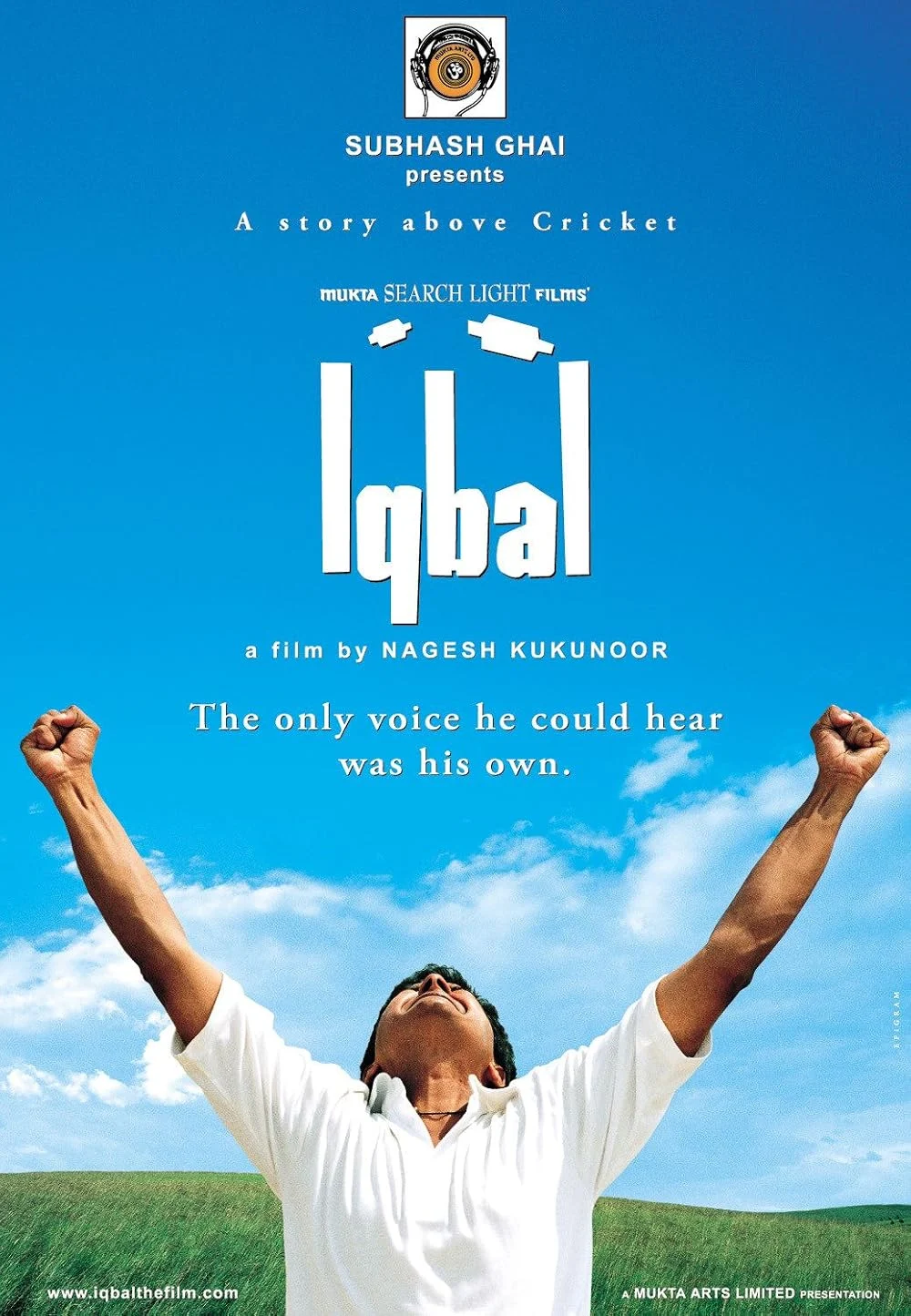
Nagesh Kukunoor’s Iqbal focuses on a young man from a rural Indian community who is deaf and cannot speak but dreams of becoming a professional cricketer. His ambition is centred on fast bowling and the possibility of reaching the national level.
The film is especially interesting for viewers who want to see the development of a player rather than only the excitement of major matches. Repeated practice, coaching, technique and selection pressure are important parts of the story.
Cricket also becomes a form of communication for the protagonist. His physical ability and bowling technique allow him to demonstrate potential when ordinary verbal communication is not available to him.
3. 83 (2021)
Kabir Khan’s 83 reconstructs India’s 1983 Cricket World Cup campaign under captain Kapil Dev. Unlike fictional sports dramas, the film is based on a well-known historical tournament, so its suspense comes from the circumstances surrounding the matches and the team’s internal dynamics.
The story spends significant time on the players, dressing-room relationships and pressure created by international competition. It shows how a tournament is experienced not only through scorecards but through decisions, setbacks and changing confidence.
4. M.S. Dhoni: The Untold Story (2016)
This biographical drama follows Mahendra Singh Dhoni from his early years toward international cricket, with Sushant Singh Rajput portraying Dhoni. Directed by Neeraj Pandey, the film is structured around the gradual development of a professional player rather than one specific tournament.
Its cricket narrative covers local competition, coaching, opportunities, selection and the increasing demands placed on a player as the level rises. The story also connects cricket with family expectations, employment and the practical difficulties involved in pursuing a professional sporting career.
The result is a reminder that an international career is usually built through many less visible stages. Major matches may define a player’s public image, but training and domestic competition form the foundation underneath it.
 5. Fire in Babylon (2010)
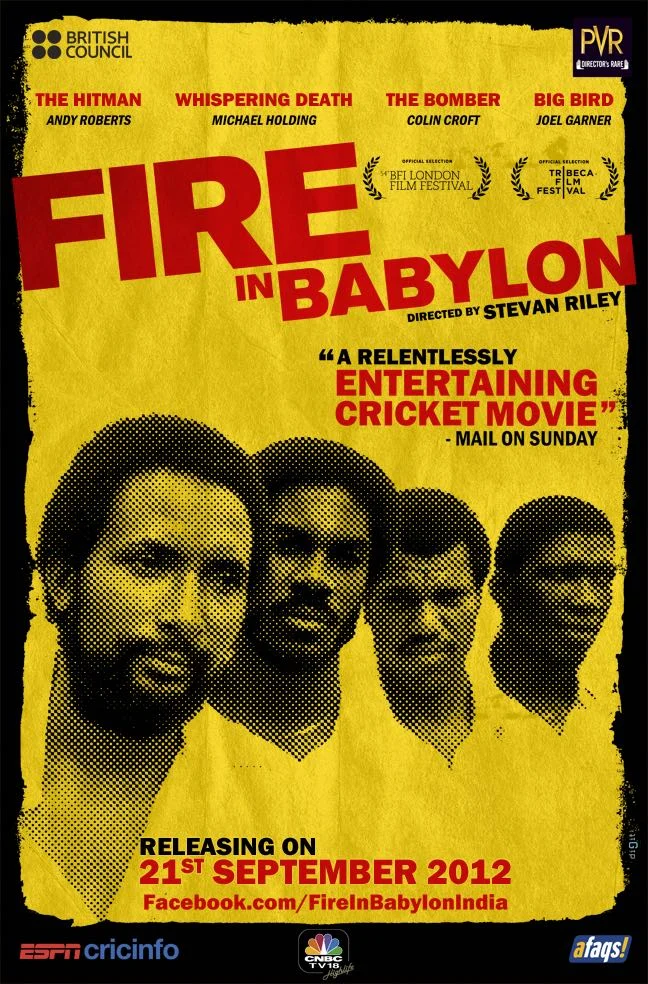
Stevan Riley’s Fire in Babylon takes the documentary route, examining the West Indies cricket teams of the 1970s and 1980s. Instead of recreating events with actors, it uses archival footage and interviews with figures connected to the period.
The documentary examines the extraordinary dominance of West Indies cricket during an era associated with powerful fast bowlers and outstanding batsmen. It also places sporting achievements within a wider social and cultural context.
Historical footage preserves the speed, technique and personalities of the players themselves, while interviews explain what that period meant to those who experienced it.
What These Films Reveal About the Sport
The five films use cricket for five different purposes. Lagaan turns a match into the centre of a historical conflict. Iqbal concentrates on training, ability and personal ambition. 83 recreates a famous international campaign. M.S. Dhoni: The Untold Story follows the development of a professional career, while Fire in Babylon treats cricket as cultural and sporting history.
Several recurring elements make these stories work:
– Pressure: A single delivery can change the direction of a match.
– Team structure: Individual talent matters, but roles must fit together.
– Preparation: Training and tactical planning often determine what happens during the match.
– Leadership: Captains influence field placement, bowling changes and team mentality.
– Momentum: Cricket allows a team to recover from a difficult period or lose control after a few mistakes.
– Personal stakes: Selection, reputation, family expectations and national attention can make sporting results meaningful beyond the scoreboard.
This is also why cricket films can appeal to people who are not devoted followers of the sport. The rules provide the framework, but the underlying stories concern subjects familiar from other genres: overcoming obstacles, managing failure, pursuing a goal and dealing with pressure.
From the Big Screen Back to the Live Game
Good cricket cinema can change the way viewers watch a real match. After seeing a fictional player work on a bowling action or a historical captain adjust tactics, it becomes easier to notice similar details during a live broadcast.
The most effective films do not rely only on boundaries and wickets. They show what happens between the major moments: preparation before the match, decisions between deliveries, conversations in the dressing room and reactions to mistakes.
That is ultimately why cricket continues to work across different forms of cinema. A fictional village team can create suspense around an invented contest, while a documentary can revisit matches whose results have been known for decades. A biographical drama can then connect those sporting moments with the ordinary years of work that came before them.
For a cricket-focused film night, these five titles offer five distinct perspectives: historical drama, personal ambition, tournament history, biography and documentary. Together, they show that cricket on screen is not simply about the final score. The game can be the setting, the source of conflict and the narrative mechanism that keeps an audience waiting for the next delivery.
Banner image by Craig Hughes on Unsplash