


 Director: Bernardo Bertolucci
Screenplay: Bernardo Bertolucci, Franco Arcalli
Starring: Marlon Brando, Maria Schneider, Jean-Pierre Léaud
Country: France/Italy
Running Time: 130 minutes
Year: 1972
BBFC Certificate: 18
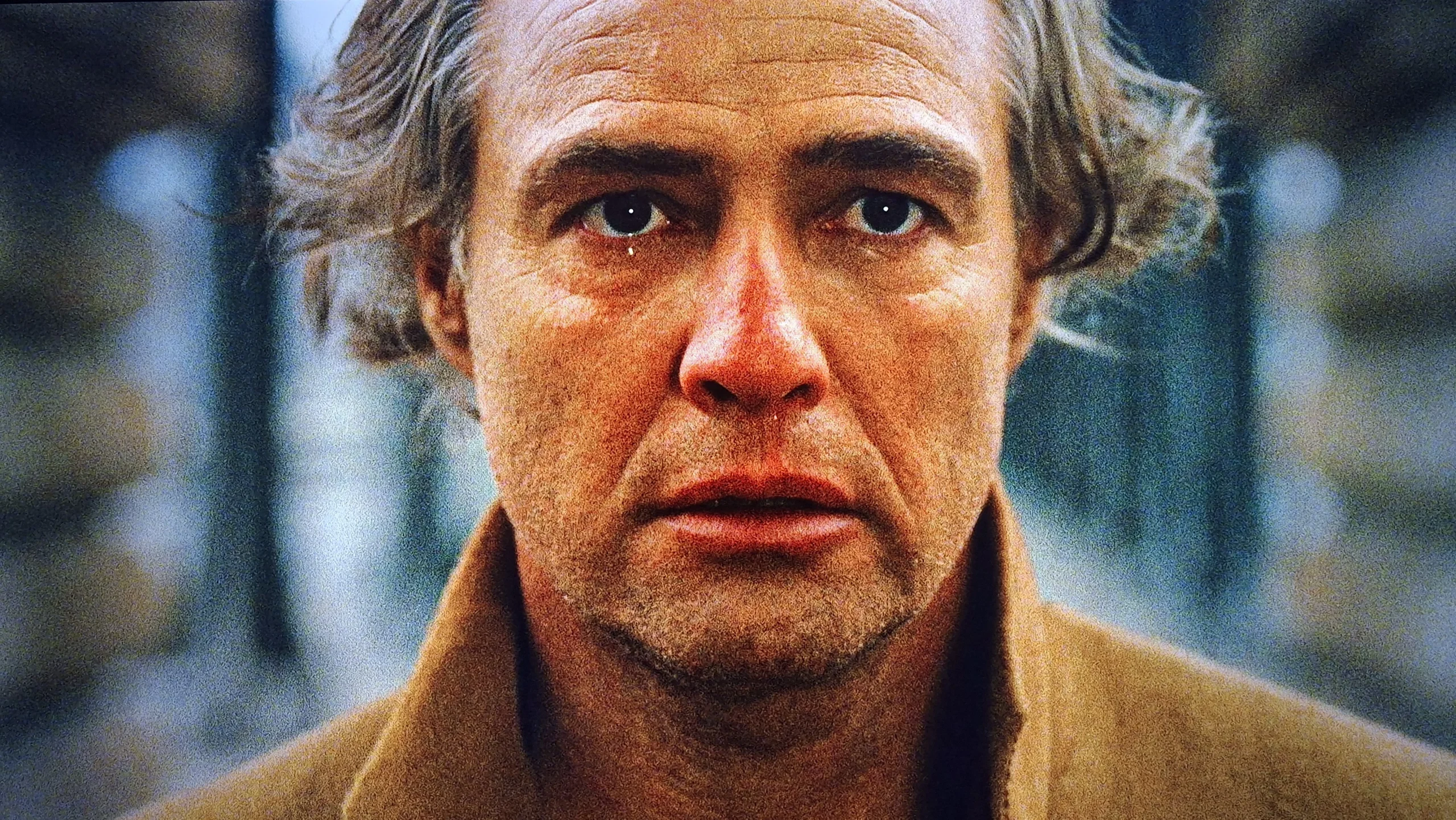
Repellent, vile and generally unpleasant are a few ways I’d describe Marlon Brando as American expatriate Paul, who plays the role with a brooding intensity, breathing a sense of raw vulnerability into the disturbed character.
He canoodles with Maria Schneider, who bares all as a feisty young Parisien Jeanne, about 25 years his junior, who he meets in a chance encounter, in a grimy dirty apartment where they embark on an anonymous sexual relationship. The film feels like the very definition of 70s New Wave, homing on these intimate unglamorous sex-scenes – but it’s more than a sex romp, it’s a dark lurid tale about people dealing with complex issues.
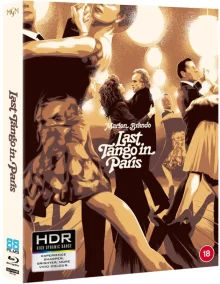
88 Films is releasing the film with a 4K remaster from the original camera negatives. It’s presented in ultra-high-definition in a 1.85:1 aspect ratio with a Dolby Vision high-dynamic range (HDR10 compatible). It comes with an uncompressed mono soundtrack.
The film also comes on a Blu-ray disc and there’s a range of new special features. This includes an audio commentary, three newly shot retrospective interviews from 2025, and a modern location featurette. Additionally, it comes with an archival interview with director Bernardo Bertolucci which seems to have previously been unavailable. 88 Films has put together a really impressive package.
The controversial erotic drama is thoroughly unsexy and remains disturbing and quite shocking to this day. Bertolucci’s direction sounds nothing short of masterful, if divisive, by the way he managed to elicit these powerful emotional performances from his actors.
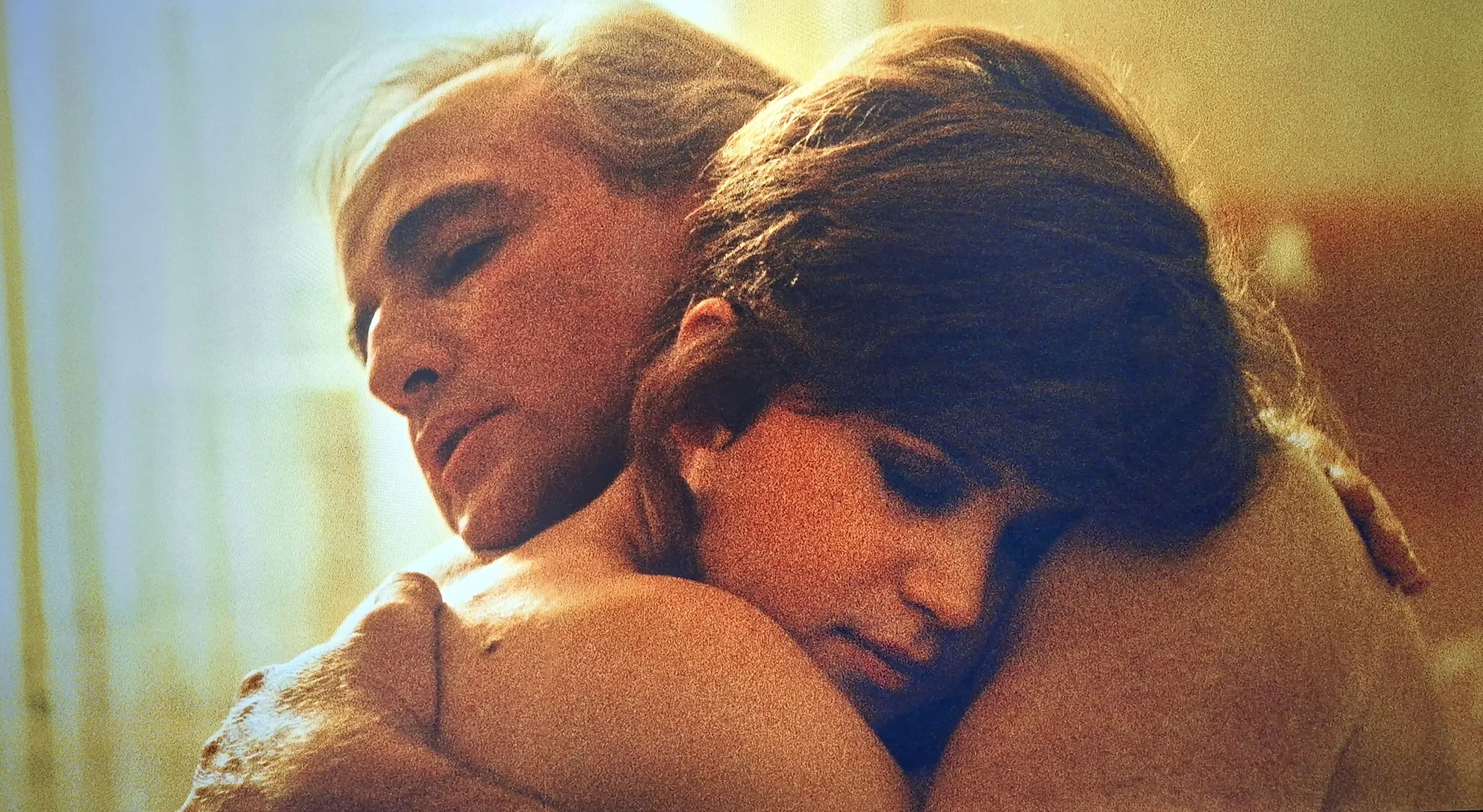
Much of the action takes place in the dank and rat-infested apartment or the grungy streets of Paris. Paul, a widow and hotel owner is mourning the death of his wife, who recently committed suicide. He copulates with Jeanne, at times forcefully, making for a series of uncomfortable moments. There are also tender moments, however, which show a sense of love and affection sprouting between the couple.
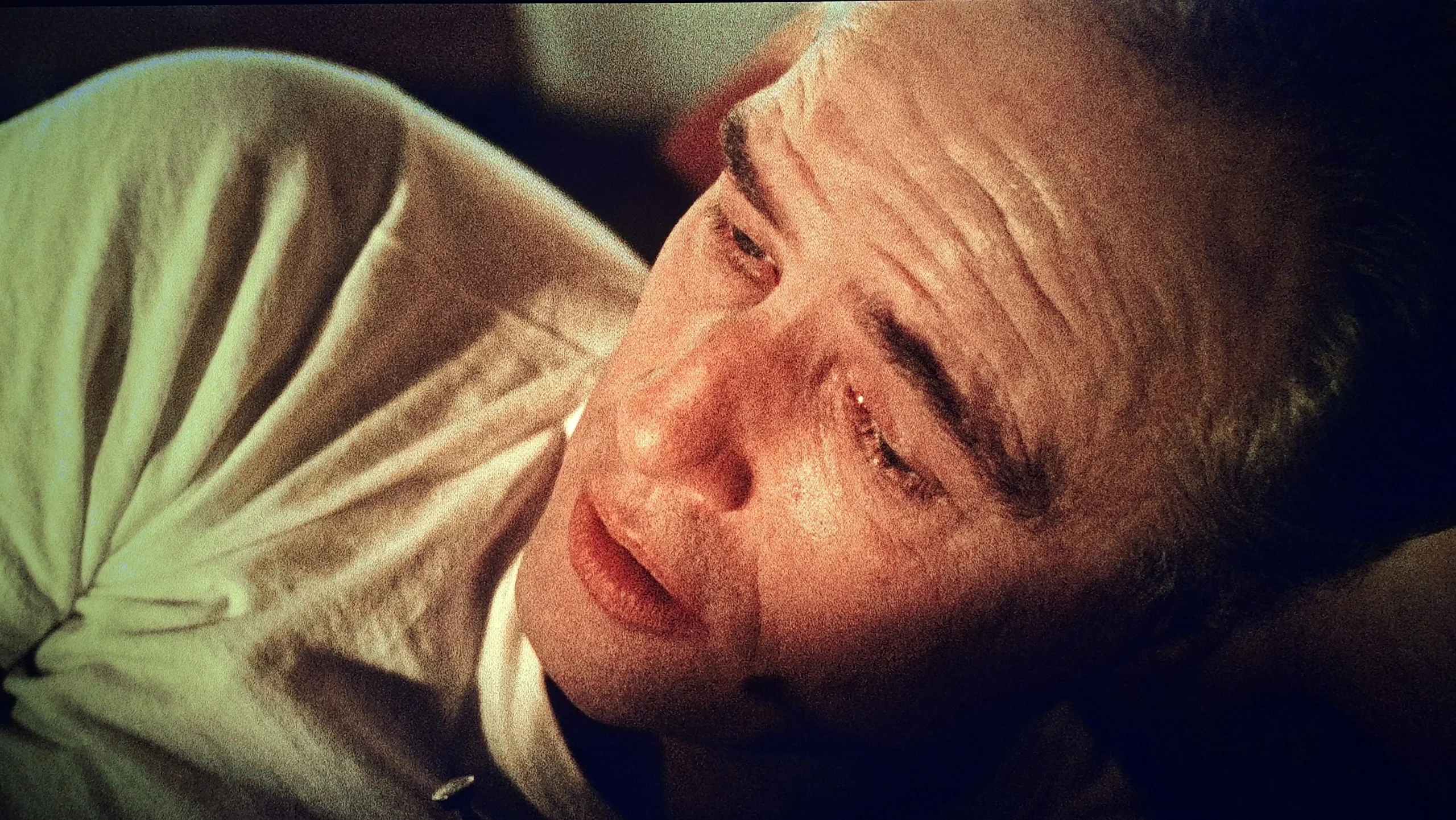
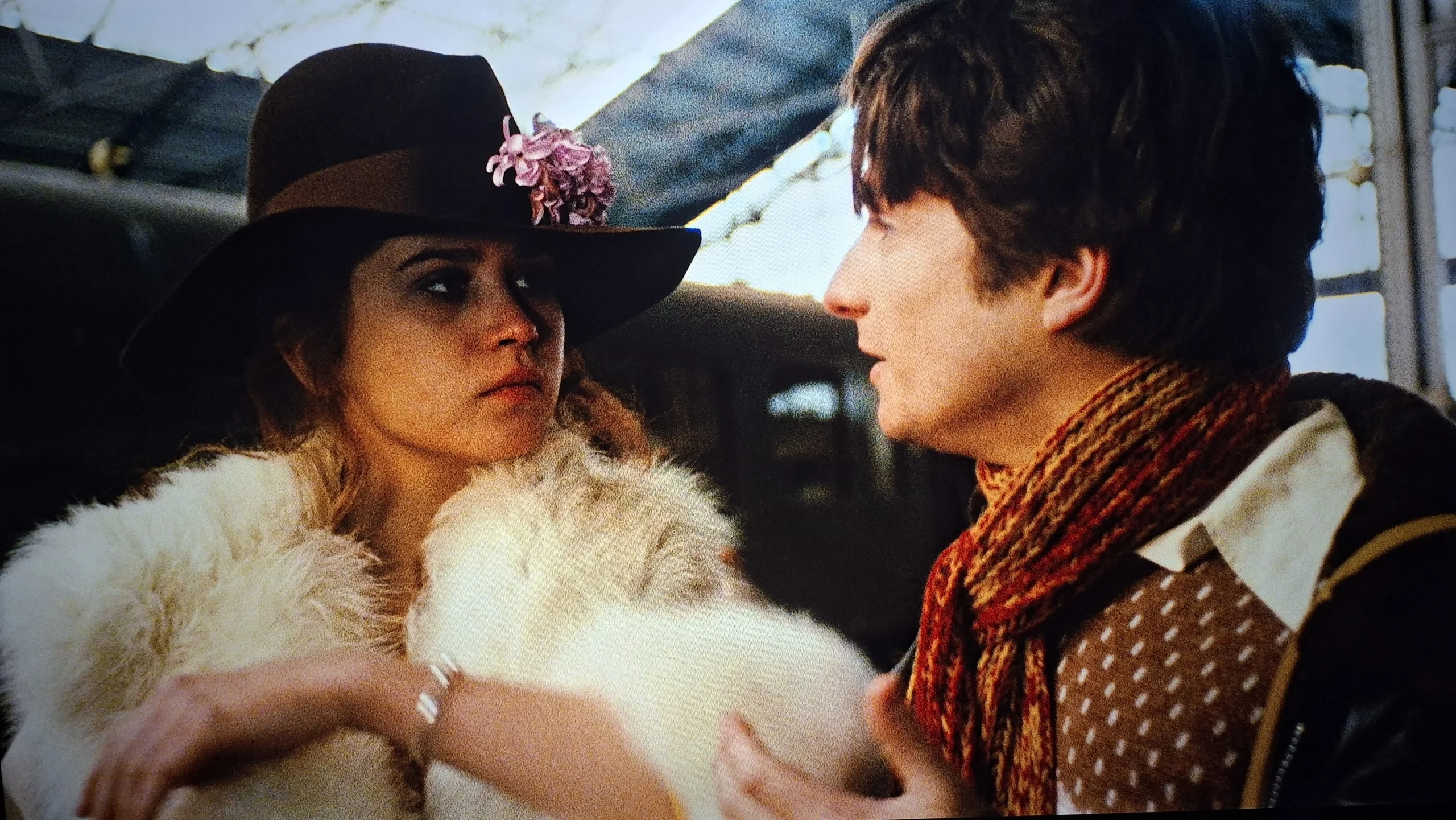
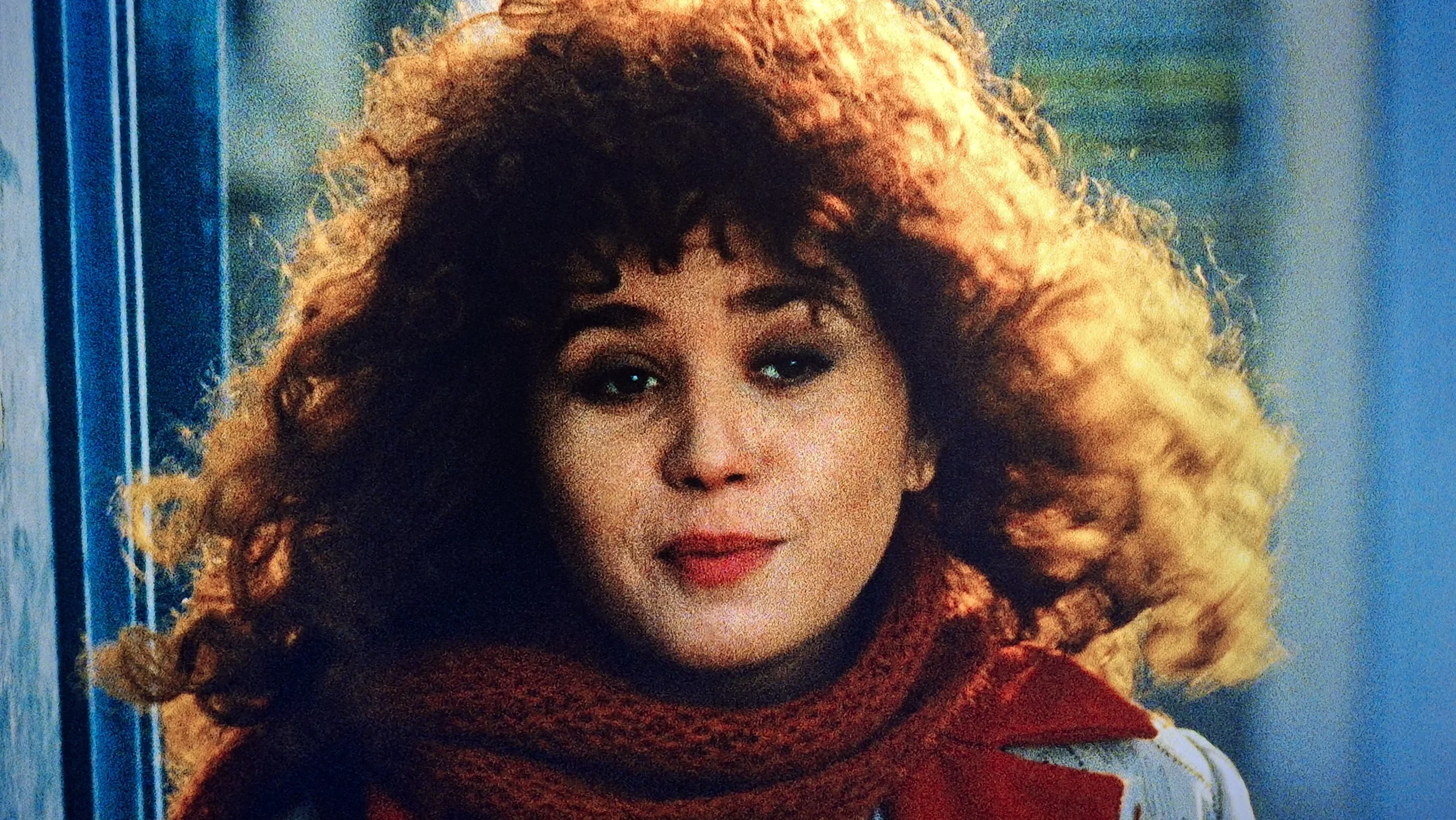
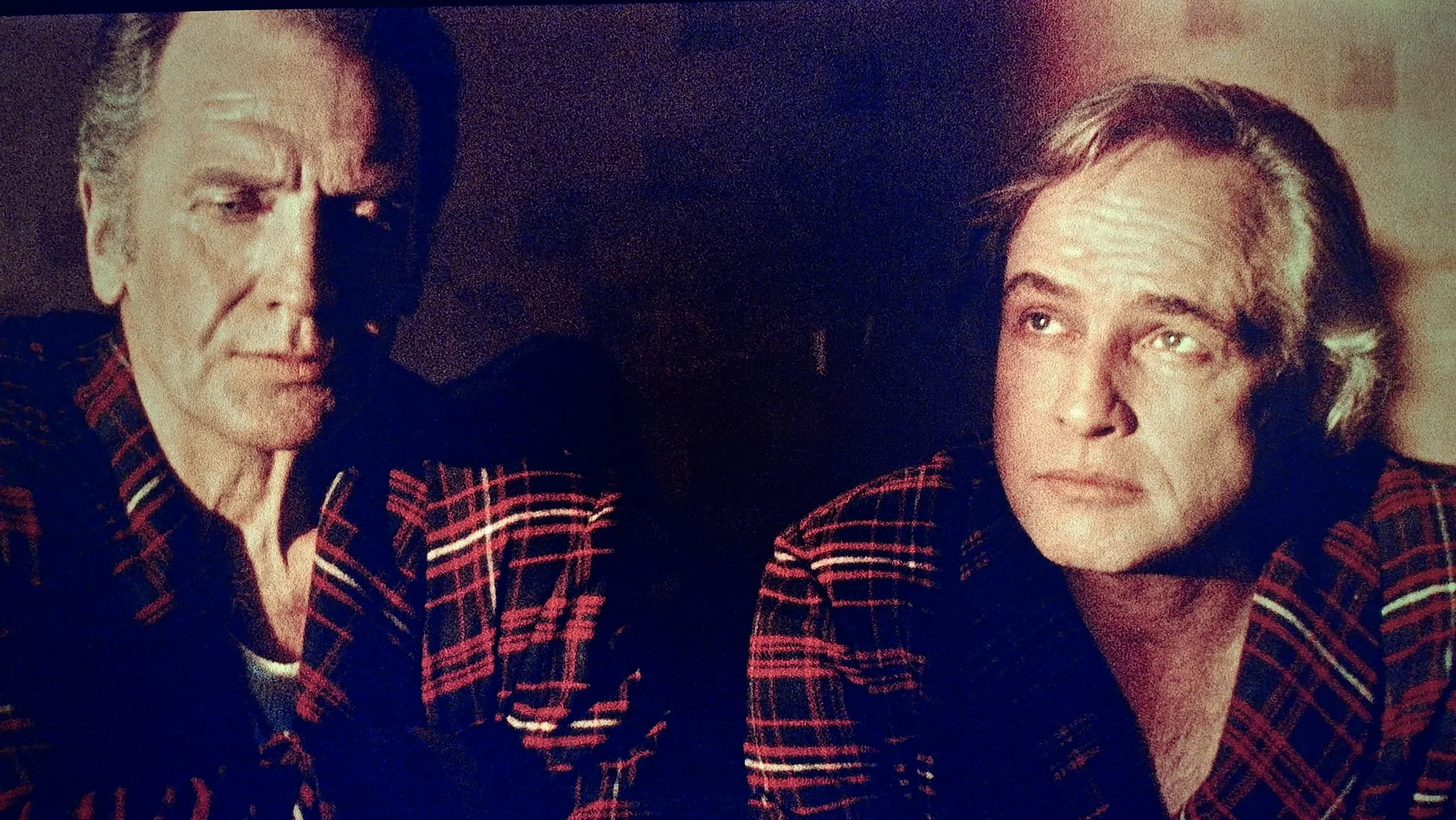
Schneider evokes her role with a sense of authenticity, going head-to-head with The Godfather (1972) star, and is utterly compelling to watch. Jean-Pierre Léaud, of François Truffaut’s The 400 Blows (1959) fame, plays Jeanne’s fiancé Thomas – a filmmaker seemingly more concerned with artifice than reality. His character is utterly superfluous, but it seems a cheeky dig at filmmakers like Truffaut and Jean-Luc Godard.
Picture and Sound
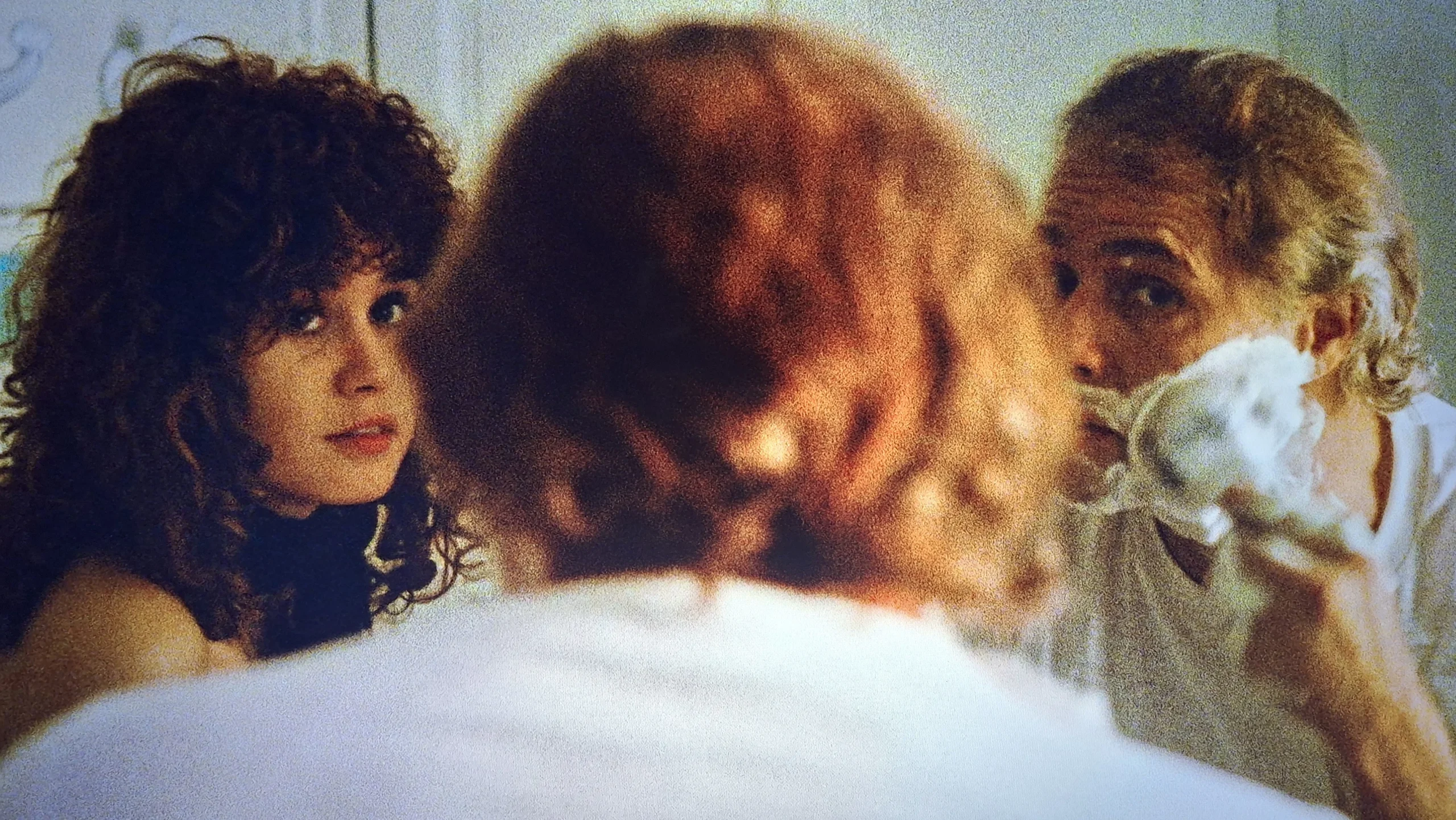
The film is utterly deserving of an ultra-HD upgrade which draws out its beautiful grainy oil-painting like picture. The cinematography is stunning. The film was shot with a three-strip colour process which gives the picture a rich depth of colour. Love scenes feature diffused lighting with warm yellow-orange hues, red often infuses the scenes with a sense of passion, and gloomy shots, showing the grimy apartments and mucky streets, fill the scenes with a sense of grit and despair.
The score is coursing with a melancholy tango rhythm, saxophone riffs and deep orchestral music.
Film:

Special Features
Audio Commentary by Eugenio Ercolani and Troy Howarth: A phenomenal commentary track that wastes no time in analysing the semiotics of the movie. They speak about what they feel the film represents with a number of interesting takes. They contextualise the movie with its fraught release and changing perceptions overtime. The pair have a nice dynamic and it makes for a great listen.
A Hidden Romanticism – An Interview with Film Critic Maurizio Porro: (26.41mins) A top-class interview/video essay. Porro speaks about censorship at the time and ways filmmakers got around it or used the scandal of a banned film to their advantage. He speaks about the filmmaking, the use of colour and the opening with the Francis Bacon paintings. He also talks about Bertolucci’s controversial methods of filmmaking and rift with Brando.
Tango Blues – An Interview with Co-Editor Robert Perpignani: (26.05mins) A good humoured interview. Perpignani speaks about being blamed for Bertolucci’s past failures so not initially being hired to work on the film – but then was brought onto the project when the editor and co-screenwriter Franco “Kim” Arcalli fell seriously ill. He speaks about the negative reaction to the film’s sexual content and hits back at Schneider’s claims she was manipulated into filming the infamous butter scenes. “Lies!” he fumes, while accusing of her of attempting to garner headlines.
Bernardo’s Initiation – An Interview with Film-maker Francesco Barilli: (23.40mins) This was a funny no-holds barred interview. Barilli speaks about Kim’s lurid dark influence on Bertolucci, changing him as a person and filmmaker. How they found the scandal amusing with the seizure and ban making the film a hit. Schneider not being as innocent as she made out to the press. Plus, how they got Brando involved and tales of his bisexual escapades behind the scenes.

A Conversation with Bernardo Bertolucci [Archive Interview]: (29.58mins) The interview was shot for an unreleased documentary in 1992 and thankfully in English. It’s rough but that adds to the charm. Bertolucci speaks about the Italian’s “perverse” love of dubbing in films, and an outright rejection of real voices in their films at the time. Fascinating to learn this was a somewhat unique perspective to the now looked down upon film practice.
Where the Tango Took Place – Filming Locations Featurette: (6.16mins) The film’s smouldering soundtrack plays as cuts of the film are interspersed with modern day digitally shots clips. More than anything, it shows how much nicer everything looks on film.
Special Features:
88 Films is releasing Last Tango in Paris on 17th August, 2026.