


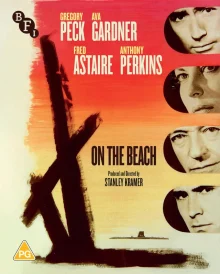
 Director: Stanley Kramer
Screenplay: John Paxton
Starring: Gregory Peck, Ava Gardner, Fred Astaire, Anthony Perkins
Country: USA
Running Time: 134 minutes
Year: 1959
BBFC Certificate: PG
Cited as the first serious take on a nuclear post-apocalyptic drama, On the Beach (1959) delivers a poignant critique of the nuclear arms race of the 1950s. The plot is on a grand scale but feels like a moody character study as it focuses on a more intimate human story, on a select cast of characters and their emotional journeys.
It also feels like Old Hollywood meets the new, with an absolutely stellar cast featuring mega-stars Gregory Peck, Ava Gardner and Fred Astaire, along with a Pre-Psycho Anthony Perkins, in an exotic setting. It’s a sprawling on-location shot drama featuring a real-life submarine, romance and introspection.
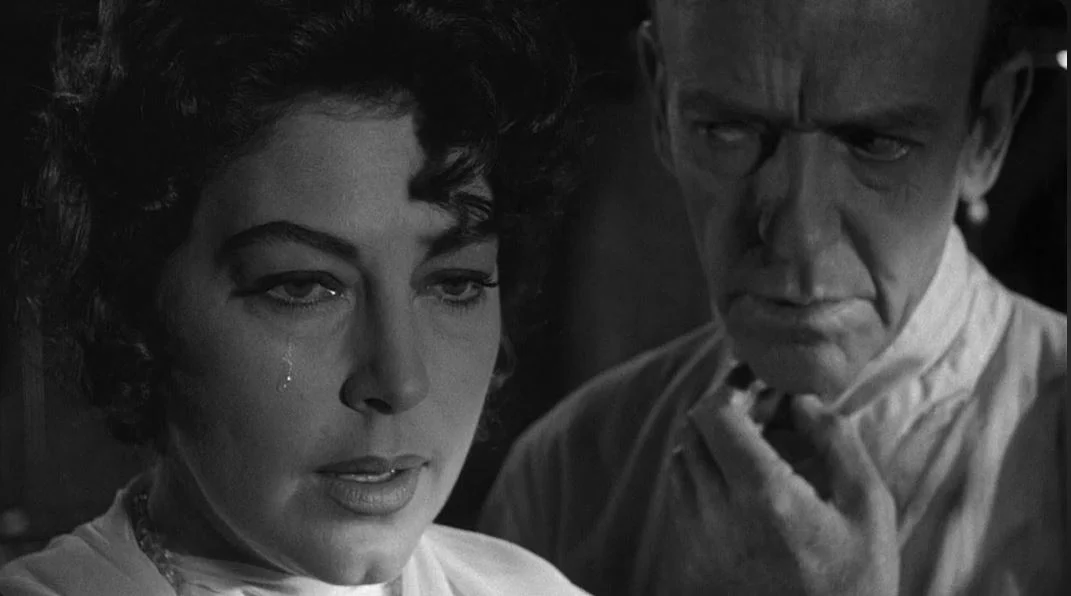
The film was helmed by director Stanley Kramer, also known for Judgment at Nuremberg (1961) and The Defiant Ones (1958), among other masterpieces, and based on an Australian novel published in 1957.
It takes place in the aftermath of a nuclear war, set five years in the future. Australia seems to be just about the only liveable place remaining. It follows submarine commander Dwight Lionel Towers, played by Peck as he docks in Melbourne. Ava Gardner plays a lonely alcoholic who lives in the city. They develop a romantic attachment.
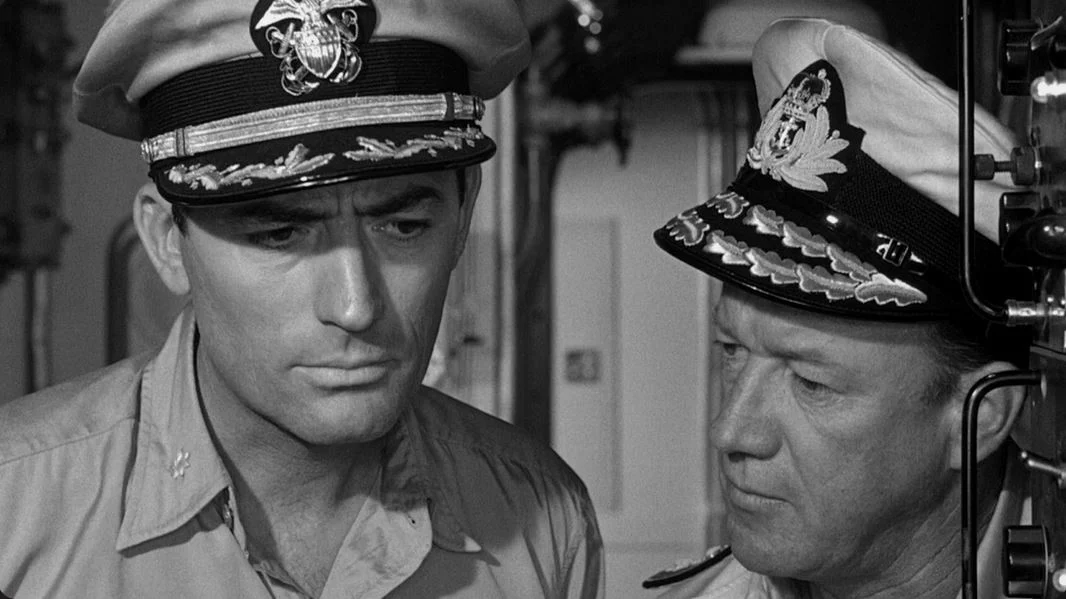
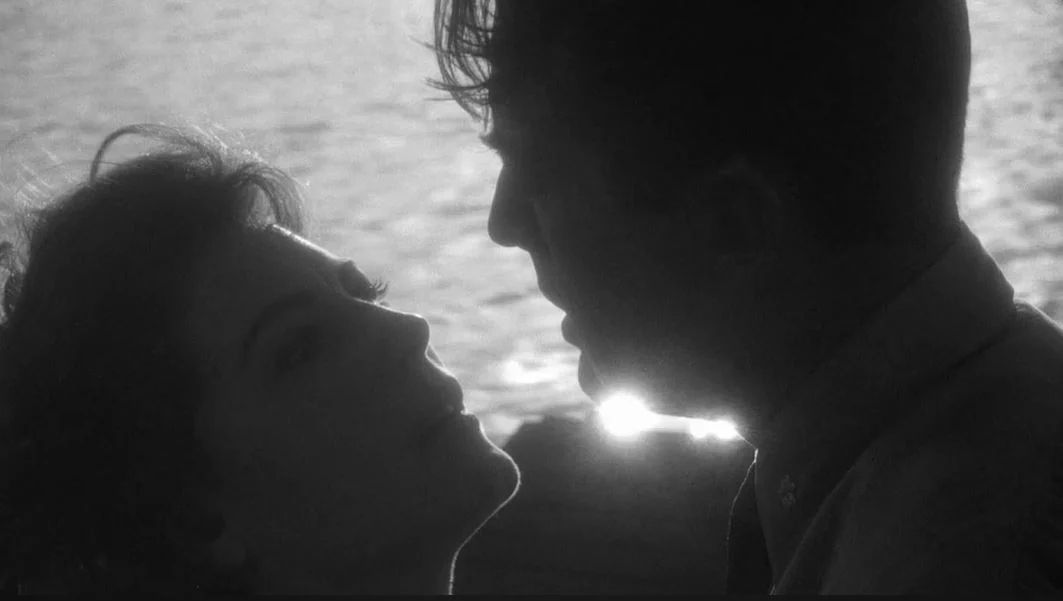
The scenes between Peck and Gardner were particularly powerful as they were imbued with a sense of poignancy and sadness. Throughout the movie, the way characters interacted and reacted to the dreadful things going on felt realistic and authentic. It captured a sense of inertia and regret.
Astaire is wonderful as a scientist and the drunken unwieldy ‘voice of reason’ in the film, frequently pointing out the futile nature of war and the nuclear arms race in fits of self-pity. A must-see performance, if you’re a big fan of his.
Perkins gives a relatable performance as an officer with a young family – his relationship with Donna Anderson, playing his wife, reaches a devastating crescendo.
Picture and Sound
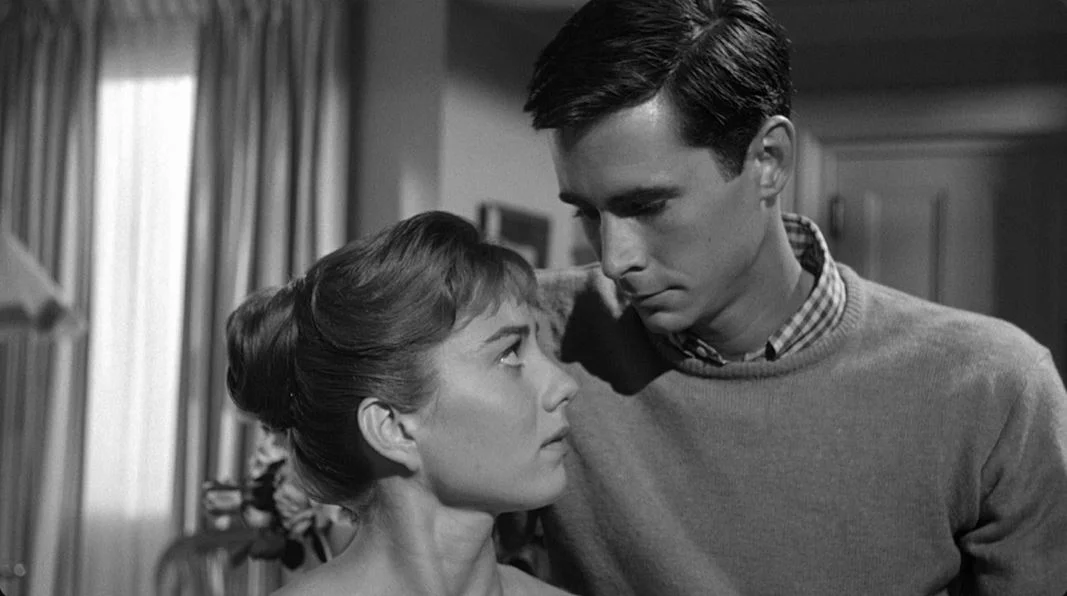
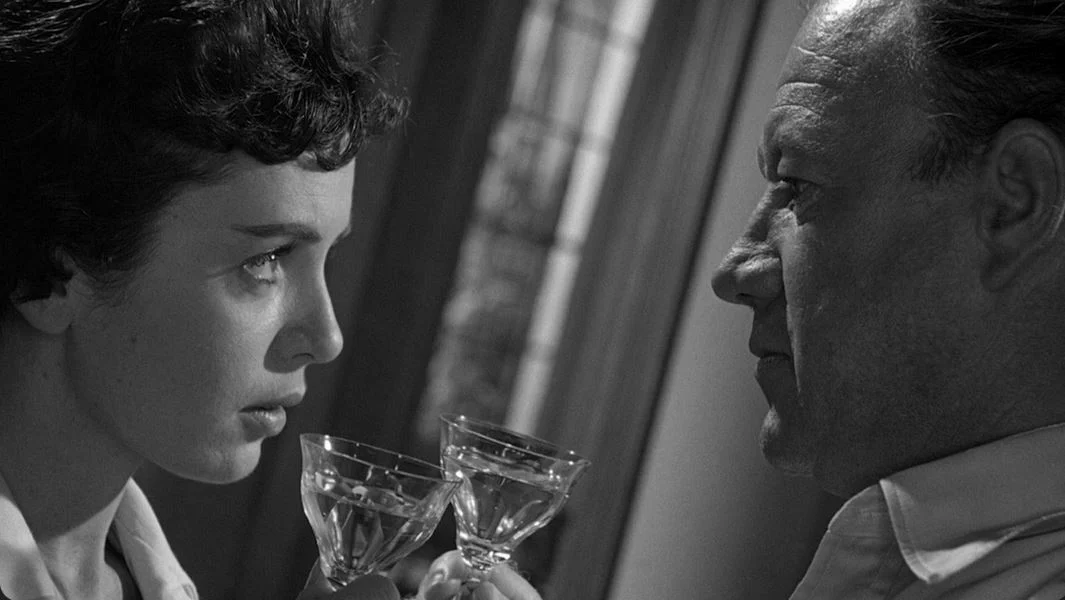
The BFI is releasing the film in 1080p Bluray. The film is in a widescreen original 1.66:1 aspect ratio which should fill your television screen. The black and white picture is crystal clear with vivid contrasts in the textures and shading of the darker imagery. The film has a noir-esque aesthetic, enhancing the moody bleak feel of the movie. Many of the shots are taken on hand-held camera giving the film an up-close intimate atmosphere.
I was delighted to discover the film came with 5.1 surround soundtrack. It was a wonderful track which superbly utilised the technology with subtle background atmospheric noise coming out of the rear speakers frequently throughout the movie, heightening the sense of immersion, and a booming orchestral score which felt truly epic.
Unfortunately, I did have to watch the film with subtitles, however, as the dialogue is quite unclear at times and I kept finding I was missing snippets of information.
Film:


Special Features
Audio commentary written by Dr Philip Davey, author of When Hollywood Came to Melbourne: Lots of behind-the-scenes information with stories about the cast and crew. Kramer sounded a rigorous director. Davey points out so many aspects of the film I’d missed on my first viewing. He (or at least the actor reading his lines) speaks about how the British and Australian Navies helped the film get made, after the US refused, and their involvement. He gives background information on many of the bit-performers. He is guilty of long stretches of silence and simply saying what is happening on screen on some occasions.
Newly commissioned audio commentary by Scott Harrison: Far more interesting film commentary. Harrison delves straight into analysis of the movie’s themes, its controversies and story origins. He waxes lyrically about movie’s shot composition, and his passion is quite infectious. He speaks about what set On the Beach apart from contemporary movies, tonally and production wise, along with comparisons to Kramer’s other highly acclaimed film, Judgement at Nuremberg. He delves into the political climate at the time in great depth.
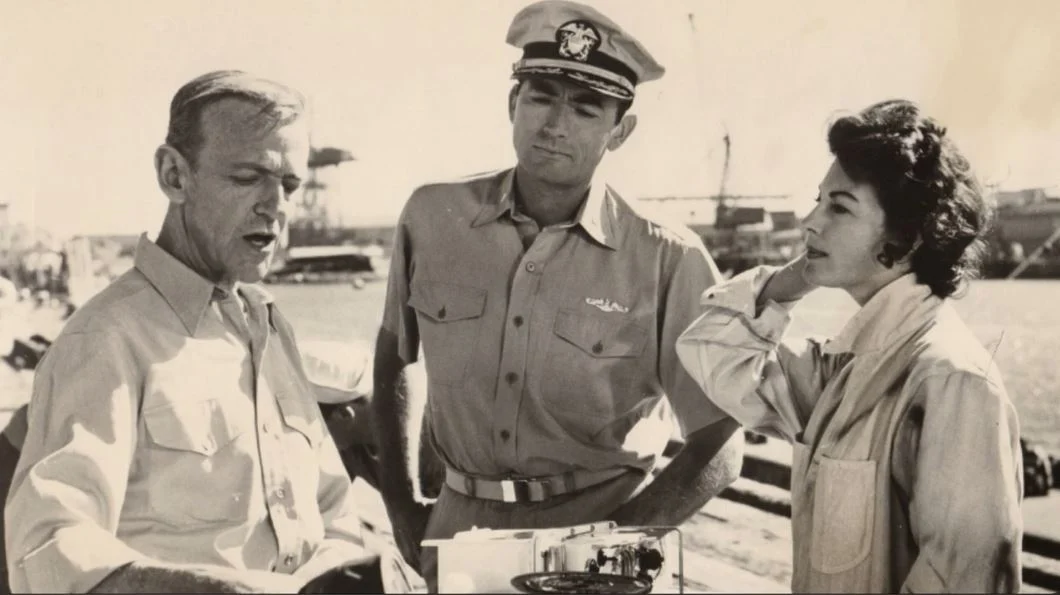
Making On the Beach (1959, 9 mins): rare 8mm footage shot by amateur filmmaker Richard Goslin: Charming old footage, if heavily damaged, with twee voiceover narration of the behind-the-scenes shots featuring the stars while filming the beach scenes. Showed the exhaustive work of performing the baking heat – Peck looked like he was practically melting.
Interview with Donna Anderson (2015, 19 mins): the actor discusses her time working with the cast and crew of On the Beach: Anderson gives an open and loquacious interview with lots of great stories, including how she started out in acting how Astair and Gardner dealt with fame differently; how excited the Australian audiences were to see the stars; her close working relationship with Perkins; and how Kramer dealt with the crew and his cast. She also gives insights into the movie – her opinions on her character were surprising.
Kim Newman on Apocalypse Cinema (2022, 22 mins): the film critic deconstructs On the Beach and discusses the socio-political environment in which the film emerged: Newman speaks about the roots of apocalypse fiction; beginning with war themed stories with ‘end of the world’ scenarios; and the first wave of literature and films about atomic warfare, post Hiroshima.
He speaks at length about how the more serious On the Beach was different to the exploitation and paranoid terror themed movies of the era. Reliably detailed video essay with some good humour.
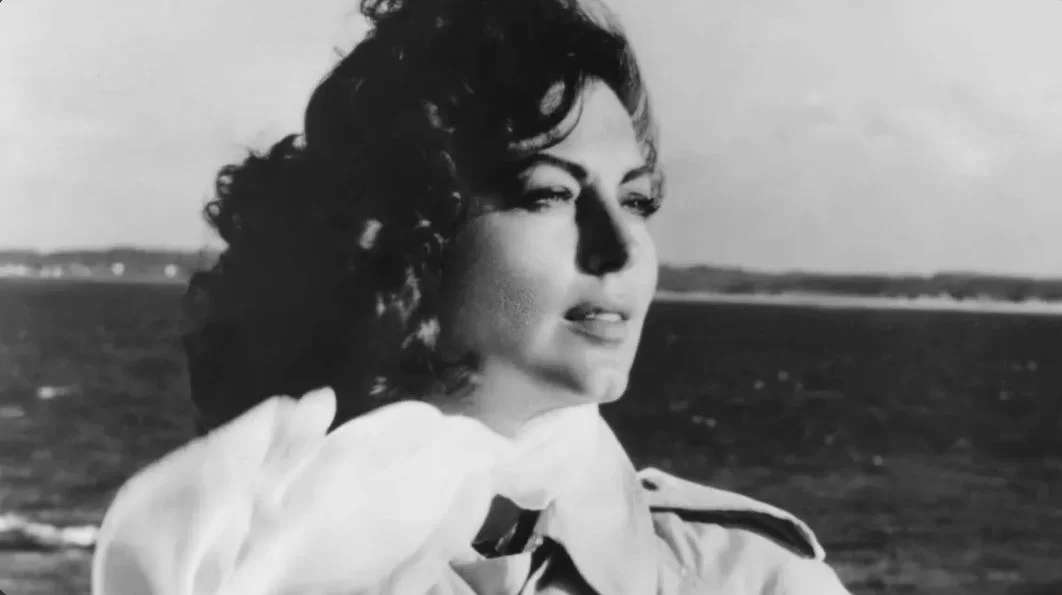
Clothes to Die For: The Costumes of Ava Gardner (2022, 16 mins): costume historian Elissa Rose explores Ava Gardner’s impressive wardrobe in the film: Jam-packed with detail and analysis on Gardner’s wardrobe. She speaks at length about the Fontana sisters, who provided the clothing; the Australian fashion at the time; and in depth commentary on standout costumes Gardner wore in the movie, and how these accentuated the scenes.
A Tribute to Stanley Kramer (2004, 14 mins): a celebration of Stanley Kramer’s life and career, featuring interviews with screenwriter Abby Mann and Karen Sharpe, Kramer’s widow: Fairly dry insight into the filmmaker. Some poignant details about his inspirations into making Judgment at Nuremberg (1961). This tribute underlines how Kramer was a principled director, and it gives an impression of what he was like to work with.
Operation Hurricane (1952, 33 mins): after the first Soviet atomic weapon was detonated in 1949, the British accelerated the development of their own nuclear deterrent. This haunting film documents the first atom bomb test on the Monte Bello Islands: This documentary reminded me of the scenes in Oppenheimer (2024) and The Imitation Game (2014). It’s fairly dry and educational, as you’d expect from a 1930s documentary, but includes some incredible footage in great quality. Skip ahead to 26 minutes if you want to see the explosion and mushroom cloud.
Original theatrical trailer
Galleries
**FIRST PRESSING ONLY** Illustrated booklet featuring new essays by Dr Christina Brennan and Barry Forshaw and a biography of Stanley Kramer by Jennifer Frost. Also includes writing on Operation Hurricane by the BFI’s Vic Pratt, notes on the special features and film credits
Extras:
The BFI releases On the Beach on Bluray on 27 July, 2026.