


 Director: Benjamin Field
Narrator: Charles Dance
Cast: Anthony Hinds, Michael Carreras, David Pirie, Jonathan Rigby, Sarah Appleton. John Gore, Tim Burton, John Landis, Jimmy Sangster, Maddy Smith, Caroline Munroe, John Carpenter, Joe Dante
Running time: 94 minutes
Year: 2026
Certificate: E
Hammer Films were a very successful independent British film company that ended up building their excellent reputation around mostly genre films, especially those from within the horror genre. Regularly featuring the same principal cast members, time and time again, (e.g. Christopher Lee and Peter Cushing), and utilising the same crew and sets, they were very much a ‘family affair’ and went on to win the Queens Award for Business for their excellent track record of overseas sales and for promoting British culture along the way.
This documentary comes from the new management at Hammer, under the mentorship of businessman John Gore – a very apt surname for the owner of a company so heavily linked to the horror genre. This means that the documentary filmmakers involved certainly had great access to archive interviews, footage and subjects to interview, i.e. those who had close ties to the company. Plus, they’ve gone to quite a bit of effort to create interview settings that homage some of the films they’re talking about, for example, a Frankenstein- like laboratory.

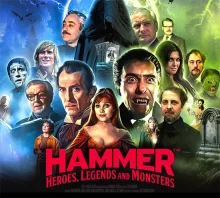
Primarily a talking-heads kind of documentary, narrated by the esteemed Charles Dance, Hammer: Heroes, Legends and Monsters is effectively a love letter to a – until recently – defunct, but much missed, institution. It takes us step-by-step from the early days, when Hammer was still called Exclusive Films, and chiefly distributed dramas and thrillers, to its later days when its Gothic horrors were struggling to stay relevant in movie theatres that were also showing the likes of The Exorcist and The Texas Chainsaw Massacre.
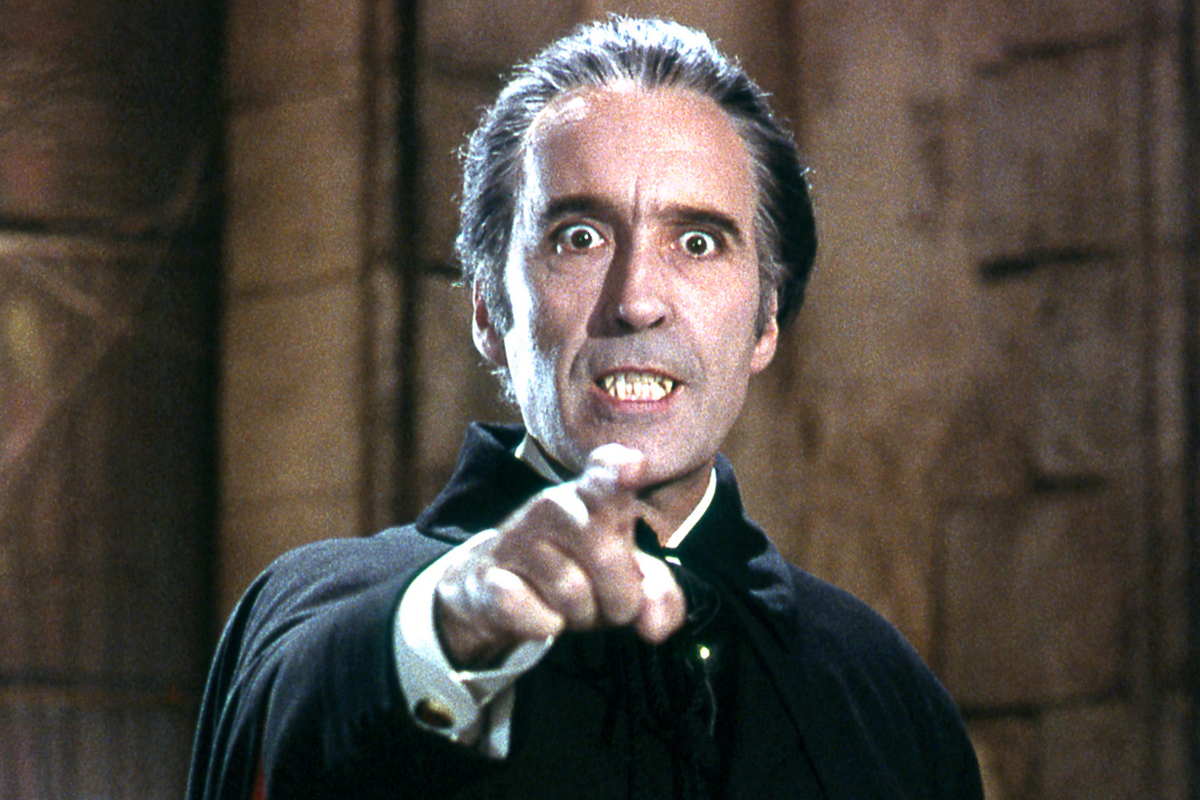
In addition to some cool archive interview snippets with the likes of Anthony Hinds, Michael Careers, Jimmy Sangster, Peter Cushing and Christopher Lee, we also have lots of insightful observations from a whole host of Hammer historians, affectionardos and ex-workers, including genre writer Jonathan Rigby, and filmmaker Sarah Appleton. Plus, there are lots of fun sound-bites from the likes of John Landis, Tim Burton, John Carpenter and Joe Dante. In fact, one of the really gratifying elements to the documentary is the feeling you get that all involved had a lot of fun making it and taking part in it, a feeling which rubs off on viewers, making for a more enjoyable viewing experience.
Although, most of the insights and reflections regarding Hammer are pretty positive, the filmmakers wisely treat their subject matter in a balanced way, hence we’re made aware that there was some friction between father and son James and Michael Carreras, and that, as a side-note, director John Carpenter later fell out with Nigel Kneale – a Hammer writer he greatly admired – when he hired him to write the script for Halloween III: Season of the Witch.
Perhaps, one of the best sources of the less well-known information in the documentary can be taken from the actors being interviewed. For example, Martine Beswick (Prehistoric Women, Dr Jekyll and Sister Hyde) explains how Christopher Lee told her that the person, who most impressed him at Hammer Studios, was production designer Brian Robinson, who worked his magic on very small budgets. Additionally, Maddy Smith (Frankenstein and the Monster from Hell) reveals that she found producer Michael Styles (Vampire Lovers) to be a repugnant man, mostly due to him insisting on more gratuitous nudity than she cared to partake in.
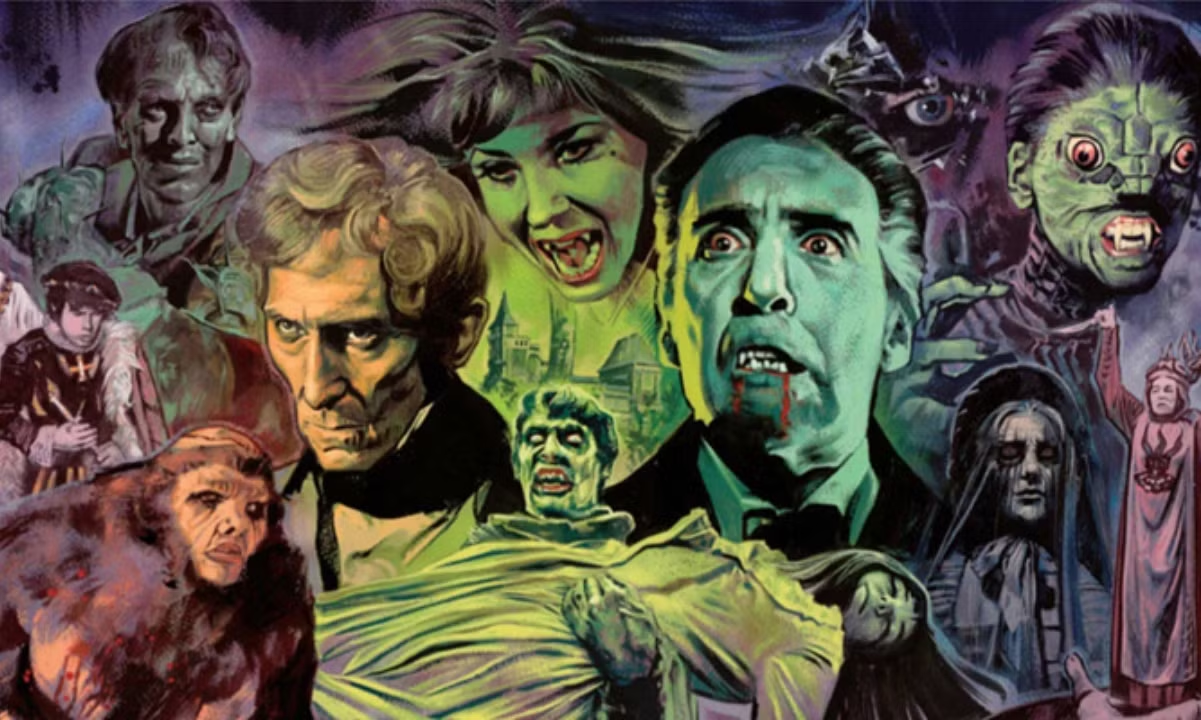
It was also nice to see a sometimes misunderstood character, in this case writer/director Brian Clemens, actually being praised for his innovative work for the Studio, during its final few years, on productions such as Captain Kronos; Vampire Hunter. Plus, it was good to learn more about Hammer’s ongoing battles with the BBFC regarding the censorship of their film releases and how they often pre-cut the script in order to get around the notoriously fickle state censor.
Overall, Hammer: Heroes, Legends and Monsters is an enjoyable and informative documentary on probably the most important British film studio, historically speaking. If I had one small criticism to make, it would be that I’d have liked to have seen a final section on the resurrection of Hammer with some interviews with participants involved with the likes of The Woman in Black and The Quiet Ones. However, I enjoyed this documentary so I’m looking forward to future releases along similar lines.
Extras include –
Disc One:
Theatrical trailer (1.40 mins) – This makes the film look more about Michael Carreras career.
Disc Two:
Alternative version of the documentary (93.5 mins)
John Logan extended interview (28.5 mins) – An interesting chat with John, the creator of the Penny Dreadful series. He talks about his kinship to monsters and his love of sexy vampires, especially in his favourite Hammer film Taste the Blood of Dracula. He sees Vampire Circus as the ‘gayest’ film the studio ever made and saw Brian Clemens as a resource that Hammer didn’t exploit enough.
Martine Beswick extended interview (16.36 mins) – The Jamaican born actress talks about her sometimes wild past and how she first got involved with acting and, in particular, with Hammer. She reveals that she loves vampire novels, especially those of Anne Rice and so would have loved to have played a vampire.
Janet Clemens extended interview (14.15 mins) – The widow of Brian Clemens talks about his involvement with the company and talks about Brian’s interests (he read a lot) and his reactions to how his films were received. Interestingly, he wanted Captain Kronos to be a time-traveller, fighting vampires through the ages. Apparently he got on well with James Carreras, but not his father.
Blair Mowatt extended interview (14.15 mins) – The composer of Hammer’s recent Dr Jekyll film, starring Eddie Izzard, talks about Hammer’s go-to composer, namely James Bernard. Apparently composer Benjamin Britton discovered him and they became friends. Bernard also worked at Bletchley Park for four years, involved in code-breaking. Mowatt analyses Bernard’s scores for Hammer pointing out that many of his motifs actually spell out the name of the films, if you pay attention to them.
Caroline Munroe extended interview (14.06 mins) – Munroe talks about her early life as a shy, dyslexic convent girl who went to Brighton Art School where she was discovered by a fellow photography student who asked to take some B & W photos of her on the beach, which he later entered into a David Bailey photography competition. He won it and Munroe later became the ‘Face of 66’, which led to modelling assignments and then onto films. She also reveals that she found Chris Lee very intimidating, hadn’t been Brian Clements first choice for Captain Kronos and that her daughter, Georgina, is also a jobbing actress.
Madeline Smith extended interview (18.25 mins) – A fun interview where Smith talks about her naivety when she was much younger, especially in all things sexual, how she found catalogue modelling very boring, and how she really like David Prowse when they filmed together on Frankenstein and the Monster from Hell. She also believes that Peter Cushing was the real hero of Hammer, but, sadly, she didn’t really get to talk to him much off set.
Mather Kneale extended interview (11.35 mins) –Nigel Kneale’s son talks about his dad, explaining that because he grew up on the Isle of Mann he learned quickly to respect local customs and legends, since the Island is full of ghosts and the supernatural, and the paranormal is taken very seriously there. He, therefore, preferred atmospheric horror stories to gory ones, which is why he later ended up taking his name off John Carpenter’s film, Season of the Witch.