



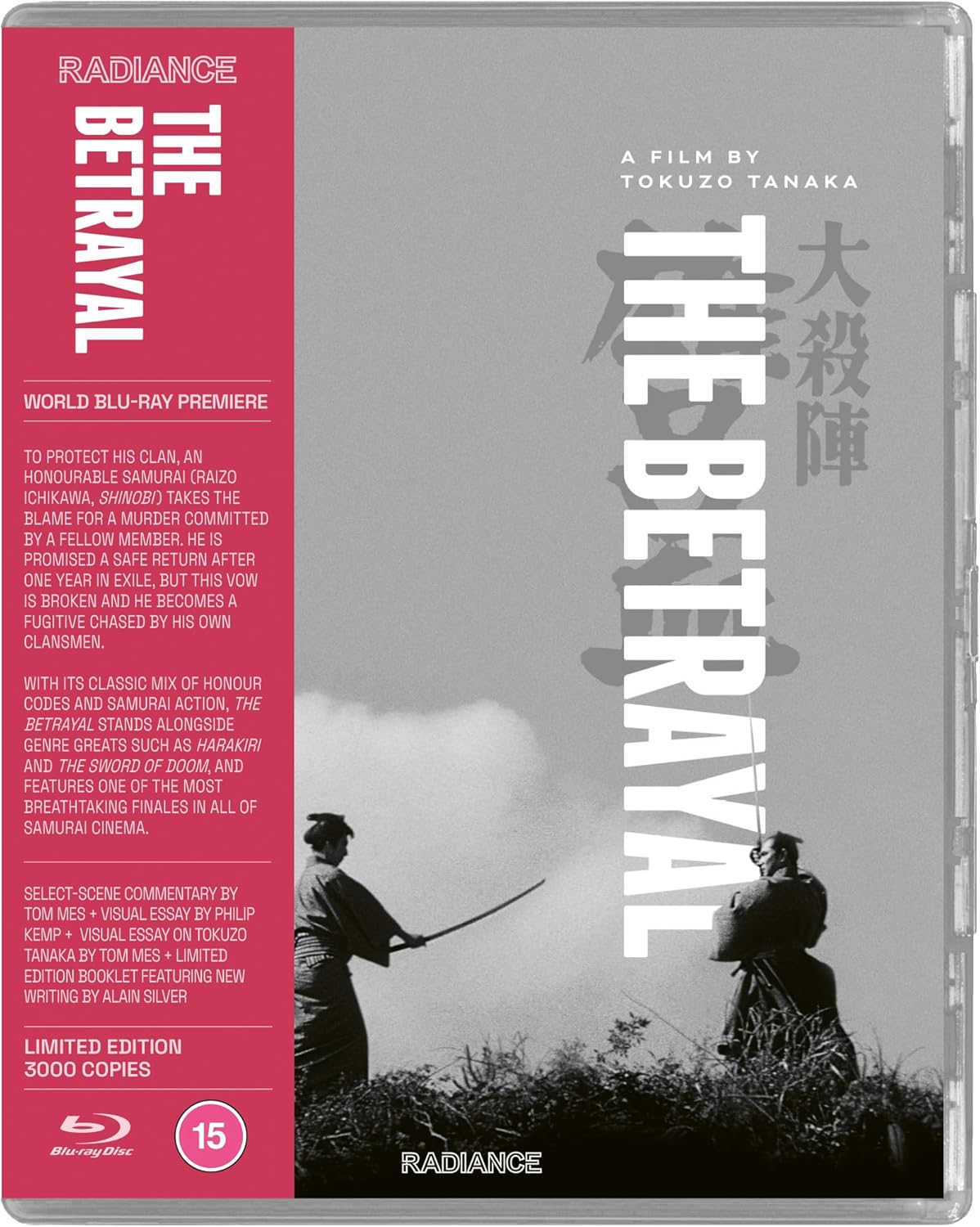
 Director: Tokuzô Tanaka
Screenplay: Seiji Hoshikawa, Tsutomu Nakamura
Based on a Screenplay by: Rokuhei Susukita (based on the 1925 film Orochi/The Serpent)
Starring: Raizô Ichikawa, Kaoru Yachigusa, Shiho Fujimura, Ichirô Nakatani, Ryûtarô Gomi, Taketoshi Naitô
Country: Japan
Running Time: 87 min
Year: 1966
BBFC Certificate: 15
Like most directors in the Japanese film industry, Tokuzô Tanaka began his career as an assistant. He had the honour of working with some of the best directors of the time, assisting Kenji Mizoguchi on a number of films, as well as working on Akira Kurosawa’s Rashomon and Kon Ichikawa’s Conflagration.
Towards the end of the 1950s, he began to direct his own films and, throughout the 1960s, he helmed a wealth of titles for Daiei, before the company went bankrupt in 1971. His work following that was largely in TV, but he left behind a legacy of first-rate genre movies. These are gradually coming to the West via various Blu-ray releases. Some of his work can be found in Criterion’s Zatoichi set but, more recently, it’s been Radiance Films that have been championing Tanaka. Three of his horror films have been or are due to be released in their Daiei Gothic sets, and Tanaka directed one of the Shinobi films that Radiance released too.
This month, Radiance are putting out one of Tanaka’s films as a solo release. The Betrayal, made in 1966, is a remake of a silent jidaigeki called Orochi (a.k.a. The Serpent).
I can’t resist a good samurai film, so I got hold of a copy and my thoughts follow.
In The Betrayal, Daiei’s biggest star, Raizô Ichikawa, plays Takuma Kobuse, a promising young samurai of the Minazuki clan, who is betrothed to Namie (Kaoru Yachigusa), the daughter of high-ranking clan official Taihei Katagiri (Shôzô Nanbu). When Taihei’s son dishonourably kills a rival clan’s samurai, the official persuades Takuma to accept blame for the crime and enter into exile for a year, with the guarantee that when the political pressure subsides, he will be publicly cleared and restored. Believing in the samurai ideals of loyalty and honour, Takuma accepts the sacrifice.
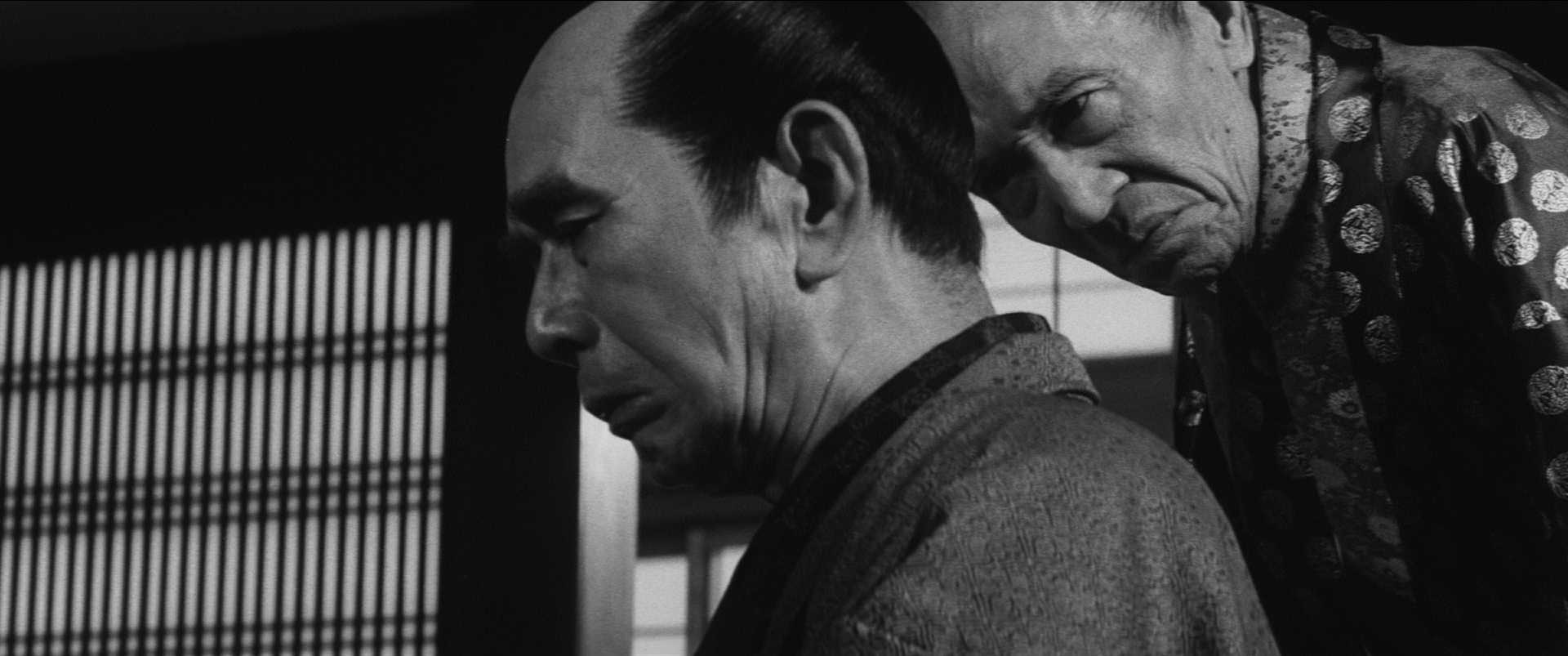
After a year in hiding, during which he endures hardship and watches the codes of duty and promise be systematically broken, he returns only to discover that the assurances made to him have been abandoned. Taihei has died, and Jurota (Ichirô Nakatani), a fellow samurai who had vied for Namie’s hand and was the only other samurai witness to the deal, denies any recollection of the arrangement. Branded an outlaw, Takuma is hunted by both his former clan and the rival forces.
As betrayals multiply and his faith in bushidō falters, Takuma’s noble resolve slowly gives way to brutality.
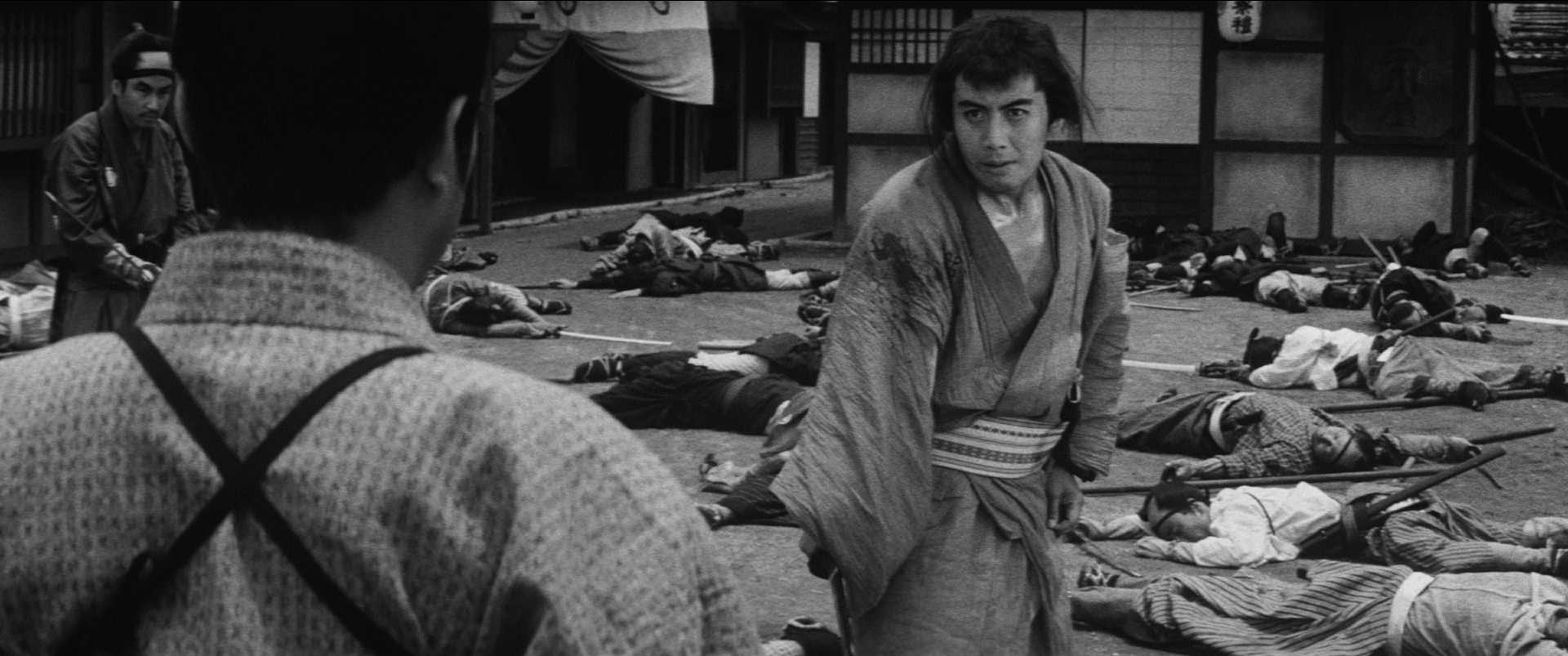
The Betrayal is a sombre tale, filled with tragedy and deception. It fits the trend of a lot of samurai films made in the 1960s by filmmakers who had often fought in WWII. These are known as zankoku or cruel jidaigeki. These are films that criticise the bushidō code, which was celebrated in earlier samurai stories. In The Betrayal, it’s Takuma’s initial blind faith in the code that gets him into trouble. He becomes shackled by it, suffering greatly, particularly as those around him either forgo the code or bend it to their own will.
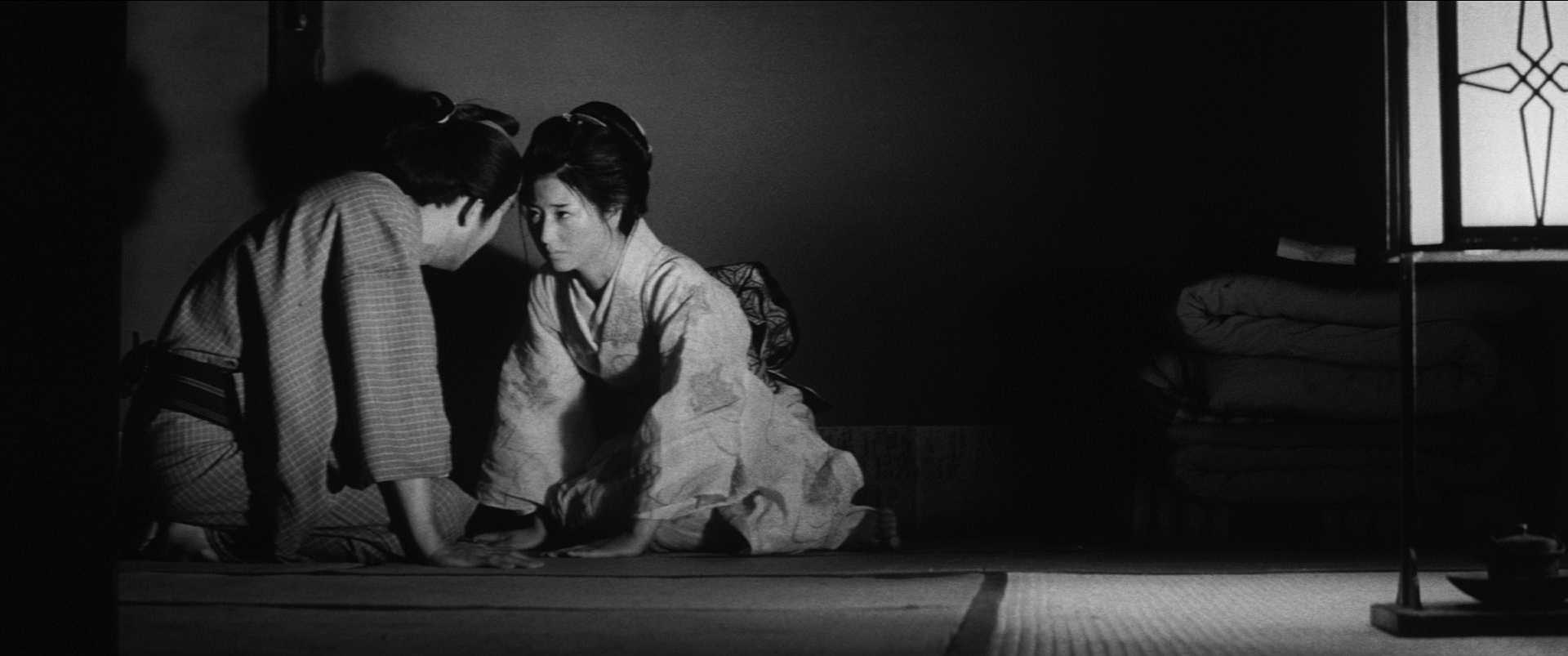
This bleakness makes for a film that has a strong melodramatic quality, but I don’t mean that in a negative way. It’s a heightened drama that makes for a satisfying and occasionally quite moving experience.
This grand build-up leads to a 15-minute, action-packed finale that might not be entirely believable but is tremendously exciting and provides a suitably epic and nihilistic conclusion to the story.
The silent film Orochi, on which The Betrayal was based, was reportedly quite groundbreaking in terms of cinematography, and Tanaka honours this by creating his own stunningly beautiful film. Great use is made of light and shadow, and the framing is meticulous throughout.
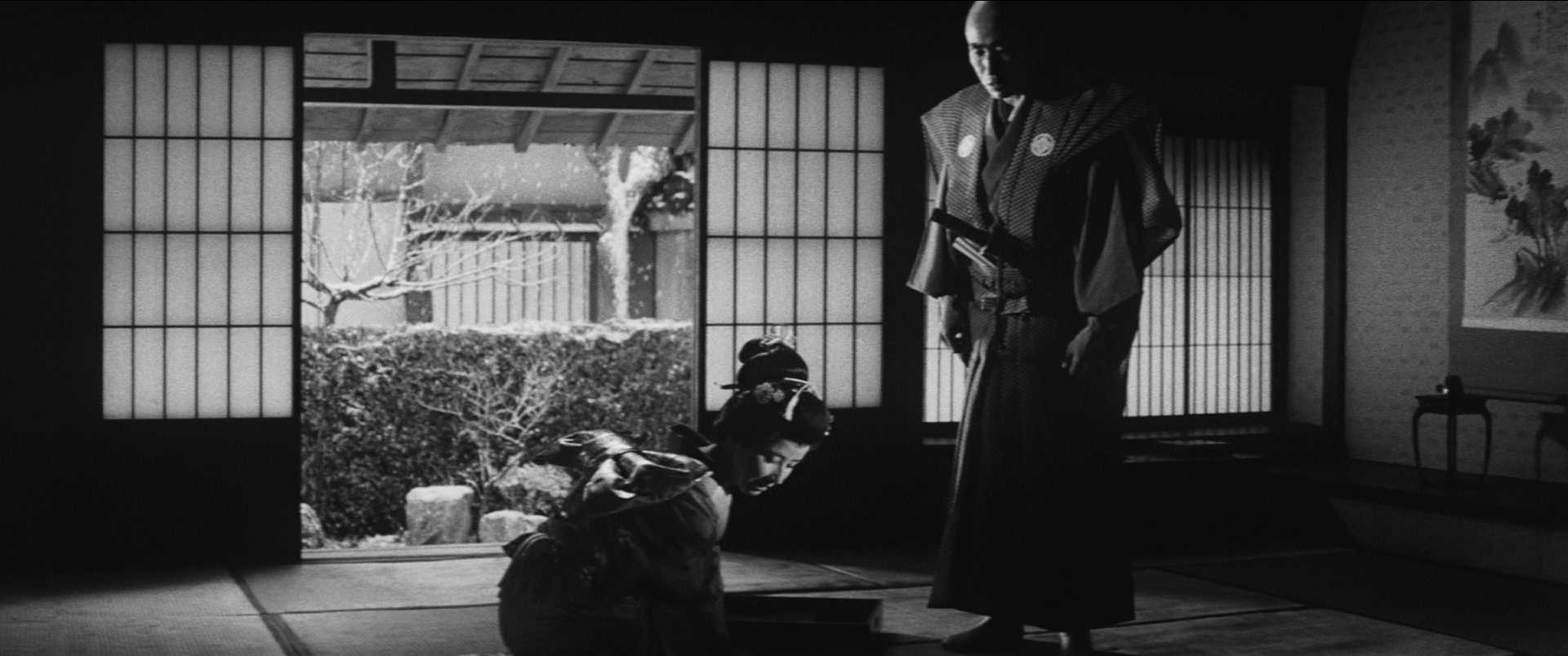
The film is expertly directed, in general. Tanaka uses a perfectly balanced mix of long and short takes, utilising a variety of cinematic techniques and rhythms, holding back or propelling forward when needed, making for a film that flows naturally and is highly effective throughout.
Overall, The Betrayal is a grand, dramatic jidaigeki that paints a bleak picture of samurai honour, and does so with style and cinematic mastery in equal measure.
Film: 

The Betrayal is out on 15th September on region A&B Blu-Ray, released by Radiance Films. It looks good, with very little dirt or damage, impressive detail and pleasing tones. I’ve used screengrabs throughout this review to give you an idea of how it looks. It sounds good too.
LIMITED EDITION BLU-RAY SPECIAL FEATURES
– High-Definition digital transfer by Kadokawa
– Uncompressed mono PCM audio
– Select-scene audio commentary by Japanese film historian Tom Mes (2025)
– The Path to Betrayal – Visual essay by film critic Philip Kemp, comparing The Betrayal with the original Orochi [The Serpent] (2025, 10 mins)
– Visual essay on director Tokuzô Tanaka by Tom Mes (2025, 9 mins)
– New English subtitle translation
– Reversible sleeve featuring original and newly commissioned artwork by Time Tomorrow
– Limited edition booklet featuring new writing by Alain Silver
– Limited edition of 3000 copies, presented in full-height Scanavo packaging with removable OBI strip, leaving packaging free of certificates and markings
Tom Mes provides a scene-specific commentary. As usual, he provides a detailed description of the background of the film and its makers. He also places the film in a historical context and provides some stylistic analysis in the later scenes. It’s a valuable piece.
Mes has also put together a short video essay looking at four key elements of the work of Tokuzô Tanaka. It provides a clear demonstration of the cinematic skills of the director.
Also included is a near-10-minute video essay from Philip Kemp. In the piece, Kemp compares The Betrayal to Orochi, the film on which it was based. It’s an intriguing watch.
I didn’t receive a copy of the booklet to comment on that, unfortunately.
Overall, Radiance have put together a strong package for this fine samurai drama. Highly recommended to jidaigeki fans.
Disc/package: