


 Director: Ed Sayers
Screenplay: Ed Sayers
Starring: Wildlife worldwide
Country: United Kingdom
Running Time: 82 minutes
Year: 2025
BBFC Certificate: 15
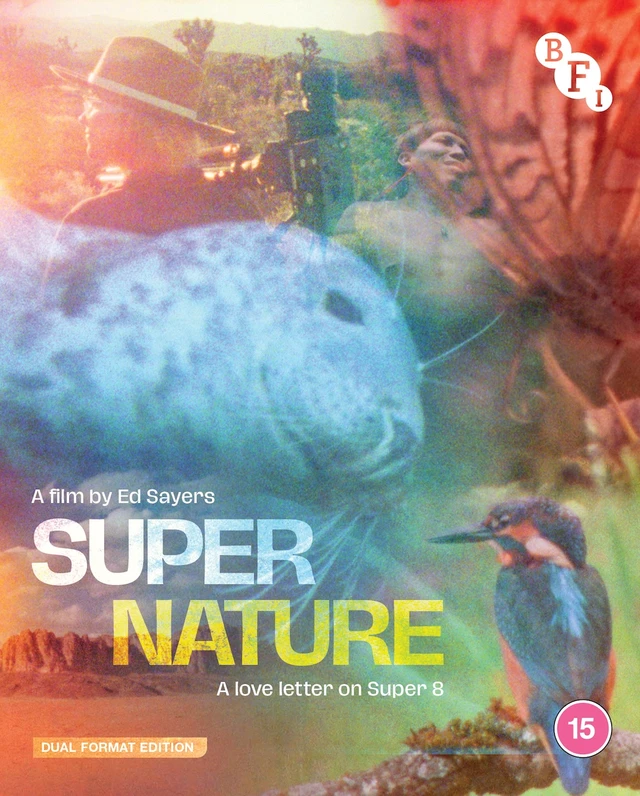
The qualities that seem particularly resonant about 8mm film drew me to this amazing project. The grain, the grit and what seems to me the emotional authenticity of Super 8 footage clearly has cast its spell on Ed Sayers, a film-maker with a long and distinguished track record who has become a specialist in Super 8 film making. Through his long running Straight 8 film festival, established in 1999, he became aware of an entire community of film makers around the world, and it was through his love of filming seals in Cornwall that he formed an idea to film nature in all its wonder and variety, collaborating with Super 8 film makers across the world. Super Nature is the glorious result.
As a concept, Super Nature is as ambitious as cinema can be. And yet it was inspired by the immediacy and intimacy that only Super 8 can provide, in this case the nature work by Roger Batteault, a retired French butcher whose film about flamingos is just one of the many enchanting pieces of cinema contained with this marvellous assemblage by Sayers. The restrictions of only a few minutes of film and no sound allow the film-maker to concentrate solely on the image, and that approach, with all of its attendant weaknesses certainly sharpened the minds of everyone who contributed to the film, from those filming in their frog pool to the activists clearing up waste in the Great Pacific Garbage Patch. In all, 40 film makers in 25 countries are showcased here, with an overarching narrative and voiceover by Sayer binding it all together, calmly and considerately.
What lies at the heart of all of the footage is the desire to document nature truthfully and unobtrusively, to share the stories of animals under threat, or to celebrate those who are thriving again such as the Bison in Yellowstone National Park, hunted to the brink of extinction in the 19th century as a way, put quite bluntly, to destroy the Native American way of life. Each film maker is also seen being filmed themselves which also results in some genuinely wonderful footage from these secondary assistants. Everyone who made these invaluable contributions are named and accredited in the film’s extended credit sequences. One of the best is a pick-up shot of Ed Sayers himself filming a snail in the pouring rain.
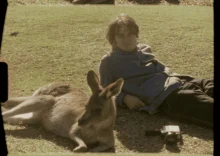
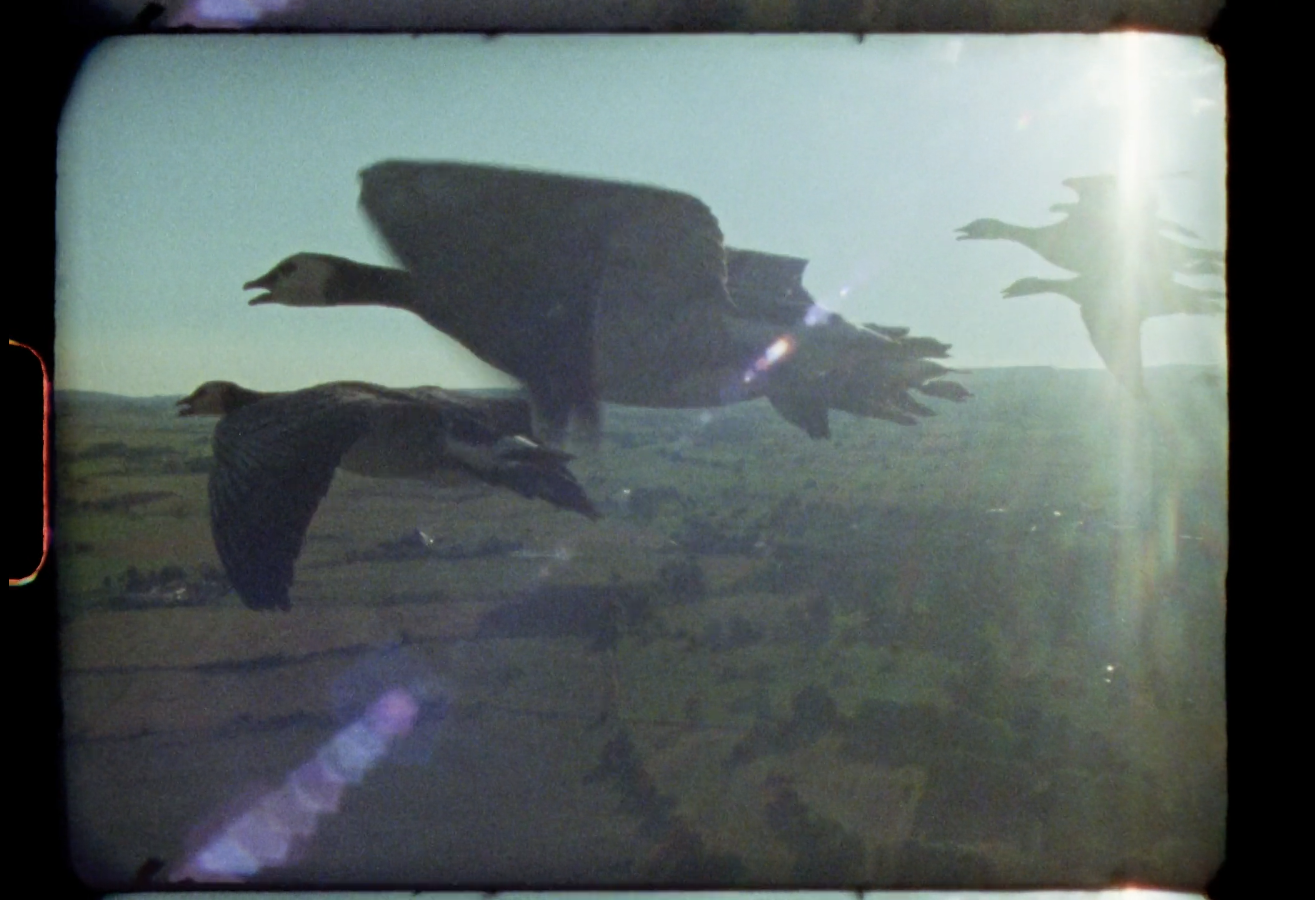
Super Nature confront the big questions amidst the visual paeans to nature worldwide: issues of climate change, the threat to indigenous peoples and the wellbeing of humanity as a whole emerge from stories about how viewing nature through the lens of a Super 8 camera has allowed people to overcome huge personal obstacles. The darkness and anxiety about the future of our species is so indelibly linked to nature that Sayers gently but firmly urges us to consider our place within our world, and the differences we can make in paying more attention, and taking more care of the nature closest to us. For him, it is the seals on a beach in Cornwall, but for others it is reindeer in Iceland, salmon in Scotland, monkeys in Mumbai, or whales in Patagonia. At one point a contributor mentions the Zulu concept of Ubuntu: ‘I am because you are’. That shared sense of belonging, of collectiveness and community is what makes Super Nature such a special experience. For me, the standout contributions were Tom Merilion’s footage of geese, Zacharia Mutai’s footage of the only two surviving Northern White rhino in Kenya, Fraser Johnston’s footage of the dazzling Weedy Sea dragon off the coast of Tasmania, and of course Batteault’s incredible flamingos.
Super Nature is one of this year’s most unexpected cinematic delights, generous and joyful, full of warmth and a real sense of hope that all is not truly lost when it comes to humanity’s profound connection to the natural world.
Extras
- Presented in High Definition and Standard Definition
- Audio commentary by director Ed Sayers and producer Rebecca Wolff
- Super Nature Q&A (2026, 24 mins): onstage Q&A with director Ed Sayers and executive producer Asif Kapadia, recorded at BFI IMAX following the film’s UK premiere
- Deleted scenes: Josh and Black Scottish Adventurers, Steve and the Mushroom Surfboard, David and the Purple Emperor, and Thorbjorg in Grindavik (2025, 4 mins)
- A selection of straight 8 films (2017-2019, 14 mins): full-length versions of the straight 8 films featured in Super Nature, including Hard Coffee, Rumours, In Love and Nature Hunter
- Goldfish (2007, 9 mins): a short film directed by Ed Sayers, featuring Michael Fassbender and Caroline Carver. Two couples, in the same room, try to keep it together
- A Day Out in Time (2012, 4 mins): a short film directed by Ed Sayers, made for straight 8: on one cartridge of super 8mm cine film with no editing or post-production
- Classic nature films from the BFI National Archive: The Battle of the Ants (1922, 12 mins) & The Nightingale (1932, 9 mins)
- Theatrical trailer
- Optional English descriptive subtitles and audio description
- **FIRST PRESSING ONLY** Illustrated booklet featuring new writing on the film by Ed Sayers and Adrian Beckingham
The extras on this dual disc (DVD and blu ray) release are extensive and illuminating. I especially enjoyed seeing full versions of the Super 8 films included in Super Nature (my favourite was the very funny Rumours) and the deleted scenes that Sayers agonized about leaving on the cutting room floor. Sayers’ abilities as a film maker are on display in two very droll and effective short films, my favourite of which is the mordant Goldfish featuring a very young Michael Fassbinder.
The commentary track allows Sayers and producer Rebecca Wolff to take the viewer through the processes behind the creation of Super Nature, and the decisions that were made at practically every stage of the production, from the first ideas Sayers had to the logistical challenges that affected each film maker in their own circumstances and environments. There is some nice technical chat and insight into how certain shots were achieved, which is always appreciated. Sayers has a very measured and reassuring voice, which is a real asset to both the film and these extra features, and is heard to great effect in the very enjoyable Q&A with executive producer Asif Kapadia, who asks lots of pertinent questions which Sayers responds with great courtesy and eloquence.
That eloquence is again on display in the director’s statement included in the accompanying booklet, which is full of wistful personal details and his characteristic infectious optimism. Adrian Beckingham’s essay Super Nature Is the Super Power is a precise and evocative appreciation of the film’s meditative qualities and the writer’s own reminiscences about his time spent with Maasai tribespeople in Kenya.
The archive nature films are contrasting period pieces: in the first, a battle between two ant colonies is staged for our ‘edification’ and is full of war-oriented intertitles that convey little to no information about what is really going on. The second is a quaint but informative view of Nightingales in their Oxfordshire habitats, complete with an opening shot of ‘dreaming spires’ and lush woodlands.