


 Director: John Schlesinger
Screenplay: Waldo Salt
Starring: Donald Sutherland, Karen Black, William Atherton, Burgess Meredith, Richard Dysart, John Hillerman, Geraldine Page
Country:USA
Running Time: 2 hours and 24 minutes
Year: 1975
BBFC Certificate: 15
The Day of the Locust (1975) takes the viewer on a satirical journey through life in the Golden Age of Hollywood, or ‘Hollywoodland’, as it was known, back in the 1930s.
The ‘Golden Age’ may conjure up images of glitz and glamour, but at the time, America was in the grips of the Great Depression, and we follow a set of characters on the fringes of the film industry. We see them navigate through the grotty, course and seedy underside of tinsel-town. It’s a tale of desperation and despair.
It’s based on the 1939 novel by Nathanael West, a satirist and screenwriter who worked in Hollywood at the time, which explains why this story has such an unapologetic layer of authenticity. West’s nightmarish critique of Hollywood is pushed even further in director John Schlesinger’s (Midnight Cowboy, Marathon Man) 70s feature which was produced by Paramount.
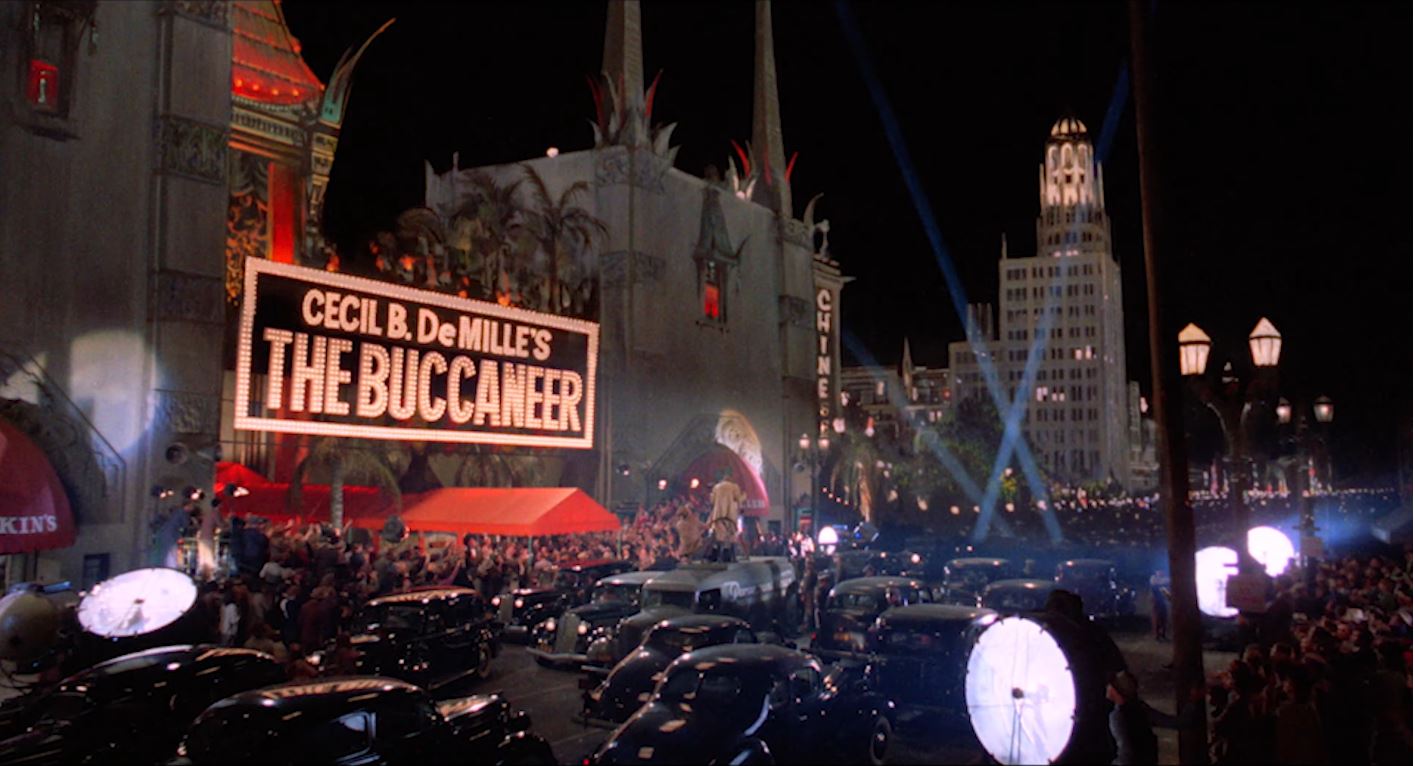
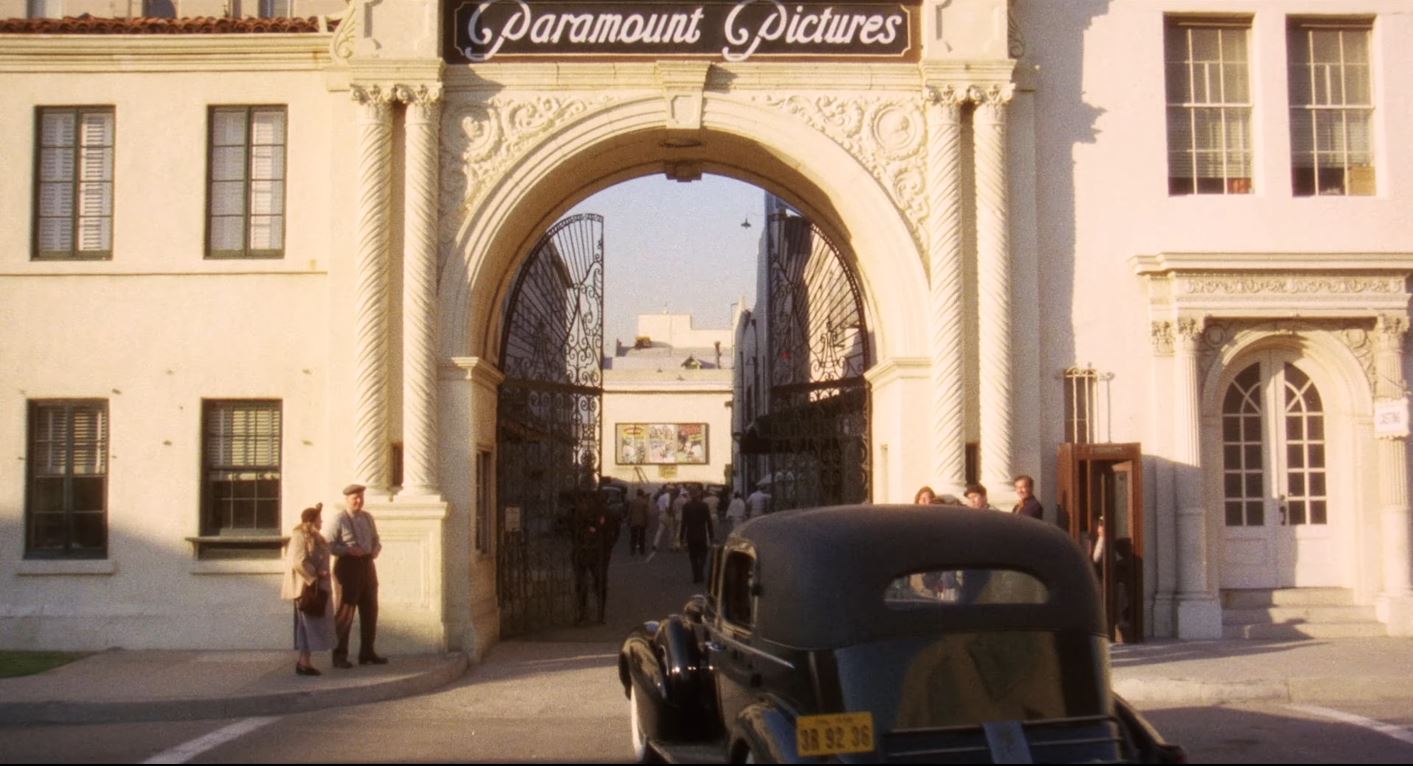
The access Paramount has granted with scenes playing out at the studio’s iconic gates, gives this admittedly cynical movie a nostalgic air of magic where it matters. Nevertheless, the film progresses from an eery-dark comedy into a sequence of pure explosive horror, around the famous Grauman’s Chinese Theatre.
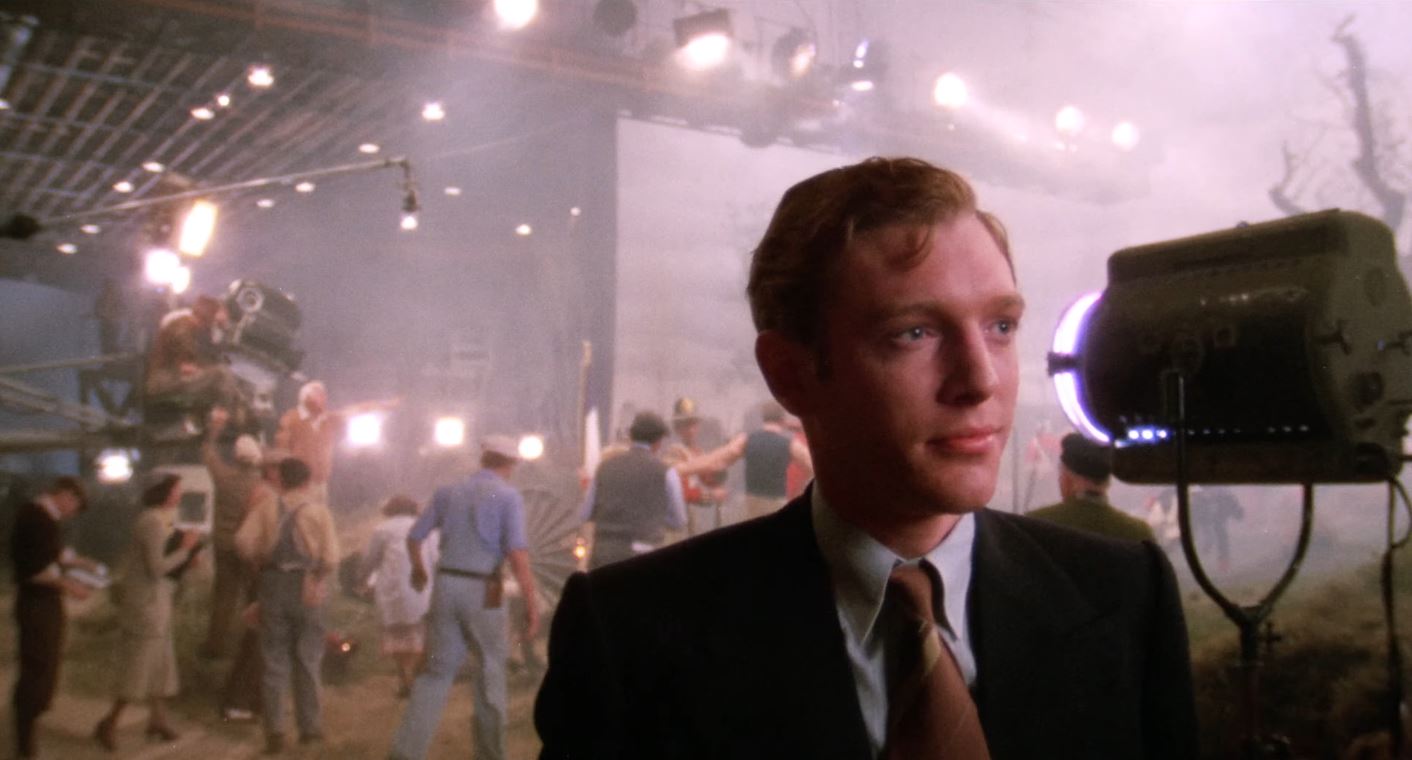
We follow Todd, an Ivy-league graduate who has just started working as an illustrator for Paramount Studio played by William Atherton (Ghostbusters, Die Hard). He moves into San Bernardino Arms, a run-down Bungalow court, and there he meets vapid starlet Faye Greener, played by Karen Black (Five Easy Pieces). Acting royalty Donald Sutherland also plays a major role as Homer Simpson (yes, where the cartoon character got his name from), who is a repressed pent-up ogre of a man – Sutherland completely transforms himself. It’s an impressive and touching performance, devoid of the twinkly charm he was so well known for.
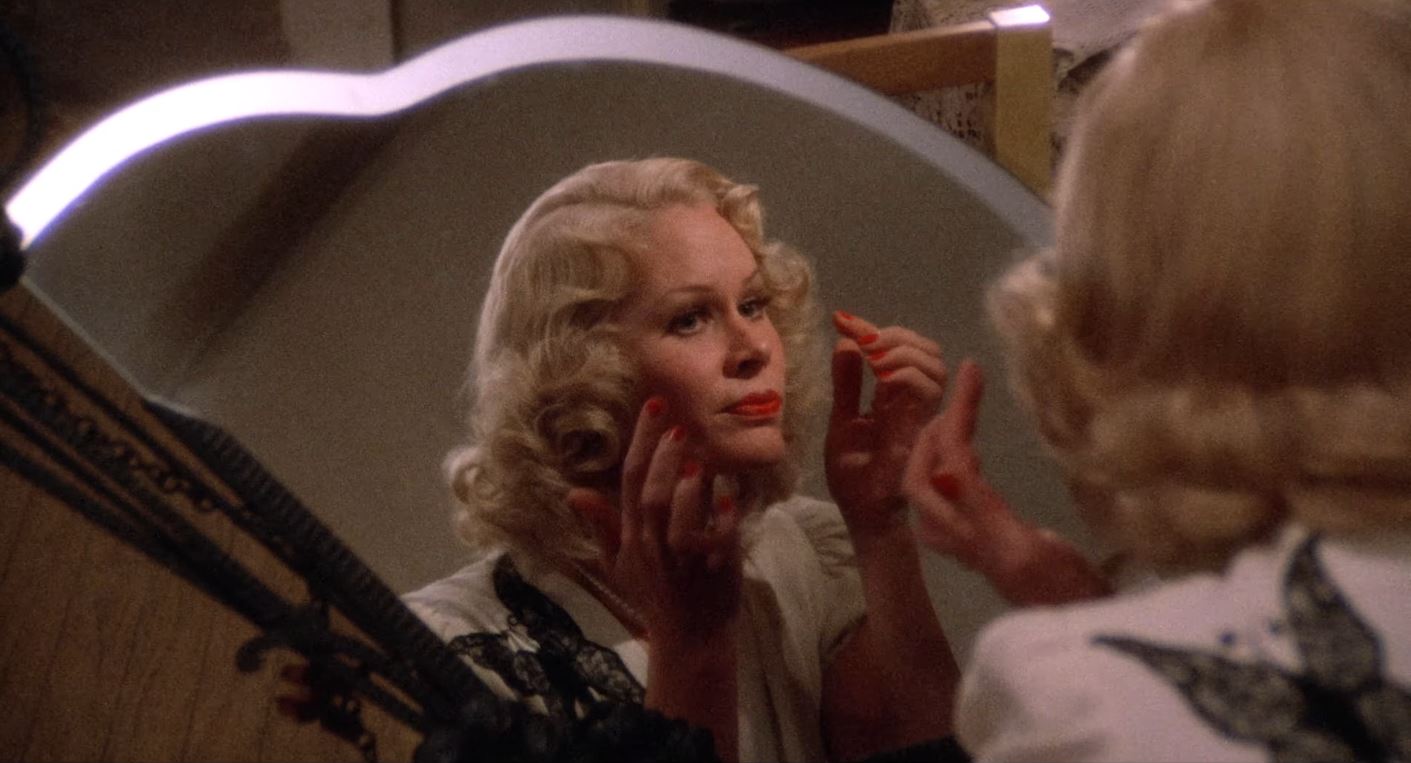
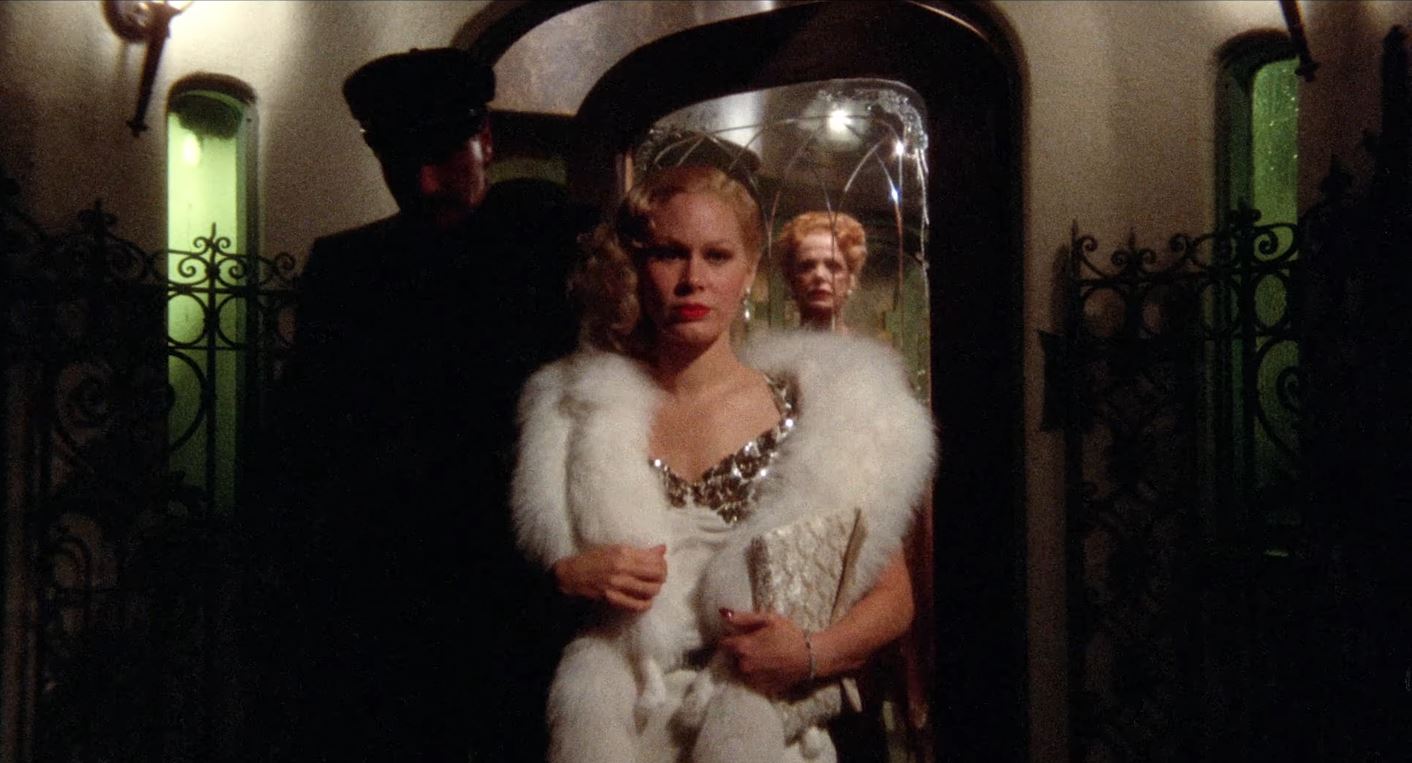
Atherton is serviceable in the role, playing Todd as a straight romantic lead with an edge, who lusts after the young starlet. Black evokes shrill narcissism as Faye, and there are moments of psychological turmoil where you can see the realisation dawning in her eyes that she will not make it as a star in the industry. All the supporting roles are fantastic, gleefully unhinged, including Burges Meredith, famous for portraying The Penguin in the 1960s Batman TV series, who plays Faye’s dad Harry Greener, a deeply broken ex-vaudevillian peddling home-made silver polish door-to-door. The role earned him an Oscar nomination.
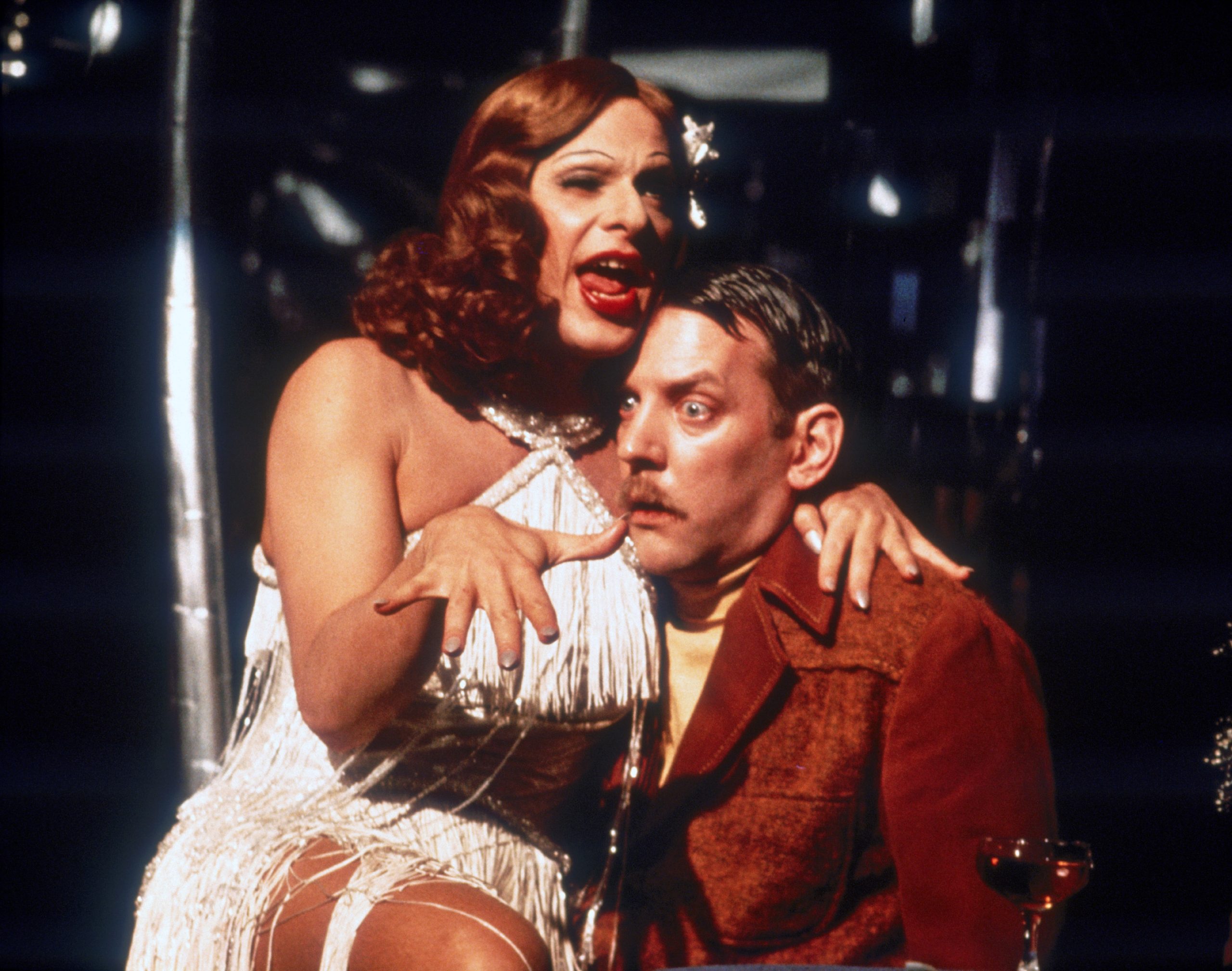
The film has a strong opening and closing act. In the middle, the film tends to lag with an exceeding amount of melodrama between Faye and Homer. Then, while the final act with the huge centre-piece is a very powerful and a damning indictment of Hollywood, it feels overblown, stagey and overproduced. You can’t help feeling that some of the actors’ reactions are fairly over-dramatic and could have shown a little more restraint. Ultimately, however, it’s a stunning art piece and a unique look at a fascinating and legendary epoch.
I was fairly disappointed with the transfer – a 2K remaster from the original camera negatives – which was previously released by Arrow in the US in 2023. Quite a few of the scenes were completely over-distorted with film grain and others looked really washed out. It could really do with a 4K restoration as this film deserves it, the cinematography of the period setting is truly exquisite.
Film:


LIMITED EDITION CONTENTS
- 2K remaster by Arrow Films from the original negative
- High Definition (1080p) Blu-ray presentation
- Original restored lossless mono audio
- Optional restored lossless 5.1 and 2.0 stereo audio options
- Optional English subtitles for the deaf and hard of hearing on all films
- Oral history audio commentary conducted by writer and film historian Lee Gambin, featuring assistant directors Leslie Asplund and Charles Ziarko, production associate Michael Childers, actors
- Grainger Hines and Pepe Serna, title designer Dan Perri, costume designer Ann Roth, assistant editor Alan L. Shefland and assistant camera operator Ron Vidor
- Welcome to West Hollywood, an appreciation of the film by critic Glenn Kenny
- Days of the Golden Age, a visual essay by costume historian and film historian Elissa Rose, discussing the film’s costumes
- Jeepers Creepers, Where’d You Get Those Peepers?, a visual essay on the film and its themes by writer and film historian Lee Gambin
- Image galleries, including exclusive behind-the-scenes photographs from the archives of production associate Michael Childers and assistant camera operator Ron Vidor
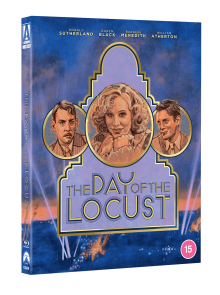
- Reversible sleeve featuring original and newly commissioned artwork by Colin Murdoch
- Collectors’ booklet featuring writing on the film by Pamela Hutchinson
Oral history audio commentary – This was a really wonderful idea, especially with the film’s long 2hr24 minute runtime. So many interesting creatives behind the project are interviewed, and they’ve got some great stories to tell. The recording is a little and varies in quality, but it’s a phenomenal bonus feature. It would be great to see more of this in Arrow’s future releases.
Welcome to West Hollywood (video essay, 24 mins) – A fantastic video essay by critic Glenn Kenny. Kenny touches on a number of topics like, Hollywood self-loathing, the context of story and book author Nathanael West. He reads recollections and essays about West, this was really fascinating. He discusses themes of the book like falseness, alienation and corruption. He speaks about how Bob Evans initially tried to stop the movie, due to its damning portrayal of Hollywood. Then he goes into Shlezinger’s approach to the story. He also mentions which members of the cast appeared in old Hollywood films. An excellent essay.
Days of the Golden Age (video essay on the costumes, 18 mins) – Film and costume historian Elissa Rose speaks about the costumes and essay features recordings of the film’s costume designer Ann Roth. Much of the essay is centred around starlet Faye’s costumes. She spoke about 30s fashion in period films, with Faye’s wardrobe taking inspiration from the like of Jean Arthur, Norma Shearer and Ginger Rogers. There were some interesting observations, like how Faye is often dressed in white, which was an old-school technique of drawing the audience’s eye towards the leading lady, and also how it represents her innocence. She highlights how Roth wanted to created a sense of realism in the picture with characters repeat wearing certain articles of clothing. Rose spoke about special period underwear that was given to the extras – some type of girdle. We also learn how Roth co-ordinated her costuming with cinematographer and how she sourced era-appropriate fabrics.
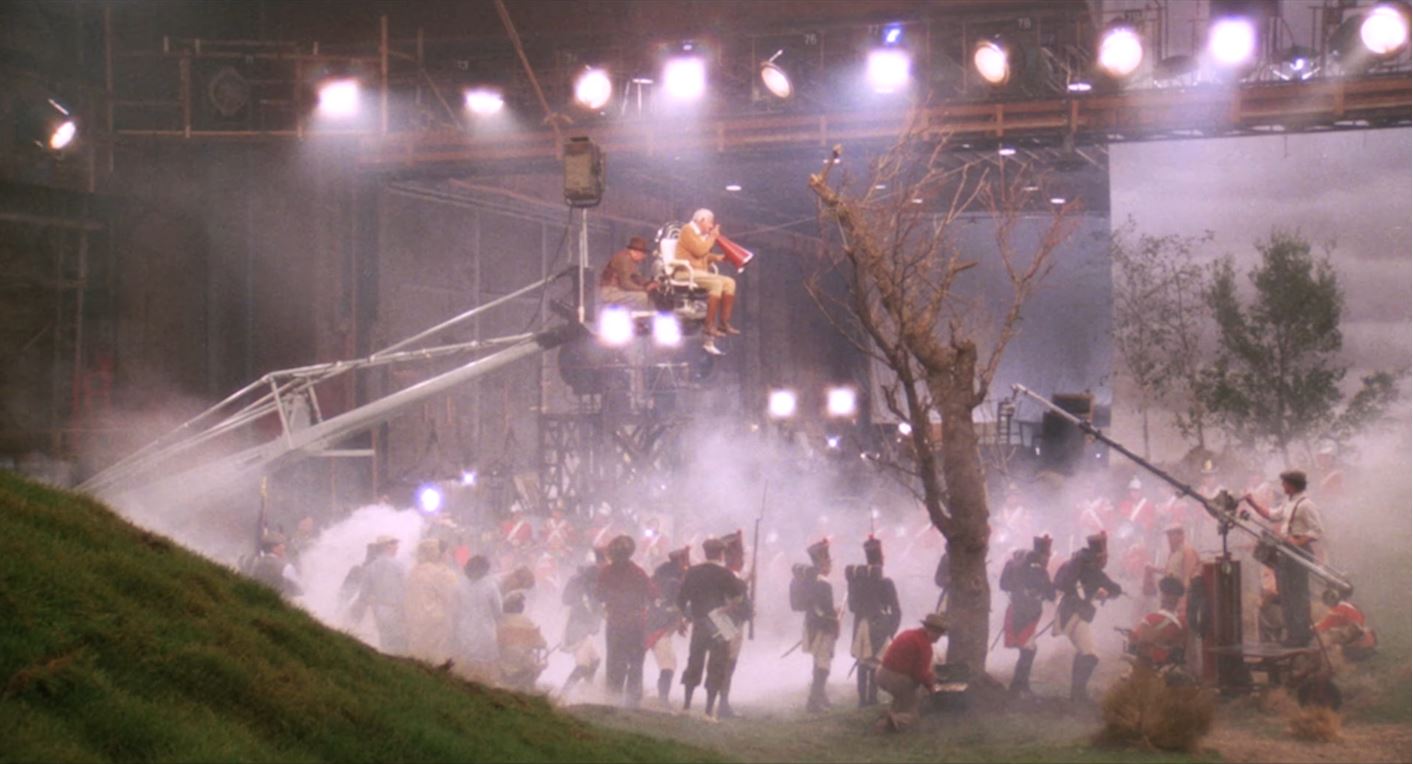
Jeepers Creepers, Where’d You Get Those Peepers? (video essay, 24 mins) – Phenomenal essay from film historian Lee Gambin where he argues it’s a horror film. He discussed the symbolism of the final Grauman’s Chinese Theatre sequence, the crack in the wall of the bungalow, the Battle of Waterloo and what the characters each represented. He spoke about the dark underbelly of the film industry and harrowing everyday humdrum that corrupts and crushes the spirit. It makes you not only reflect on the horror and more savage elements of the movie, but the deep sense of pathos instilled within each of these characters. A wonderful in-depth insight into the subtext of the movie.
Radio Spots (2 mins) – These are fun in a hokey old fashioned way. They are written with flair and have dramatic background music. Deliciously corny. The narrator sounds like a Golden Age announcer.
Disc/package:
Arrow releases The Day of the Locust Limited Edition Blu-ray on 6 April, 2026, in the UK for the first time.