


 Director: Kinji Fukasaku
Screenplay: Kinji Fukasaku, Hirô Matsuda, Tatsuo Nogami
Starring: Kinnosuke Nakamura, Shin’ichi ‘Sonny’ Chiba, Hiroki Matsukata, Teruhiko Saigô, Reiko Ôhara, Yoshio Harada, Etsuko Shihomi, Kentarô Kudô, Jirô Yabuki, Hideo Murota, Mayumi Asano, Hiroyuki Sanada
Country: Japan
Running Time: 130 min
Year: 1978
BBFC Certificate: 15
Kinji Fukasaku is best known for revolutionising and revitalising the yakuza genre in Japanese cinema, shifting it into jitsuroku (true-account) territory. Most notably, he found great success in the 70s with his groundbreaking Battles Without Honour and Humanity series. However, after a shocking gang murder seemed to have been inspired by Fukasaku’s Hokuriku Proxy War, the director and studio behind it, Toei, decided to step back from the genre. It was starting to run out of steam at this point too.
In a bid to find something to fill the gap, Toei decided to return to making jidaigeki (period films) again, after what was marketed as a 12-year gap. The filmmaker they chose to bring jidaigeki back was Fukasaku. He accepted the job and, being the sort of man he is, he decided to put his own spin on the genre, which he hadn’t worked in previously.
The resulting film was Shogun’s Samurai (a.k.a. Yagyu Clan Conspiracy or Yagyû ichizoku no inbô). It was a big production for Toei, loaded with stars and made on a grand scale. It proved to be popular too, making good money in Japan and leading to a TV series produced that same year, called The Yagyu Conspiracy, as well as two TV film remakes in 2008 and 2020.
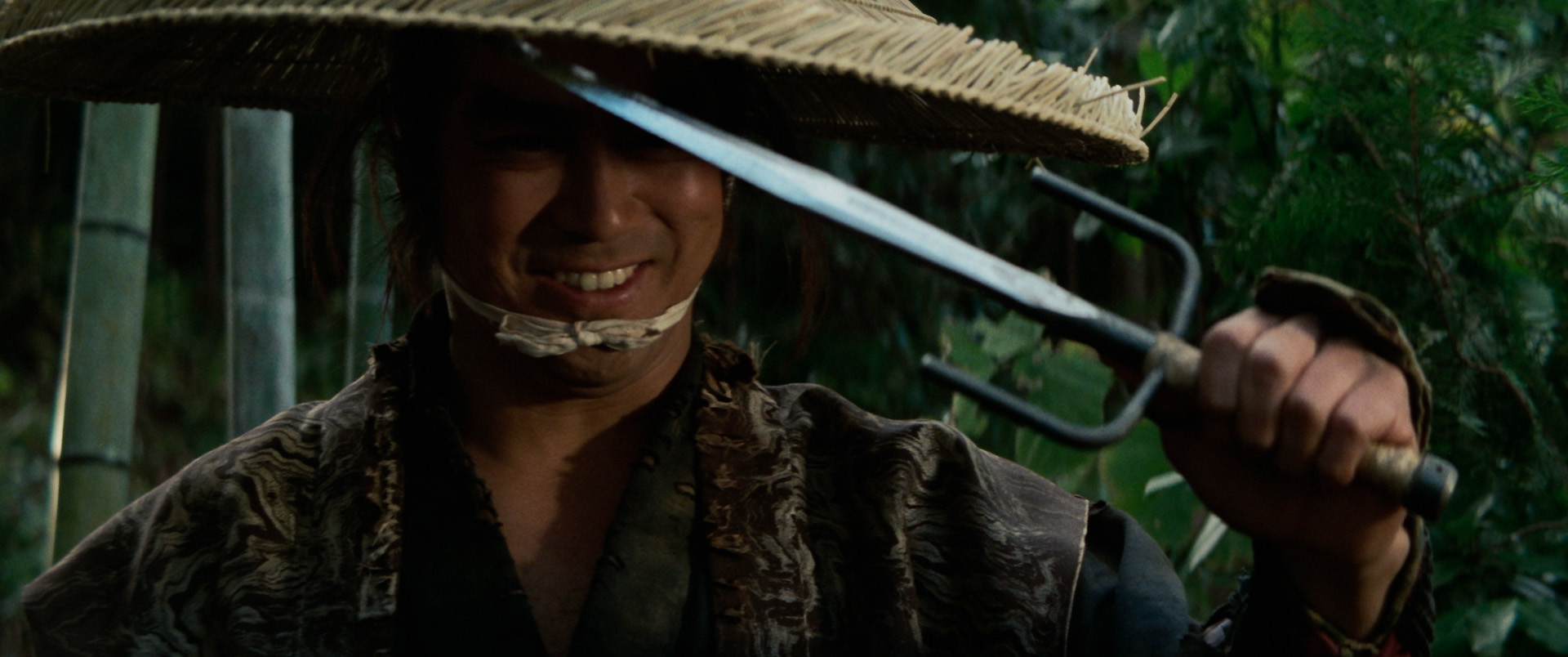
Now, Eureka are releasing the film on Blu-ray as part of their Masters of Cinema series. I’d seen the film a long while ago and remember enjoying it a great deal, so I got my hands on a copy to review here.
Shogun’s Samurai is a jidaigeki epic that dramatises the fierce political struggle surrounding the succession of the third Tokugawa shogun. When Shogun Tokugawa Hidetada dies, his two sons, Tadanaga (Teruhiko Saigô), favoured by many daimyo (regional lords), and Iemitsu (Hiroki Matsukata), supported by key advisors, become rival claimants. The powerful Yagyu clan, led by swordmaster Yagyu Munenori (Kinnosuke Nakamura), throws its weight behind Iemitsu, believing him to be the rightful heir and the best path to maintaining their own influence.
Alongside numerous other characters, the film follows Munenori’s son, Yagyu Jubei (Shin’ichi ‘Sonny’ Chiba), a formidable swordsman who becomes entangled in a labyrinth of betrayal, secret alliances, and violent schemes as various factions manoeuvre to place their chosen heir on the throne. As the conflict escalates, assassinations, covert battles, and shifting loyalties transform the succession dispute into a brutal power struggle that pits even members of the same family against one another.
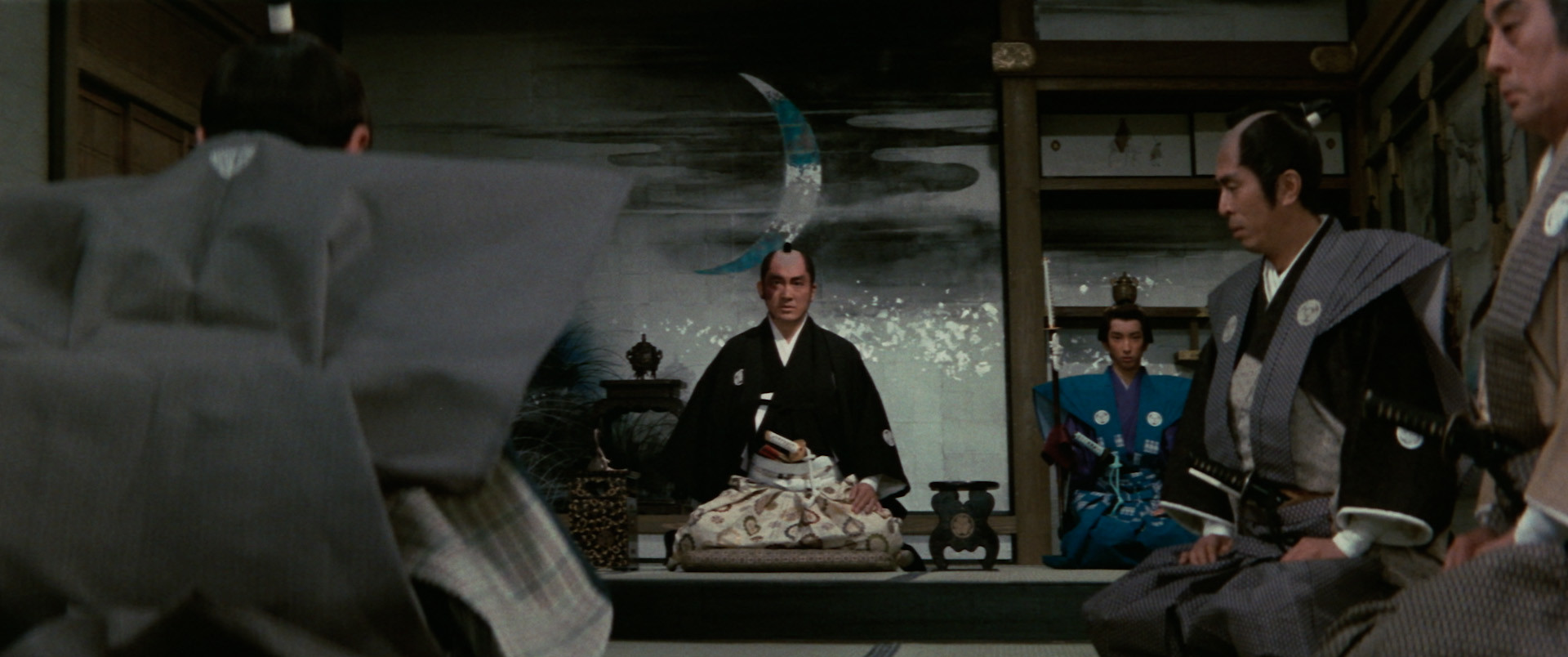
As mentioned, Shogun’s Samurai sees Fukasaku making the jigaigeki genre his own. Despite the period setting, Fukasaku is making a statement about 70s Japan and its race for modernity. As usual for the director, it takes aim at figures of power.
The story is a far cry from the heroic tales of samurai fighting for moral justice. This is a world of cruel political machinations. A fight for power that inevitably leads to bloodshed and suffering, of which the lower classes take the brunt.
The web of alliances and deceptions, as well as the sheer volume of characters, make for a complex narrative. However, the strands are woven together beautifully, resulting in a story that’s deeply compelling and never confusing.
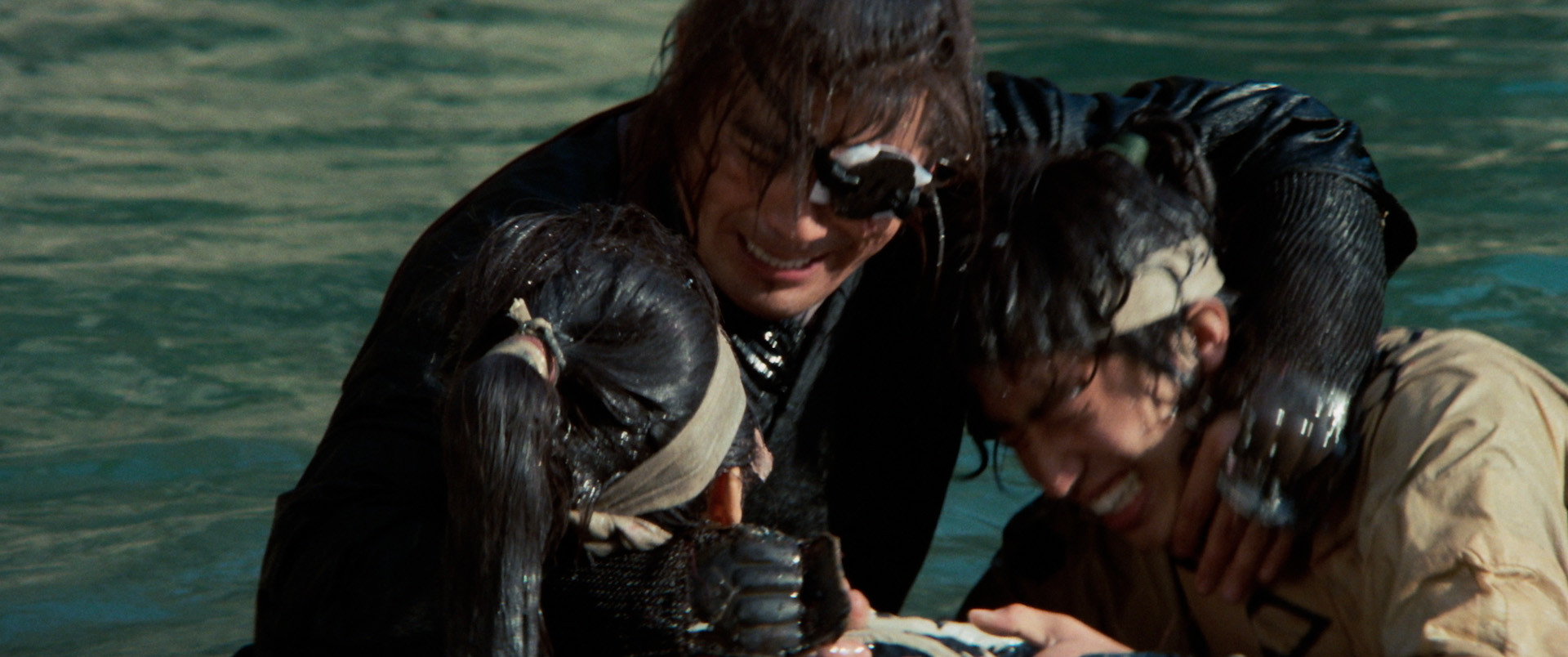
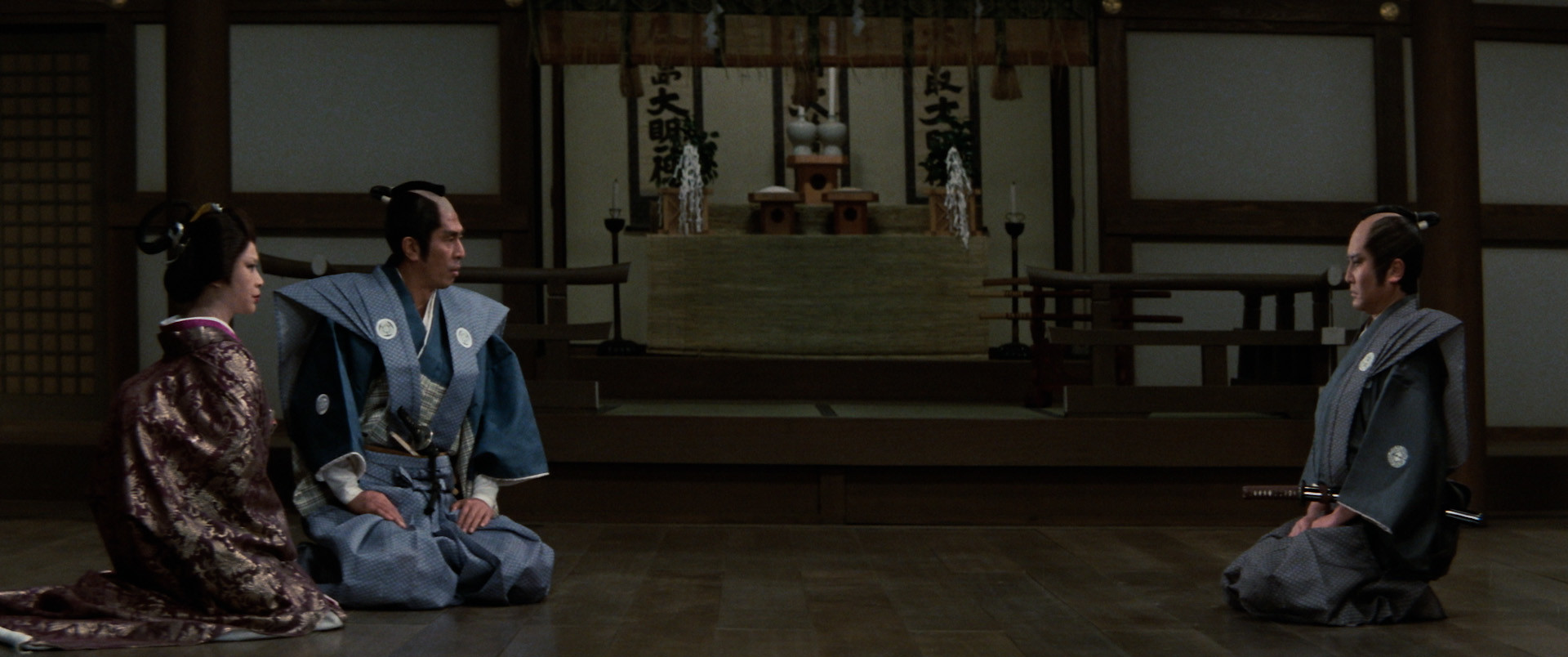
Fukasaku uses cinematic techniques to make a point too. The scenes set within the corridors of power, in the palaces and homes of the daimyo, are shot with a cold, calculated precision, whereas the scenes with the soldiers and villagers living in rural Japan or on the city streets are shot with a grubbier, often handheld aesthetic. This reflects the deeply contrasting worlds of the differing hierarchical levels of the time in which the film is set.
Whilst much of the film focuses on the political conspiracies at play, Fukasaku does throw in a healthy dose of swordfights and battles to keep genre fans happy. As with the action scenes in his yakuza films, these are intense and visceral.
The performances from the all-star cast can feel overbaked, but this was common in jidaigeki at the time, and I felt it added to the almost operatic style of the film. Everything’s ramped up here to make for a rousing epic.
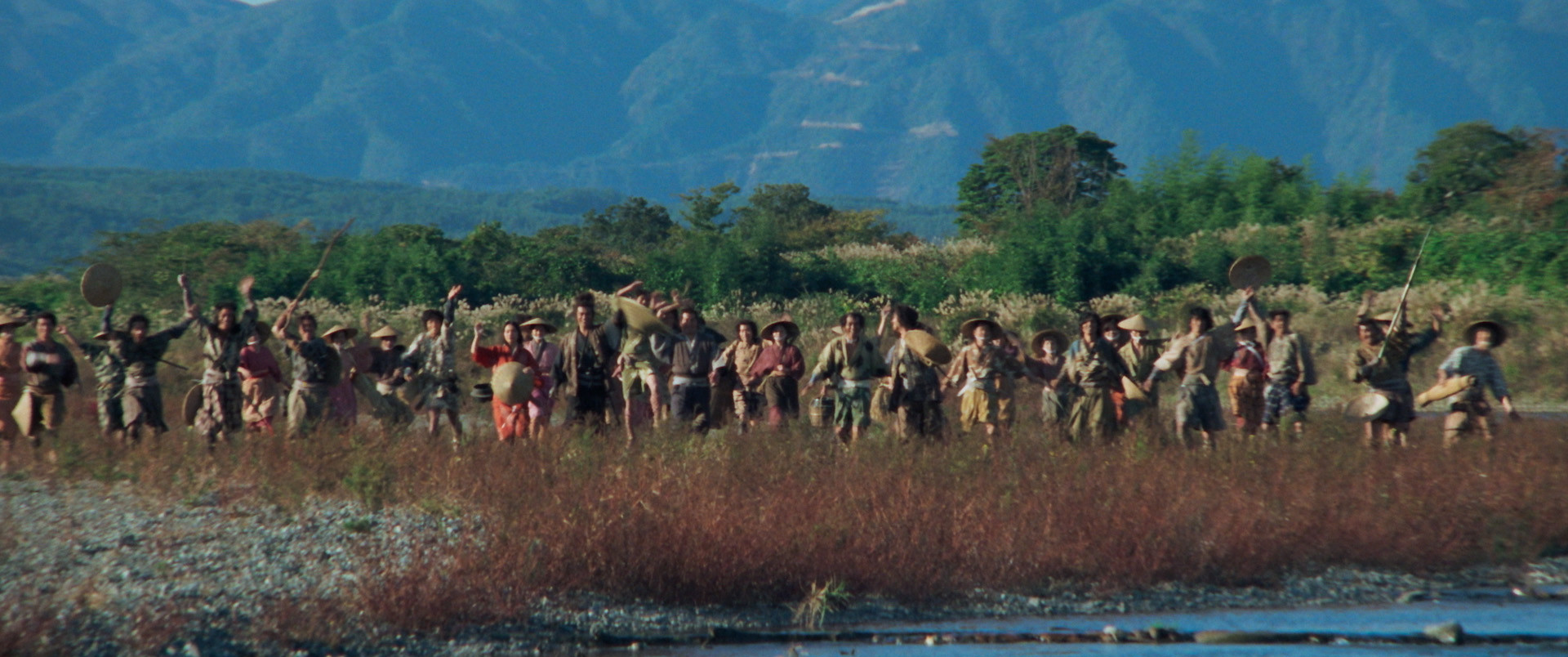
So, through Shogun’s Samurai, Fukasaku managed to give the jidaigeki genre a kick up the arse, leading to him making a string of them. This still stands as one of my favourites though, as it perfectly balances intrigue and action on a grand scale.
Film: 

Shogun’s Samurai is out now on Blu-Ray, released by Eureka as part of their Masters of Cinema series. The transfer is great, with a clean and detailed picture, and natural colours. The audio is strong too.
LIMITED EDITION BLU-RAY SPECIAL FEATURES:
– Limited edition of 2,000 copies
– Limited O-card slipcase featuring new artwork by John Dunn strictly exclusive to this edition only
– Limited edition booklet featuring new writing by on the film by Jonathan Clements
– 1080p HD presentation from a 4K restoration by Toei
– Uncompressed original Japanese mono audio
– Optional English subtitles, newly revised for this release
– Echoes of the Present: Kinji Fukasaku’s Jidaigeki Cinema – new video essay by Japanese cinema expert Joe Hickinbottom
– Original theatrical trailer
The only on-disc extra of note is an essay about the film and Fukasaku’s jidaigeki by Joe Hickinbottom. He talks about the similarities between them and the director’s yakuza films. It’s an illuminating and engaging piece.
I wasn’t sent a copy of the booklet to comment on that. Eureka’s booklets are usually worth a read though.
So, it’s a shame we don’t quite have as many extras as we’ve come to expect from Eureka’s East Asian cinema releases. However, what is included is very good, and the film and transfer are great, so I’d still wholeheartedly recommend the release.
Disc/Package: