


 Director: Jean Epstein
Screenplay: Jean Epstein
Starring: Ambroise Rouzic, Jean-Marie Laot, Gibois, Malgorn, François Morin, Pierre
Country: France
Running Time: 81 min
Year: 1929
BBFC Certificate: U
The Polish-French filmmaker and film theorist Jean Epstein is a highly respected figure among cineasts, though his work is hard to come by these days. Some of this is due to the age of the titles, with many early films having become lost to time. Some, sadly, just haven’t been restored, but we have had a few of his masterpieces make the jump to modern formats. Back in 2011, Eureka released Coeur fidèle on Blu-ray as part of their Masters of Cinema range and now, finally, they’re delving further into Epstein’s oeuvre with a beautifully restored print of Finis Terrae on Blu-ray.
I got hold of a copy, and my thoughts follow.
Finis Terrae is a poetic realist drama set on the remote island of Bannec, off the coast of Brittany. The film follows a group of four fishermen harvesting seaweed, focusing on the tensions and quiet rhythms of life in isolation.
Whilst joking around over the last bottle of wine, one of the workers, Ambroise, injures his hand on a broken bottle, and the wound becomes infected. His colleagues, including his friend, Jean-Marie, who is angry at Ambroise because he thinks he’s stolen his knife, initially think he’s being lazy and skiving off work, so they don’t rush to help.
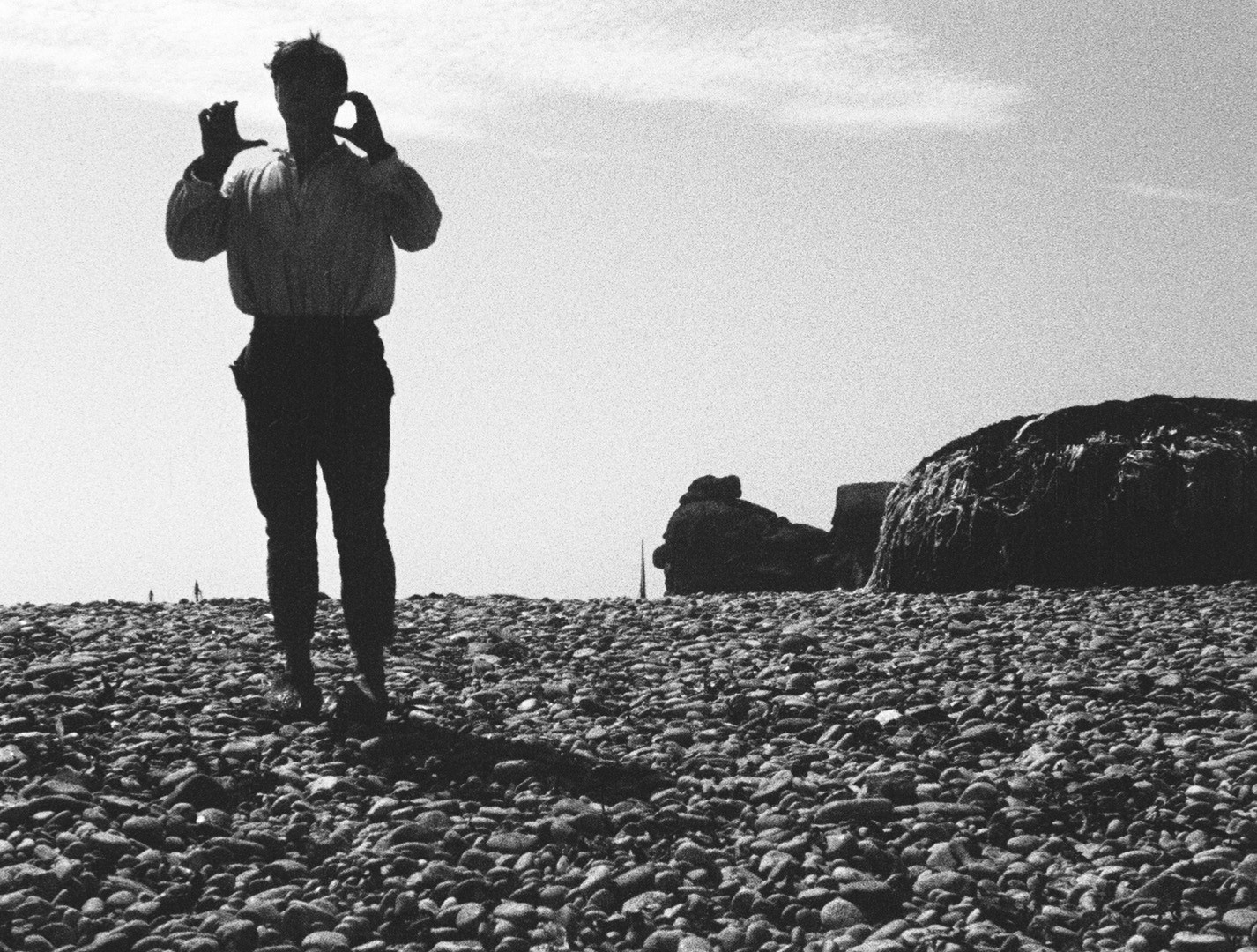
Ambroise’s condition worsens, but the harsh and rugged environment, along with limited communication with the mainland, prevents immediate medical help. Eventually, some mainlanders begin to believe something is wrong on the island, but it’s not easy for them to get there.
I must admit, this is the first Jean Epstein film that I’ve seen, but it won’t be my last, as I thought Finis Terraewas stunning. It was a very late silent film. In fact, it was among the last made in France. At this late stage though, Epstein takes the format to its zenith.
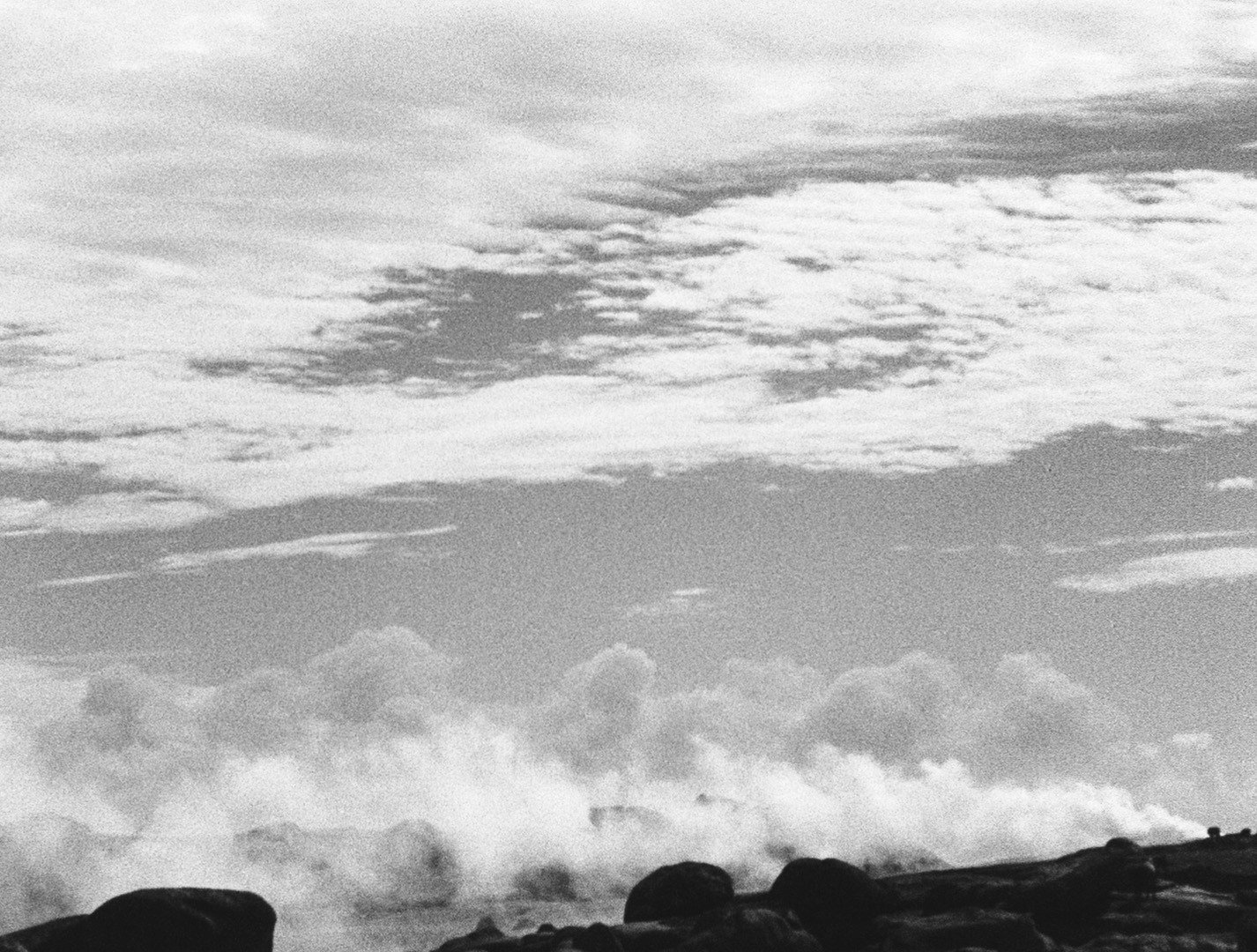
He uses cinematic techniques and poetic depictions of the landscape to express the emotions of the film’s characters and enhance the drama unfolding on screen. The visuals are used to tell the story, of course, being silent, but the way he shoots the sky, the waves and seemingly simple objects, all do so much more than just let you know what’s happening. It creates mood, atmosphere, and sometimes even elicits more visceral reactions through the rough textures and violence of the elements captured on film.
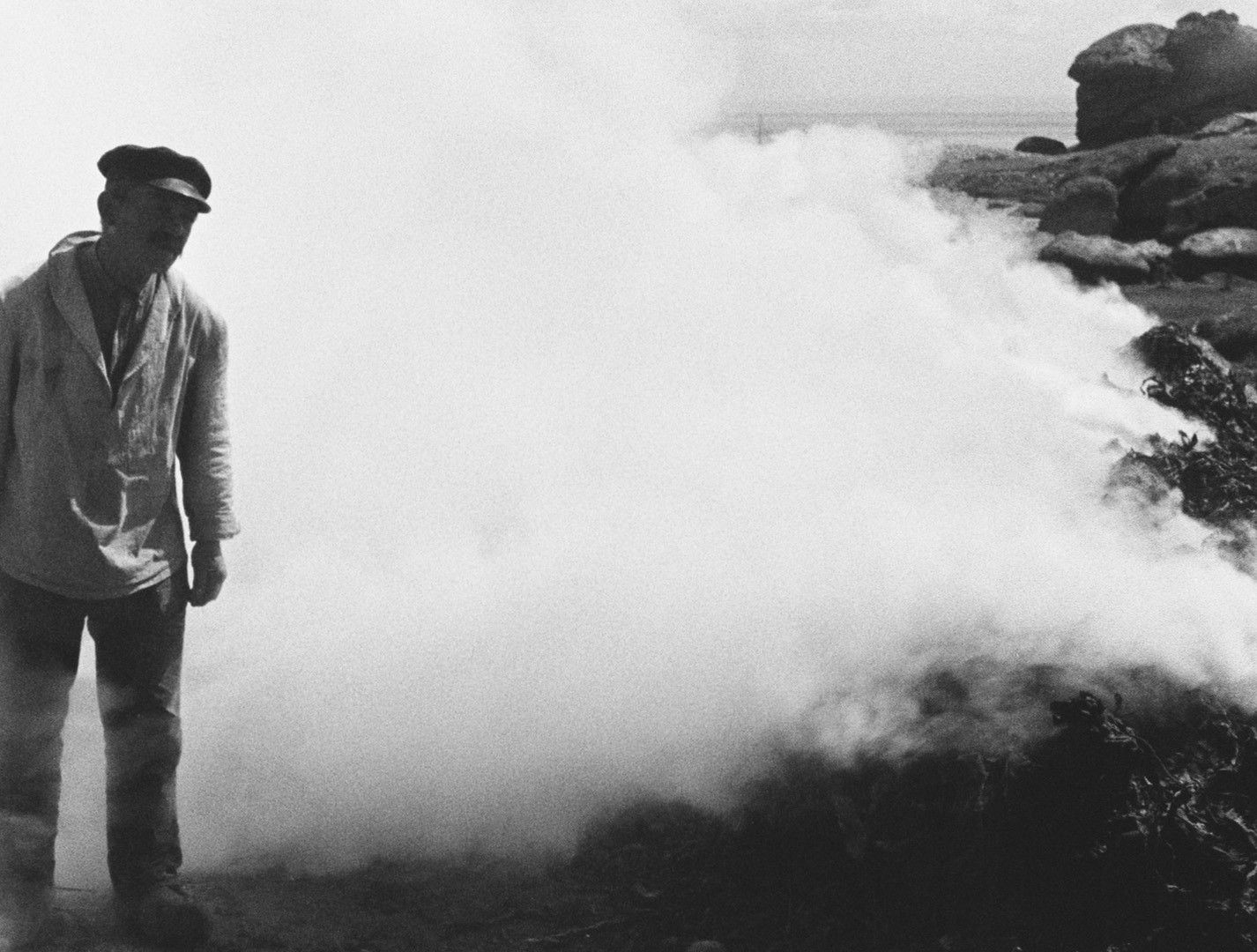
Epstein also used cinematic techniques that were quite experimental at the time. Throughout his career, he liked the idea of using the scientific apparatus of filmmaking to reveal something illuminating about the world around us. Most notable here is the use of slow motion. It’s used in key moments to emphasise their importance and also capture that feeling of time standing still due to illness or shock.
Epstein used non-professional actors and shot on locations with very little set dressing for authenticity. He didn’t even turn up in Brittany with a script. The story was devised organically whilst there, speaking to locals.
This way in which the film was made points towards neorealism, which wouldn’t kick off as a movement for another 15 years or so. As such, Epstein feels way ahead of his time, despite working in the medium of silent film, which was on its way out.
Epstein was a homosexual, and some of the extras on the disc describe how the film can be read in a queer context. Not only is this suggested through the intense closeness of Ambroise and Jean-Marie (particularly in the final scenes), but it could also perhaps be seen through the importance of illness and infection in our protagonist. At the time the film was made, homosexuality was considered “abnormal”, with some even seeing it as a sort of affliction. The way others initially shun Ambroise, dismissing his pain as being something else, may be seen as a metaphor in this sense.
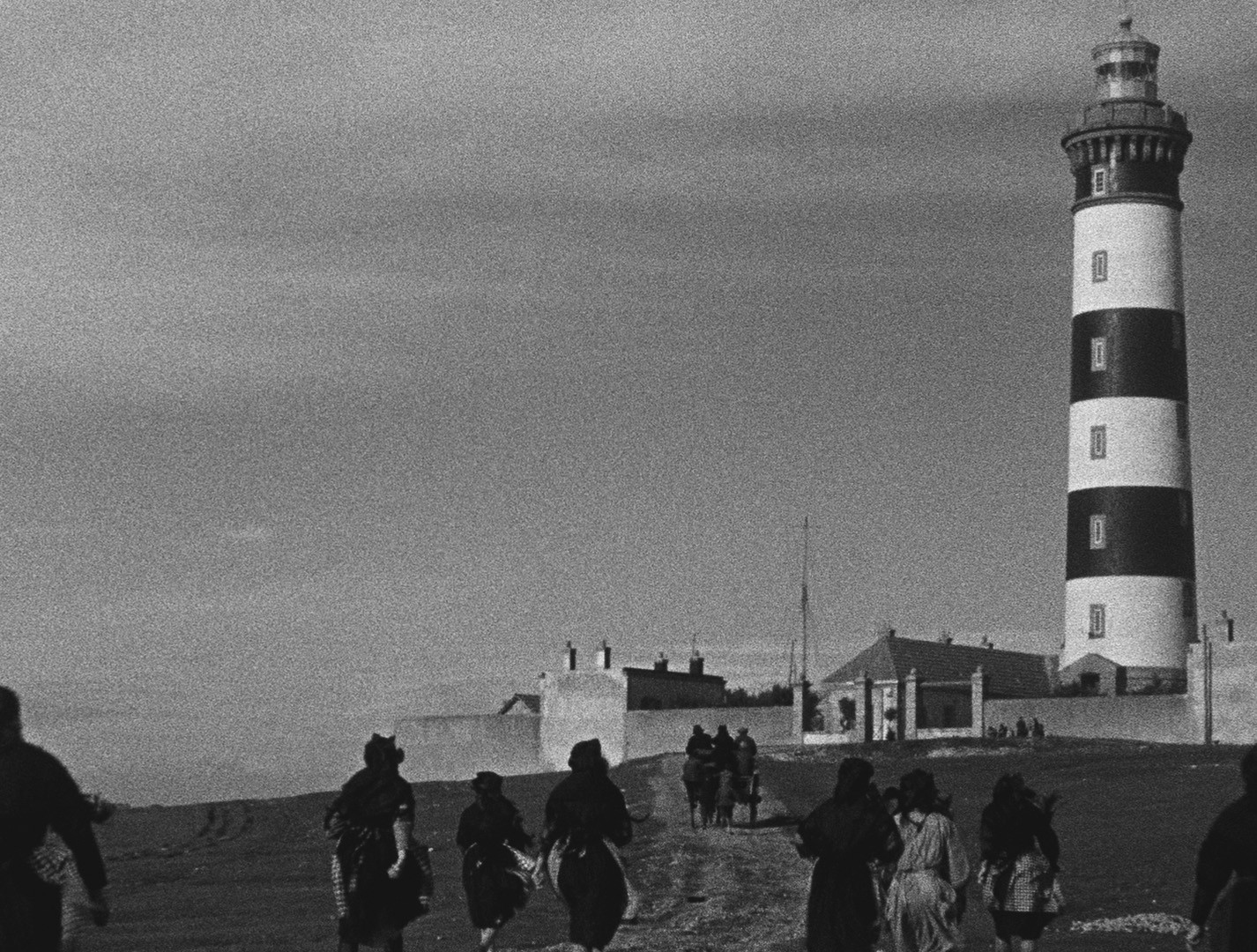
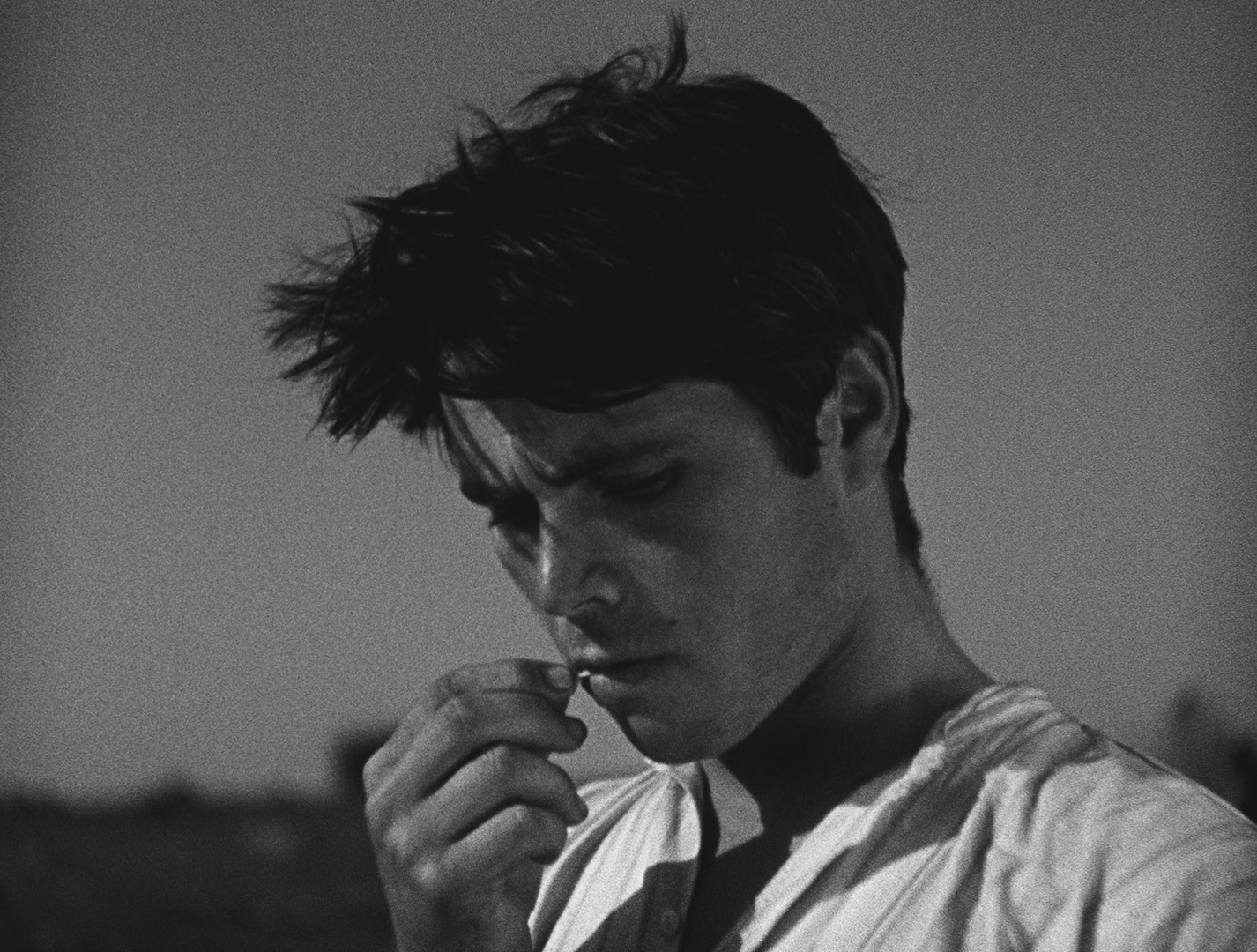
There’s plenty to appreciate in the film beyond any subtextual analyses though. The film looks stunning. Almost every shot will take your breath away. The fact that it was shot on the fly out in a remote area of Brittany with basic tech from the late 20s only makes it more impressive.
I also loved the accompanying score by Vincent Courtois. It blends jazz influences with modern composition to create a relatively understated soundtrack that perfectly matches the poetic beauty of the film.
Finis Terrae is nothing less than a masterpiece. Telling a simple story with natural beauty and poeticism, it’s a stunning final hurrah for the silent era.
Film: 
Finis Terrae is out on Blu-Ray on 11th August, released by Eureka as part of their Masters of Cinema series. The 4k remastered transfer is very impressive. It’s clean and sharp. Some of the darker areas are very heavy, leading to a slight lack of detail, but this may be intentional. The music comes through beautifully too.
SPECIAL FEATURES
– Limited Edition [2000 copies]
– Limited edition O-card slipcase featuring new artwork by John Dunn
– Limited edition collector’s booklet featuring a new essay on Finis Terrae by Jean Epstein expert Christophe Wall-Romana and archival writing by the director
– Finis Terrae presented in 1080p HD from a 4K restoration by Gaumont Film Company
– Impressions on Jean Epstein – new interview with film historian and critic Pamela Hutchinson on the life and work of the director
– Stranded – new video essay on Finis Terrae
– The Bottom of the Wave – an archival appreciation of Finis Terrae by Joel Daire
Pamela Hutchinson talks about Epstein and Finis Terrae in an interview. It’s a well-informed and interesting piece.
In an archival interview, Joel Daire also discusses how the film fits among the director’s oeuvre. This is similarly valuable.
The new video essay entitled ‘Stranded’ talks more specifically about Finis Terrae itself, analysing the film in detail. It works like a condensed commentary. I appreciated it a great deal.
In the booklet, Christophe Wall-Romana writes about the film, its production history and importance. This is followed by an essay from Epstein himself. In this, the filmmaker mulls over the role of cinema as an art form.
So, Eureka have put together a strong collection of extras to supplement a masterful film. Highly recommended.
Disc/Package: 