


 Director: Ronny Yu
Screenplay: Ronny Yu, Chan Kiu-Yin, Chiu Kang-Chien
Starring: Leung Kar-yan, Chow Yun-fat, Cherie Chung, Eddy Ko, Kuk Jeong-Seok, Fan Mei-Sheng, Simon Yat-Choh Yuen
Country: Hong Kong
Running Time: 90 min (HK cut, 89 min (export cut)
Year: 1982
BBFC Certificate: 15
Ronny Yu has enjoyed a long and reasonably successful career both in Hong Kong and Hollywood. The Bride With White Hair was his big breakthrough in 1993 but he’d been making films for over ten years prior to this.
Back in 1982, when he only had a couple of directing credits to his name, Ronny Yu was asked by Yuen Woo-ping to shoot a film called The Postman Fights Back (a.k.a. The Postman Strikes Back or Xun cheng ma) for his company, Peace Film Production. Hearing the idea, Yu saw it as a chance to make a film close to the American westerns he dearly loved. So, he agreed and worked on a script with Chan Kiu-Yin and Chiu Kang-Chien His first draft was scrapped by Golden Harvest, who were producing, but elements of his Eastern-Western concept, closely inspired by The Wild Bunch, remain.
The film sees Leung Kar-yan play Courier Ma, the titular postman. He enjoys travelling back and forth around the region, delivering parcels, but the development of the railroads is threatening to make his occupation a relic of the past.
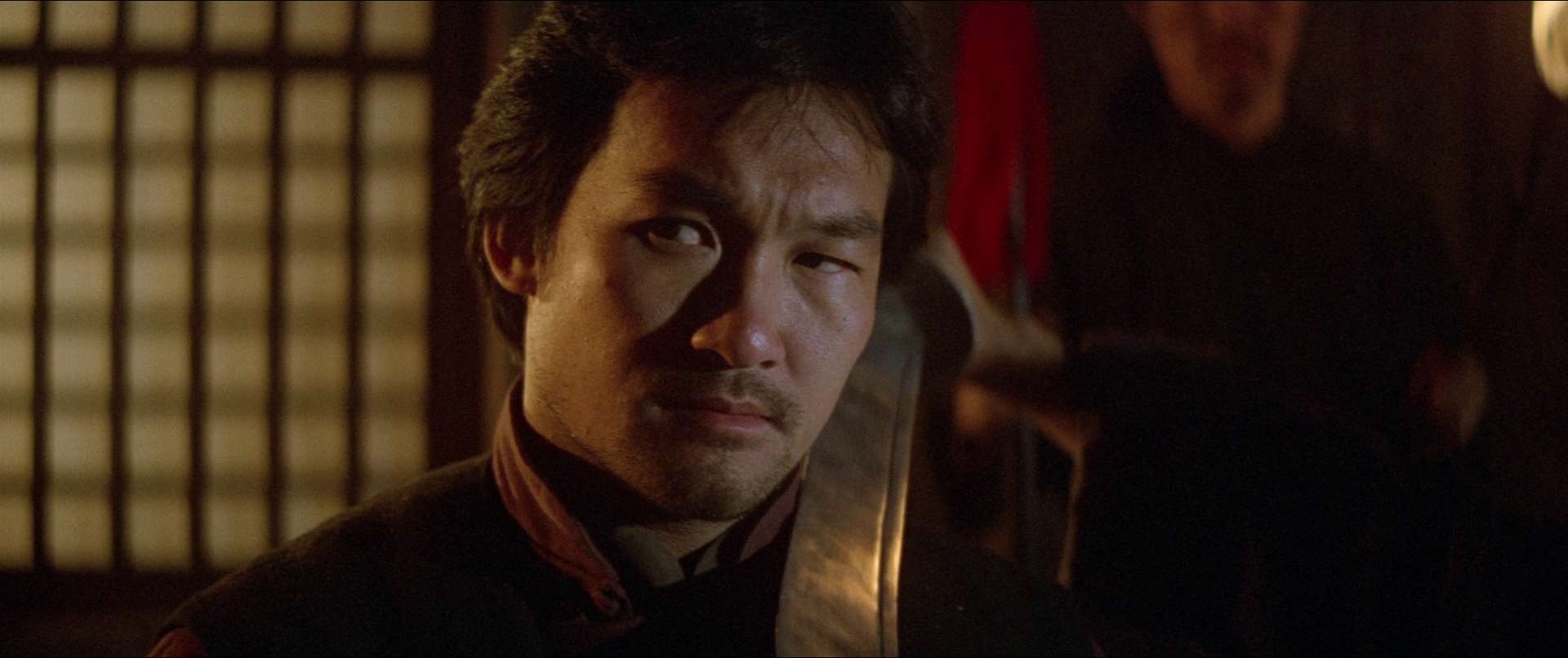
Ma’s friend Yao Jie (Simon Yat-Chor Yuen) desperately wants to take on a well-paid but suspicious delivery job for Hu (Eddy Ko), but needs Ma’s help. Seeing that his friend is in trouble and can’t do the job himself, Ma agrees to join him.
They are tasked with taking four cases that must never be opened to a rebel leader. The pair team up with explosives expert Bu (Fan Mei-Sheng) and smooth operator Fu Jun (Chow Yun-Fat), who is assigned the job by Hu himself.
As the quartet make the treacherous journey, they’re followed by Guihwa (Cherie Chung), who wants them to help her get back to her village. They also end up crossing paths with Li Fu (Kuk Jeong-Seok), who wants to stop them from giving the goods to the rebel leader.
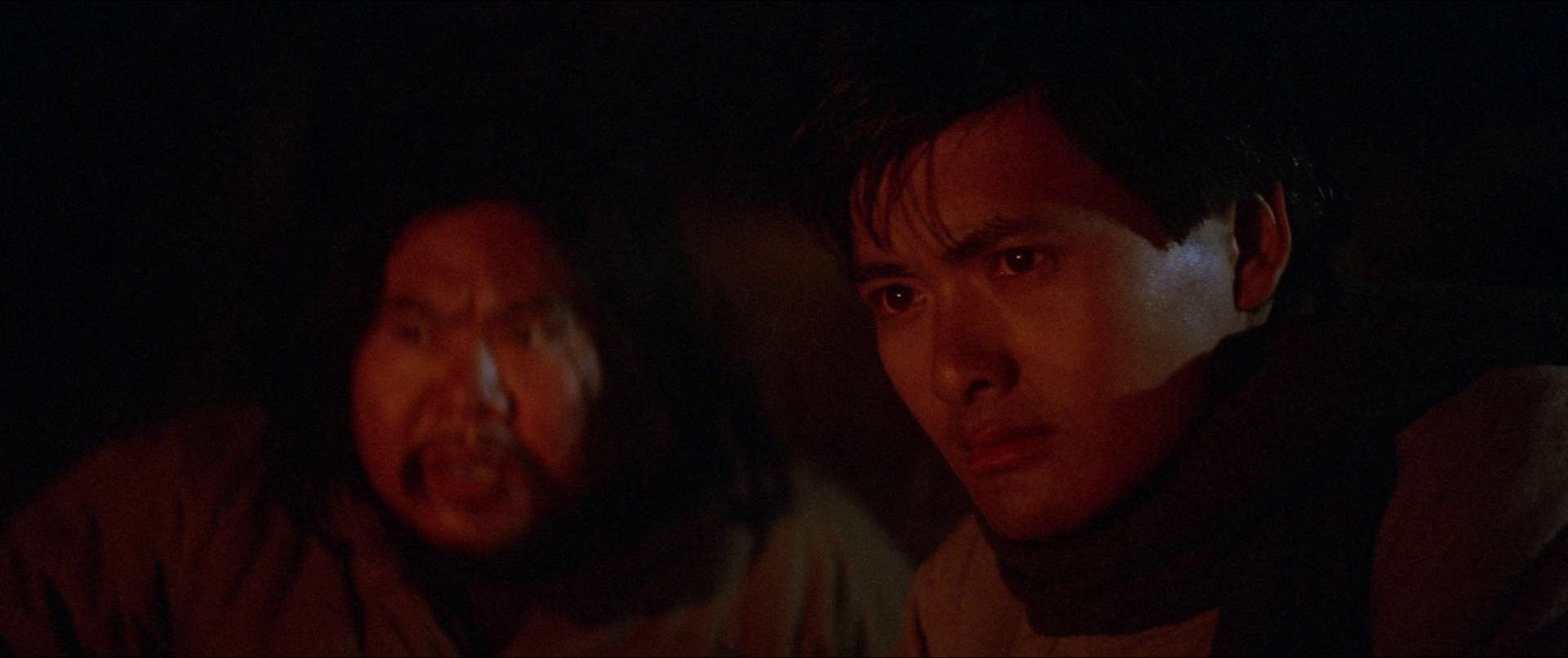
I feel The Postman Fights Back is somewhat of an underrated action movie of 80s-era Hong Kong. I can see why it’s not a huge favourite for many martial arts movie fans, as it’s a little light on fight action, particularly in the first half. So those seeing Woo-ping’s name behind the film and expecting a balletically-choreographed kung-fu fest might be disappointed.
However, when taken as it was intended, as a western-inspired adventure, the film is much more successful. Whilst there isn’t much hand-to-hand combat in the first half, the characters and story are set up effectively and there are enough fun little set-pieces to keep you from twiddling your thumbs.
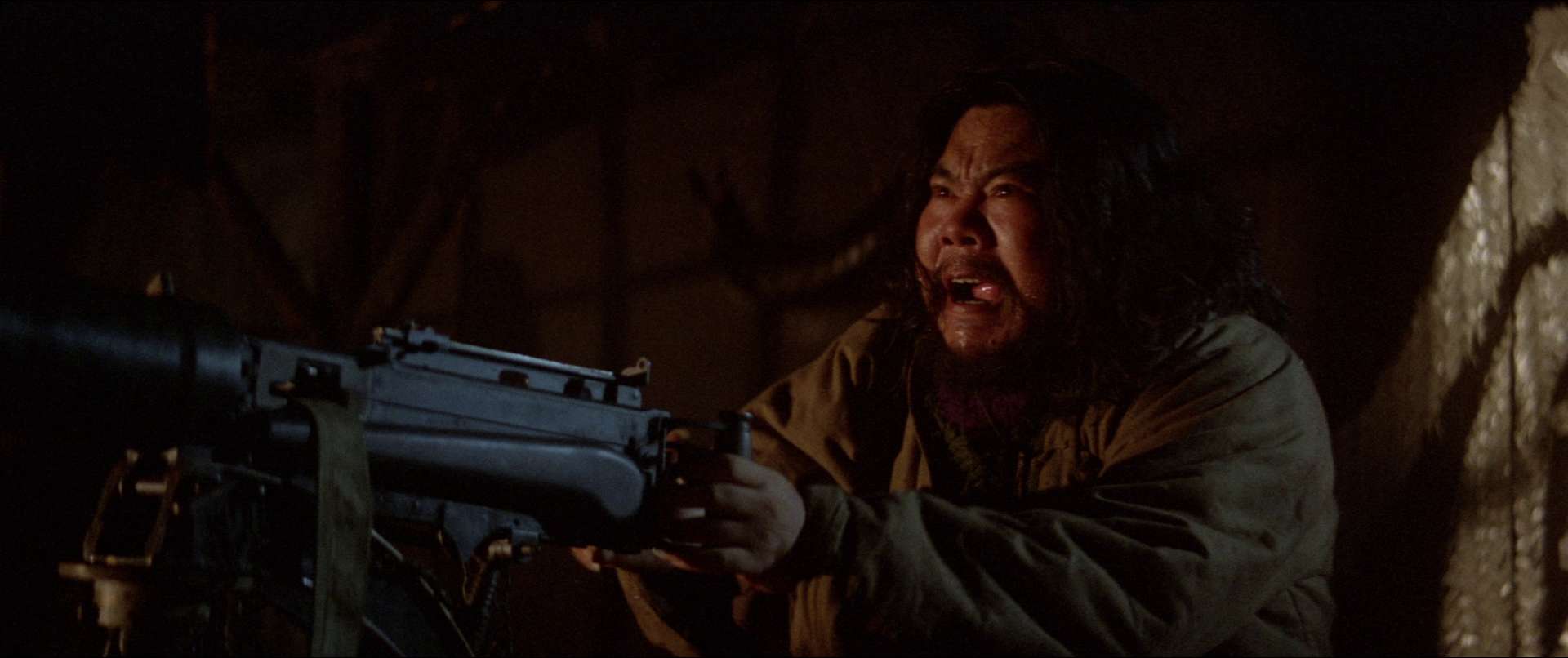
It also has a decent cast, with the under-appreciated Leung Kar-yan as an effectively stoic yet likeable lead (despite the marketing, Chow Yun-fat is more of a supporting cast member here). Yun-fat is his usual charismatic self and Fan Mei-Sheng is a heap of fun as their bomb-loving buddy.
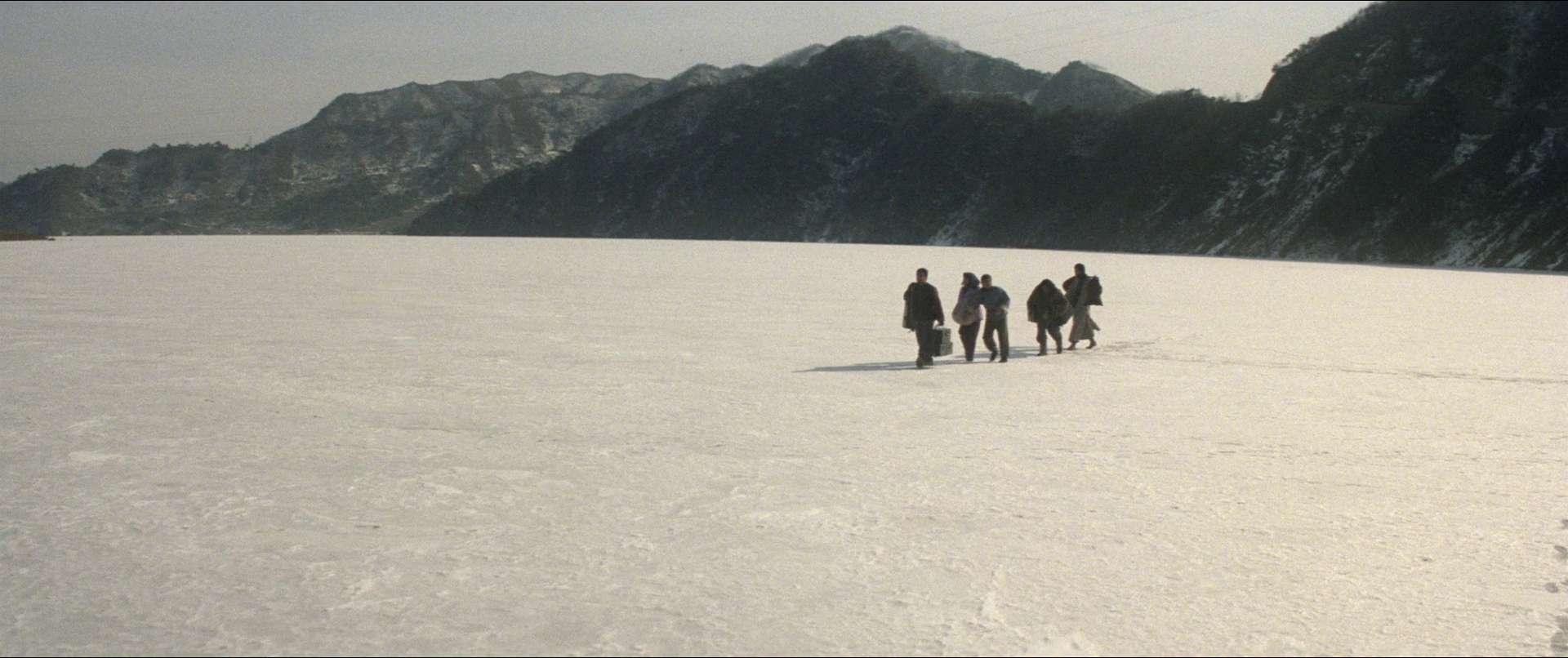
Yu shows early promise at being adept at crafting visually lush films too. Whilst not as stylised as The Bride With White Hair, The Postman Fights Back makes great use of its largely Korean locations with some beautiful, often snow-covered exterior shots. There are some nice camera moves too and some effective use of fire in night scenes. This is all despite the fact the film was shot by several cinematographers due to production issues.
When the second half kicks in, the action takes centre stage though. Neither of the leads are martial arts trained, so rather than loading the action with kung-fu, Yu and Woo-ping instead come up with more diverse and unusual ways to thrill their audience. You get a wild fight on a frozen lake with ice-skating bad guys, explosive carnage aided by trained rats and a wonderfully bonkers ninja showdown to cap things off. Throw in some shocking deaths and a Wild Bunch inspired climactic massacre, and action fans should feel satisfied after a relatively slow build-up.
So, whilst it might not grab everyone’s attention from the get-go, The Postman Fights Back, on the whole, is classily produced, ripe with drama and boasts a wonderfully crazy, explosive finale. As such, it’s an enjoyable gem from the golden age of Hong Kong action cinema that fans should pay a little more attention to.
Film: 

The Postman Fights Back is out now on region A & B Blu-Ray, released by 88 Films (pre-order it here). The transfer is great. Colours are rich, the print is clean and detail levels are impressive. I’ve used screengrabs throughout this review to give you an idea of how it looks. These have been compressed though.
There are two cuts available, as listed below, and the Hong Kong cut has the original Cantonese mono track whereas the export cut only has the English dub. I opted for the former and had no issues with the audio.
I was lucky enough to be sent a retail copy and I love the new slimline design 88 Films have gone for and look to be sticking with in the future. As usual, Sean Longmore’s artwork is first-rate and those buying the first run of the disc will get a double-sided poster showcasing this.
SPECIAL FEATURES
– Double Walled Matt Finish O-Ring featuring new artwork by Sean Longmore
– Double-sided foldout poster
– Brand New 2K Restoration in 2.39:1 Aspect Ratio
– High Definition (1080p) Blu-ray™ presentation
– Hong Kong Cut featuring Original Cantonese Mono with English Subtitles
– Export Cut featuring English 5.1 DTS-HD MA and English Mono with Alternate Score
– Audio Commentary with Frank Djeng and Director Ronny Yu (HK Cut)
– Supplementary Audio Commentary by Frank Djeng (HK Cut)
– Audio Commentary with Stephan Hammond (Export Cut)
– Archive Interview with Chow Yun-Fat
– Two Archive interviews with Leung Kar-Yan
– Archive Interview with with Ronny Yu
– ‘That Phat Samurai Guy’ Interviews Ronny Yu
– Original Hong Kong Trailer
– Stills Gallery
– Reversible cover with new artwork by Sean Longmore and original HK Poster Art

Ronny Yu joins Frank Djeng on one commentary. Yu is open in discussing the challenges faced during the production, particularly how he wasn’t allowed to make the film how he originally intended, though he’s still pleased with how it turned out. It’s a wonderful commentary, filled with eye-opening stories.
Djeng also supplies a solo commentary track. As is the norm, he dispenses a wealth of information about the film and those involved at a rapid pace. He even briefly discusses the era of Chinese history in which the film is set, which helps better appreciate its story.
In a nice surprise, you also get the old Hong Kong Legends commentary from Stephan Hammond. It’s rather disappointing though, to be honest. Hammond tends to simply narrate what’s happening on screen, which is pretty pointless (let’s face it, the film isn’t particularly complicated). He does have a few facts to deliver but it’s a far cry from Djeng’s torrent of information.
In the archival interview with Yu, the director opens by discussing his love of westerns and how this inspired The Postman Fights Back. He also explains why they shot in Korea and the difficulties that created. He moves on later to discuss the most memorable scenes to shoot and reminisces about the production. It’s a short but entertaining interview.
In the ‘That Phat Samurai Guy’ interview with Yu, the director again talks about his influences and his experiences making The Postman Fights Back. He repeats some of his anecdotes from elsewhere but it’s still a fun watch. It’s nice to hear about what he’s been watching recently too.
There are two archival interviews with Leung Kar-Yan. In the shorter, 8-minute piece, he has some fun stories to tell about working in the cold and adapting to Korean cuisine during production. He saw The Postman Fights Back as a chance to do something a bit different, not just a classic, standard kung-fu film. He also discusses the differences between shooting films then and now (well, back in the late 90s or early 2000s, when this piece was shot).
The second, longer interview (around 9 mins) looks a little older and has the actor discuss the beginnings of his career in kung-fu movies. He then goes on to talk about how he makes these films without any formal training in martial arts and later runs through a few of his favourite films that he’s made.
I think the archival inteview with Chow Yun-fat has shown up on an earlier 88 Films disc (God of Gamblers, I believe). Still, it’s worth a look. The actor talks a lot about his work and relationship with John Woo as well as briefly discussing his thoughts on acting and his move to Hollywood filmmaking at the time (it looks to have been shot in the early 2000s).
Overall, 88 Films have delivered a well-stocked package for an underrated Hong Kong action adventure. It’s well worth getting your hands on.
Disc/package: 