

 Director: Vittorio De Sica
Screenplay: Cesare Zavattini
Starring: Carlo Battisti, Maria-Pia Casilio, Lina Gennari, Ileana Simova, Elena Rea, Memmo Carotenuto
Country: Italy
Running Time: 89 minutes
Year: 1952
BBFC Certificate: PG
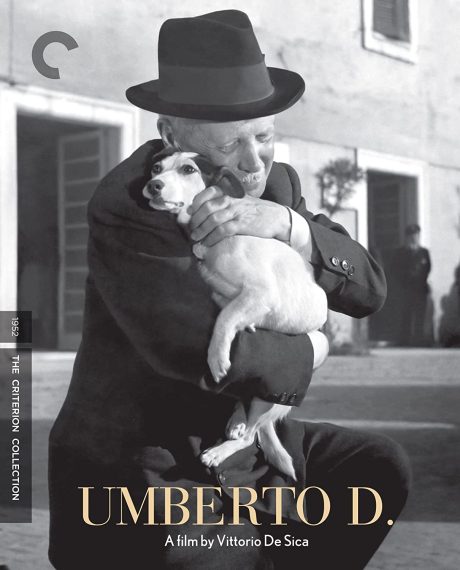
Vittorio De Sica’s Bicycle Thieves (1948) is possibly the finest example of pure cinematic narrative since the silent era. It is a beautiful piece of work, with a diffused sense of anger, but its unrelenting focus on a downward spiral is potentially exhausting. The director’s 1952 masterpiece, Umberto D., follows a similar path, but tips its hat to humour and a small dose of sentimentality (in the shape of an adorable terrier) and it might just be the better film. Despite being set in postwar Italy it is entirely relevant to the modern era. As with Tokyo Story, where the elderly belong in society and relationships to younger generations are timeless questions. It’s interesting that Umberto D. would be released the same year as Akira Kurosawa’s Ikuru, with which it bears a resemblance in character. Maybe this was a postwar malaise for the older citizens who could no longer contribute directly but nevertheless needed help from those who apparently did.
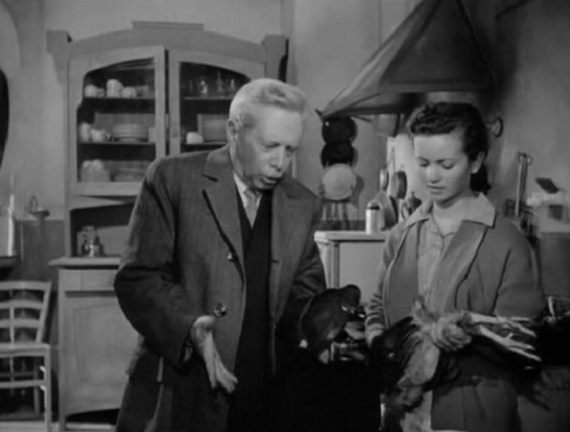
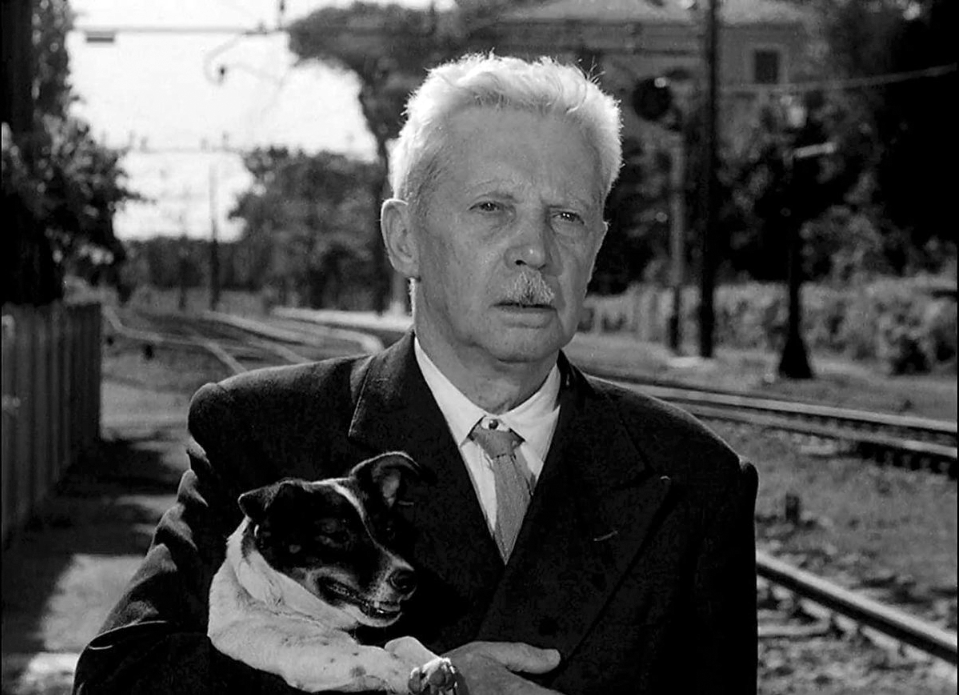
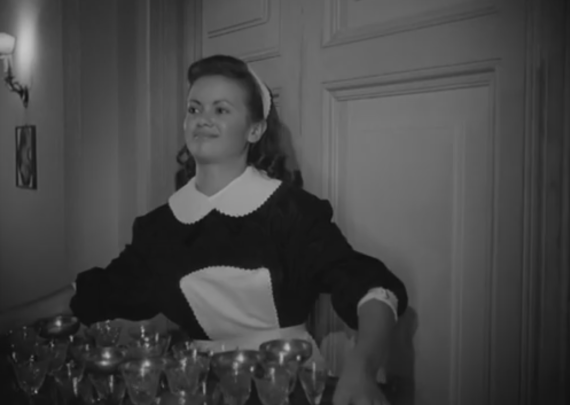
The plot follows pensioner Umberto Domenico Ferrari (Carlo Battisti) as he simply tries to pay his rent. His pension is pitiful and he has to flog his most prized possessions to try and scrape the money together. He travels around with his dog, Flike, and befriends the delightful maid (a feisty Maria-Pia Casilio). Maria is pregnant and doesn’t know which of two soldiers is the father. That’s pretty much it, but in the Neo-Realist mode, it is a story with a social and political conscience. Every moment and character can be extrapolated to represent something tangible. The Realist movement was somewhat a rebuke to Hollywood’s romance, hence De Sica’s ability to put a glint in Umberto’s sad eyes and manipulate the viewer just a little bit, is quite extraordinary.
It really isn’t a barrel of laughs though. Perhaps the only real difference from Bicycle Thieves is that our protagonist is devoted only to his little dog. There’s a devil-may-care attitude hiding in Battisti’s desperation and a fear in Maria’s otherwise infectious smile. Contradictions that never affect the spell. It’s a fascinating grasp of storytelling that would lay the groundwork for Fellini and Leone’s work in the following decades, all the more impressive when we consider that the cast are real people.
VIDEO
This is a faithful and respectful digital restoration and a significant improvement on previous editions. It is a handsome and beautiful film; De Sica’s eye for composition is as strong and sly as his deft control of narrative. It is realism, however, not noir, so it’s generally a narrow depth of field, sharp, bright and consistent throughout. A little grain, almost a documentary style feel, is welcome. Disarming almost, in the fabulously judged finale.
AUDIO
The uncompressed monaural soundtrack is perfectly realised and clear. As with the video, it retains the limitations of the era and doesn’t feel tampered with.
EXTRA FEATURES
As is typical of Criterion’s recent releases, the extra features are modest but well chosen.
That’s Life: substantial Italian TV documentary on Vittorio De Sica from 2001
Video interview with Maria Pia Casilio from 2003
Trailer
Booklet with writing from critic Stuart Klawans and recollections from De Sica and Battisti