


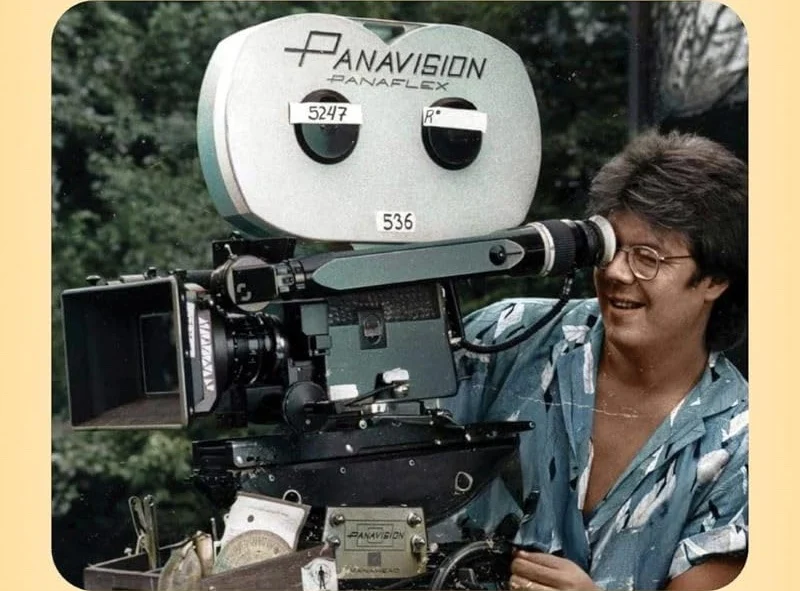
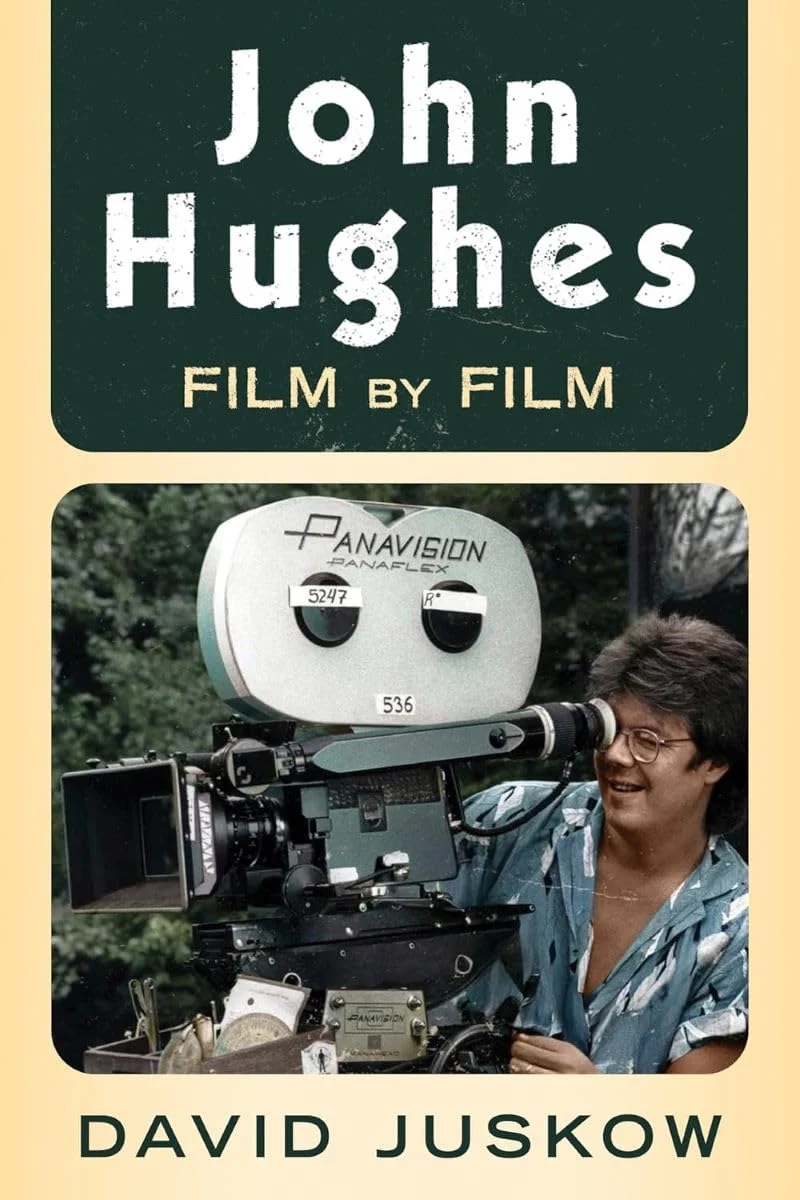
 This short tome races through the film career of the late ‘great’ John Hughes. The man who shaped teen movies in the mid 1980s, the ones that made teenage kids from the UK long to be American high-schoolers.
If I hadn’t already seen most of the films that John Hughes had a hand in I am not sure this book would have helped me know what most of them were about or if I wanted to watch them.
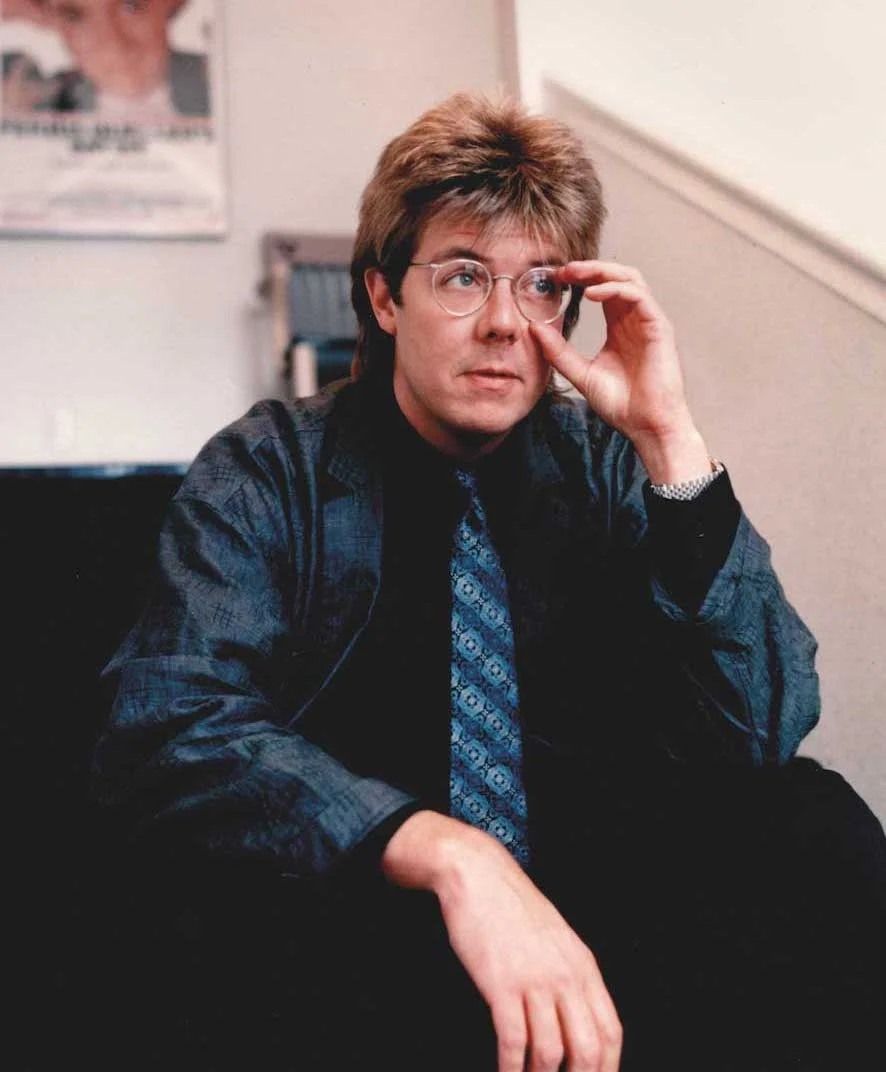
The opening biographical chapter strangely didn’t tell me very much about John Hughes as a person – this might be by design with the author David Juskow wanting to focus on the films. However, one of the things that feels missing here is any desire to delve into some of the more problematic parts of the director, although Juskow is quite candid that Hughes was difficult and fell out with nearly everyone he worked with – actors, writers, directors, producers, studios.
There is little curiosity about the oddness of this grown man wanting to hang out with teenagers all the time. There felt to me a lack of honesty about the relationship with Molly Ringwald and Anthony Michael Hall – no doubt they were muses for Hughes but the author excuses it: “Hughes felt a close connection to teenagers, partly because he and his wife, Nancy, had married so young.” Which leaves the reader with more questions than answers.
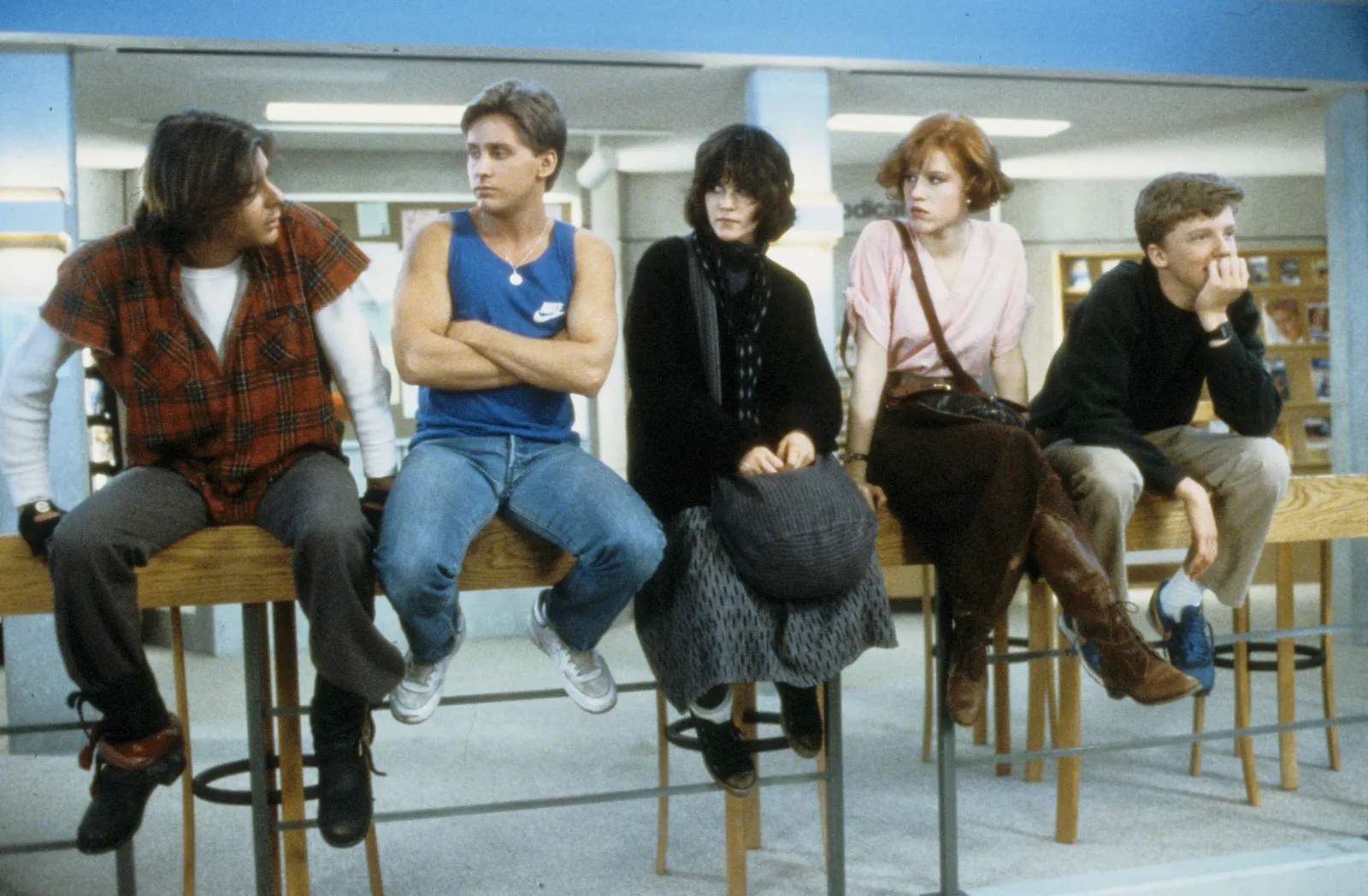
Thankfully Juskow does give the iconic film The Breakfast Club a decent showing. For once in the book we have something in depth and interesting to focus on. Juskow writes: “Hughes was determined to make a film about teenagers from different social groups who are forced to spend a day together in detention.” Hughes wanted an engaging film and indeed it has remained a classic film with an iconic soundtrack that deals with teenage life and its high and lows.
Unfortunately some films literally get one page chapters (Miracle on 34th Street for example) – I appreciate the book is saying it is going to go ‘film by film’ but if you have so little information to convey about a film then really what’s the point? The chapter on She’s Having a Baby seemed to be just a list of cameos who appeared in it. It feels like someone said ‘we go film by film that’s the book!’ and then decided to shoehorn the content into it (which in itself is baffling as there is a chapter called 1991, about the year 1991, and another called The Death of John Candy, which speaks for itself).
In hindsight the lack of people of colour in Hughes’s work is also problematic, it was a reflection of a lot of the film making at that time – but context for this would have been helpful and it was never touched upon. If there had been more context of either the times the films were made in, or about other films being made at the time and how Hughes had a unique view, it would have been a meatier and more interesting book. What did the canon of films in the 80s look like and where did Hughes fit in?
Although there were some interesting anecdotes there is not much to recommend here, this book desperately needed a better editor to make it something worth having on your film bookshelf.
David Juskow’s John Hughes: Film by Film is out now, published by Fonthill Media.