


 Director: Wojciech Has
Screenplay: Tadeusz Kwiatkowski
Starring: Zbigniew Cybulski, Iga Cembrzyńska, Joanna Jędryka
Country: Poland
Running Time: 182 minutes
Year: 1965
BBFC Certificate: TBC
Polish film The Saragossa Manuscript (1965) tells a sprawling narrative of stories within stories during the Napoleonic Wars in Spain. The 1965 film is a groundbreaking work, in sumptuous widescreen, based on a strange 19th Century novel written by a peculiar author called Jan Potocki (whose life story sounds crazier than his book).
The frame tale novel The Manuscript Found in Saragossa was thought unfilmable at the time. Even to this day, film experts argue over how many layers of stories there are within the movie. I think it gets to as far as six at one point.

Unfortunately, I had a tough time sitting through this one. While it has its brilliant moments, it falls under the weight of its own narrative – the sheer size of it, resulting in an oppresive three-hour runtime.
Radiance is releasing a new 4K restoration from the original camera negative, presented in Dolby Vision HDR. This is its world premiere on 4K UHD and it comes with uncompressed mono PCM audio. The extras come on a Bluray disc along with another presentation of the feature. Along with the film, the label has packaged a 69-minute visual essay from a Polish film expert, an archival making-of documentary, newly improved English subtitles and a limited-edition booklet.
In the film, a Polish soldier finds an old manuscript in a barn and it tells the story of Alfonse Van Worden, a captain in the Walloon Guard. We then follow Alfonse and his attempts to cross a mountainous region known for having “evil spirits”. During his journey, he encounters a number of strange groups of people who tell him tales, and within these tales, characters tell each other yet more stories.
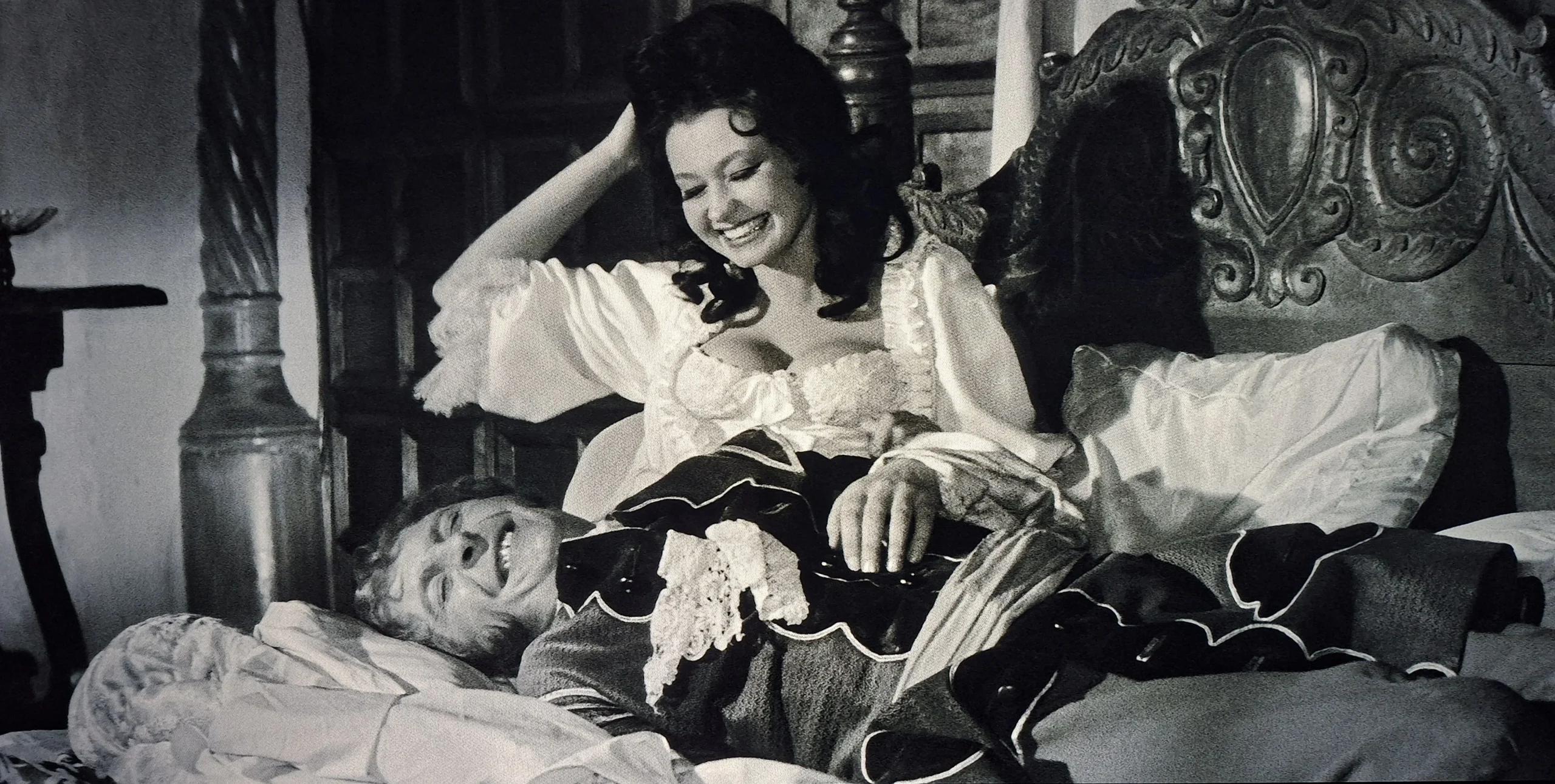
It results in some fluid story-telling where the viewer jumps from different perspectives. Unfortunately, this whole narrative device starts to feel repetitive. While it does chart a mix of different genres, with gothic, satire, erotic and rom-com subplots, along with a few sword fights, each story does tend to eventually boil down to people standing in a room together and telling each other stories. Plus, it feels like these stories don’t reach a fulfilling conclusion.
Throughout the film, helmed by director Wojciech Has, we see mounds of skulls and even a skull-goblet the hero must drink from. There’s also mention of the occult and evil spirits but this is not really explored much further than vague remarks and symbols within the set design. Instead, we get a mix of pontificating-drawing-room-drama and the odd joust. It’s a shame the gothic elements seemed to evaporate as the plot progressed.
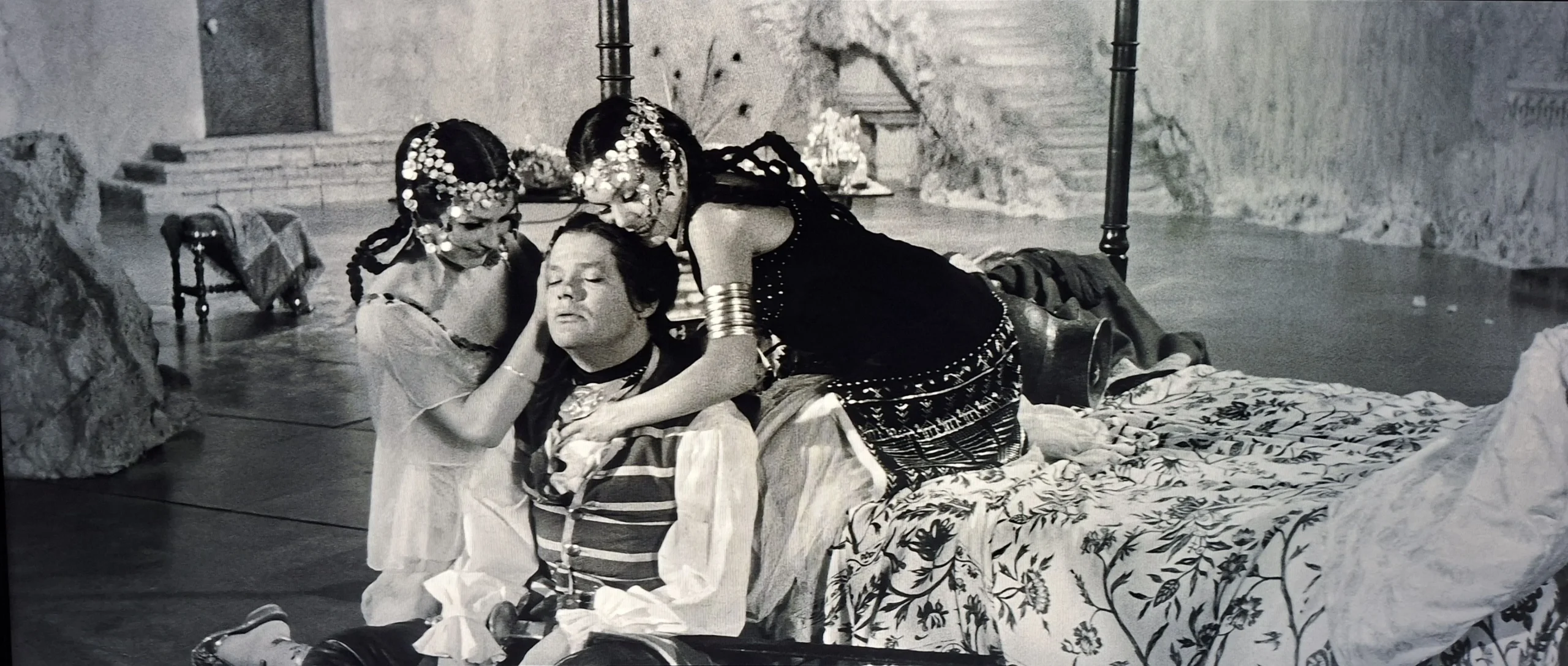
It does have its brilliant moments and it seems it could be a seminal work, due to the heavy use of framing narrative. Had Christopher Nolan seen it before embarking on Inception (2010)? It’s certainly possible.
The performances all around were very credible, particularly those of the princesses, a gypsy storyeller and a peculiar cabalist. I most enjoyed watching Zdzisław Maklakiewicz as Don Roque Busqueros, who is easily the standout performer but doesn’t feature until about two hours in. Maklakiewicz gives a wonderful comedic performance, has some great moments of intensity and is given a great jousting scene.
The film’s lead actor Zbigniew Cybulski (Ashes and Diamonds) as Alfonse was also very convincing and gave a sense of authenticity to his role which could have otherwise come across as one-dimensional. Cybulski has an empathetic quality. Well known for his famous horn-rimmed glasses, he was performing the role practically blind as he couldn’t wear spectacles in the role as a Walloon Guard.
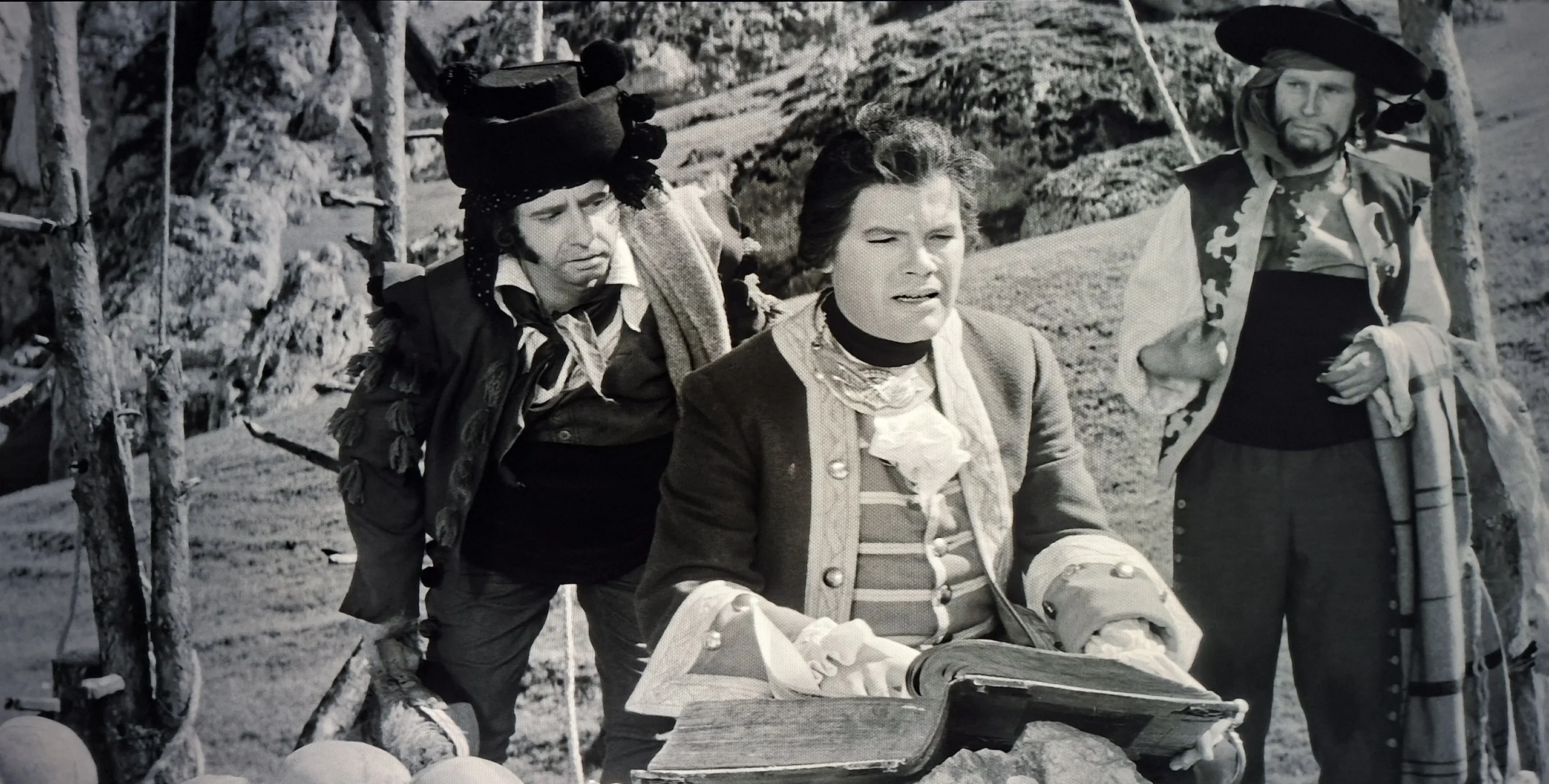
The black-and-white photography is striking which complements its baroque elegant backdrop, and the landscape of the Sierra Morena Mountains. The widescreen format gives way to a range of ornate and opulent sets. There’s also dynamic camera movements flitting between characters, whether the action is taking place in the desolate mountains, by the gallows or in a princesses’ chambers. The flare of gunpowder and dust of destruction appear vividly on the screen.
Sound is also strong with ominous rhythmic drumming noises enhanced with a deep heavy bass, just as it seems “evil spirits” are nearing in. Atmospheric noises like the wind swirling and horse hooves clopping are very clear, as is the thunderous noise of gunpowder exploding.
Film:


You can read David’s thoughts on the film in his review of Mr Bongo’s 2015 Blu-ray release.
Special Features

The Saragossa Labyrinth – new visual essay on the cinema of Wojciech Has and The Saragossa Manuscript by Polish film expert Michael Brooke (2026, 69 mins): Very informative and the correct decision to package this as a visual essay rather than a film commentary. I honestly think most commentary tracks should be packaged like this…as most of them tend to be visual essays, regardless. Brooke speaks in great depth about: the director’s background, how his career led to making this film; the book’s author Jan Potocki, and strange legends about him; he speaks about frame story device and the different genres spread across the narrative; and he speaks about the cast’s key credits.
Saragossa – archival making-of documentary made for Polish television on The Saragossa Manuscript, featuring Wojciech Has, cinematographer Mieczyslaw Jahoda, production designer Jerzy Skarżyński, and assistant director Barbara Sass-Zdort (1998, 29 mins): It begins with some behind the scenes footage showing the director and cast at work. Then key creatives behind the film and cast members speak about the project in-depth.
Limited edition booklet featuring new writing by author David Hering and archival writing by Annette Insdorf
Special Features:
Radiance releases The Saragossa Manuscript on 4K and Bluray on 14 September, 2026.