


 Director: Maurice Tourneur
Screenplay: Jean-Paul Le Chanois
Based on a Novel by: Gérard de Nerval
Starring: Pierre Fresnay, Josseline Gaël, Noël Roquevert, Palau, Guillaume de Sax, Pierre Larquey
Country: France
Running Time: 81 min
Year: 1943
BBFC Certificate: PG
In the early 1940s, much of France was under the occupation of Nazi Germany. The occupying authorities’ approach to cinema in France wasn’t necessarily to turn it all into propaganda, though. Instead, they wanted the industry to produce toothless, bland entertainment that would placate the French public.
To help achieve this, the German government set up Continental Films, which would, effectively, be the only authorised film production company in occupied France. However, this was headed by Alfred Greven, an interesting figure. Whilst German and known to use his power to keep his ‘employers’ happy, Greven was a Francophile who respected French filmmakers. So, reportedly, they were allowed more freedom than they were likely supposed to have, resulting in some occasionally exceptional films being made, despite the difficult circumstances and limited resources.
One notable blind eye cast by Greven was in continuing to hire the director Maurice Tourneur (father of Jacques Tourneur), despite him being Jewish. It is believed that Greven knew about this, but let it slide due to the director’s reputation.
Tourneur was in his late 60s at this time and had a strong standing in the French film industry. He’d worked in Hollywood too, but remained in France during the war, either due to his wife’s ill health or due to citizenship issues, depending on whose account you believe.
One title made by Tourneur for Continental was The Devil’s Hand (a.k.a. Carnival of Sinners or La main du diable). It’s being released on Blu-ray by Eureka as part of their Masters of Cinema Series. Intrigued, I got hold of a copy, and my thoughts follow.
The Devil’s Hand was based on a 1927 novel, ‘La Main du diable’ written by Gérard de Nerval, that serves as a modern retelling of the Faustian legend. To summarise the plot, please allow me to quote from Eureka’s press blurb, “Guests staying at an isolated mountain inn, cut off from the outside world by an avalanche, are astounded by the sudden arrival of Roland Brissot (Pierre Fresnay), a mysterious man with a prosthetic hand. He soon begins to regale the assembled patrons with his extraordinary story: once a struggling artist, his luck changed on the day that he bought an enchanted talisman in the shape of a hand, an artefact that supposedly bestows good fortune upon its owner. Overnight, he became talented, wealthy and contented – but he must sell the talisman at a loss before he dies, or else he will be damned to hell for all eternity…”
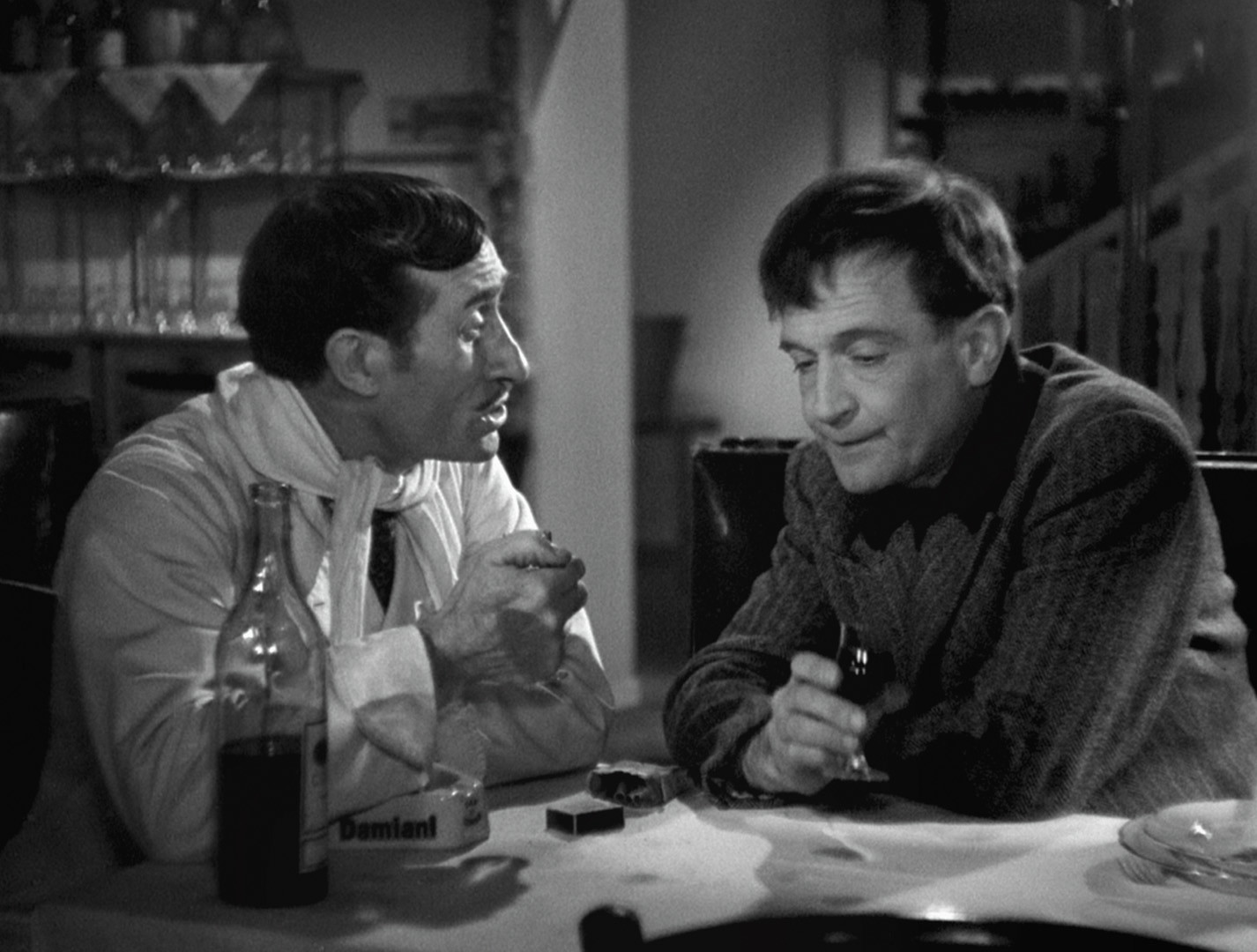
The Devil’s Hand is a wonderful film, made all the more impressive by the fact that it was made with limited resources under the watchful eye of the Nazis. This is a dark tale, which could be easily read as subversive, with its message warning of the dangers of making pacts with ‘the devil’ to gain quick success.
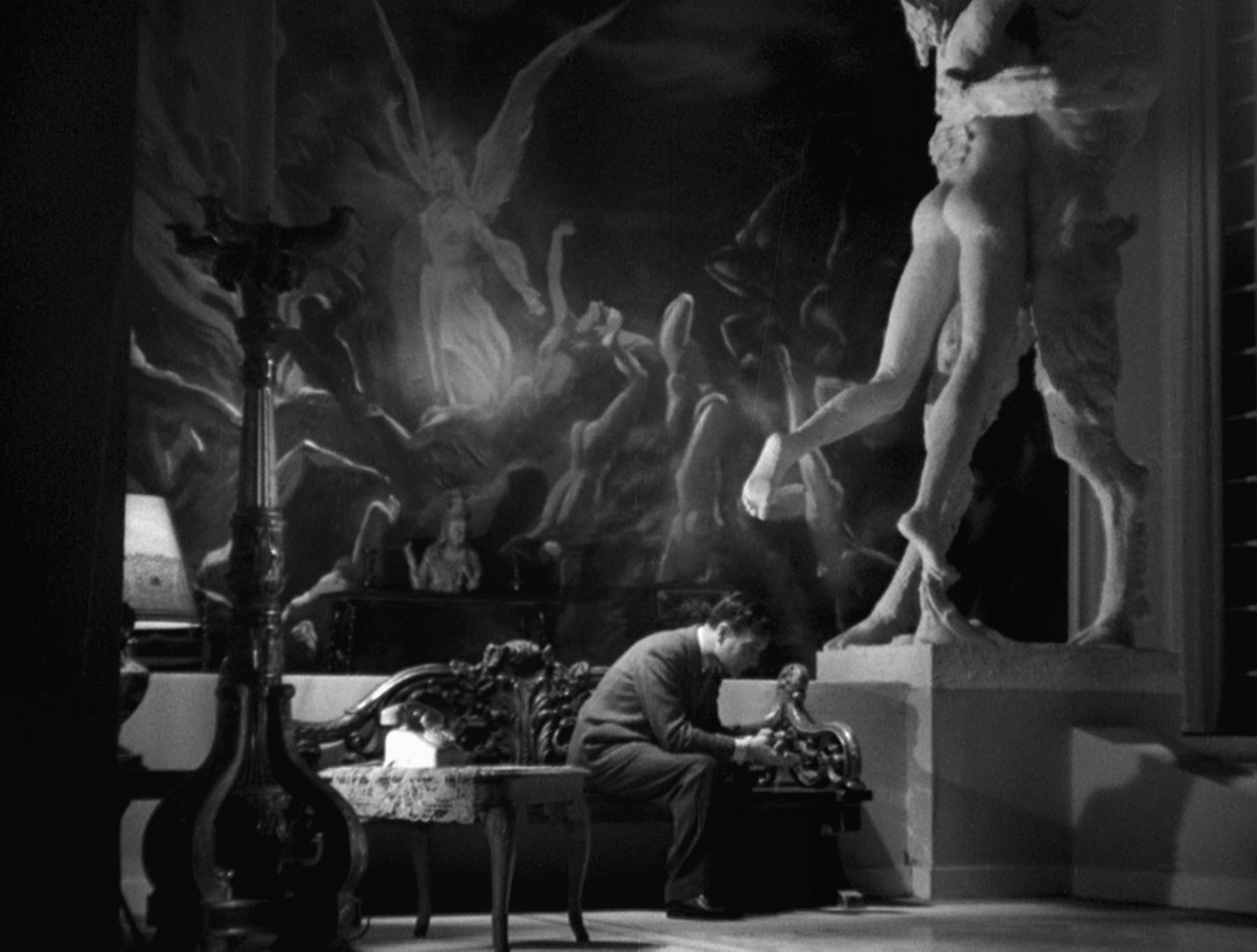
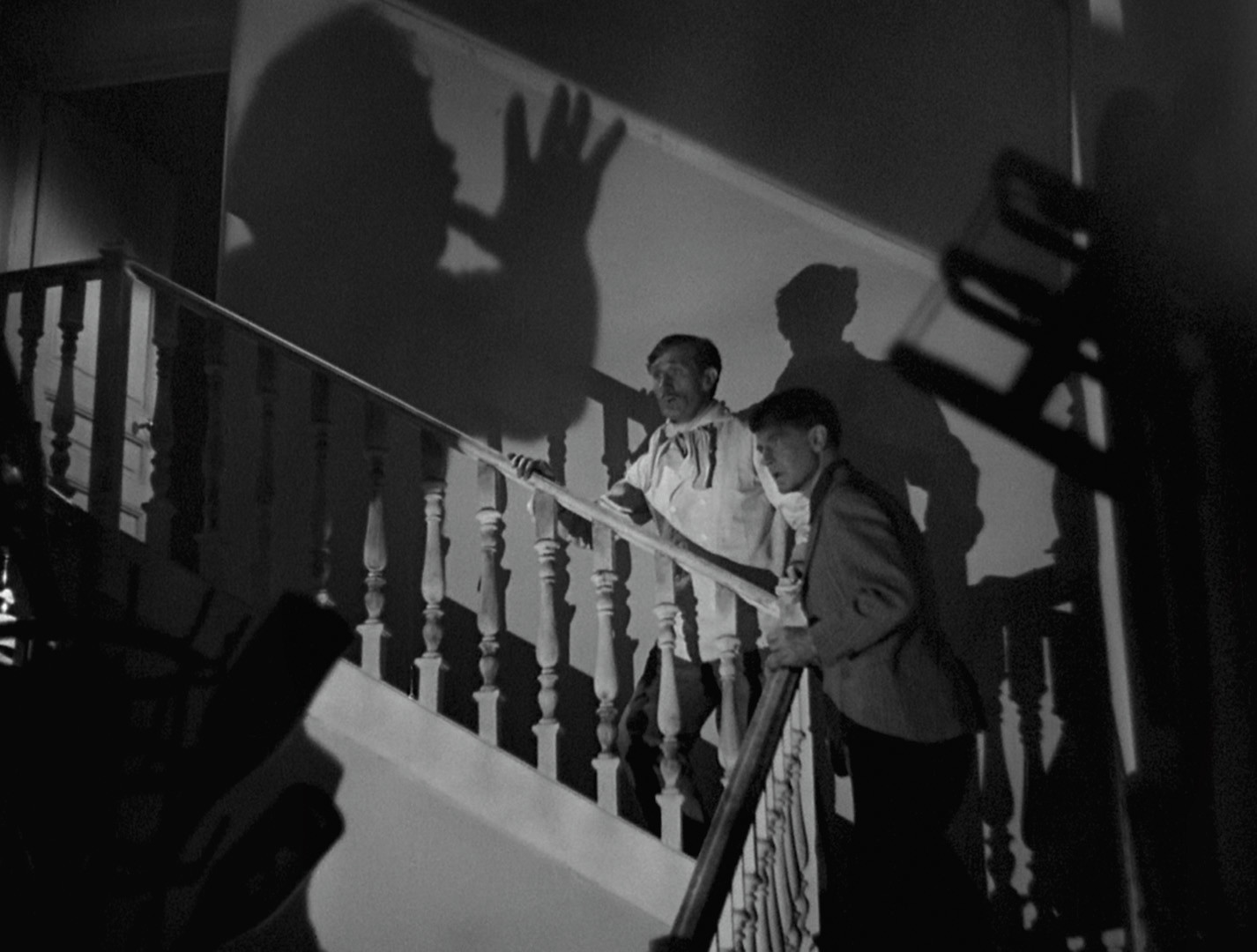
With equipment and basic materials, such as film stock, wood for sets and even food, being scarce, it’s remarkable how visually stunning the film is, too. Cinematographer Armand Thirard (who would later shoot Wages of Fear and Les Diaboliques) works wonders with minimal lighting equipment. The bold use of light and shadow brings to mind German expressionism and film noir. There are also a few clever camera/editing tricks and even a little animation to bring this fantastical fable to life.
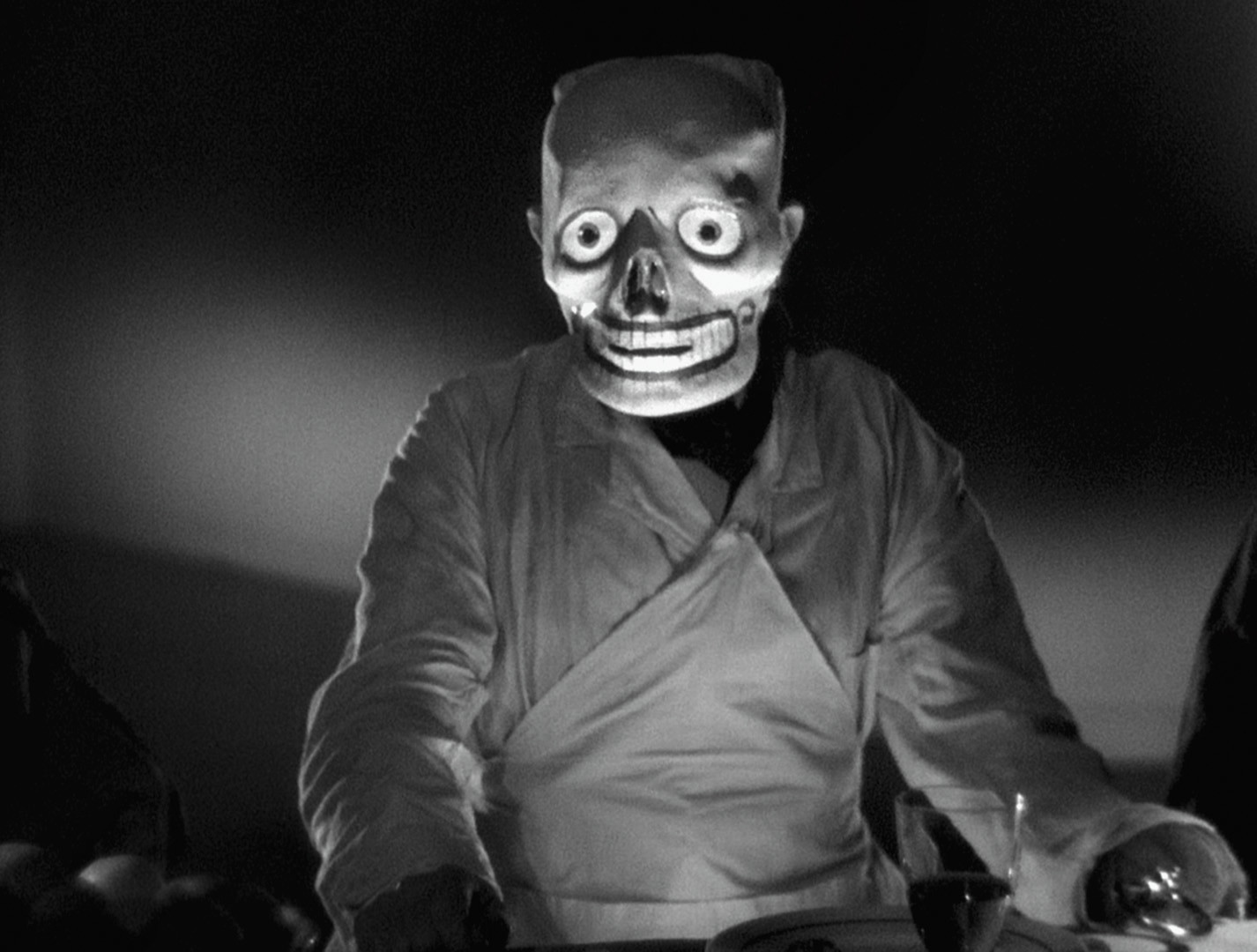
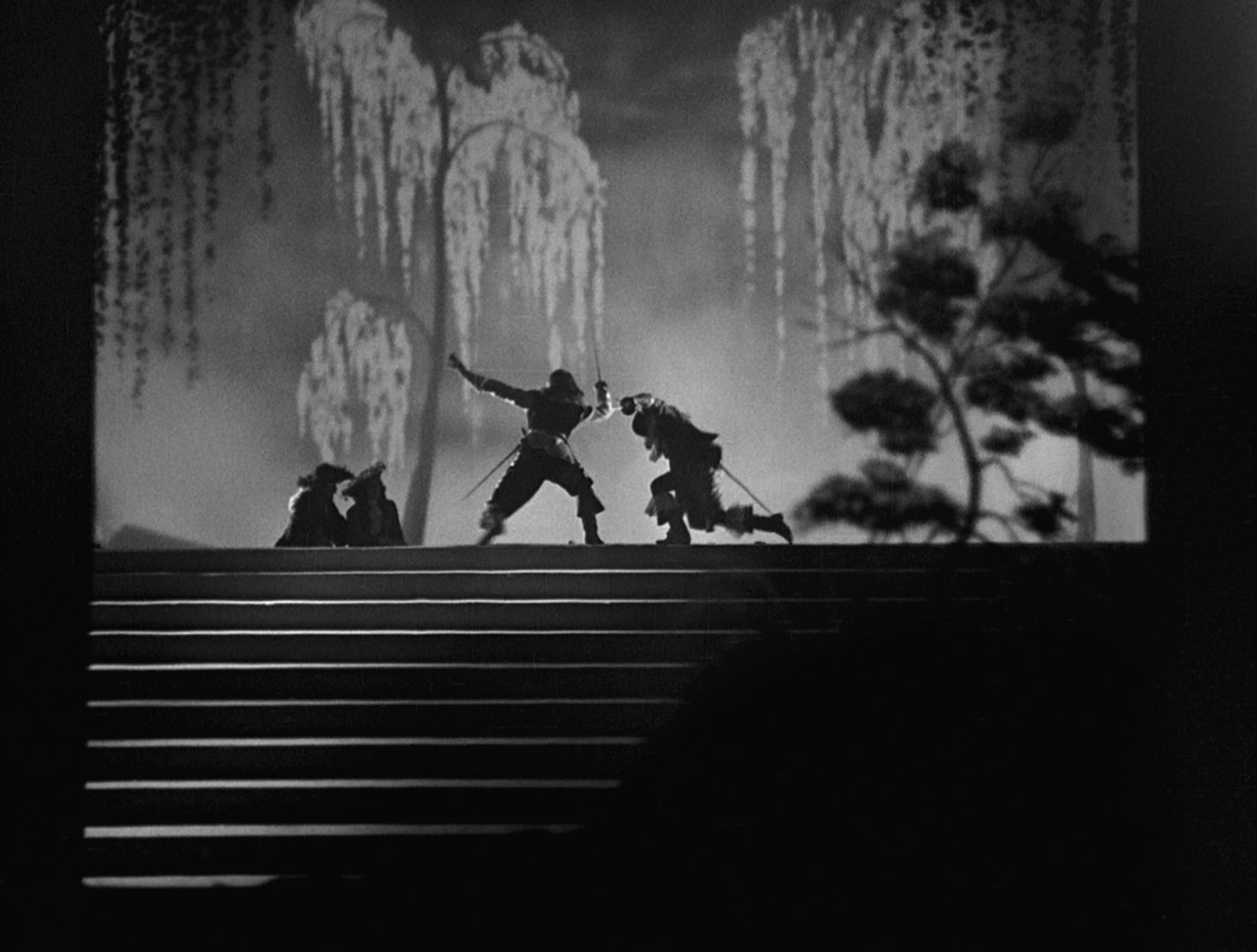
The most remarkable scene comes towards the end, when Brissot meets the spirits of the previous owners of the talisman. Dressed in creepy carnival masks that reminded me of a scene in The Shining, they proceed to tell their tales, which leads to a strikingly stylised series of re-enactments.
Beyond the achievement of making such a film in occupied France, The Devil’s Hand remains, simply, a damned good watch (if you’ll excuse the pun). It’s wonderfully entertaining, with mystery, thrills and even a little comedy. Not a frame is wasted, as it races through its 82-minute running time.
There are some strong performances, too. Fresnay brilliantly portrays the flaws of his character whilst remaining charismatic and sympathetic. Palau, who plays the devil is great, too. He’s unassuming, on the surface, looking like a bank manager and always smiling. But this only makes his character more disturbing, particularly when his true identity becomes known.
I loved the score by Roger Dumas too. It has a seductive, melodic theme that harbours a dark edge.
Overall, The Devil’s Hand is an intoxicating spin on Faust that thrills and entertains from start to finish. With a stylish presentation and some subversive undertones, it’s a real gem that fully deserves to be rediscovered.
Film: 
The Devil’s Hand is out on 16th March on Blu-Ray, released by Eureka as part of their Masters of Cinema series. The transfer is very impressive for a film of its age. The picture is detailed and clean, with pleasing tones. The audio is decent, too.
SPECIAL FEATURES
– Limited edition O-card slipcase featuring new artwork by John Dunn) [2000 copies]
– Limited edition collector’s booklet featuring new writing on director Maurice Tourneur by French cinema expert Barry Nevin) [2000 copies]
– 1080p HD presentation from a restoration by Gaumont Film Company
– Original French mono audio
– Optional English subtitles, newly revised for this release
– New audio commentary by film critic James Oliver
– The Devil’s in the Details – new video essay by film historian Samm Deighan
– Continental: French Cinema in the Devil’s Hand? – archival documentary on Continental Films and French cinema under German occupation, presented with newly translated English subtitles
James Oliver provides a commentary. This is excellent. Oliver covers a lot of ground, looking at the production history as well as the film’s themes.
‘Continental: French Cinema in the Devil’s Hand’ is a 45-minute documentary about the film, paying particular attention to the fact that it was made during the occupation. Including accounts from filmmakers alive at the time, it’s a fascinating piece.
There’s also an essay by Samm Deighan. She looks at the film and others made during the occupation, which inserted subversive messages into fantastical films. It’s another thought-provoking addition to the set.
I wasn’t sent a copy of the booklet to comment on that. Eureka’s booklets are usually of great value, though.
So, Eureka have done a first-rate job with an exceptional film. I can’t recommend it enough.
Disc/Package: 