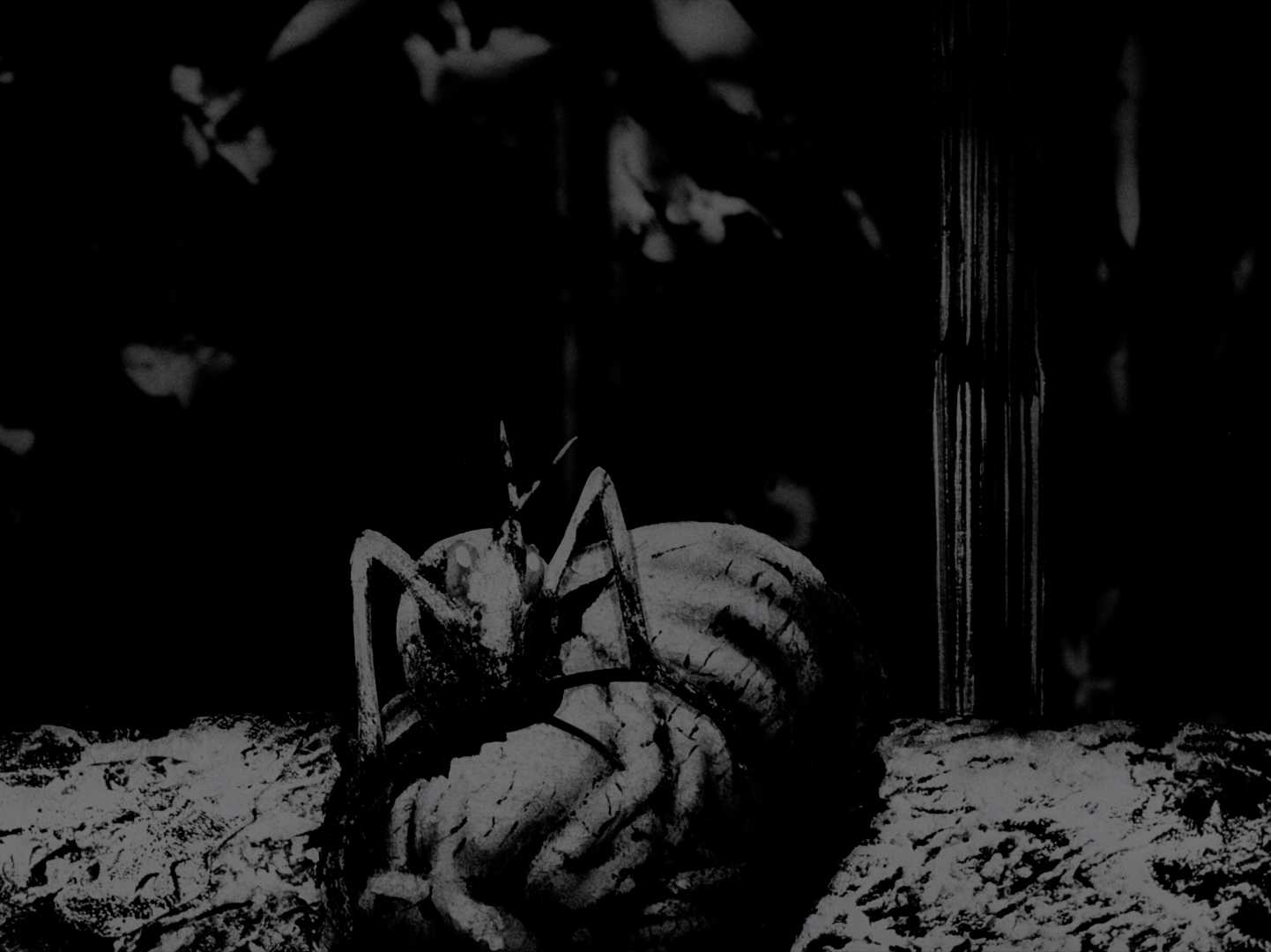



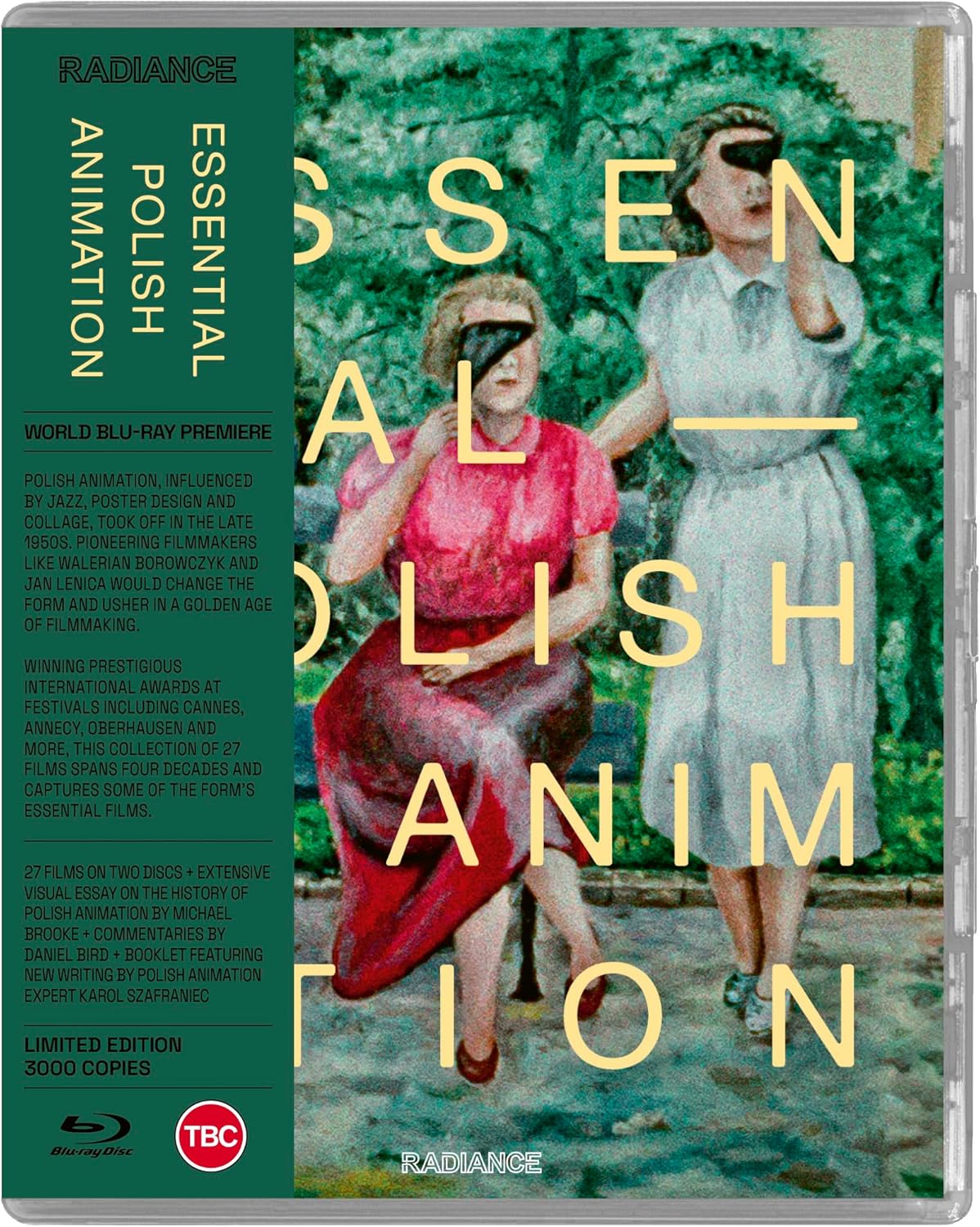
 Directors: Walerian Borowczyk, Jan Lenica, Halina Bielinska, Wlodzimiez Haupe, Witold Giersz, Kazimierz Urbanski, Daniel Szczechura, Stefan Schabenbeck, Miroslaw Kijowicz, Ryszard Czekała, Zofia Oraczewska, Jerzy Kucia, Julian Józef Antoniszczak, Zbigniew Rybczyński, Jerzy Kalina, Piotr Dumała
Country: Poland
Running Time: 217 min
Year: 1957-86
BBFC Certificate: 15
Poland has a long and prestigious history in the field of animation, from the early puppet films of Władysław Starewicz in the 1910s, to DK and Hugh Welchman’s visually stunning The Peasants, which was a huge hit in its home country on its release in 2023. Sadly, like most animated films made outside of the USA and Japan, it’s hard to get hold of the multitude of gems produced in Poland over the years, other than through poor-quality transfers dumped on YouTube (though The Peasants is readily available on various formats, it must be said).
I’ve long found that the medium of animation is poorly served, in general, by the UK ‘boutique’ Blu-ray labels. Schlocky Italian cannibal and zombie movies get dozens of limited, special and collector’s editions on Blu-ray and even UHD, whilst animated classics such as The Tale of the Fox, Pinchcliffe Grand Prix, Allegro non Troppo and The Pied Piper have been lucky if they’ve had a DVD release in the UK.
Eureka made a brave step forward in 2022, when they released the stunning Son of the White Mare and Johnny Corncob together on Blu-ray (and it must be noted that they also released Fantastic Planet back in 2012). However, nothing much else has appeared since.
Until now, that is. Radiance, who are never afraid to take a gamble on a less obviously marketable release, have put together a wonderful collection of animated Polish short films. The set, entitled Essential Polish Animation, contains 27 shorts (listed in full at the bottom of the page) alongside commentaries and a wonderful essay on Polish animation, courtesy of Michael Brooke.
I won’t bore you by slavishly reviewing each and every short in the set, but I’ll skim over them and talk about the collection in general.
The shorts are presented on two discs in chronological order and are broken into 4 sections. The first is entitled ‘Pioneers’ and looks at the post-war films of the late 1950s, kicking things off with a couple of titles by Walerian Borowczyk and Jan Lenica. The second part is called ‘The Golden Age’ and focuses on the popular films made in the 1960s, which caught the attention of festival goers and juries worldwide. Then, moving on to disc 2, you’ve got ‘The Silver Age’, which looks at the 1970s. Then, finally, you’ve got ‘End of an Era’, which presents some of the best short animated Polish films of the 1980s.
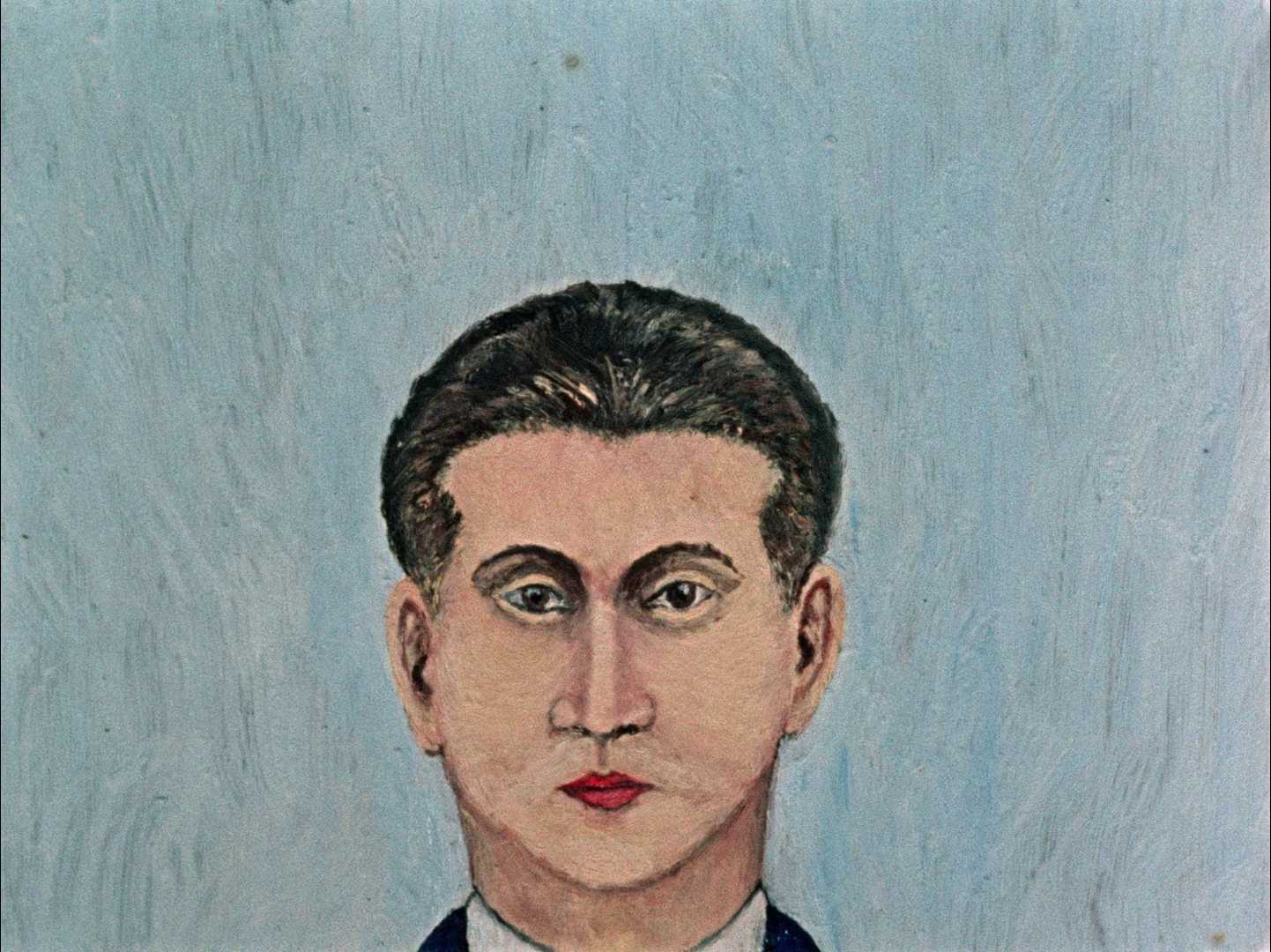
The 50s ‘Pioneers’ shorts are largely quite experimental, particularly the pair from Borowczyk and Lenica. Banner of Youth plays with stock/newsreel footage and marking/drawing on film in an exhilarating fashion. Love Requited, on the other hand, uses deceptively simple techniques to allow static paintings to tell a story.
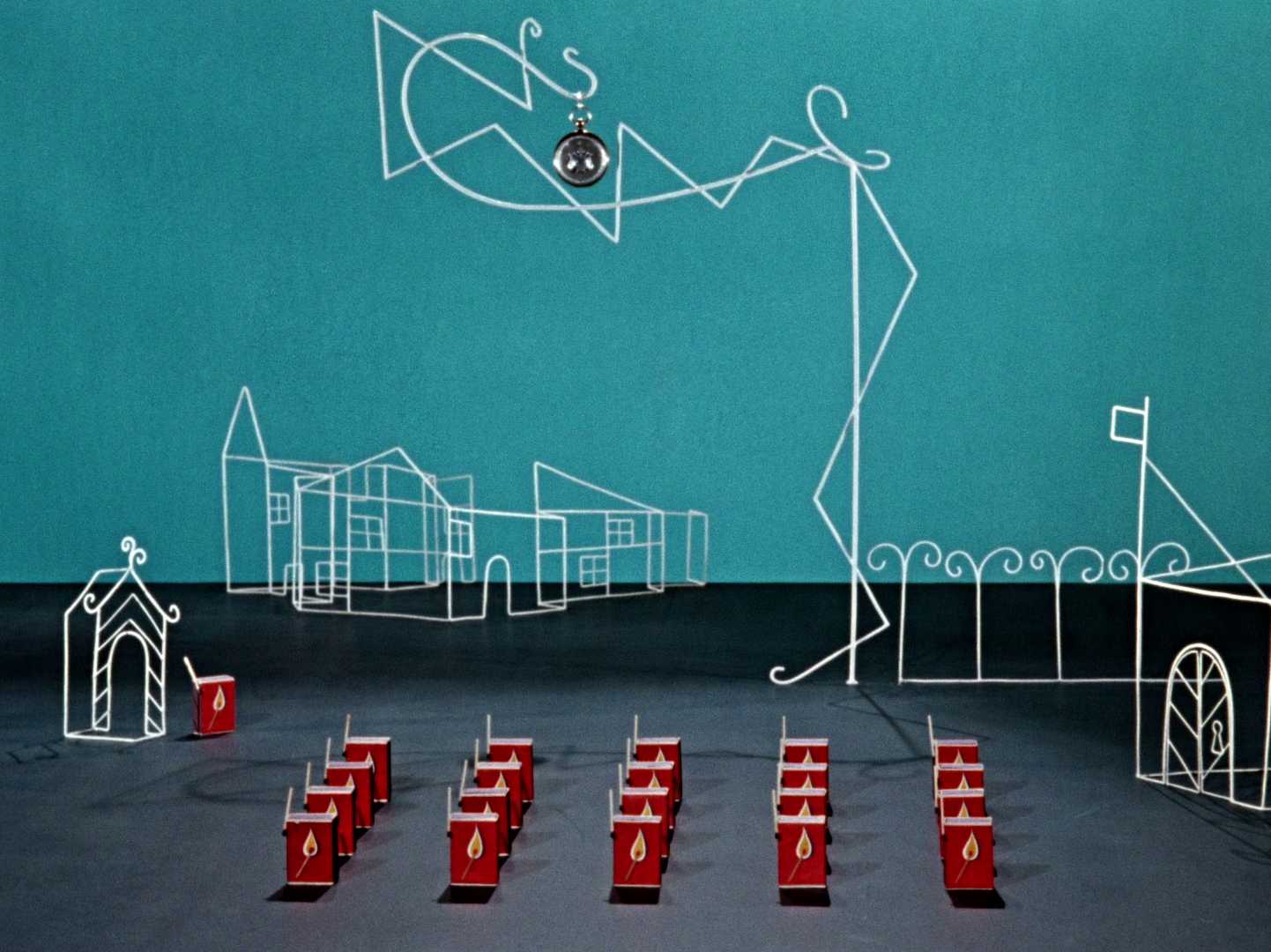
In the same batch, Halina Bielinska and Wlodzimiez Haupe’s The Changing of the Guard is a wonderful stop-motion animation that brings matchboxes to life, and New Janko the Musician (by Lenica on his own) is a surreal film that makes little sense but is quirkily enjoyable.
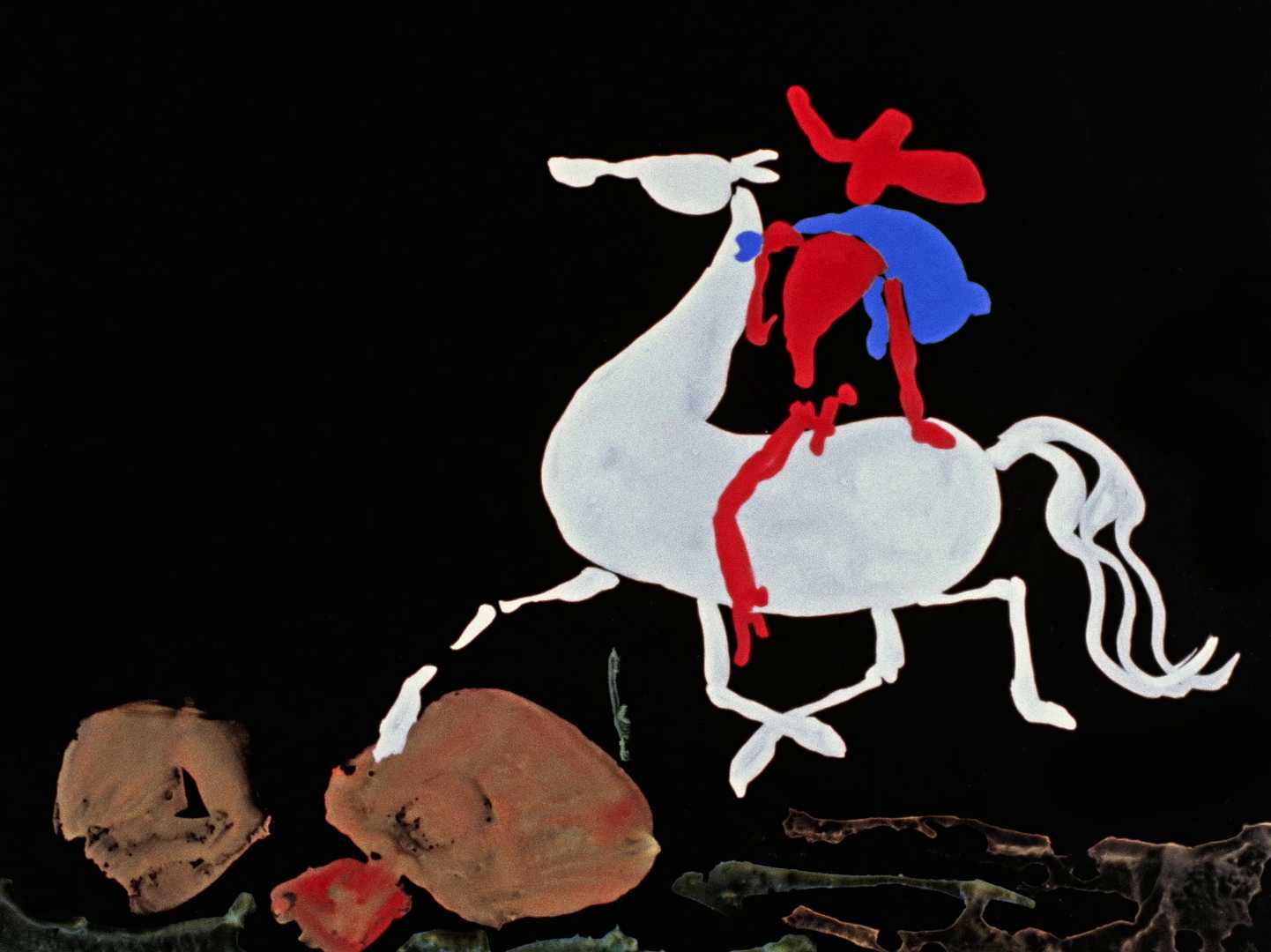
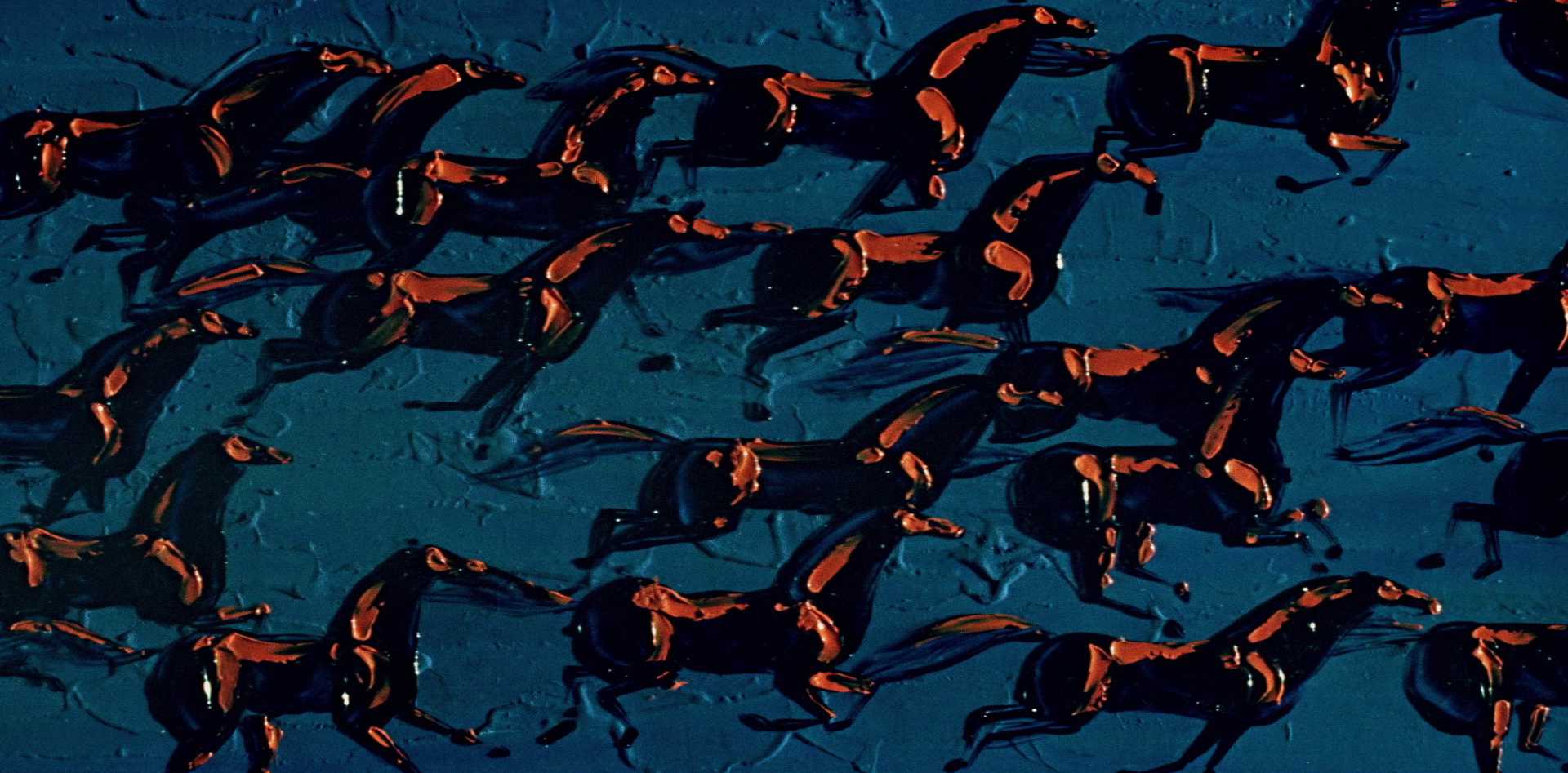
The Golden Age section contains probably the most easily digestible titles for newcomers. I fell madly in love with Witold Giersz’s shorts, in particular. A Little Western and The Red and the Black are hugely enjoyable romps that use very simple ‘paint splodge’ characters to play out comical, often self-referential tales. Horse shows there’s more to Giersz’s talents though, making stunning use of oil paint to tell the story of a man trying to catch and tame a beautiful wild horse.
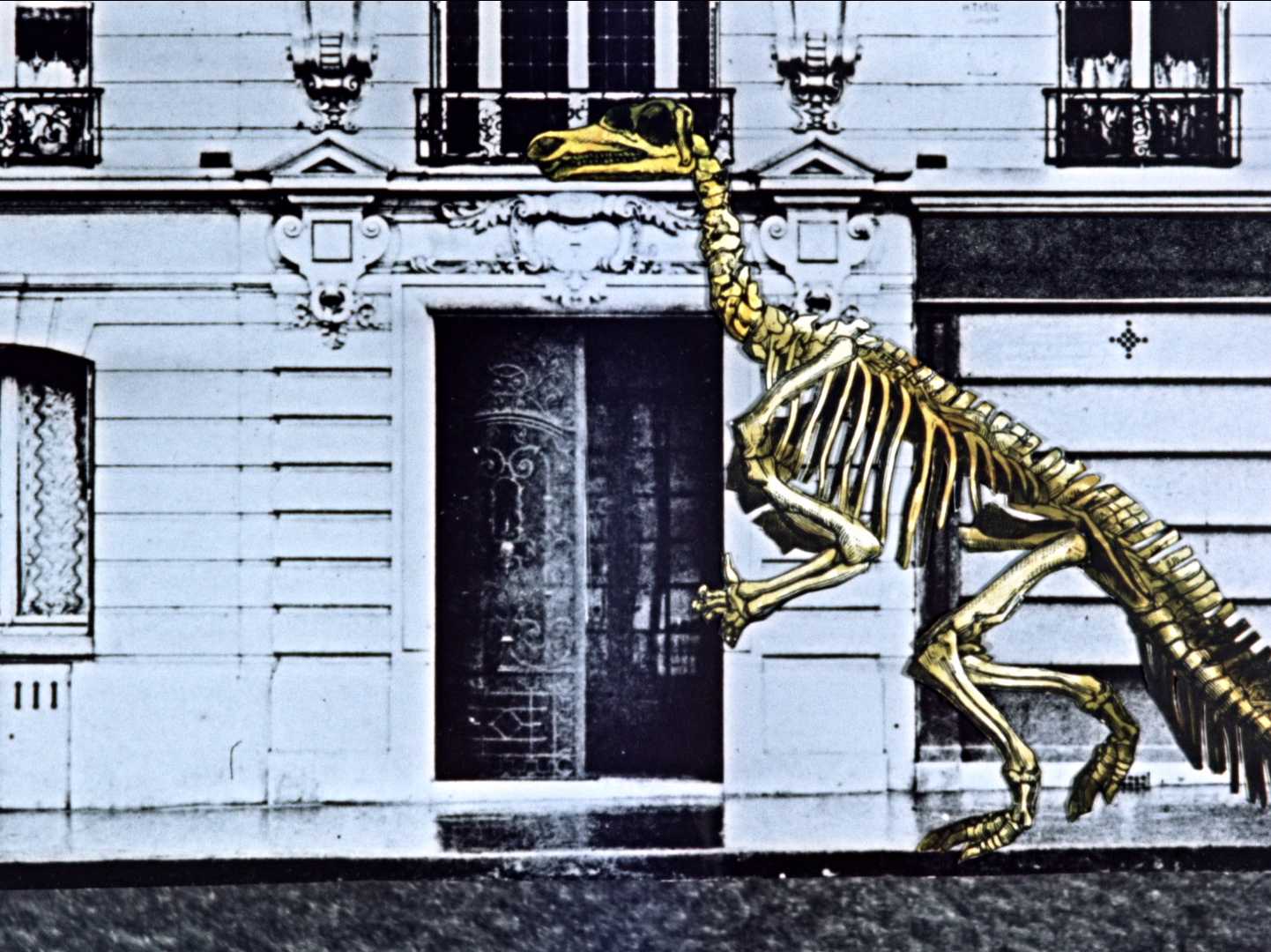
Elsewhere in the ‘Golden Age’ section, you’ve got Lenica’s Labyrinth, which animates seemingly ‘found images’ in a similar style to Terry Gilliam’s work with Monty Python and with equal levels of surreal humour. Predating the first series of Flying Circus by a good seven years, I suspect Gilliam may have been inspired by Lenica’s work.
There are also several films on the disc that seem to be making political statements, using quite simple animation styles. These include the striking Playthings, the puzzling Everything is a Number and the quietly powerful Cages.
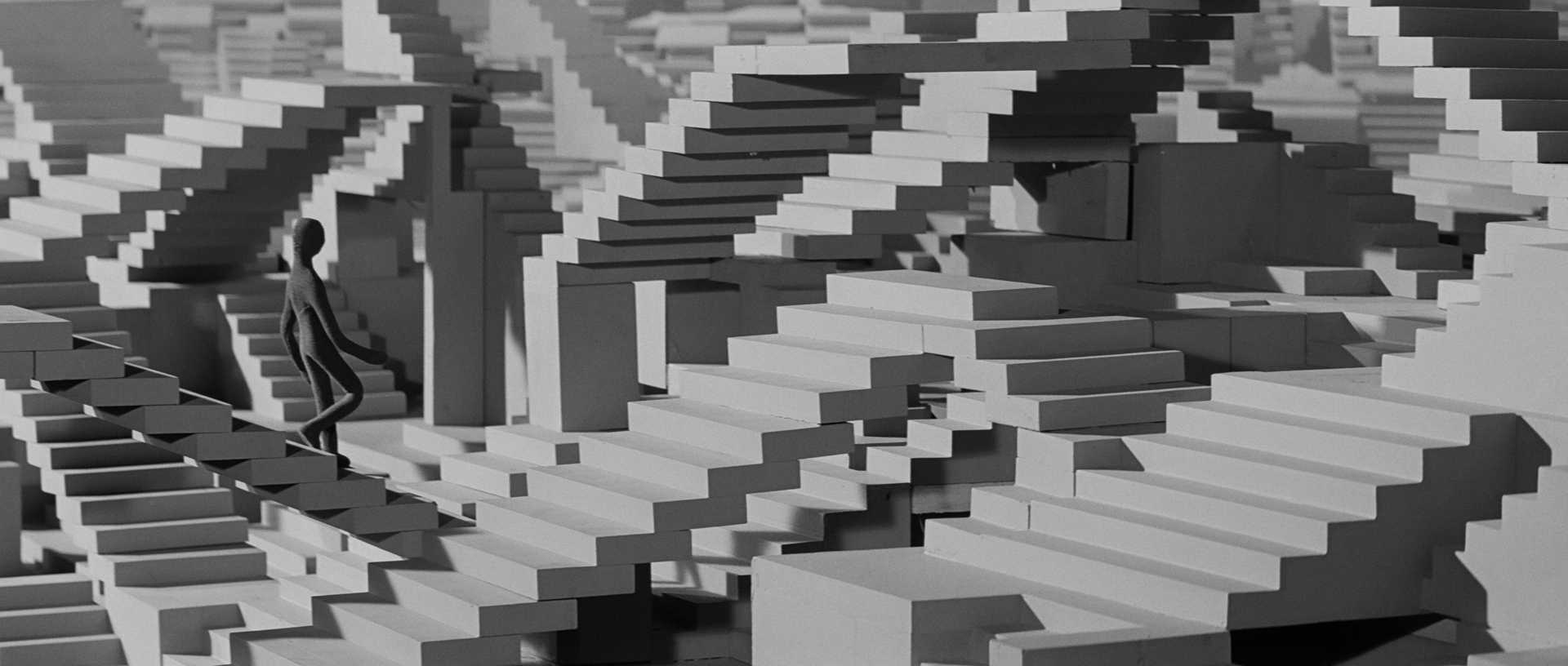
Finally, on disc one, you have Stefan Schabenbeck’s The Stairs. This has a very simple premise – just following a figure as they relentlessly climb a never-ending series of staircases. Using stop motion and some stunning camera movement techniques, it’s an incredible short with a quietly devastating ending.
The second disc contains some more challenging films, particularly the cryptic, minimalist pieces from Jerzy Kucia. I didn’t quite know what to make of his later films, The Source, Chips and Parade (not helped by me being very tired by this point in the evening), but I found Barrier strangely haunting and Reflections viscerally disturbing yet strangely beautiful.
Daniel Szczechura’s Journey is similarly stripped back and puzzling, playing with repetition and rhythm in an unsettling fashion.
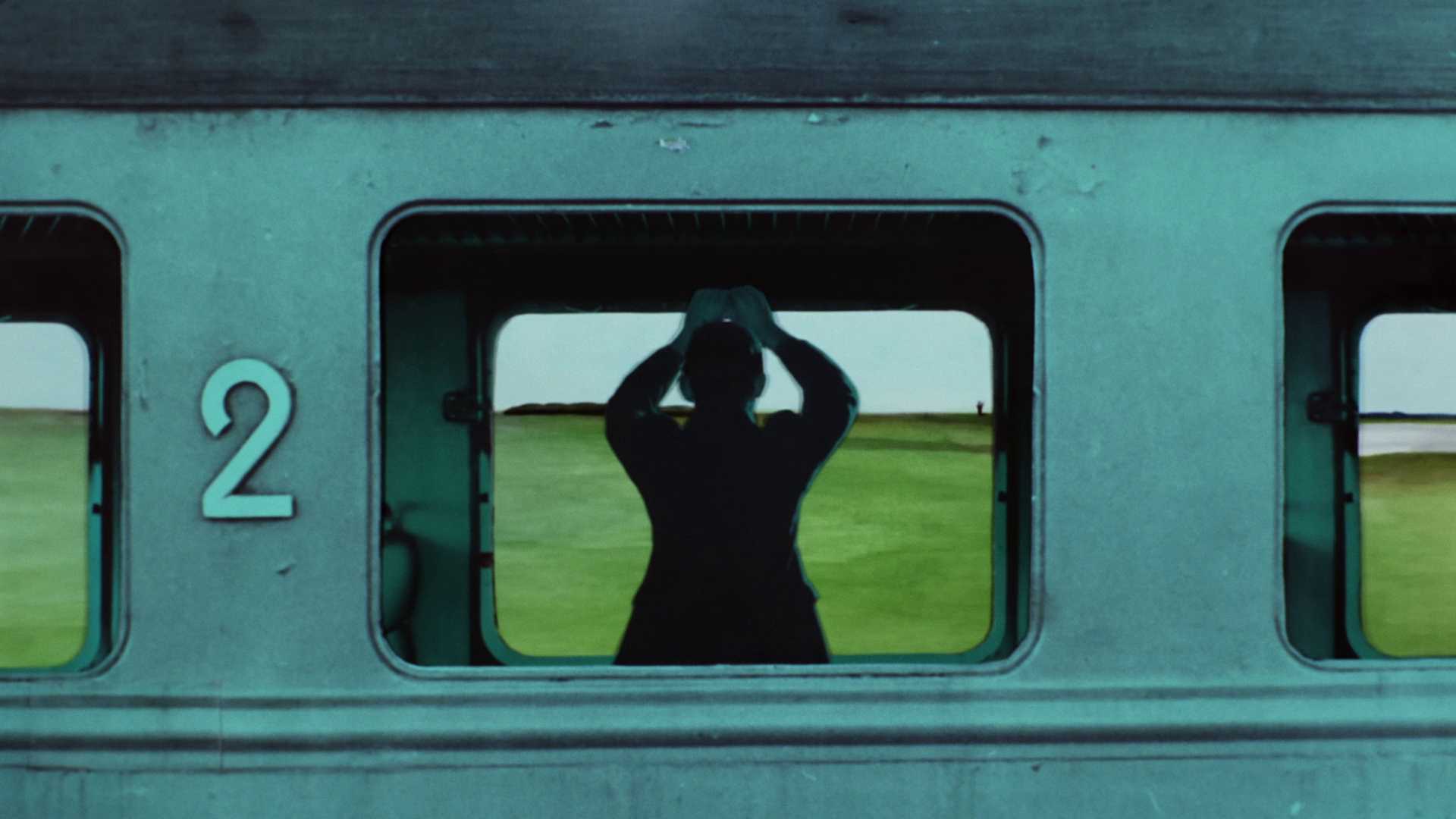
Ryszard Czekała’s The Son, whilst initially a little hard to decipher, develops into a rather moving portrait of a family whose son has grown beyond their meagre lives. Czekała’s Roll Call uses a similarly bold, simple style to portray a troubling sequence reminiscent of the Holocaust.
Miroslaw Kijowicz’s Road is a simple, short but effective little story of a character who can’t decide which way to go, so they go both.
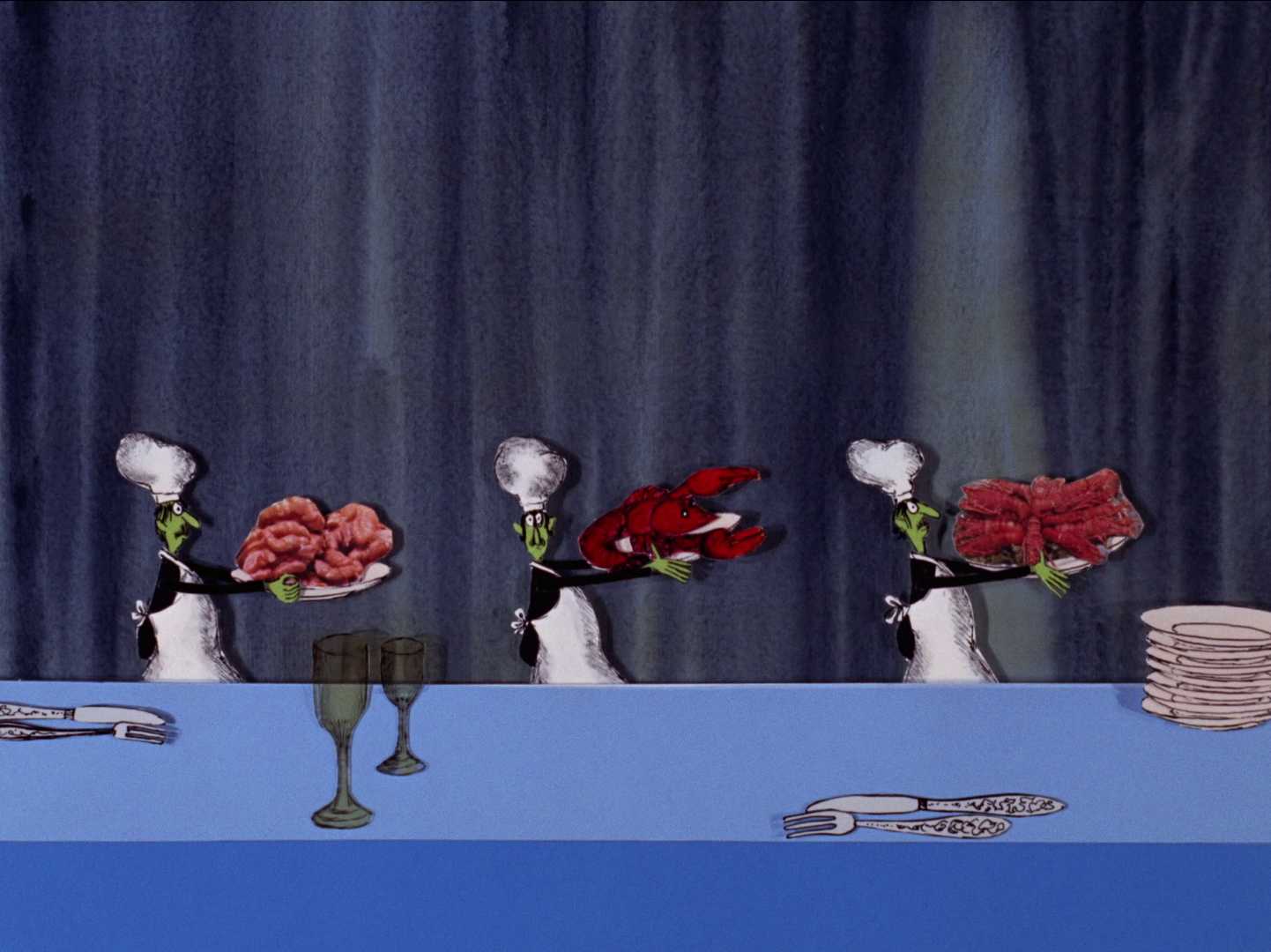
The Banquet by Zofia Oraczewska is a wickedly humorous satire that sees the tables turned in gruesome fashion at a lavish meal.
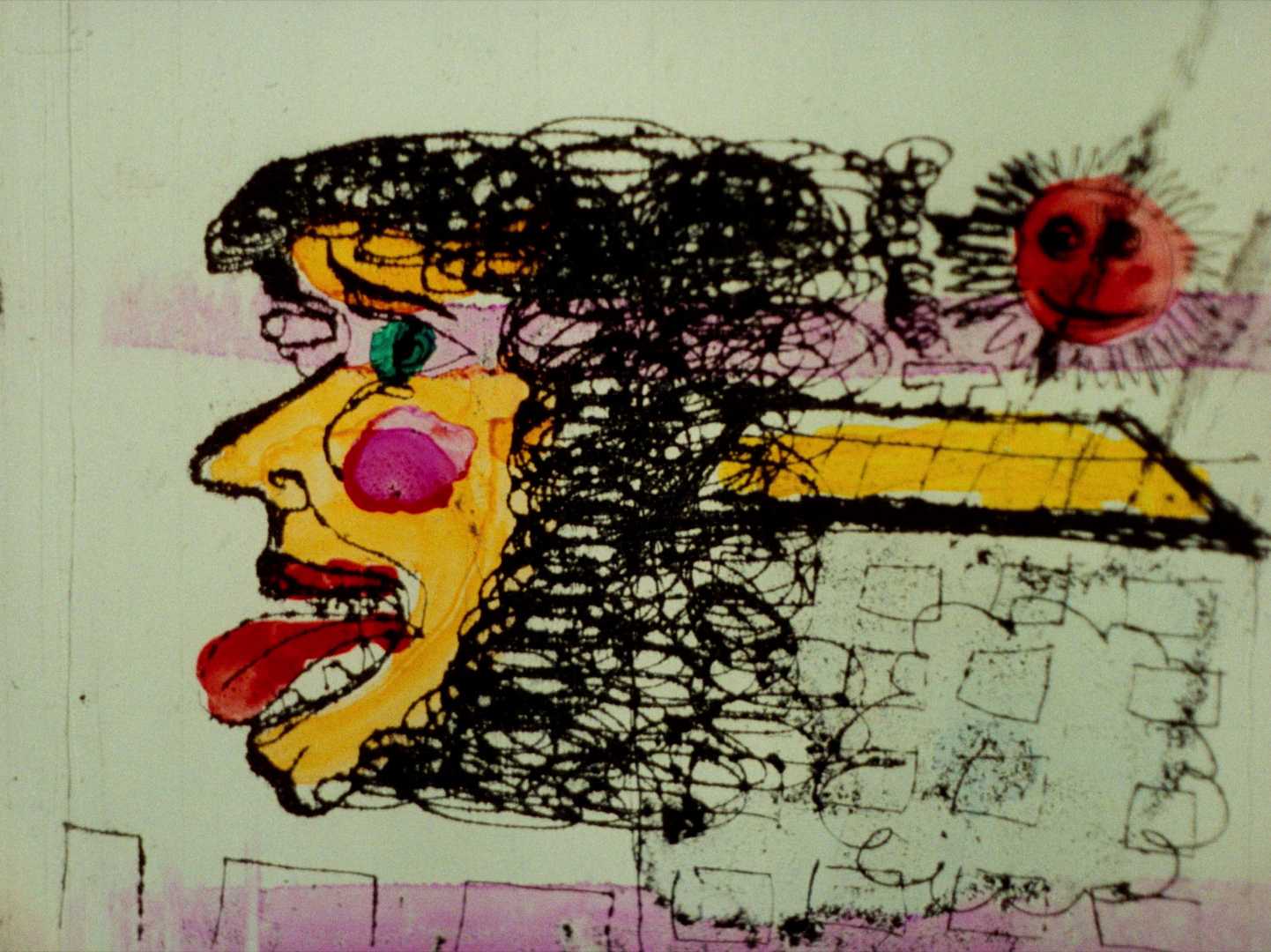
A Hardcore Engaged Film. Non-camera by Julian Józef Antoniszczak is a boldly experimental short that was made entirely by drawing straight onto the film itself. This creates a rough but hypnotic, psychedelic feast for the eyes.
Zbigniew Rybczyński’s Tango won the Oscar for Best Animated Short Film in 1981. It’s an experimental but bizarrely entertaining delight that makes incredible use of repetition and cut-out filmed elements. I’ve never seen anything quite like it.
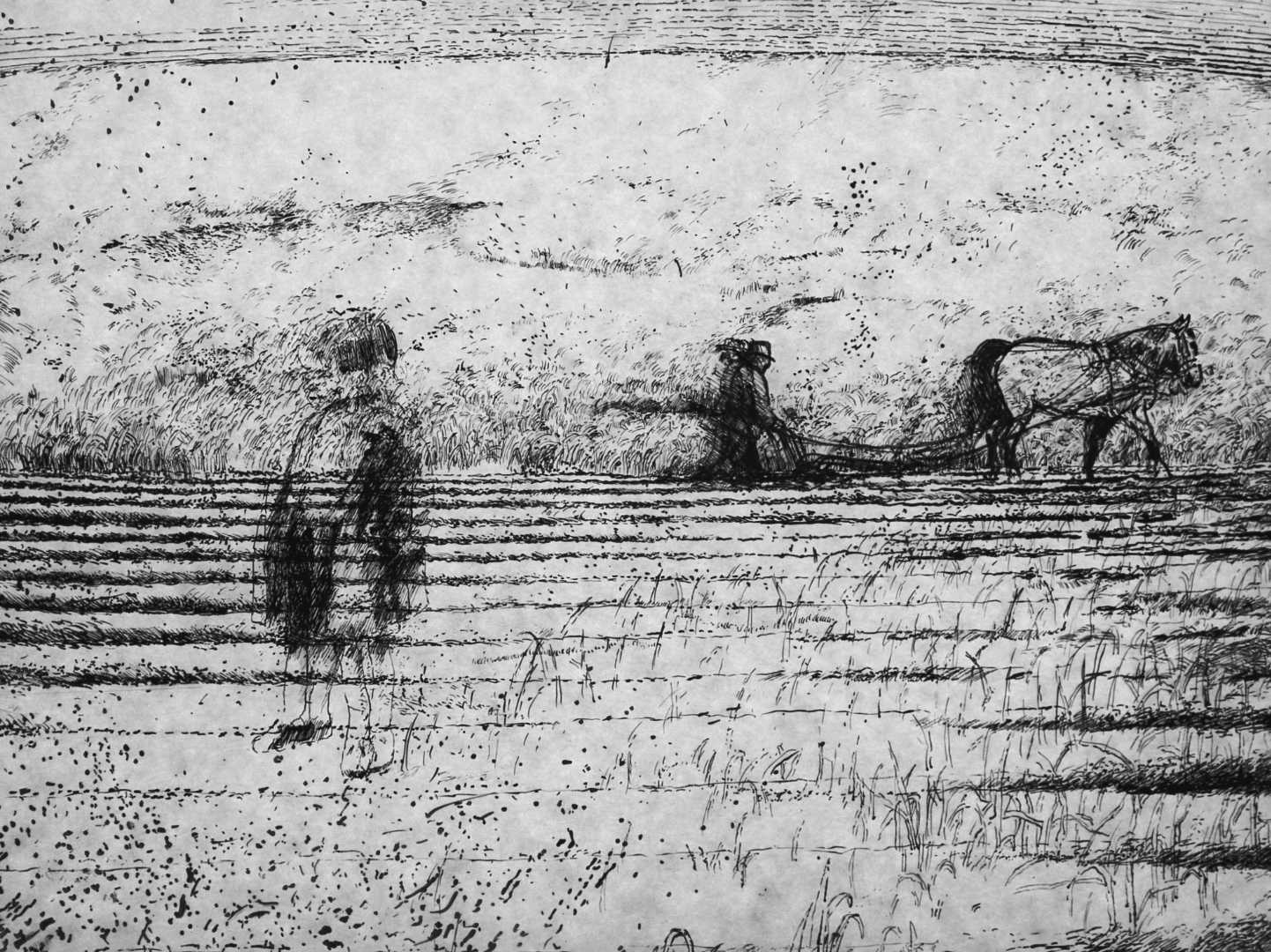
Jerzy Kalina’s Solo in a Fallow Field incorporates an unusual but beautiful style, using inked outlines that leave a trail of the last few frames. It’s about a man ploughing a field, but it develops into quite a surreal depiction as the film moves on.
Finally, there’s A Gentle Woman by Piotr Dumała. This is an eye-poppingly impressive film, which uses a distinctive style of painting onto plasterboards. A little like in Solo in a Fallow Field, the echoes of previous frames are left behind, and there are some stunning ‘camera moves’ done purely through painting. This gorgeous yet dark approach is used to efficiently adapt a powerfully moving story by Fyodor Dostoevsky.
Overall, it’s a wonderful set of bold, inventive and enthralling films that show how endlessly flexible the medium of animation can be. I can’t recommend it enough.
Films: 
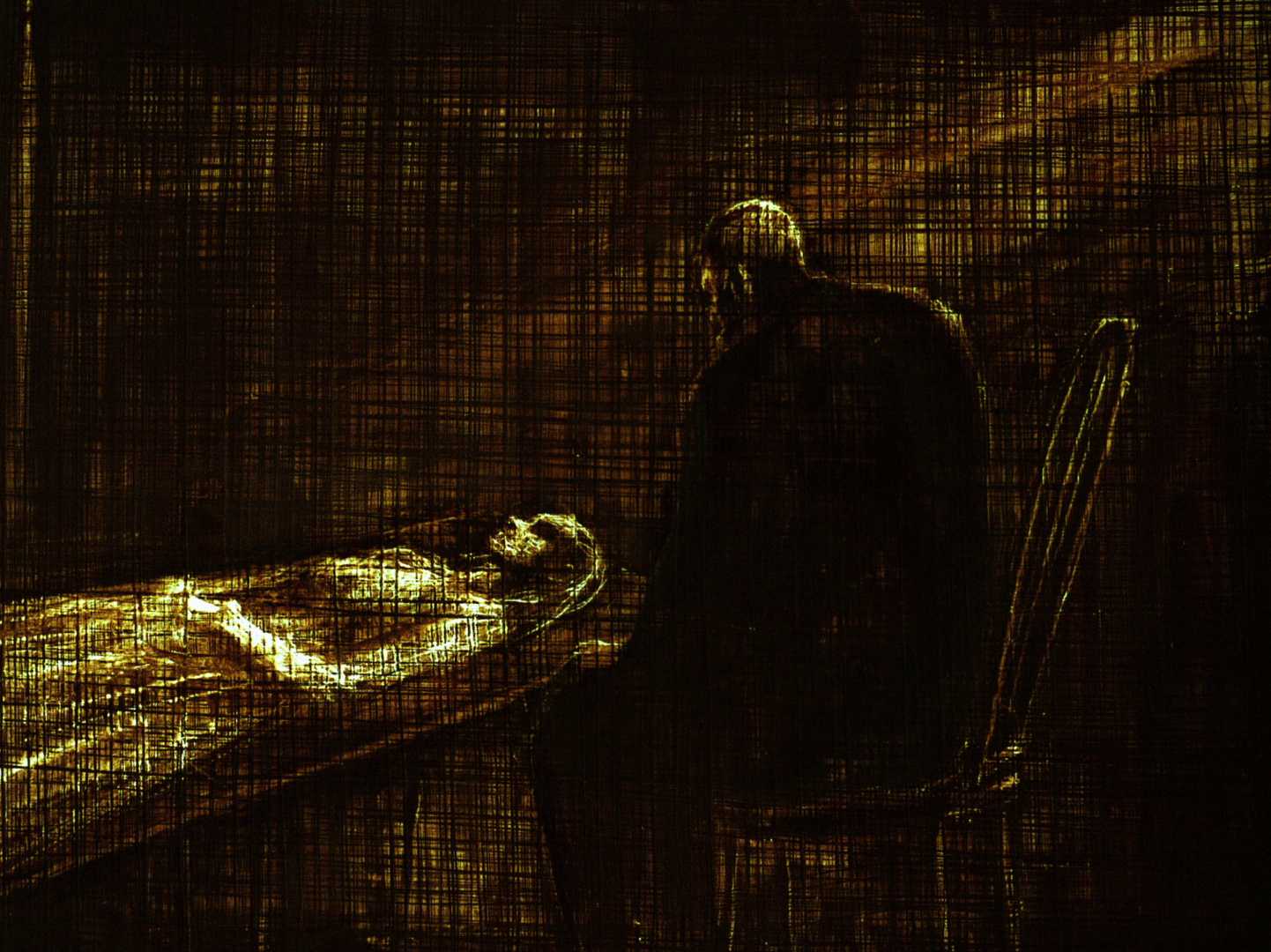
Essential Polish Animation is out on 21st July on region-free Blu-Ray, released by Radiance Films. The films have all been lovingly restored and look fantastic. Prints are clean without losing the textures of the artwork and film grain. Colours are rich too. I’ve used screengrabs throughout this review to give you an idea of how it looks. The audio is also rich and clear.
LIMITED EDITION BLU-RAY FEATURES
– High-Definition digital transfers of 27 classic animated films on two discs
– Original uncompressed PCM mono audio
– Fifteen new audio commentaries on select films by film historians Daniel Bird, Ela Bittencourt, Michael Brooke and Kambole Campbell (2025)
– Animated Poland – a newly created programme by film historian and Eastern European cinema expert Michael Brooke (2025, 59 mins)
– Optional English subtitles
– Reversible sleeve featuring newly commissioned artwork by Filippo Di Battista
– Limited edition booklet featuring new writing by animation expert Karol Szafraniec
– Limited edition of 3000 copies, presented in full-height Scanavo packaging with removable OBI strip, leaving packaging free of certificates and markings
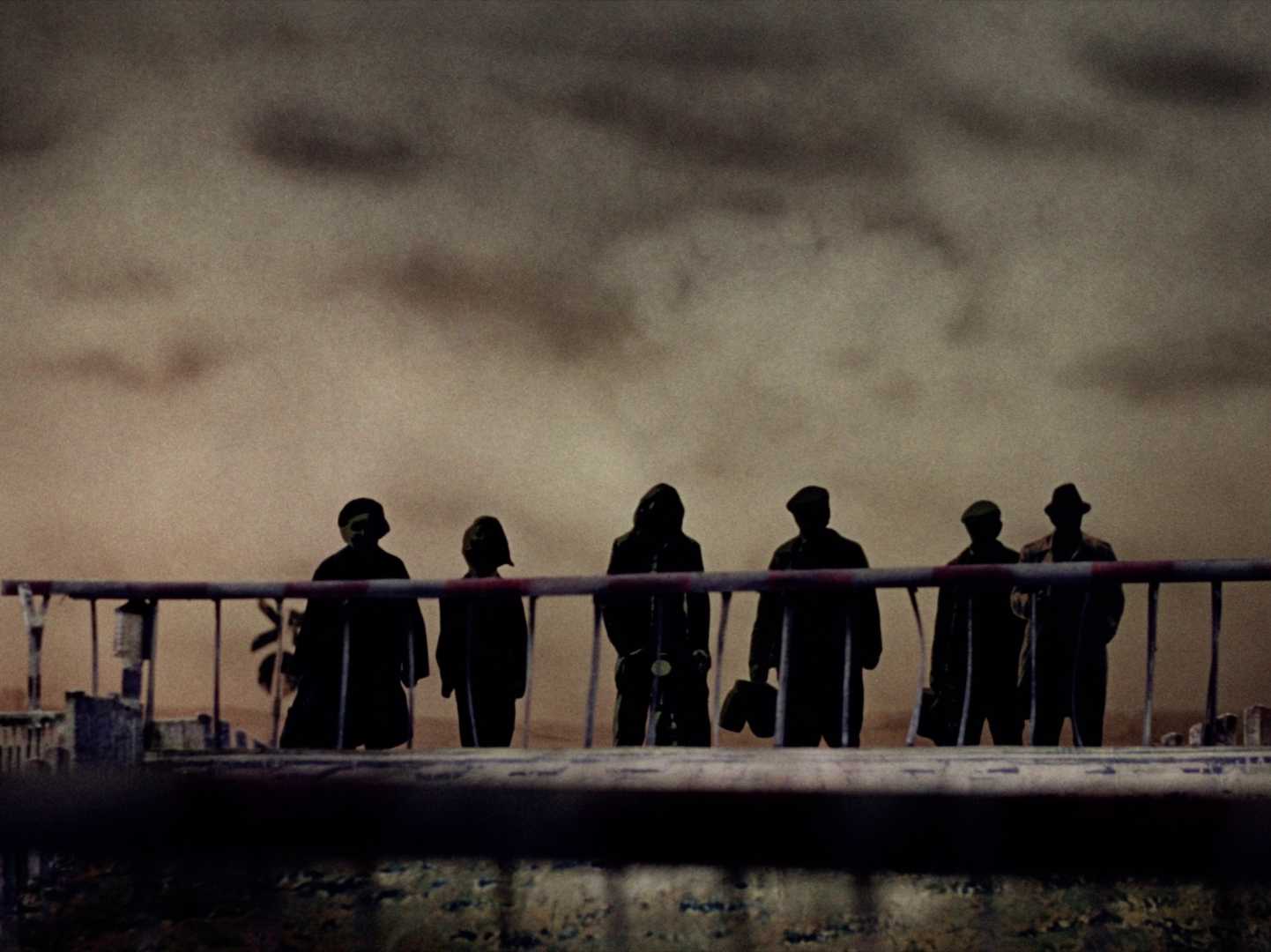
Michael Brooke provides an hour-long overview of Polish animation. He begins by moving through its history, before discussing the films and filmmakers included in the set. It makes for required viewing to help fully appreciate the films and their importance in cinema history.
There are commentaries available for 13 of the shorts too, with two of those films containing two tracks. I won’t give my thoughts on each and every one but, on the whole, these are vital, much like Brooke’s interview/essay. Obviously, the commentaries can’t be too long, given the short length of the films, but each contributor does their best to cram in as much useful background information and analysis as they can. I enjoyed listening to all of them.
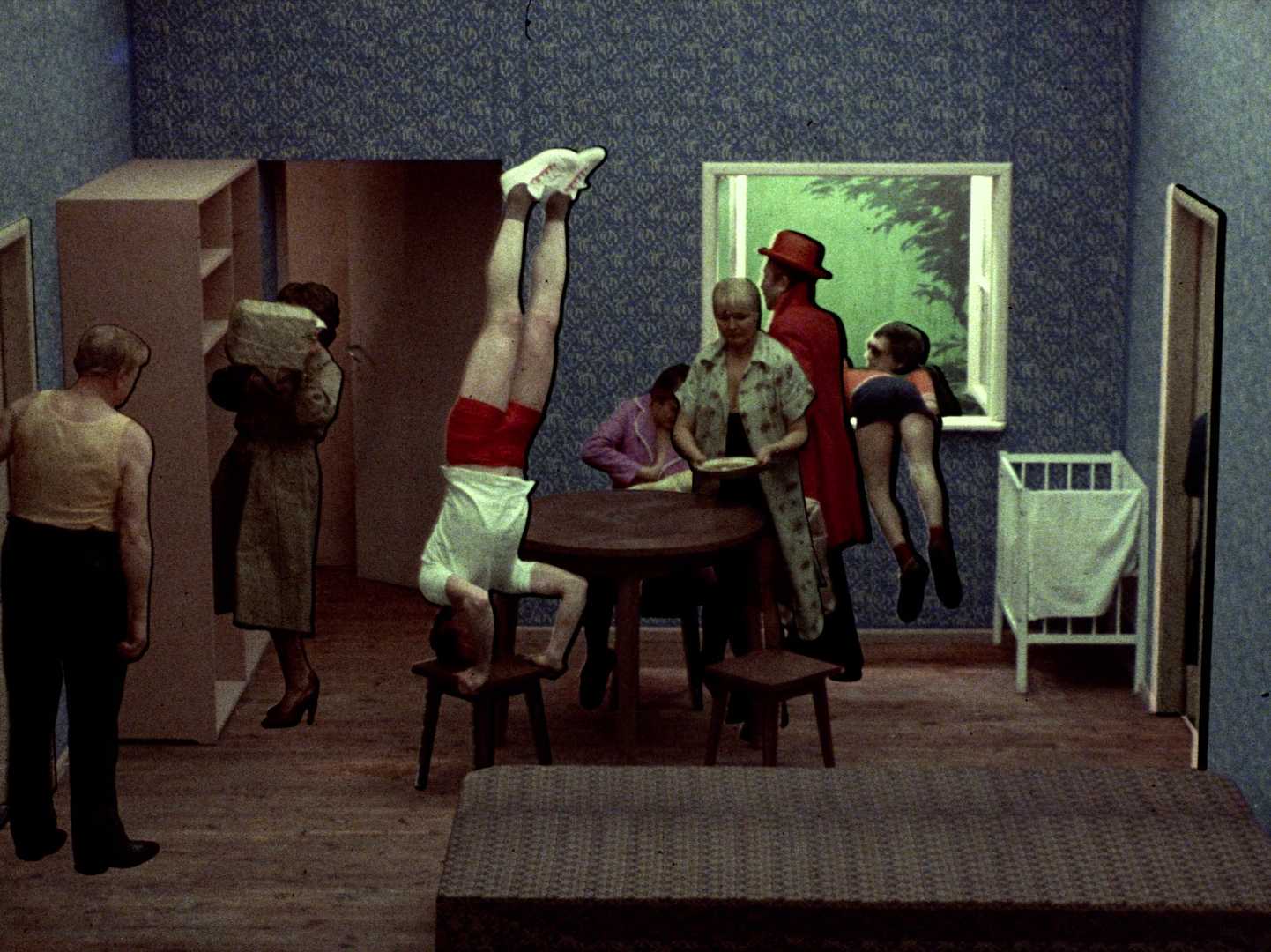
I didn’t receive a copy of the booklet to comment on that, unfortunately.
It’s a wonderful set from Radiance. A real treasure trove of short films and a wealth of background to help you best appreciate them. I hope we get more world-cinema animated classics on Blu-ray in the future. A box set of Eastern European animated features, perhaps? Here’s hoping. To help make this a reality, make sure you buy this set to show your support.
Disc/package: 
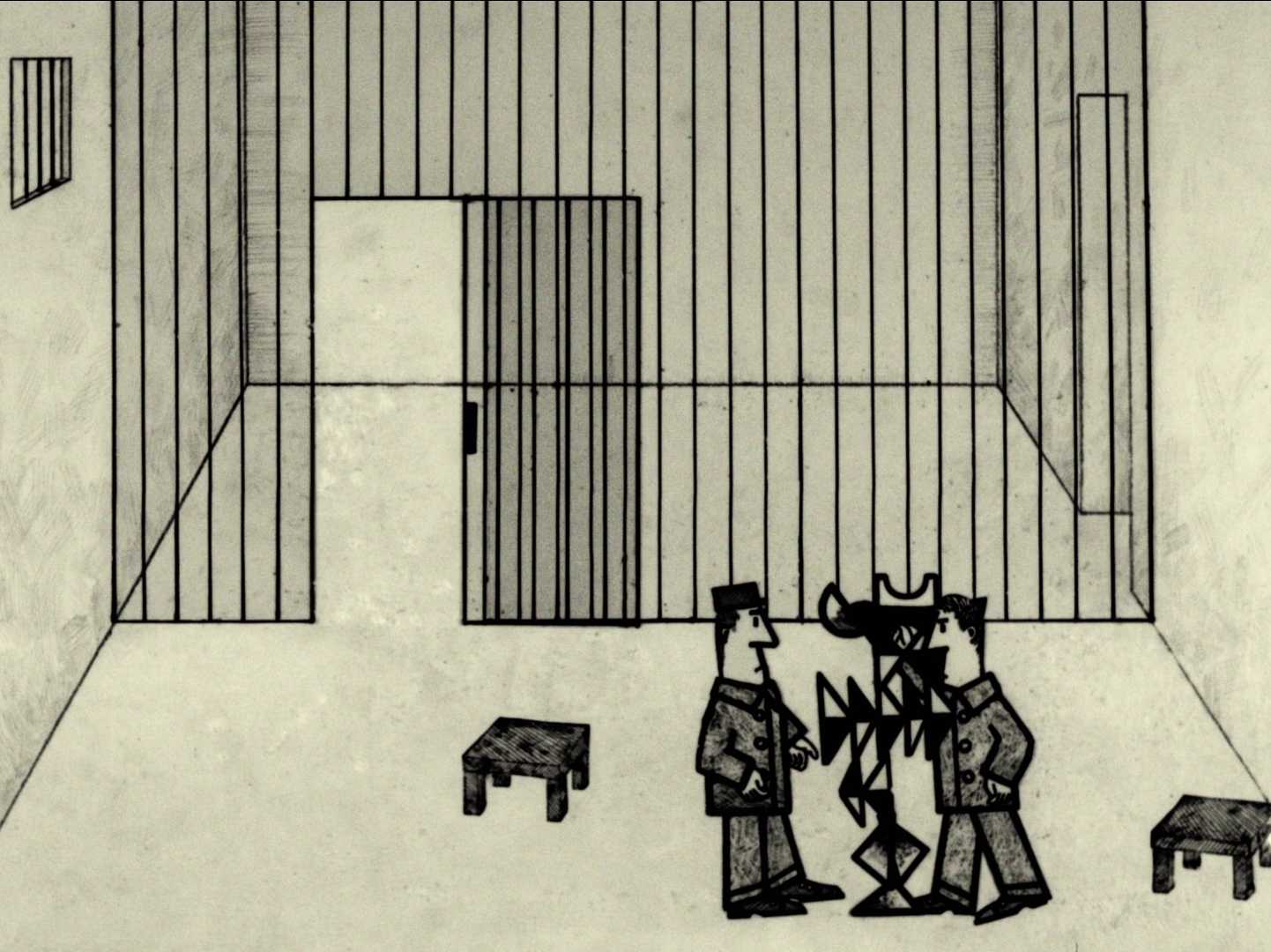
Complete List of Films
Banner of Youth (Borowczyk, Lenica, 1957)
Love Requited (Borowczyk, Lenica, 1958)
The Changing of the Guard (Halina Bielinska, Wlodzimiez Haupe, 1959)
New Janko the Musician (Jan Lenica, 1960)
A Little Western (Witold Giersz, 1960)
Playthings (Kazimierz Urbanski, 1962)
Labyrinth (Jan Lenica, 1962)
The Chair (Daniel Szczechura, 1963)
The Red and the Black (Witold Giersz, 1964)
Everything is a Number (Stefan Schabenbeck, 1967)
Horse (Witold Giersz, 1967)
Cages (Miroslaw Kijowicz, 1967)
The Stairs (Stefan Schabenbeck, 1968)
The Son (Ryszard Czekała, 1970)
Journey (Daniel Szczechura, 1970)
Roll Call (Ryszard Czekała, 1970)
Road (Miroslaw Kijowicz, 1971)
The Banquet (Zofia Oraczewska)
Barrier (Jerzy Kucia, 1977)
A Hardcore Engaged Film. Non-camera (Julian Józef Antoniszczak, 1979)
Reflections (Jerzy Kucia, 1979)
Tango (Zbigniew Rybczyński, 1980)
Solo in a Fallow Field (Jerzy Kalina, 1981)
The Source (Jerzy Kucia, 1982)
Chips (Jerzy Kucia, 1984)
A Gentle Woman (Piotr Dumała, 1985)
Parade (Jerzy Kucia, 1987)