


 Edward Yang was one of the leading figures of the Taiwanese New Wave, yet he’s probably most famous for writing and directing Yi Yi, which was his final film. Released in 2000, this lengthy family drama won him the Best Director award at the Cannes Film Festival and is often considered one of the greatest films of the 21st century.
The Criterion Collection released Yi Yi on Blu-ray back in 2018, not too long after putting out another one of Yang’s masterpieces, A Brighter Summer Day. However, the rest of Yang’s output has been hard to come by. He only directed seven feature films, but most of these are praised enough to warrant a release. Thankfully, Criterion have once again come to our rescue, putting together a double bill entitled A Confucian Confusion/Mahjong: Two Films by Edward Yang.
Having adored the previous discs Criterion released, it didn’t take much convincing for me to get my hands on a set of screeners. My thoughts follow.
A Confucian Confusion
Director: Edward Yang
Screenplay: Edward Yang
Starring: Shiang-chyi Chen, Danny Deng, Bosen Wang, Wei-Ming Wang, Ye-Ming Wang, Shu-Chun Ni
Country: Taiwan
Running Time: 125 min
Year: 1994
A Confucian Confusion is set in bustling 1990s Taipei, where a web of characters from the urban middle class wrestle with conflicting desires in a fast-changing world. At the centre is Qiqi (Shiang-chyi Chen), a self-assured career woman engaged to her boss, Ming (Wei-Ming Wang), a self-satisfied publisher. Their lives intersect with an idealistic playwright, a cynical PR consultant, and a traditionalist professor, each representing a different stance toward modern life. As romantic entanglements, professional ambitions and philosophical debates collide, the film tracks how these individuals struggle with personal integrity, loyalty, and self-fulfilment.
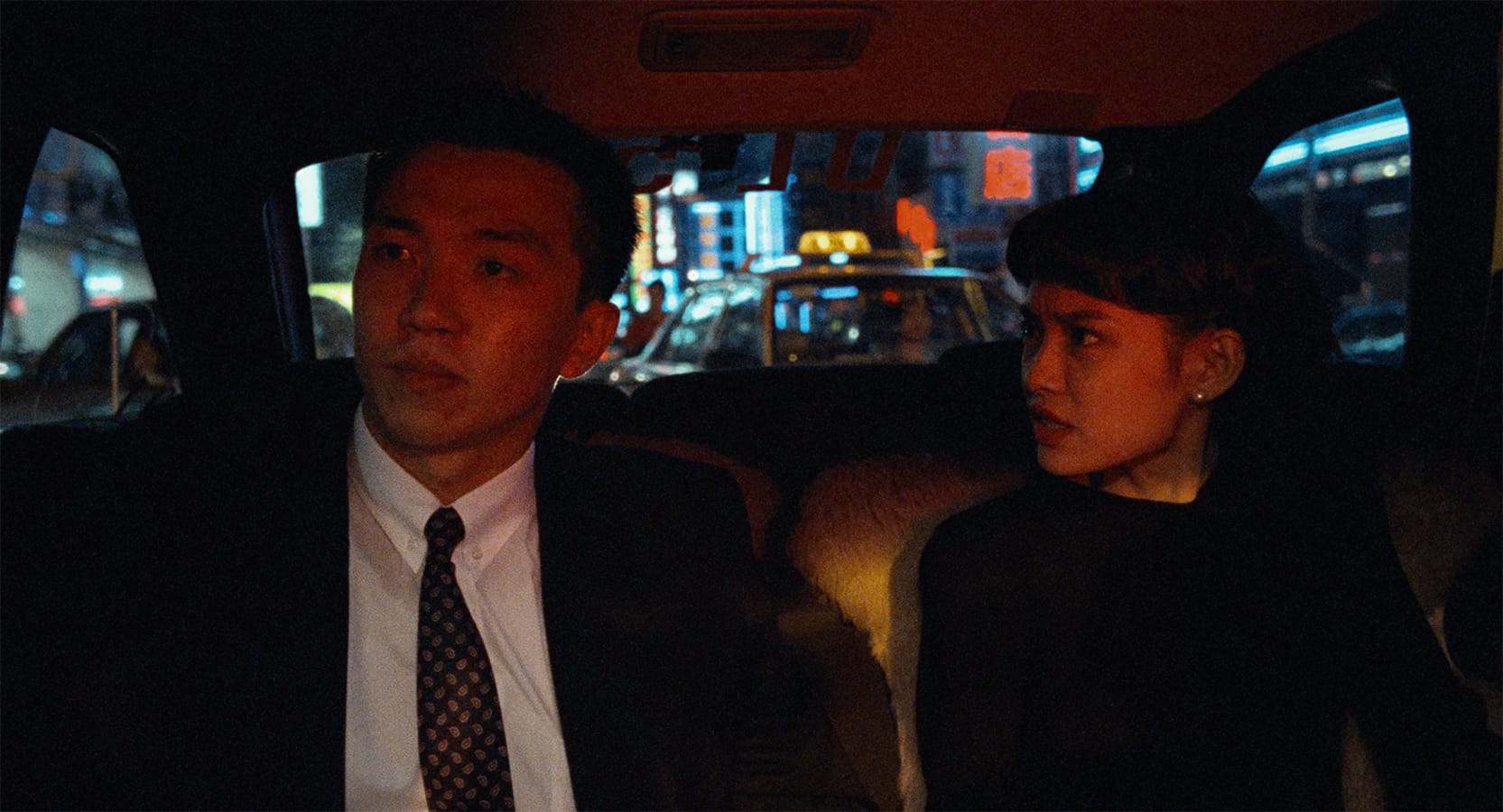
Taiwan underwent a period of rapid economic development in the latter half of the 20th century. By the late 70s, Taiwan had become the mass production capital of the world. Also, later, in 1987, a lengthy period of martial law in the country finally came to an end. These, and other important factors, changed Taiwan a great deal. Yang wanted to explore how this affected the population, particularly the younger generations who were coming of age during the country’s boom years.
In A Confucian Confusion, wealth appears to have destroyed traditional values of family and ‘togetherness’ and created a selfish society where anyone will do anything for a quick buck.
It’s an interesting topic but, sadly, after being so excited about digging into this set, it left me with a film I didn’t connect with like I did Yi Yi and A Brighter Summer Day. It’s difficult to find fault with the film. It’s just that these types of stories about spoilt, self-serving people being nasty to each other just don’t appeal to me, personally.
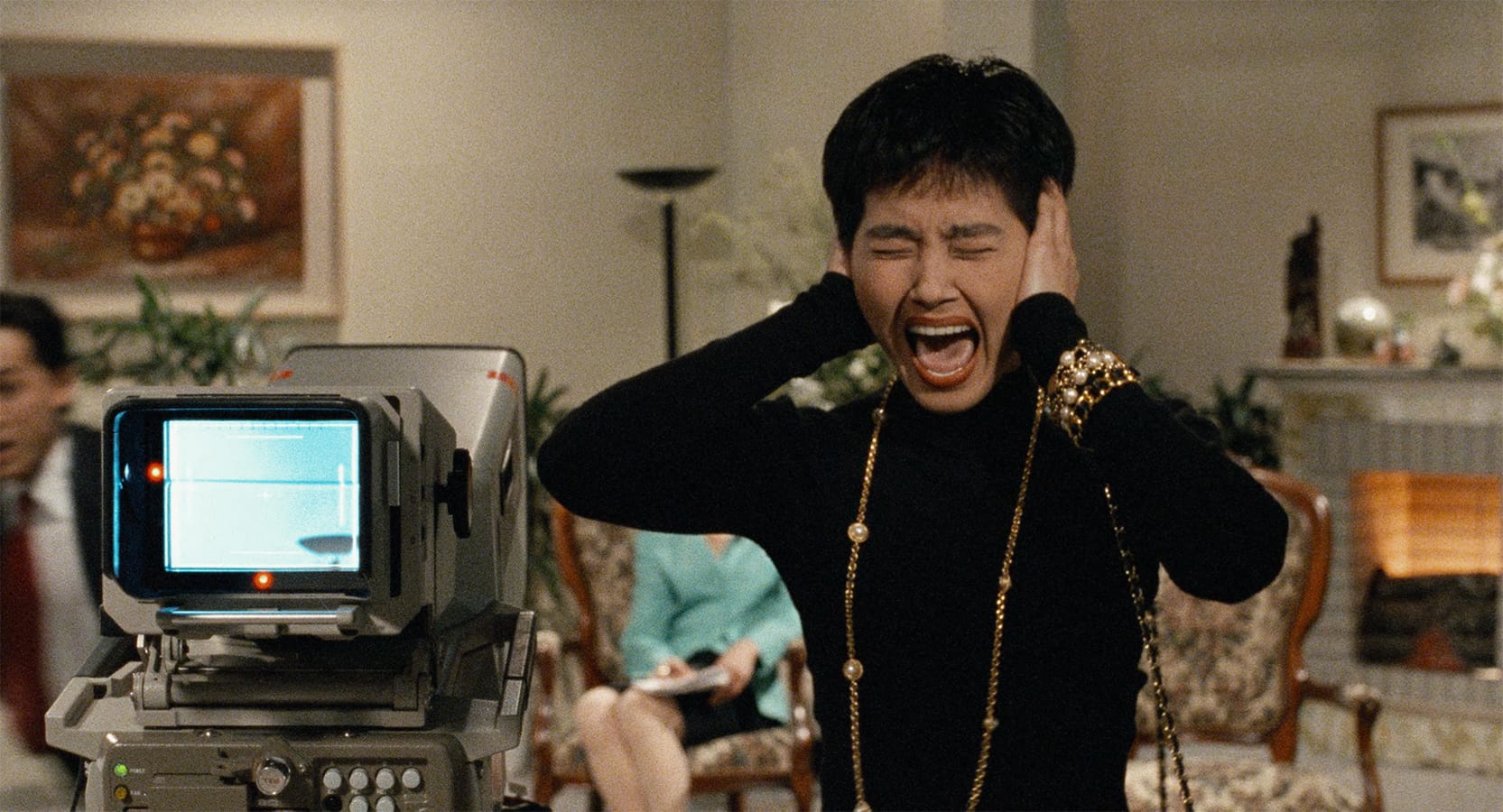
It’s an incredibly dense, dialogue-heavy film too, making for quite a challenging viewing experience, particularly as I was watching it late at night and trying to write notes at the same time.
I can still appreciate the film’s qualities though, and I did warm to many of the characters by the end, once they realise their selfish lives are doing them few favours. There is also fun to be had in Yang’s witty digs at the commodification of art.
The performance style is a little less naturalistic than the other films of Yang’s I’ve seen. It has a larger-than-life feel yet is set in a relatable reality, a little like Mike Leigh’s films.
Great use is made of long takes. These are often relatively static but carefully framed.
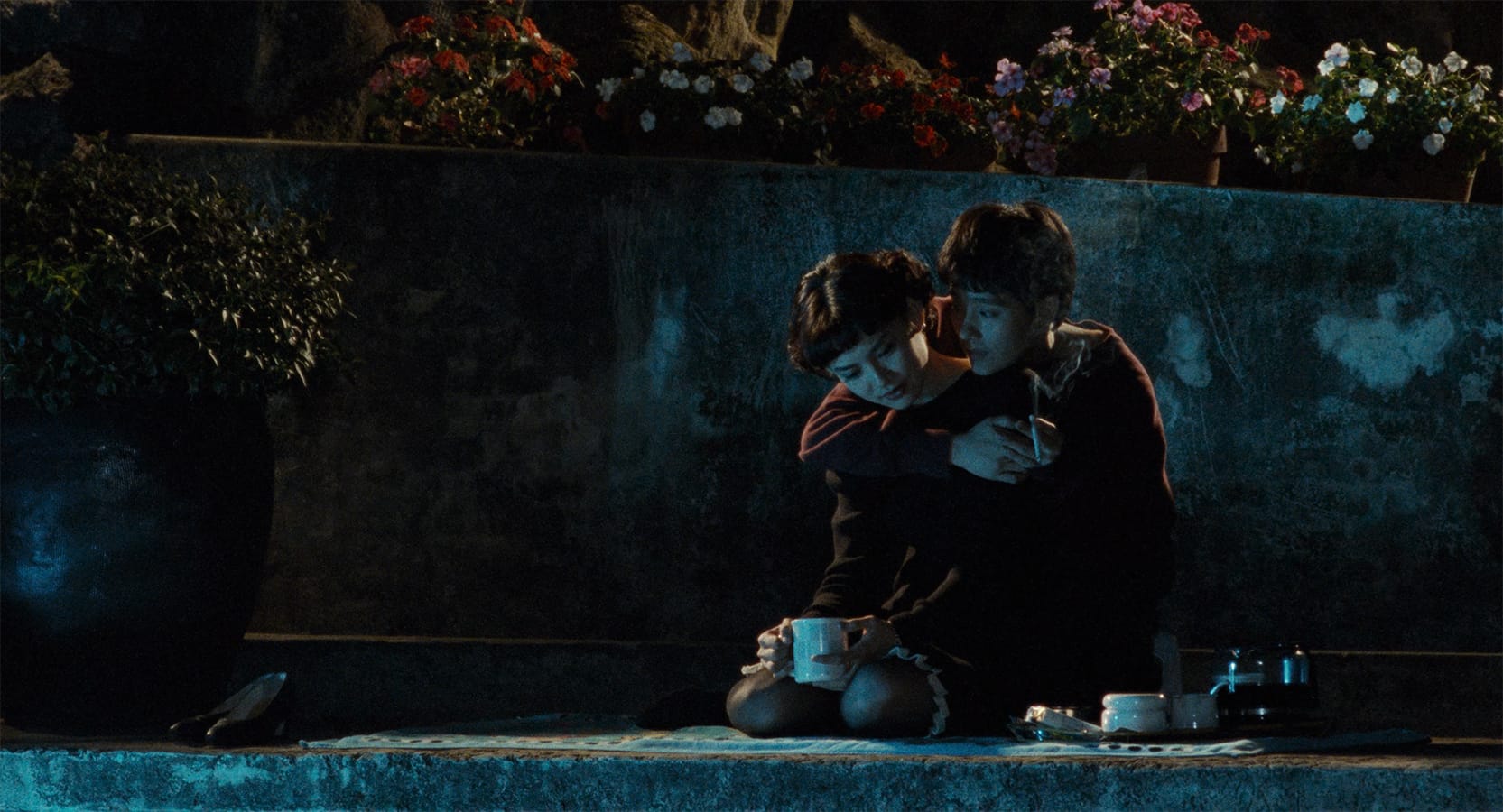
Overall, A Confucian Confusion is a lot to take in, and I found it difficult to warm to the self-centred characters. However, I couldn’t deny the elegance and intelligence of its direction, and there is charm to be found in the dry humour and the glimpses of heart that pierce through towards the end.
Film: 


Mahjong
Director: Edward Yang
Screenplay: Edward Yang
Starring: Tsung Sheng Tang, Chang Chen, Lawrence Ko, Chi-tsan Wang, Virginie Ledoyen, Nick Erickson, Shin-hui Chen
Country: Taiwan
Running Time: 121 min
Year: 1996
Mahjong is set in Taipei, where a once-wealthy tycoon named Winston Chen (Kuo-Chu Chang) vanishes after accumulating massive debts to the criminal underworld. Believing that his son, nicknamed Red Fish (Tsung Sheng Tang), may know his whereabouts, gangsters begin tailing him. Red Fish is the leader of a young gang that pulls manipulative stunts and leverages fake prophecies.

As the gang members navigate their schemes and social circles, they cross paths with Marthe (Virginie Ledoyen), a young French woman searching for her ex-lover Markus (Nick Erickson), now a wealthy interior designer. Marthe becomes entangled with the gang when they offer her shelter under the guise of protection, but with exploitative intentions. As gang member Luen-Luen (Lawrence Ko) falls for her, however, he tries to break her out of their trap.
Meanwhile, Red Fish plots revenge on a mysterious woman named Angela (Carrie Ng), whom he believes to have played a major role in his family’s financial ruin. Red Fish uses gang member Hong Kong’s (Chang Chen) powers of seduction and Angela’s superstition as tools of manipulation.
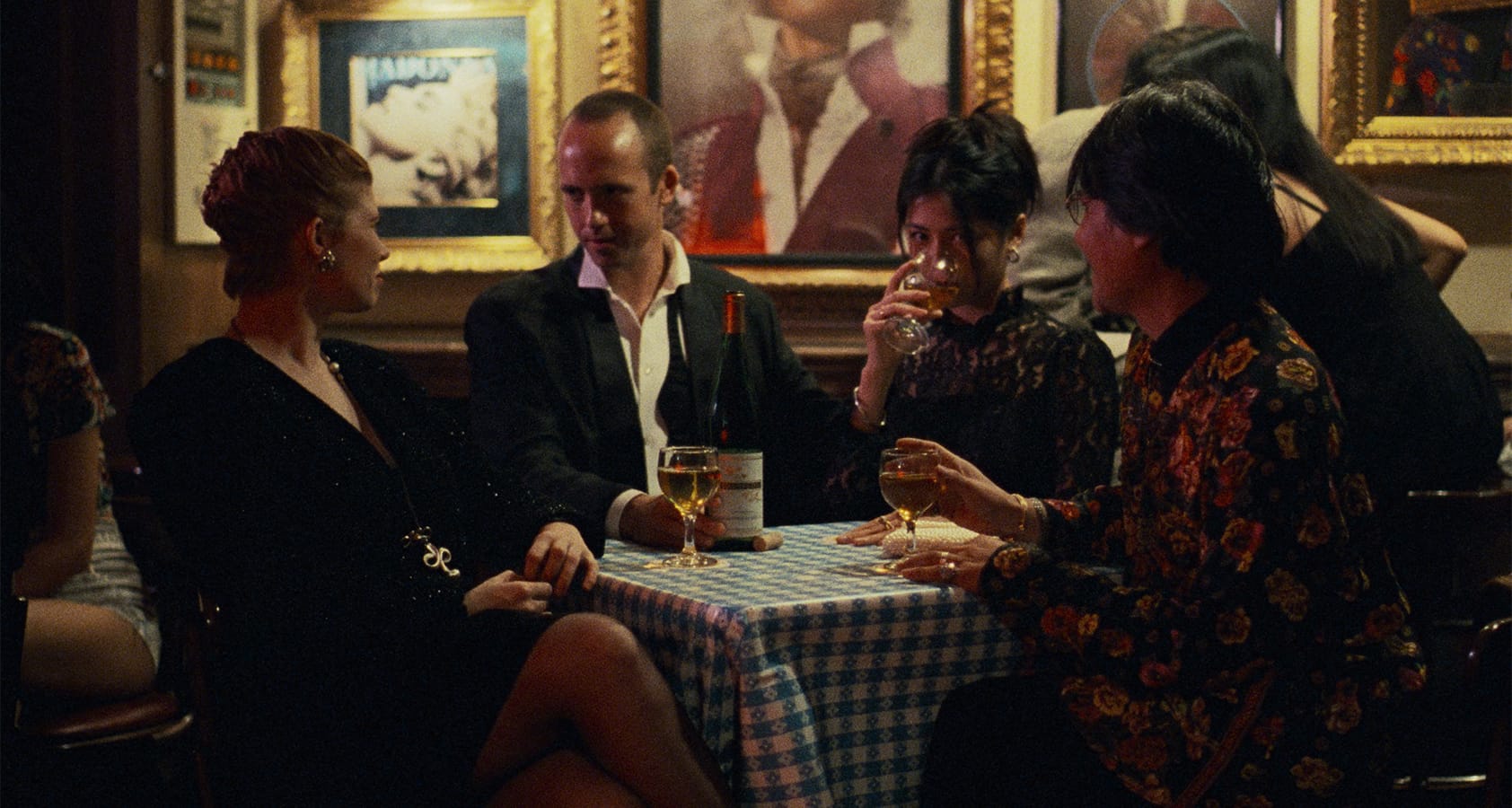
Now this was more my cup of tea. Whilst Mahjong is still densely plotted and populated by a host of morally dubious characters, I found their scheming and banter much more engrossing than the bitching and bed-hopping of the earlier film.
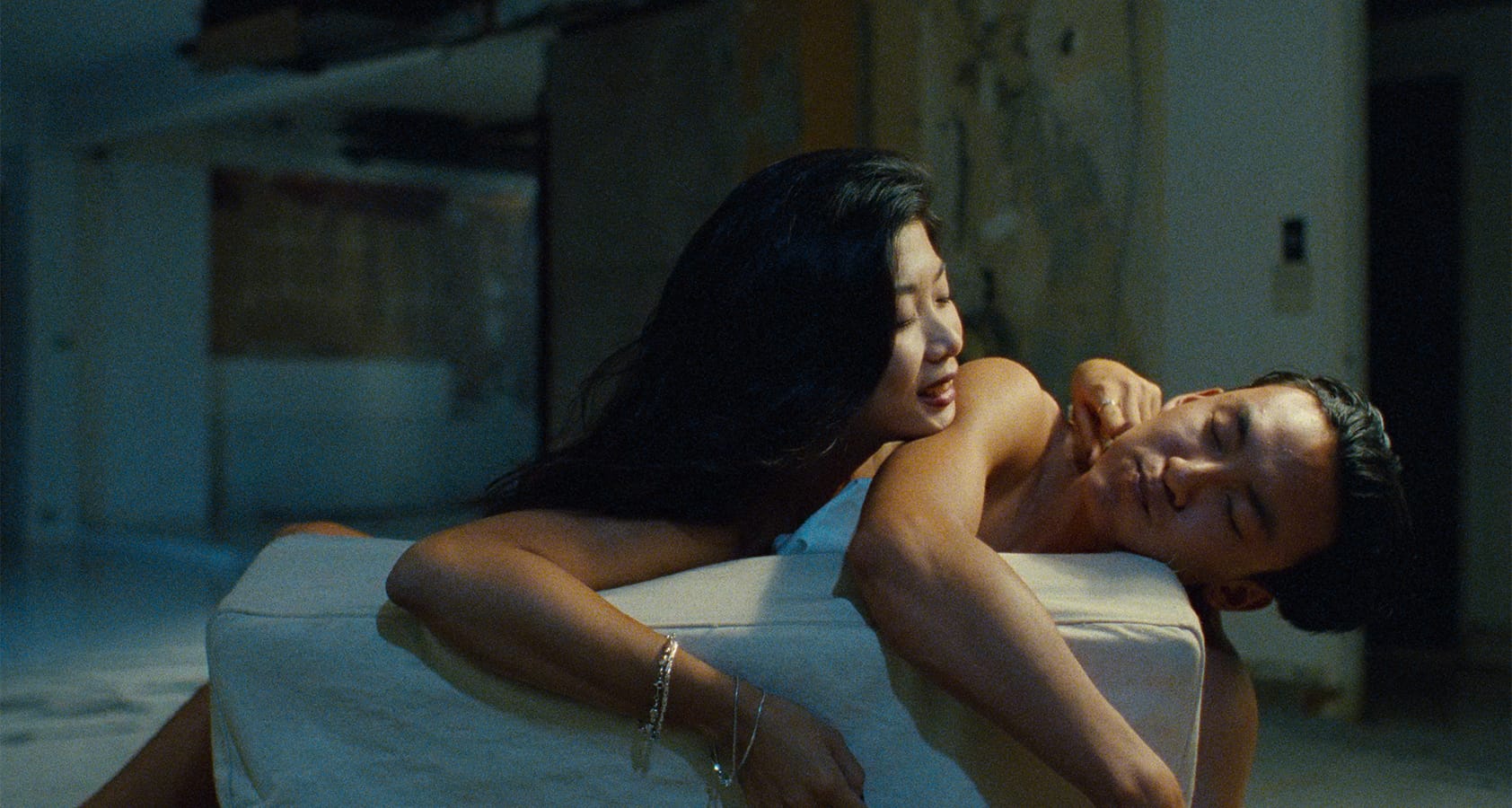
Everyone is a scammer here, using others for personal gain. In this way, the film appears to be taking a similarly cynical view of Taiwan’s financial success as its predecessor. Added to the mix this time around though are several foreigners, who seem to act as a symbol for the other countries that capitalised on Taiwan’s fortunes.
Like A Confucian Confusion, Mahjong has a relatively subtle vein of humour running throughout, though it gets very dark. The gang’s manipulation of a young woman for sex is rather unpleasant, for instance. The final act gets quite bleak, too. This doesn’t feel like a sudden shift, but rather a well-earned and moving conclusion. This is followed by a very final sequence that could potentially feel like a tacked-on happy ending, but it’s beautifully executed.
The film looks good too. Once again, long takes are often utilised, though there’s more camera movement this time around.

So, whilst a similar film to A Confucian Confusion, I found Mahjong the more compelling of the two. It shares many of the same qualities but played more to my tastes.
Film:
A Confucian Confusion/Mahjong: Two Films by Edward Yang is out on 25th August on Blu-Ray, released by The Criterion Collection. There’s a caption at the start of each film describing how they were restored from partially damaged negatives, but both films look fantastic. They’re sharp, with lovely tones and colours. The films sound good too.
TWO-BLU-RAY SPECIAL EDITION FEATURES
– New 4K digital restorations, with 5.0 surround DTS-HD Master Audio soundtracks
– Excerpts of director Edward Yang speaking after a 1994 screening of A Confucian Confusion
– New interview with editor Chen Po-wen
– New conversation between Chinese-cultural-studies scholar Michael Berry and film critic Justin Chang
– Performance of Yang’s 1992 play ‘Likely Consequence’
– PLUS: An essay by film programmer and critic Dennis Lim and a 1994 director’s note on A Confucian Confusion
There’s a 53-minute Q&A with Yang, which took place after a screening of A Confucian Confusion in 1994. This is an intellectual piece, filled with intriguing discussions about the director’s intentions.
On the same disc, there’s also a filmed theatrical performance of one of Yang’s plays, ‘Likely Consequence’. I must admit, I haven’t had a chance to watch this yet, but it’s a welcome addition.
Editor Chen Po-wen is also interviewed in a 25-minute piece. He worked with Yang throughout the second half of his career, including editing the films in this set. This is fantastic. Chen is honest and enthusiastic in discussing his and Yang’s approaches to filmmaking. In particular, he describes Yang’s exacting methods.
Finally, Michael Berry and Justin Chang have a lengthy 44-minute discussion about Edward Yang and the films in this set. They also talk about the Taiwanese New Wave and how Yang fits within it. It’s a valuable addition to the release.
I didn’t receive a copy of the booklet, unfortunately.
So, Criterion have put together a wonderful release for these strong films from a director whose work is criminally underserved on disc in the UK.
Disc/Package: