



 Director: James Foley
Screenplay: David Mamet
Based on the play by: David Mamet
Starring: Al Pacino, Jack Lemmon, Alec Baldwin, Alan Arkin, Ed Harris, Kevin Spacey, Jonathan Pryce, Bruce Altman, Jude Ciccolella
Country: United States
Running Time: 100 min
Year: 1992
BBFC Certificate: 15
American playwright David Mamet’s rich, rhythmic dialogue wasn’t just tailormade for the stage, it was perfect for the big screen too. He wrote the screenplays for the 1981 film version of the novel The Postman Always Rings Twice, 1987’s The Untouchables, 2001’s Hannibal, and received Academy Award nominations for the screenplays for 1982’s The Verdict and 1997’s Wag the Dog. But perhaps the best way to get the full Mamet experience on screen is through his masterful star-studded film adaptation of his own Pulitzer Prize-winning American tragedy play Glengarry Glen Ross.
Directed by James Foley, the film was released in 1992, eight years after the play and stars some of the silver screen’s acting greats including Al Pacino, Jack Lemmon, Alex Baldwin, Alan Arkin, Jonathan Pryce, Ed Harris and Kevin Spacey. What a cast.
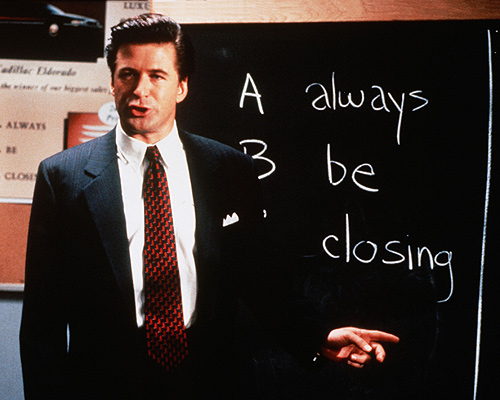
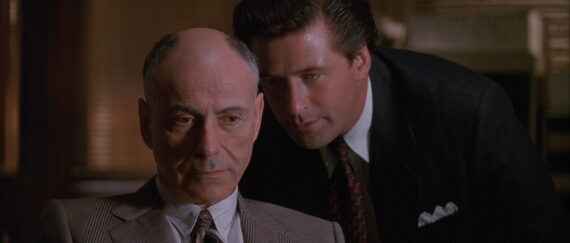
The film follows Chicago real estate salesmen over the course of two days. Blake (Alec Baldwin) is sent in by the corporate office to motivate a group of salesmen, giving them a week to save their jobs. Only the top two salesmen will survive. The salesmen includes star seller Ricky (Al Pacino), Shelley (Jack Lemmon), George (Alan Arkin), Dave (Ed Harris), and office manager John (Kevin Spacey).
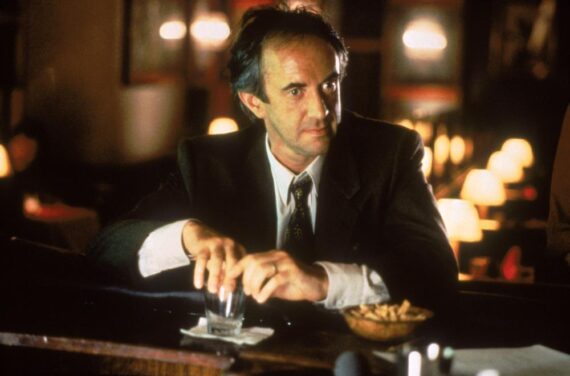
The first two key elements that standout in the film are the masterful dialogue by Mamet. The screenplay is first class, and has a truly rhythmic quality at times, almost like a song. Whilst much of the praise should be levelled at Mamet, it is his screenplay and adaptation of his own play after all, the editing also helps no end with the pace of the dialogue. The phenomenal ensemble cast is also key: each star, or ascending star, at the time, lives and breathes their role and is truly believable. It’s an acting masterclass, headlined by Pacino’s portrayal of Ricky and Lemmon’s wonderful, almost paranoid performance as fellow salesman Sheldon. Baldwin is also vicious, spouting bile as the motivator in a cameo that opens the films, but there’s not a poor performance on show, they’re all great. Special mention for the relatively silent part Jonathan Pryce plays as one of Ricky’s customers, delivering a range of emotions mostly through his face and movements.
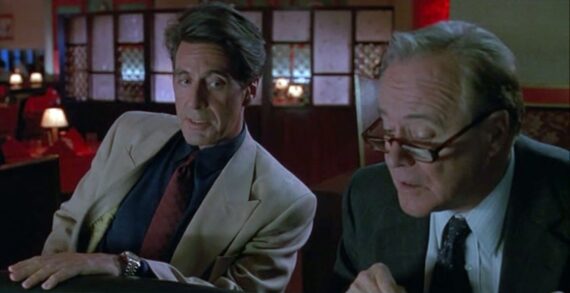
The risk with any film adaptation of a play is that it will feel stagey and not befitting of the big screen. That’s not the case with Glengarry, helped no end by the outstanding cinematography by Juan Ruiz Anchía who keeps the camera moving throughout large parts of the film, and uses some striking high and low angle camera shots, getting close to, and standing back from, the action, as the scene requires. Striking shots like those through car windows and telephone boxes, rain running down the glass, add to the atmosphere. Lighting also helps, there’s some beautiful red and blue hues in the night-time sequences, for example, and another factor that is more cinematic than stage-bound productions is the weather: it’s raining, a lot for much of the film. That adds no end to the atmosphere.
The audio elements also combine to great effect. The sound design is particularly good, just listen out for the way the sounds of the Chicago L-train come in to open or close some scenes. There’s also a great, though sparsely used, bluesy score by James Newton Howard which helps to give an almost noir-esque atmosphere to the film. Indeed, this at times feels like a classic noir in several ways, from the score to the lighting.
At the time of its release there was some controversy – as with the play – about the use of profanity, and indeed there are many swear words in the dialogue, but they never feel out of place or used for shock value. The cut-throat world depicted feels like that type of colourful language would be par for the course, so it feels real and not out of place.
The movie received widespread critical acclaim but surprisingly little in the way of Academy Award attention: only Pacino receiving a nomination for best supporting actor. The marketing did little help, as director Foley shares in his interview which is included on the disc. Indeed it’s surprising to hear that the critical acclaim wasn’t used to help promote the movie and garner more of a box office, or as part of an Oscar nomination campaign.
Glengarry Glen Ross is a phenomenal piece of cinema, one of the best films of the 1990s and a wonderful acting showcase. The screenplay is top tier, the story gripping and it is a wonderful adaptation of an equally brilliant stage play.
Film: 
Glengarry Glen Ross is released on limited edition Blu-ray on 29th July 2024 by 101 Films as number 37 on their Black Label. The transfer is brilliant, not a blemish to be seen, striking detail and the colour scheme coming through strong. The audio is also great, just listen out for the sound effects (the rain, the L train), and the dialogue is crystal clear.
SPECIAL FEATURES
A conversation with director James Foley
“God Bless Ricky Roma” Actor Joe Mantegna remembers working with David Mamet
Audio commentary with James Foley
Audio commentary with actor Jack Lemmon
“A.B.C. (Always Be Closing)” documentary (SD)
“Magic Time”: A tribute to Jack Lemmon (SD)
Limited Edition Booklet: Includes ‘Death of a Fuckin’ $ale$man: Defining an American Dramatic Tradition’ by Rich Johnson and ‘Glengarry Glen Ross and The All-American Loser’ by Andrew Graves.
The disc seems to be a port of the excellent 2020 US Shout Factory release with all the extras ported over, right down to the lack of inclusion of a trailer.
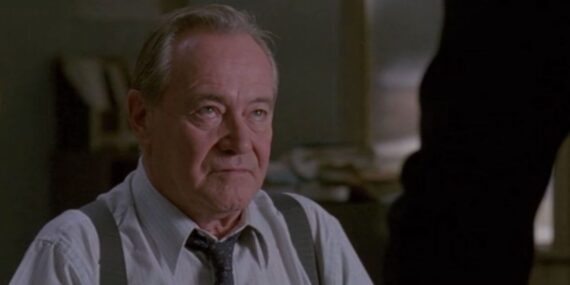
There are some decent anecdotes from director James Foley in his commentary, including one about the way the actors bonded and their interactions with Alec Baldwin when he arrived on set where they almost stayed in character and didn’t treat him very well. Don’t worry, they liked him – they just played their meetings in a method style. There are a lot of silences during the track and it would have benefited more from being a select scene commentary. When Foley speaks, though, there is plenty to take away and he’s very engaging, so it’s a decent commentary overall.
The late Jack Lemmon’s archival commentary is much better. He provides some great insights and is clearly delighted to have worked on a film written by David Mamet, and describes it as a brilliant experience and the best cast he worked with in his career. Still we get silences but Lemmon lacks a lot into the sections when he speaks. He’s great to spend time with.
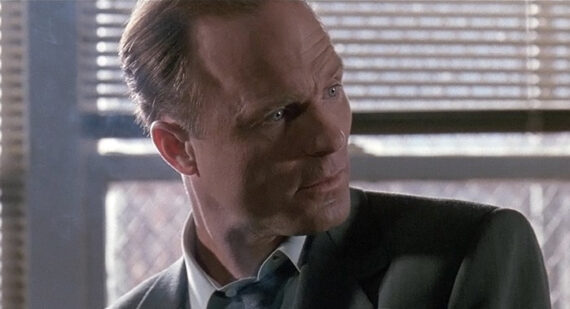
The conversation with Foley runs for 37 minutes with the director mentioning how Al Pacino brought him two scripts: Seven and Glengarry. Foley found Seven’s script to be too gruesome; it later became one of David Fincher’s masterpieces. But he felt the script for Glengarry was excellent and improved on the play and agreed to direct the film. Foley talks about the actors, with particular praise for Jonathan Pryce, looks at the rehearsal period, shares memories of the filming and talks about the importance of ensuring the rhythm of Mamet’s dialogue was maintained. Foley also shares his thoughts on the terrible marketing campaign and release and how it didn’t capitalise on the excellent reviews the film received. It’s an excellent interview that gives a good overview of the genesis and making of the film.
“God Bless Ricky Roma” sees actor Joe Mantegna talking about working with playwright David Mamet and playing the role of Ricky Roma in the stage production when it first opened. The 24 minute interview starts with a look at how Mantegna spent the first 15 years of his career in theatre and how he met then struggling playwright Mamet in the early 1970s. They clicked and got on well and Mamet sent the script for Glengarry the play to Montegna, which he warmed to. He won a Tony Award for his portrayal of Ricky, the character that Al Pacino would bring to life in the film, and shares some neat memories of the previews of the play and how the odd line was changed before the final version. He speaks with great warmth about Mamet, the play and his role.
The 30 minute “A.B.C. Always Be Closing” documentary is from 2002 and features interviews with real salesmen. It gives a decent insight to the profession and their motivation in the context of the play and film, as well as references to other dramatic productions based on sales, such as 1969’s Salesman documentary which focused on door-to-door bible salesmen. It’s an entertaining and informative feature.
Also from 2002 is “Magic Time”, an affectionate tribute to actor Jack Lemmon. I particularly enjoyed this as Lemmon is one of my favourite actors, the classic Billy Wilder comedy Some Like it Hot, in which he stars with Tony Curtis and Marilyn Monroe, being one of my all-time favourite movies. The 30 minute piece features various co-stars, friends, colleagues and filmmakers, including Glengarry director James Foley. There are some lovely memories.
I wasn’t provided with the booklet, but the essays sound interesting and 101 Films usually puts together solid booklets for their Black Label releases.
Glengarry Glen Ross is a 1990s masterpiece, impeccably scripted and acted, full of biting dialogue, and brought to the big screen with visual/ audio panache. 101 Films have released a fine edition of the film on limited edition UK Blu-ray – a port of the excellent Shout Factory release but adding limited edition packaging and a booklet – with two excellent interviews, several archival features from 2002 and a couple of interesting commentaries.
Disc/Package: 