



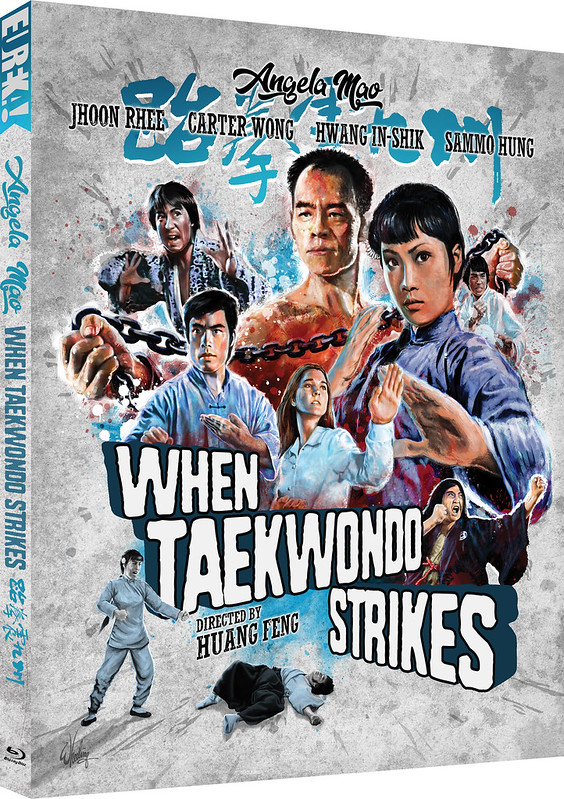
 Director: Huang Feng
Screenplay: Huang Feng
Starring: Angela Mao Ying, Jhoon Rhee, Carter Wong, Sammo Hung, In-shik Hwang, Chin Yuet-Sang, Kim Ki-ju, Ken Kazama, Andre Morgan
Country: Hong Kong, South Korea
Running Time: 95 min
Year: 1973
BBFC Certificate: TBC
Back in 2022, Eureka released an excellent boxset containing Lady Whirlwind and Hapkido, two films starring the inimitable Angela Mao. Both of the films were also directed by Huang Feng, who claimed to have ‘discovered’ Mao, and both feature relatively early acting roles and action choreography from the great Sammo Hung.
Well, Eureka are now releasing When Taekwondo Strikes on Blu-ray, a film that could have easily joined those titles in the boxset, seeing Mao, Huang and Sammo collaborating once more in another action-packed martial arts classic. I couldn’t resist more of Mao kicking arse, so got hold of a screener.
When Taekwondo Strikes begins with Korean nationalist Jin Zheng Zhi (Carter Wong) getting into a fight with some Japanese thugs. He hides in a nearby church but his pursuers follow him. A priest, Father Lewis (Andre Morgan), attempts to send the Japanese away, for causing trouble in a house of God, but they’re having none of it. When Lewis’ niece, Mary (Anne Winton) and a man who claims to be Lewis’ gardener (Jhoon Rhee) both help fight the Japanese men off, it causes them and the church further problems.
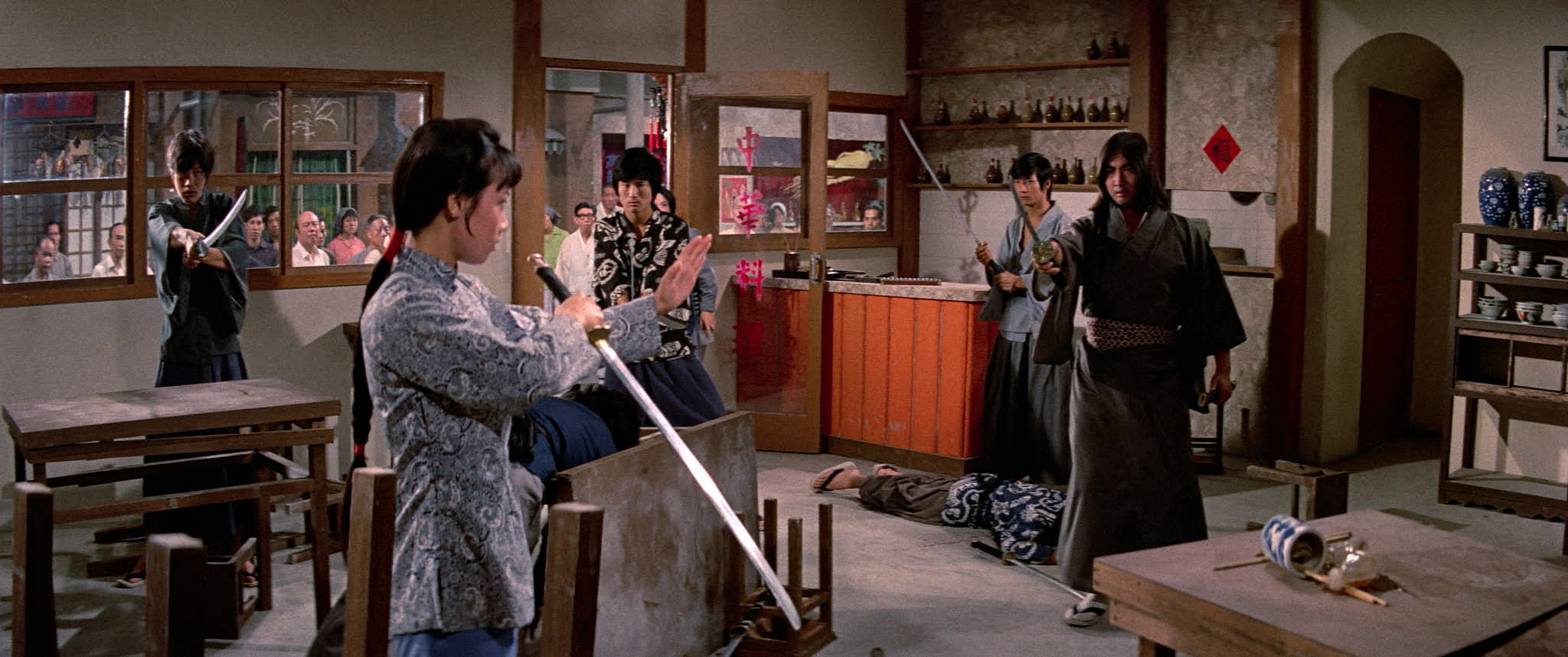
Firstly, Father Lewis is kidnapped and tortured. The gardener, who turns out to be the Korean revolutionary and taekwondo master Li Jun Dong, wants to take the priest’s place but his honourable action ends up getting Father Lewis killed and himself held captive and tortured.
Jin, Mary and Huang Li Chen (Mao), a Chinese hapkido expert who sympathises with the Korean cause, must figure out a way of saving their master and restoring justice for their people.
This is a very similar film to Hapkido, with its Fist of Fury-inspired anti-Japanese stance fueling the drama, on top of showcasing a Korean martial art with a true master of the form effectively playing himself (Jhoon Rhee, in this case), albeit in a fictional guise and setting. As such, I found the film rather generic and thought it took its flimsy story too seriously.
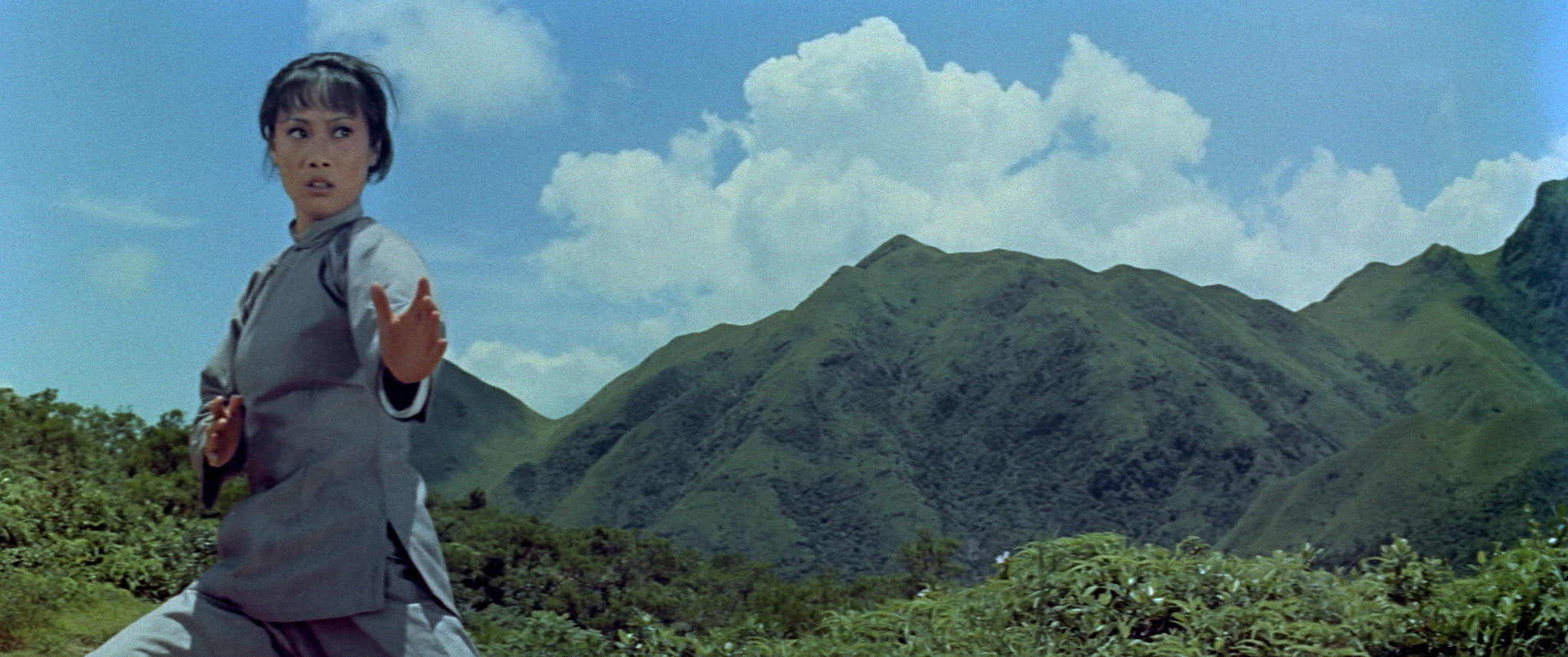
This was most notable in the first 15 minutes, which I found a little bland and clunky. However, as soon as Angela Mao shows up, everything moves up a gear. Not only is her fighting fierce and thrilling, but she also has a charisma and intensity largely delivered through her piercing gaze.
She’s not the only female fighter in the film though, which is a nice touch. American actress and martial artist Anne Winton (who was a student of Rhee in reality) has a sizable supporting role and gets to show her taekwondo skills. What’s particularly refreshing is that neither character is made to be a love interest for any of the men and no comments are ever made about them being lesser fighters because they are women. They’re simply other martial arts experts who get to clash with everyone else, no questions asked, no fuss made.
However, whilst the appearance of Winton as a female fighting star is welcome and groundbreaking (she was the first caucasian female martial artist to star in a Hong Kong production), I was less than enamoured by her performance. She’s not a terrible actress but she doesn’t hold a candle to Mao in terms of charisma. Also, whilst clearly skilled in taekwondo, her fighting is a little less graceful and visually appealing as that of the more experienced martial arts stars on screen. She looks to have had enough talent to go on to better things in the future. Sadly, however, her life was cut tragically short when her husband murdered both her and her five-year-old son in 1982. She did star in one other film, Bruce Lee: A Dragon Story, but that was all.
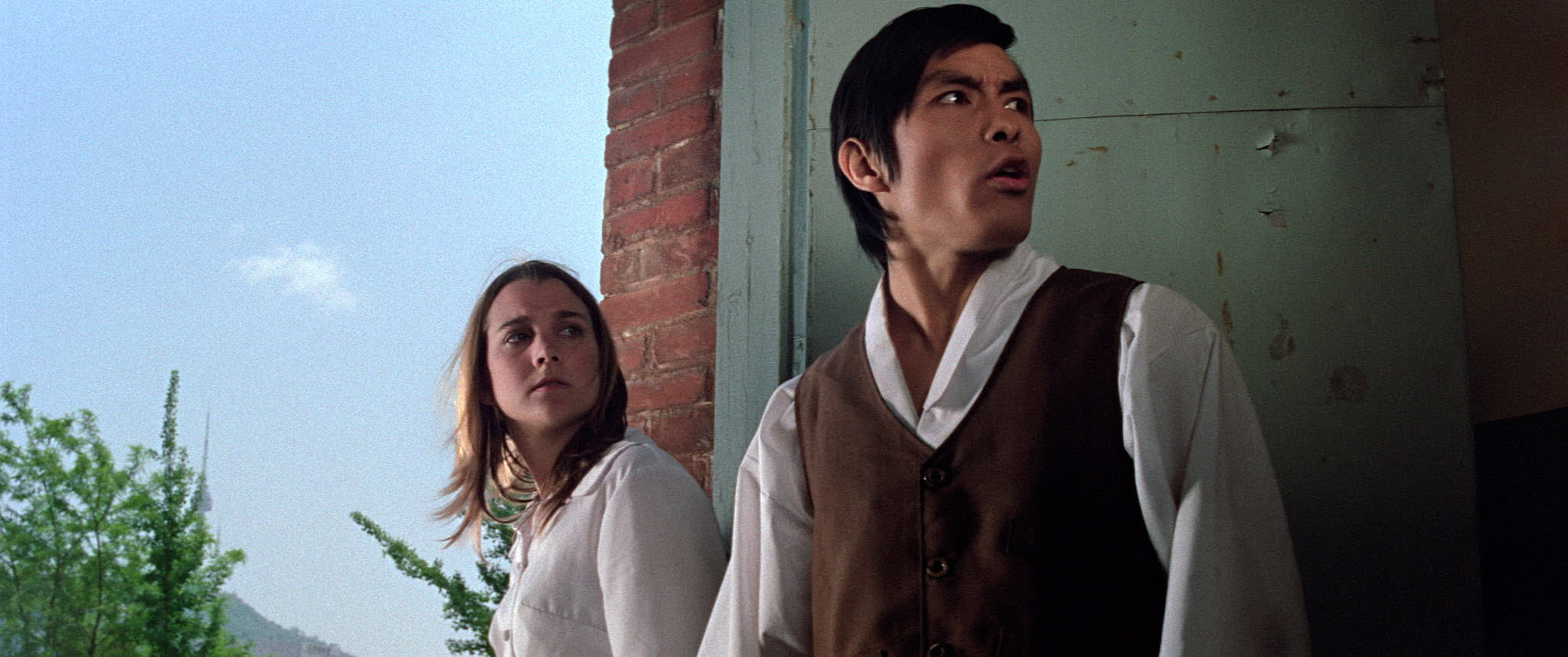
Coming off worse on screen, however, is Golden Harvest producer Andre Morgan, who plays Father Lewis. He’s pretty terrible and the second half of the film fared better after he’d gone.
On top of Mao and the highly skilled Rhee, you’ve got the great Sammo Hung making up for any weaker links in the cast though. On top of featuring as one of the stand-out villains in the film, Sammo worked as one of the action choreographers. He does a great job too, particularly in a fight he has with Mao in the middle of the film and in helping put together the intense, high-impact final brawl.
So, whilst a little clunky and po-faced in places, not helped by a couple of weak performances, the numerous fights scenes and the ever-dependable Angela Mao and Sammo Hung make up for it. Old-school martial arts movie fans will have a blast.
Film: 


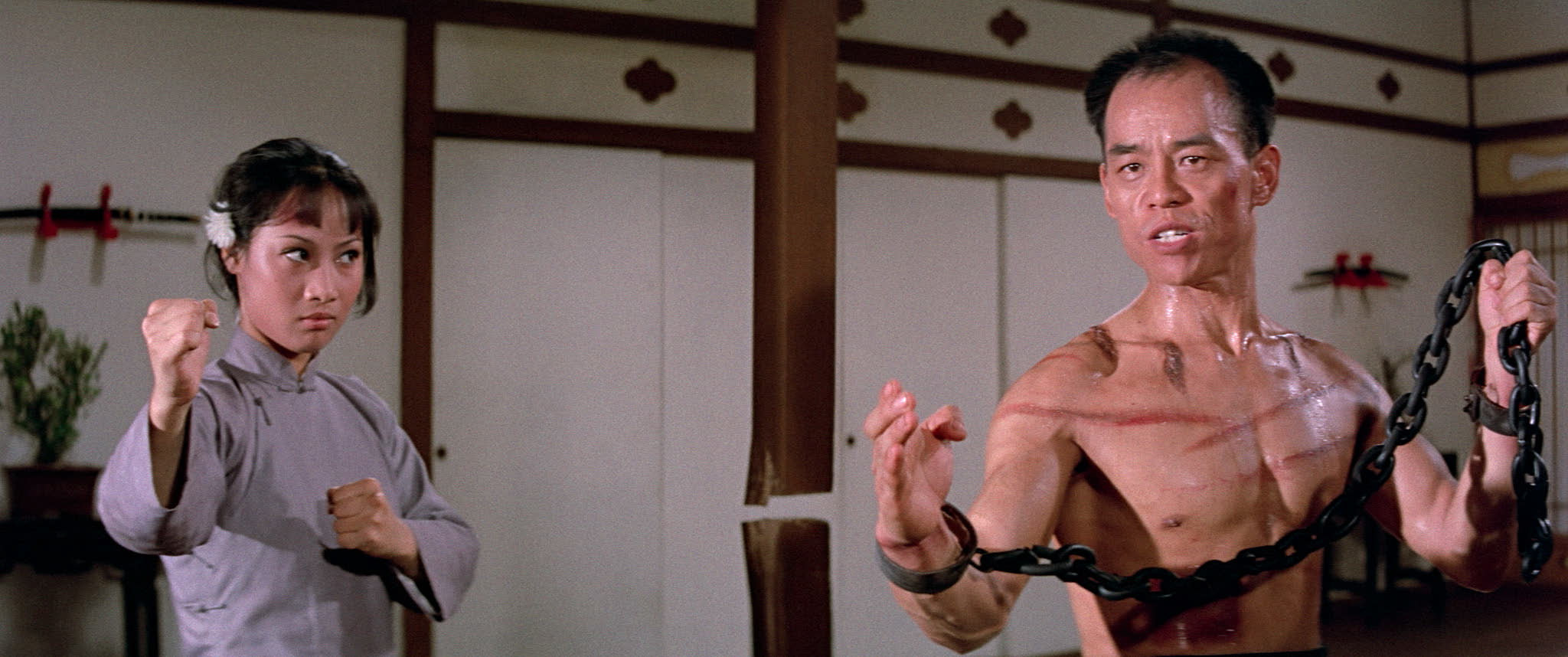
When Taekwondo Strikes is out on 22nd January on Blu-Ray in the UK, released by Eureka as part of their Eureka Classics series. It looks lovely, with pleasingly rich colours and a clean image. You get a choice of both the original Mandarin and two different English audio tracks. See below for more details. I watched in Mandarin and had no issues with the audio, other than the usual technical limitations of the time and place.
LIMITED EDITION SPECIAL FEATURES
– Limited Edition O-Card slipcase featuring new artwork by Darren Wheeling [2000 copies]
– 1080p HD presentation on Blu-ray of the original Hong Kong theatrical cut from a brand new 2K restoration
– Original Mandarin mono audio
– “Classic” English dubbed mono audio
– Optional alternate English audio track with different music cues
– Optional English Subtitles, newly translated for this release
– Brand new feature length audio commentary by film historian and author Samm Deighan
– The Best of the Martial Arts Films (1990, dir. Sandra Weintraub. 91 mins) – feature-length documentary presented by John Saxon
– Trailers
– A Limited Edition collector’s booklet featuring new writing by James Oliver [2000 copies]
As much as I love the usual Hong Kong movie commentaries we get from Frank Djeng and the duo of Mike Leeder and Arne Venema, I was delighted to see Samm Deighan provide a commentary track here for a change. She’s delivered some fantastic tracks over the years (including one for Lady Whirlwind) and this doesn’t disappoint. Deighan covers the backgrounds of all the key players in front of and behind the camera, as well as discussing the political context behind the film’s story.
Perhaps the best treat on the disc though is the feature-length documentary ‘The Best of the Martial Arts Films’. John Saxon narrates, telling the story of the Hong Kong martial arts movie boom, starting with Bruce Lee’s The Big Boss. The documentary is basically an excuse to showcase hundreds of clips from Golden Harvest’s films but that works for me. You get some interviews with the major players too, so it’s a must-watch for fans of martial arts movies. It’s also a good primer for newcomers to the genre.
There’s also a 20-minute interview with Billy Chan. He talks about the differences between working for Shaw Brothers and Golden Harvest, as well as what working with a Korean martial art was like and why Golden Harvest often did so. He’s also asked about his experiences working with Mao and the rest of the cast and crew, as well as general questions about how martial arts movies were made back then in Hong Kong.
I haven’t received the booklet to comment on that.
So, Eureka have treated another martial arts classic with the respect it deserves and this time lavished it with plenty of fresh and fun new extra features. Fans of the genre should jump on it.
Disc/Package: