


 Films: Dans la nuit (1930), La nuit fantastique (1942), Le diable souffle (1947), Le Golem (1967), The Woman with Red Boots (1974), Three Lives and Only One Death (1996)
Directors: Charles Vanel, Marcel L’Herbier, Edmond T. Gréville, Jean Kerchbron, Juan Luis Buñuel, Raúl Ruiz
Country: France
BBFC Certificate: TBC
Blu-ray label Radiance Films have put together a lovingly crafted boxset with ‘Fantastique: The Dreams and Nightmares of French Cinema’.
The ‘fantastique’ genre treads the line between realism and fantasy, forming a magical realism aiming to create a feeling of uncertainty in the viewer. As Radiance puts it, these films look to portray the “magical and the surreal lurking in the ordinary,” showing characters dealing with “uncanny dreams, fleeting visions, or eerie apparitions”. The viewer is left to question what is really going on.

This boxset comes with six French films spanning seven decades, from the end of the silent era, in 1929, through Nazi-occupied France in the 40s, all the way to the late 90s. All the films come from 4K restorations, with the exception of the final film Three Lives and Only One Death (1996) which comes from a 2K restoration. Each features an uncompressed mono/stereo PCM audio track.
Packaged on six separate discs, each film comes with a range of special features. These include three commentary tracks, numerous interviews, including a 53-minute documentary, and newly improved English subtitles tracks for each film. Below, I’ll jot down my thoughts on each picture along with the associated special features which I’ll include in bold.
Dans la nuit (1929)
Director: Charles Vanel
Screenplay: Charles Vanel
Starring: Charles Vanel, Sandra Milovanoff, Christiane Tourneur
Running Time: 75 minutes
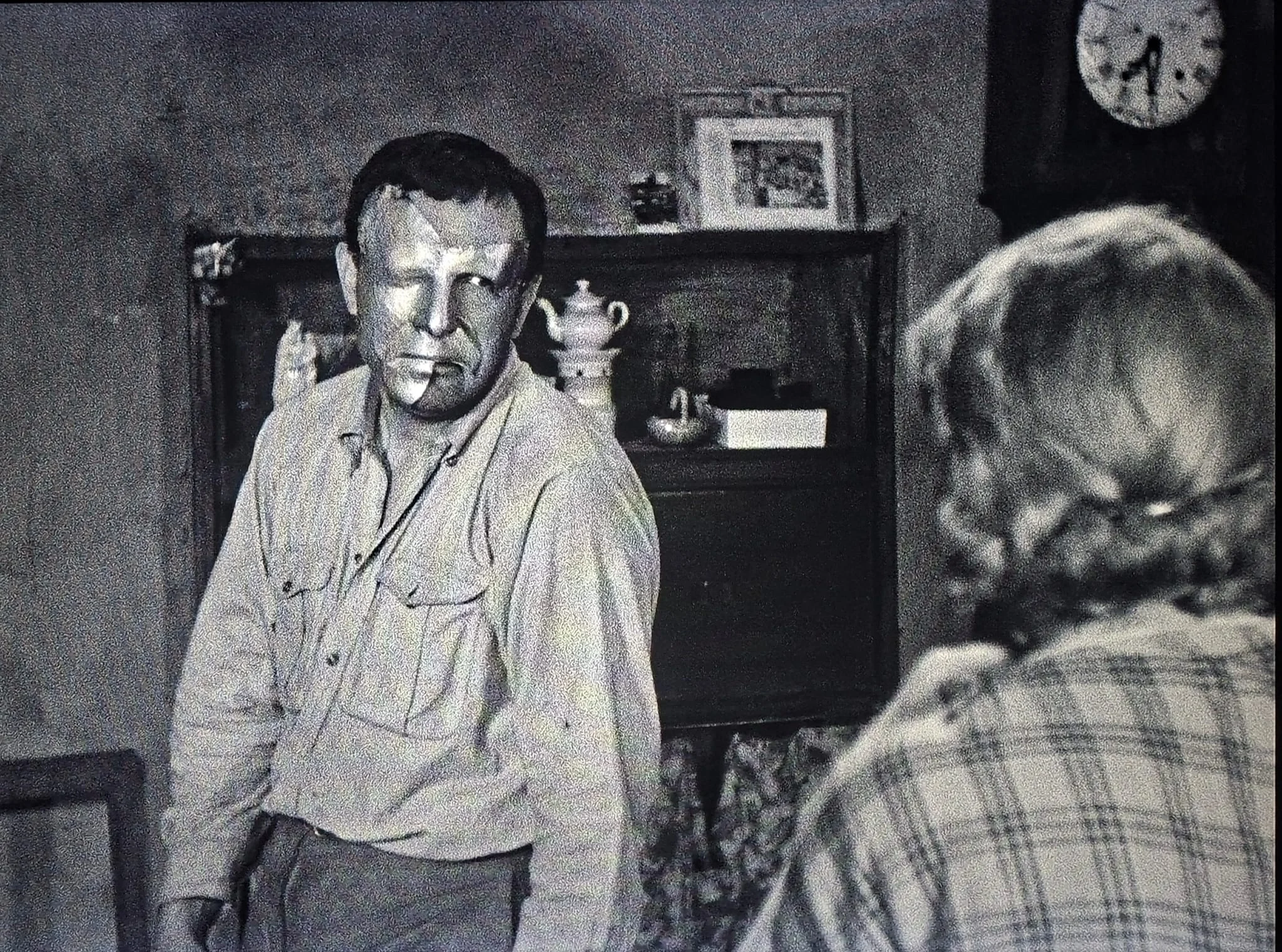
The black and white photography across these first four films is absolutely stunning. Kicking off the set was eery drama Dans la nuit (1929) directed by and starring legendary actor Charles Vanel. Thought to be the last silent French film, it bounds onto the screen with an energetic and fast-paced score which uses the clarinet and accordion to raucous and eery perfection.
It begins with documentary-style footage, and the storyline really gets going about 40 minutes in. It’s about a miner who gets disfigured much to the horror of his wife who is thoroughly creeped out. The storytelling is masterful and mostly visual with hardly any intertitles used. Leads Vanel and Sandra Milovanoff were really convincing. It didn’t feel overacted, unlike plenty of silent films. Really well directed and some haunting shots.

- New introduction to Dans la nuit by Institut Lumière director Thierry Frémaux
- New commentary on Dans la nuit by film historian Pamela Hutchinson
In the video intro, Frémaux speaks incisively about the film, looking at parallels with other great actors turned directors for only one feature film and tells the story behind the movie and its unfortunate release date.
Insightful commentary. Hutchinson details the duality in the contrasting ‘worlds’ portrayed within the film, from industrial to pastoral. She speaks about the jarring ending and gives background on Vanel and his cast and crew.
La nuit fantastique (1942)
Director: Marcel L’Herbier
Screenplay: Louis Chavance, Maurice Henry, Henri Jeanson
Starring: Fernand Gravey, Micheline Presle, Saturnin Fabre, Bernard Blier
Running Time: 103 minutes
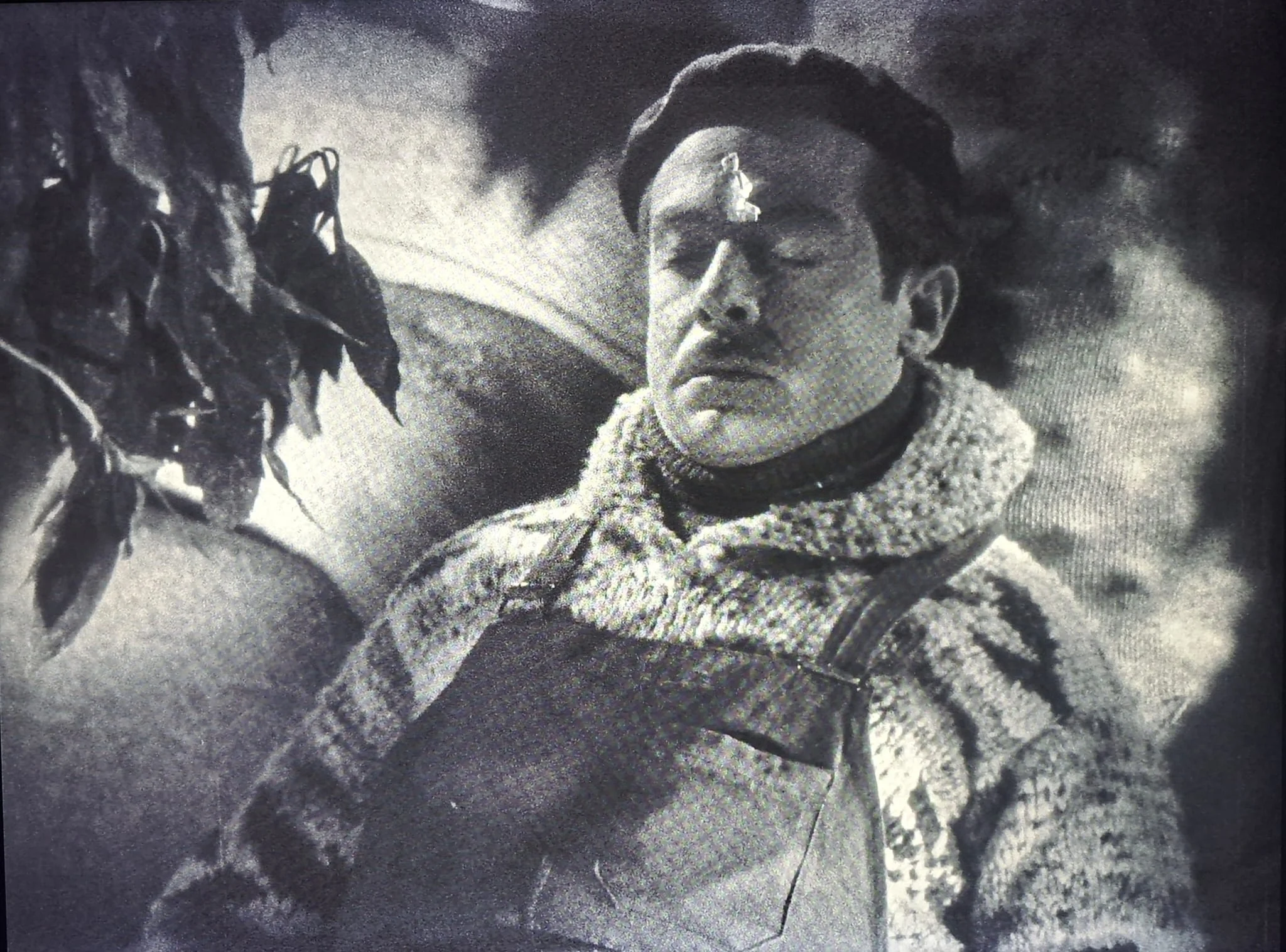
La nuit fantastique (1942) opens with some beautifully shot imagery. It invites us into the dream world, using techniques that now feel very Lynchian. There were scenes that felt eerily similar to Twin Peaks and Mulholland Drive with the use of reverse soundtrack for dialogue, some exquisitely unnerving performances and beautiful special effects.
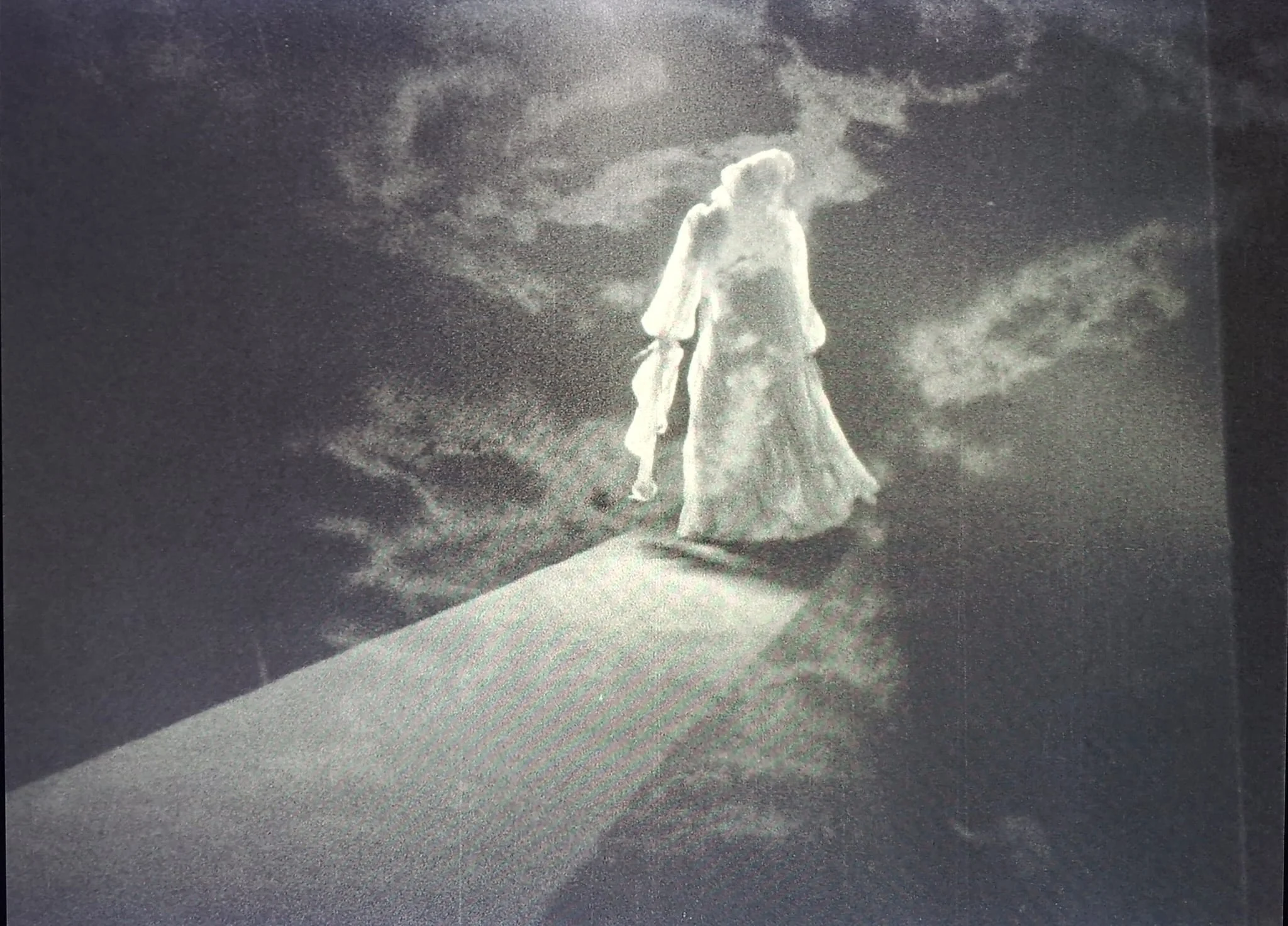
It follows a philosophy student and market worker called Denis who chases after a woman he sees in his dreams. It has a comic tone with a great lead Fernand Gravey who looks a dead-ringer for William Powell. Made in Nazi-occupied France, it’s thought to have some allegorical resistance messaging – but this has been disputed. It’s gloriously whacky and has a villain who is actually an evil magician.

- New interview with French cinema expert Ginette Vincendeau on La Nuit fantastique and French cinema under the Occupation
- Archival TV interview with director Marcel L’Herbier on La Nuit fantastique
Vincendeau speaks in depth about the occupation, the Nazi influence on films, films with allegorical resistance messages and provides analysis of the film.
The L’Herbier interview was a gem of an addition. He speaks about the realities of working as a director under the nazis and how, ironically, it was more freeing at the time as they were less concerned about profits.
Le Diable souffle (1947)

Director: Edmond T. Gréville
Screenplay: Edmond T. Gréville, Max Joly, Jean Josipovici
Starring: Charles Vanel, Jean Chevrier, Héléna Bossis, Margo Lion
Running Time: 95 minutes
Le Diable souffle (1947) was an atmospheric gothic drama about a crime-drenched love triangle on an isolated island between France and Spain. An ever-reliable Charles Vanel takes in a femme fatale beauty to his private island, she doesn’t quite fit in and there’s a growing sense of unease and isolation which are not helped with the arrival of an escaped political prisoner.
Héléna Bossis is dazzling as the film’s lead. Vanel was sublime. Fog and mist were in fine supply, swirling around the island. There was a scary foreboding atmosphere that reminded me of Lillian Gish picture The Wind (1928). There was a great minor performance from Vanel’s bigoted housekeeper.

- New commentary for Le Diable souffle by film critics Elena and Manuela Lazic
- New interview on Le Diable souffle and director Edmond T. Gréville with film critic David Thompson
Nice that the audio commentary came from a pair of sisters. Plus, they gave a quirky intro. They speak in detail about the life of Vanel, extensively about ‘fantastique’ as a genre and parallels between American and French cinema. They also provide analysis on shots and motifs throughout the movie. Interesting to learn the heavy flooding in the film was real.

Thompson gives background on director Gréville and his elusive under-appreciated body of work. He was a dual French and English national who also had an output of British films. Thompson speaks about the director’s involvement in various surrealist artforms. He also reveals a weird fact about his death.
The Golem (1967)
Director: Jean Kerchbron
Screenplay: Jean Kerchbron, Louis Pauwels
Starring: André Reybaz, Georges Douking, François Vibert, Magali Noël, Marika Green
Running Time: 115 minutes
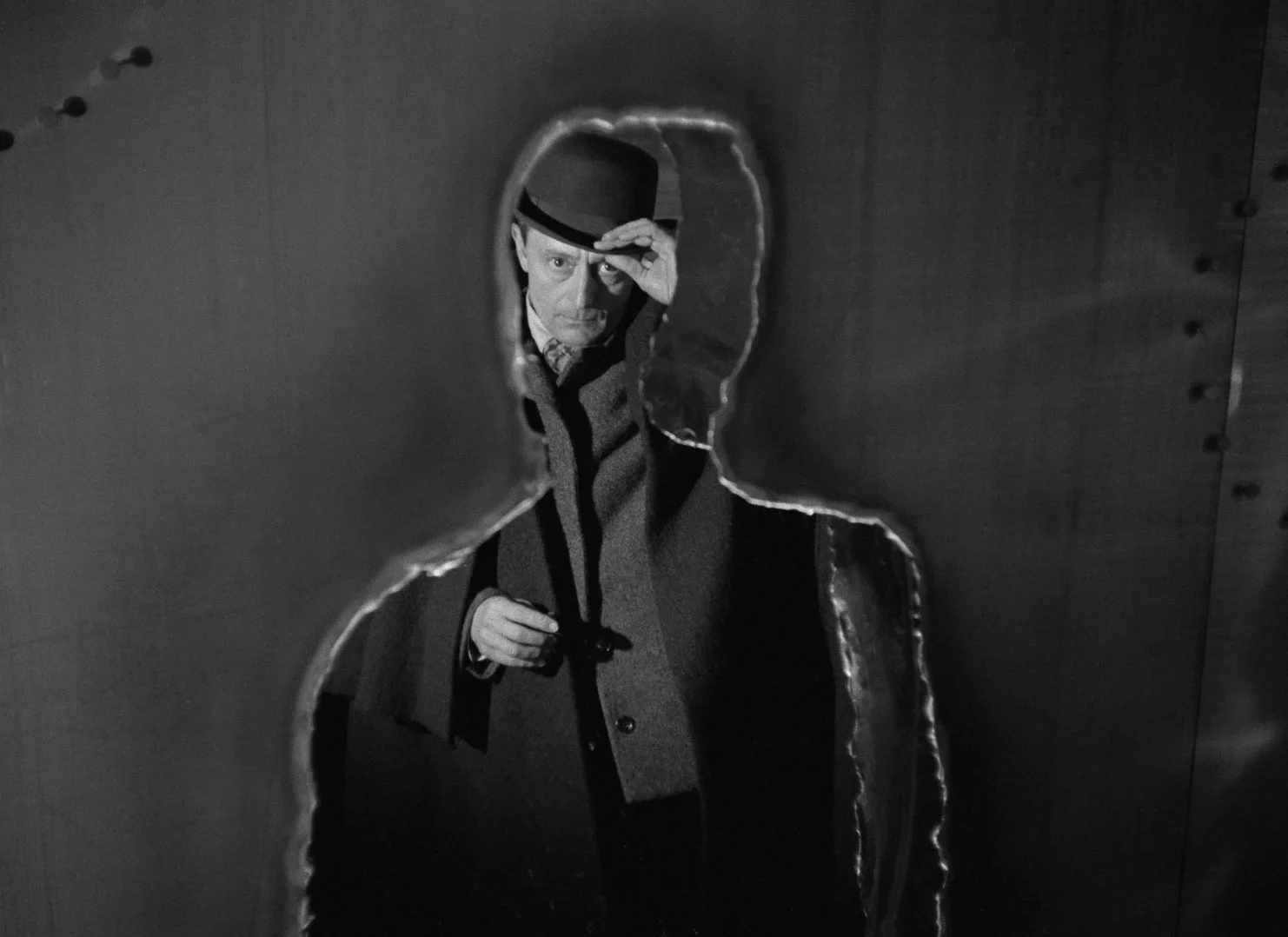
The Golem was visually spectacular. So many shots look like an Edvard Munch painting. So beautiful. It’s a faithful TV-adaption of the famous early 20th Century Gustav Meyrink novel, unlike the more famous silent film which just used the title. We follow a jewel cutter in a Prague ghetto who seems to be psychologically unravelling as rumours of a sinister mystical creature arriving surface.

With a focus on Jewish mysticism, the nightmarish plot unravels, as we travel through time and switch between different scenarios. There was a lot introspection, as the character goes though psychological torment and increasingly disassociates from himself. There’s a lot to untangle but it seemed prescient in its messaging in some instances. It reminded me of The Trial by Franz Kafka, a contemporary of Myrink’s. Both books were written at similar times.

- New interview with Kim Newman on The Golem and Gustav Meyrink’s novel
- Archival TV introduction to The Golem by journalist and writer Louis Pauwels
The ever-reliable Newman delivers fantastic insights. He speaks about Meyrink’s fascinating life and autobiographical elements in the story. He also speaks about how fantasy authors were prescient in their writings, even more so than straight novelists.

Pauwels poses deep unanswerable questions about the story, and commenting on themes in TV-movie, he questions whether extrinsic or intrinsic forces have a greater influence on the human psyche.
The Woman with Red Boots (1974)
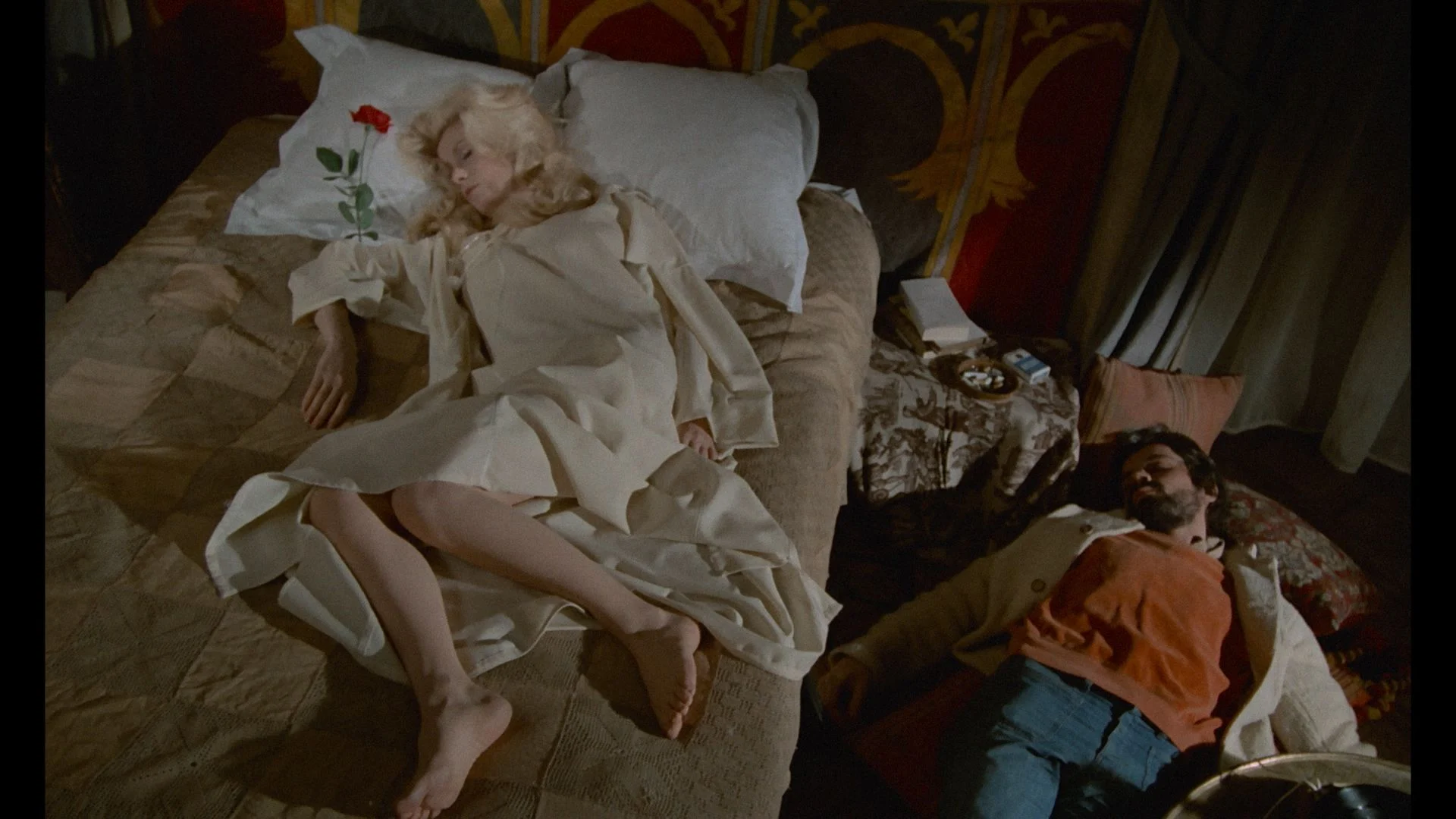
Director: Juan Luis Buñuel
Screenplay: Juan Luis Buñuel, Jean-Claude Carrière, Pierre-Jean Maintigneux, Clement Biddle Wood
Starring: Catherine Deneuve, Fernando Rey, Adalberto Maria Merli, Jacques Weber
Running Time: 95 minutes
I felt like this was by far the weakest film in the pack. Erotic in nature, the tone of this film reminded me of a low-rate giallo. We follow author Françoise (Catherine Deneuv), who has subtle magical powers. She is commissioned by a creepy ultra-wealthy man to work from his expansive country home. He also ropes in a pair of young men, and it seems as if he’s attempting to either spark some sort of magical event or a ménage à trois. One of the young men has been receiving strange letters with bars of soap.
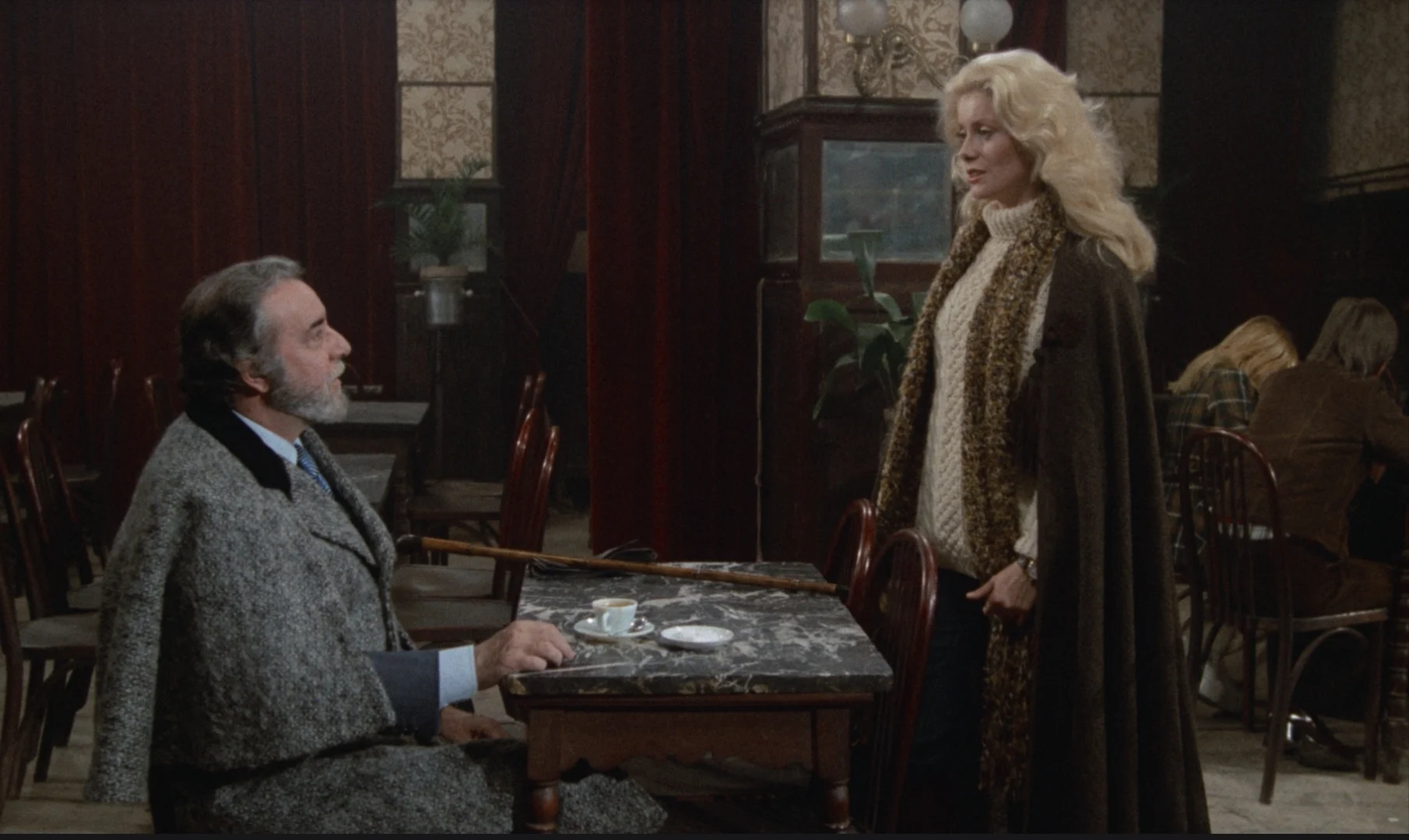
I appreciated how quirky the story was but it felt quite stale at times with plenty of stationary scenes with people either standing or sitting in a room. It just seemed cheaply made with little depth.
Nevertheless, it was a good showcase for ‘le fantastique’ with some great magical moments. This also came with English and Italian dubbed language options. The English dub was fairly out of sync but had decent performances.

- New interview with fashion expert Matteo Augello on The Woman with Red Boots
- New visual essay on The Woman with Red Boots by critic and author Samm Deighan
- Archival interview with Catherine Deneuve on The Woman with Red Boots
Augello analysis the unexpected elements of costume design, looking at key items, notably at how the colour of red is used. Less dry than I was expecting.
Deighan delves into topics such as ‘fantastique’ as a genre and female sexuality. He speaks of the genre’s origins from fairytales and how it evolved in cinema, looking at key pioneering filmmakers. He then analyses the film’s fantastique elements.
Lead actress Deneuve speaks about what she loved about the project and what attracted her to the script, and compares working with the film’s director Juan Luis Buñuel and his far more famous father Luis.
Three Lives and Only One Death (1996)

Director: Raúl Ruiz
Screenplay: Raúl Ruiz, Pascal Bonitzer
Starring: Marcello Mastroianni, Anna Galiena, Marisa Paredes, Melvil Poupaud, Chiara Mastroianni, Arielle Dombasle
Running Time: 124 minutes
What a showstopper of a final movie. This dark satirical movie was released the year Marcello Mastroianni died. So, he’s looking very old and frail in this, but gives one hell of a performance as an evil wealthy schizophrenic who seems intent on causing mischief. We follow Mastroianni’s character who inhabits multiple personalities. He plays a man who awakens after spending one night in a mysterious apartment, only to find 20 years have passed by.
This films winds around lots of twists and turns in the narrative, so you’re constantly questioning the reality of the scenario. It also stars Mastroianni’s daughter Chiara who plays one half of a very annoying couple. Lots of funny black humour, and it has a great voice over narrator adding intrigue to the plot. There’s also lots of great practical special effects on show. It’s a shame it didn’t have a 4K option as there are some really magical moments and masterfully crafted shots.

- New commentary on Three Lives and Only One Death by Adrian Martin
- Archival TV interview with Marcello and Chiara Mastroianni on Three Lives and Only One Death
- New documentary on the French cinéma fantastique then and now, featuring directors Lucile Hadžihalilović, Bertrand Mandico, Yann Gonzalez, and more to be confirmed
- Limited edition 120-page book featuring new writing by Virginie Sélavy and David Cairns, as well as archival writing by Tzvetan Todorov, André Bazin, Henri Alekan and more
Fantastic commentary. Martin is a ‘Ruizian’ expert and highlights recurring motifs from the director within the movie. He also delivers lots of great behind the scenes trinkets of information, including the conflicting reports of the film’s conception and author Nathaniel Hawthorne’s influence on the story. He also speaks about Ruiz’s motivation behind the project, how it was about evasion as a form of exile, and the film’s unrealised epilogue.
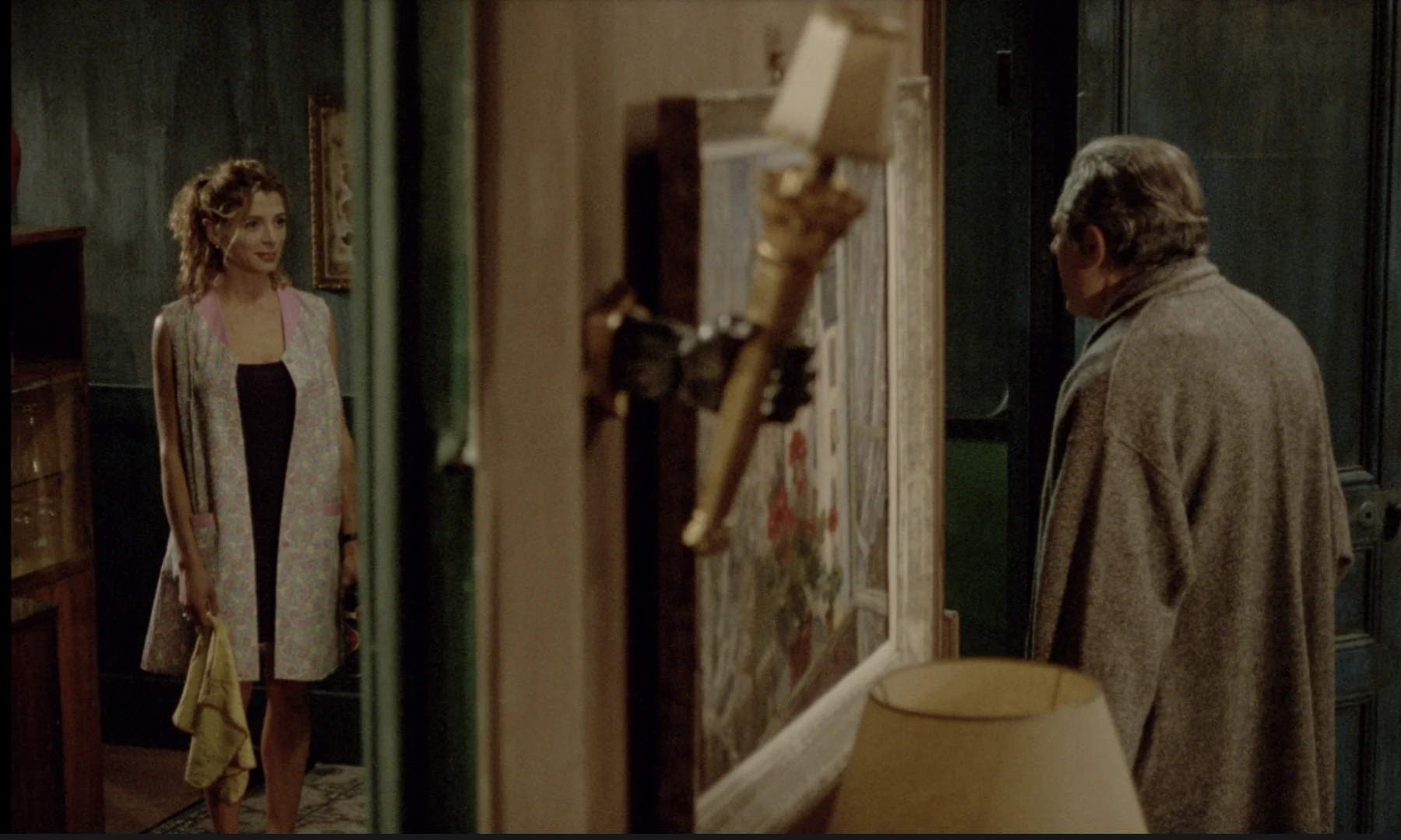
The interview with the Marcello and his daughter Mia provided great insight into their relationship. They’re both cringing to begin with at the questions about their relationship but they ease up as it goes along and Mastroianni senior gives his views on his daughter’s decision to follow in his footsteps. Then he speaks about his life in the industry and his daughter’s involvement. He comes across as very down to earth. Another gem of an inclusion.
The 53-minute documentary comprises of a combination of filmmaker interviews, clips and stills from various movies associated with fantastique. They give their take on the genre, what it means to them and their introduction to it. It serves as an effective book-end to an expansive boxset.

On a final note, I love the fact Radiance have decided to make a boxset inspired by a niche genre. I really hope the label continues with this approach and we see an eclectic mix of these kinds boxsets in the future.
Now, whenever I see something strange, or slightly peculiar, be it in the corner of my eye…I will think, ‘that was fantastique!’
Films:


Special Features:
Radiance is releasing Fantastique: The Dreams and Nightmares of French Cinema on 19 October, 2026.