


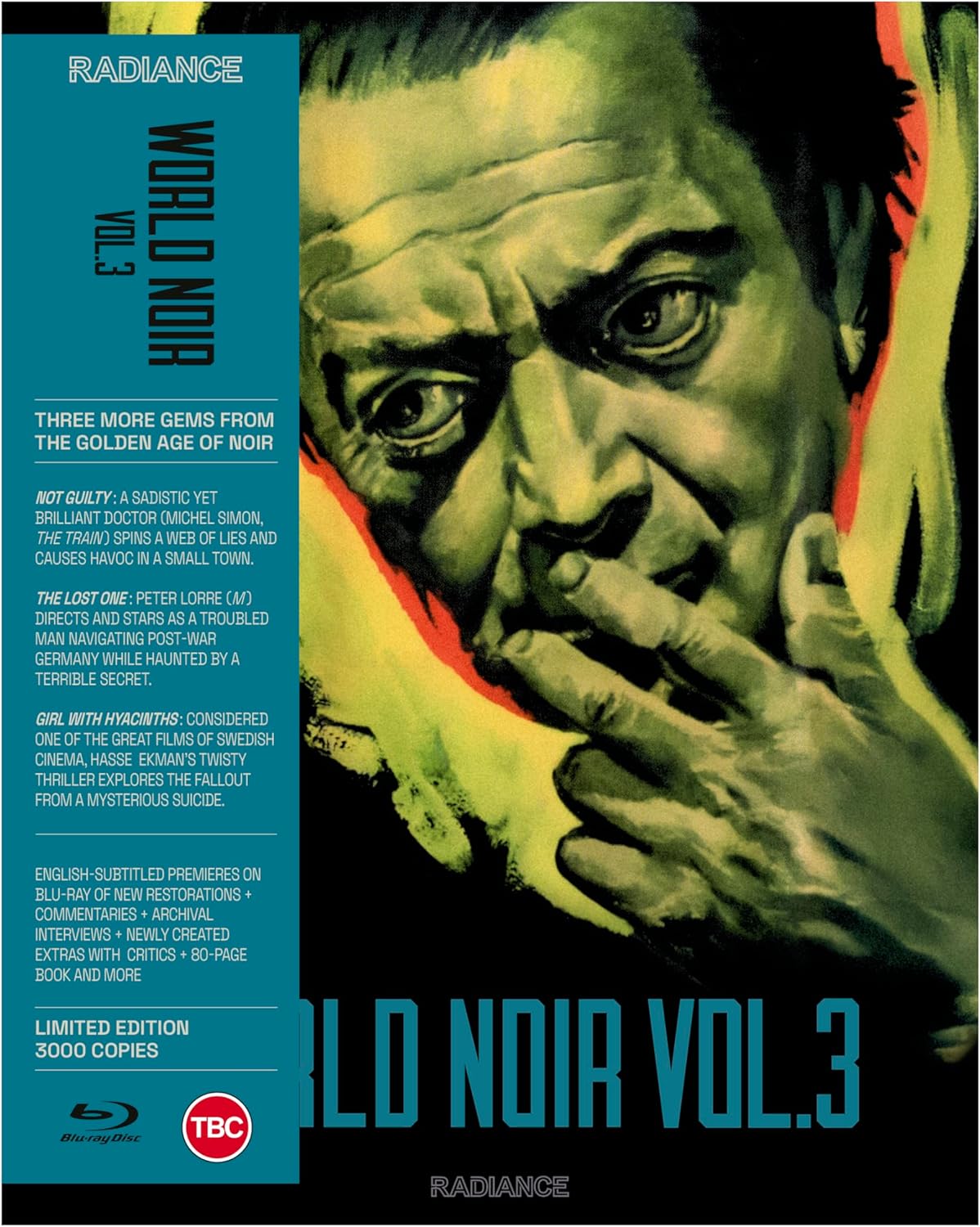
 Though I’m a self-proclaimed lover of all things noir and tend to enjoy celebrating the genre on the site, I’m yet to review any of Radiance Films’ World Noir series of boxsets (though Jon Meakin covered the first one). I bought the first two, because they interested me a great deal, but I didn’t have the time to give them the coverage they deserved. When Volume 3 was announced recently, I wanted to remedy this.
So, I got hold of a set of screeners and my thoughts follow.
World Noir Vol. 3 contains the following films:
– Not Guilty
– The Lost One
– Girl With Hyacinths
Not Guilty (a.k.a. Non coupable)
Director: Henri Decoin
Screenplay: Marc-Gilbert Sauvajon
Starring: Michel Simon, Jany Holt, Jean Wall, Georges Bréhat, Jean Debucourt, Henri Charrett, Robert Dalban
Country: France
Running Time: 99 min
Year: 1947
One night, in a drunken stupor, doctor Michel Ancelin (Michel Simon, Boudu Saved From Drowning, L’Atalante) causes a tragic road accident in a small countryside town. Thanks to his brilliant mind and medical know-how, he expertly covers his tracks. Relishing in his newfound self-confidence, Michel continues to weave a complex web of lies and cause havoc in the local community.
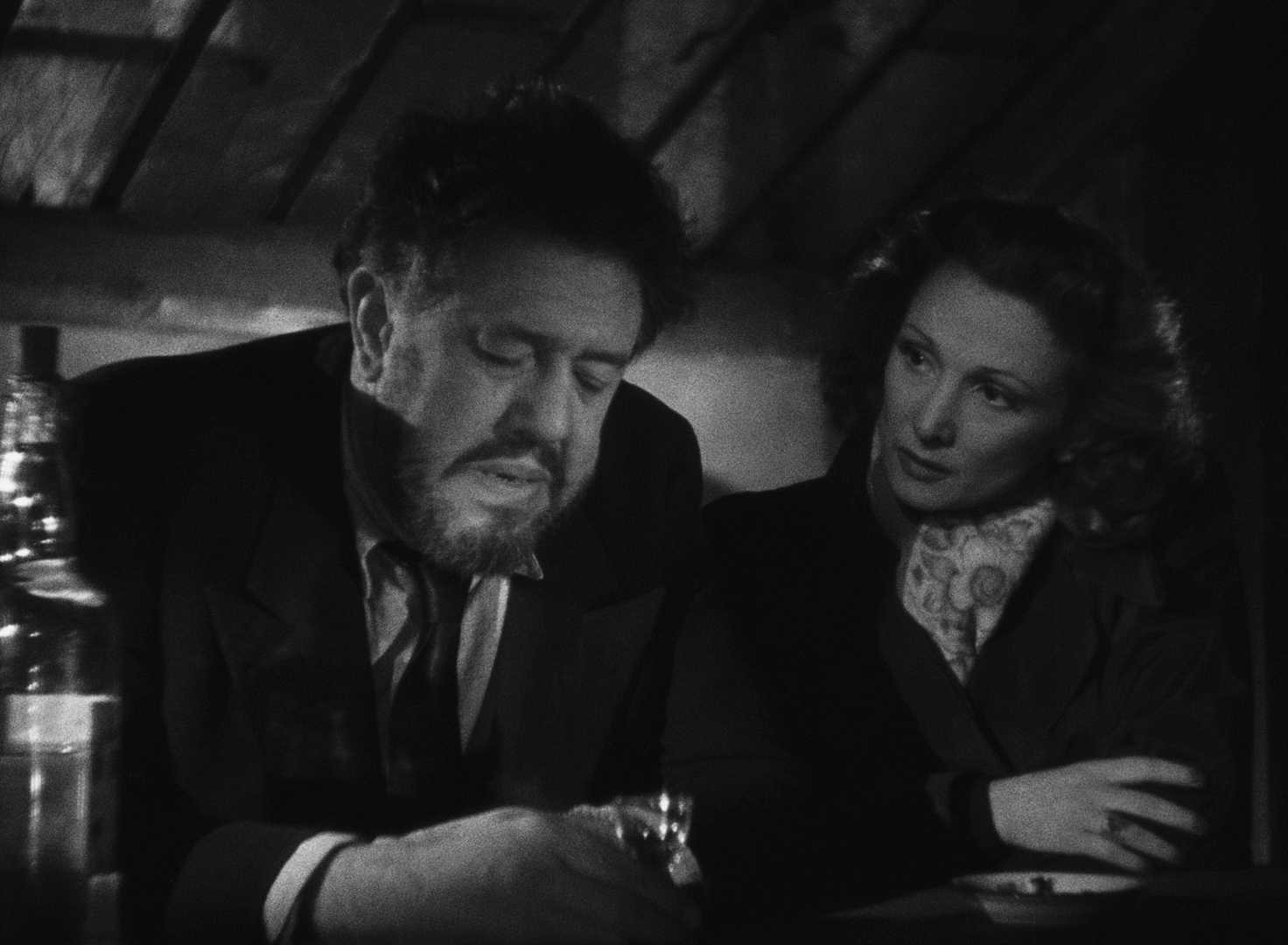
A number of the critics of the Cahiers du Cinéma considered Not Guilty director Henri Decoin to be part of the ‘cinema du papa’ (‘dad’s cinema’ – i.e. outdated films), so his work got pushed aside once the new wave directors grew in stature. Bertrand Tavernier was someone who stood up for the director in later years though, and, judging by Not Guilty, Decoin is certainly a director who deserves to be better recognised.
Not Guilty is a beautifully constructed film, with a story that plays out with precision without feeling forced. It all ends on a wonderfully ironic conclusion, which gives the villain what he deserves in a most unconventional and enjoyable fashion.
The film is not overly stylish but is subtly atmospheric and elegantly presented. It has the look of a film noir, in its occasionally low-key lighting, but doesn’t draw attention to itself, allowing the audience to get caught up in the story, rather than gazing at pretty images.
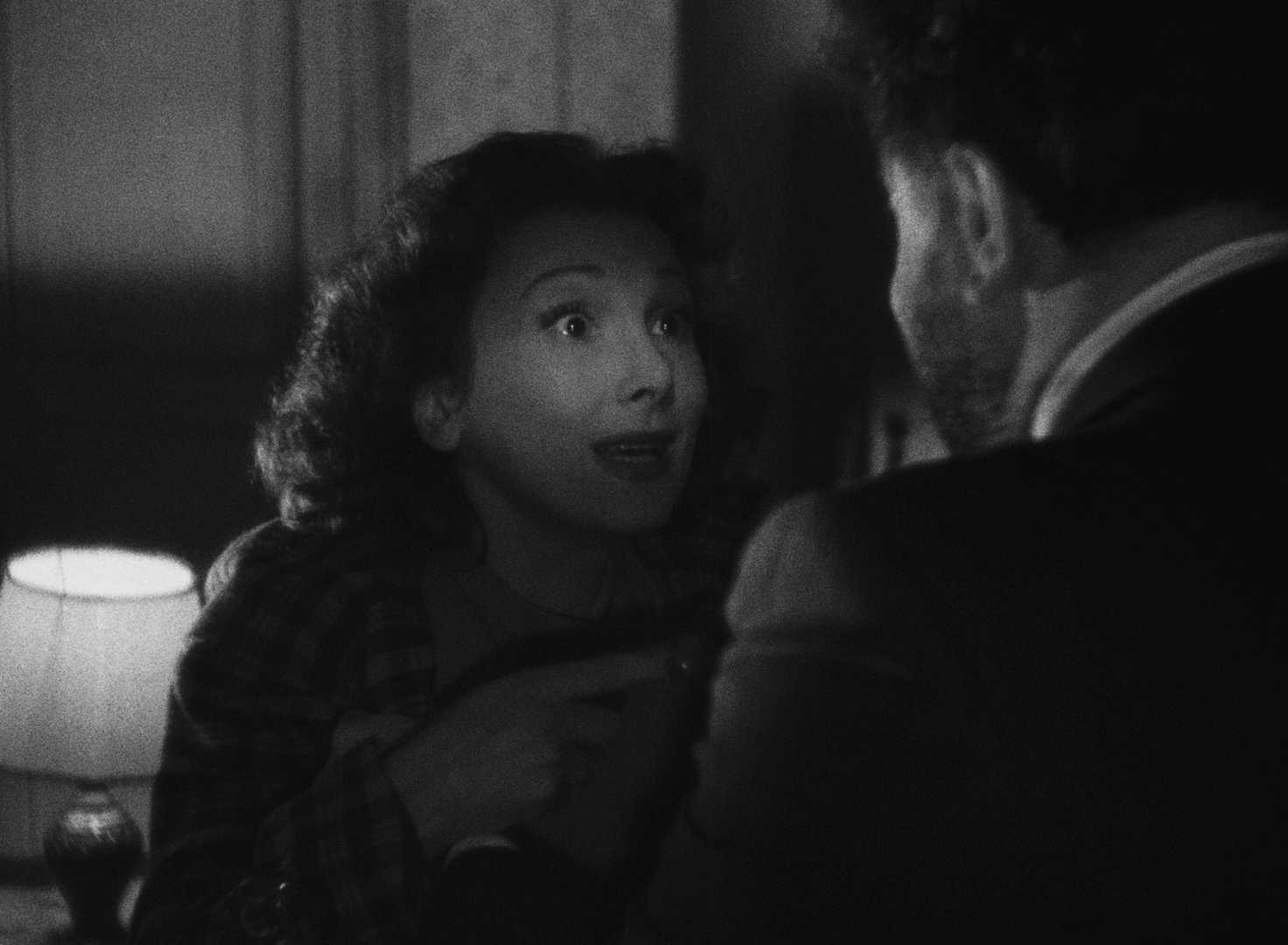
There’s a subtle vein of black humour running throughout the film too. This is most clearly demonstrated in the way the townsfolk show little emotional reaction after each murder. The only emotion we see is excitement from the young journalist who views each incident and the ensuing manhunt as a great way to further his career.
Overall, Not Guilty is a wickedly enjoyable and finely executed noir that’s easy to get caught up in.
Film: 

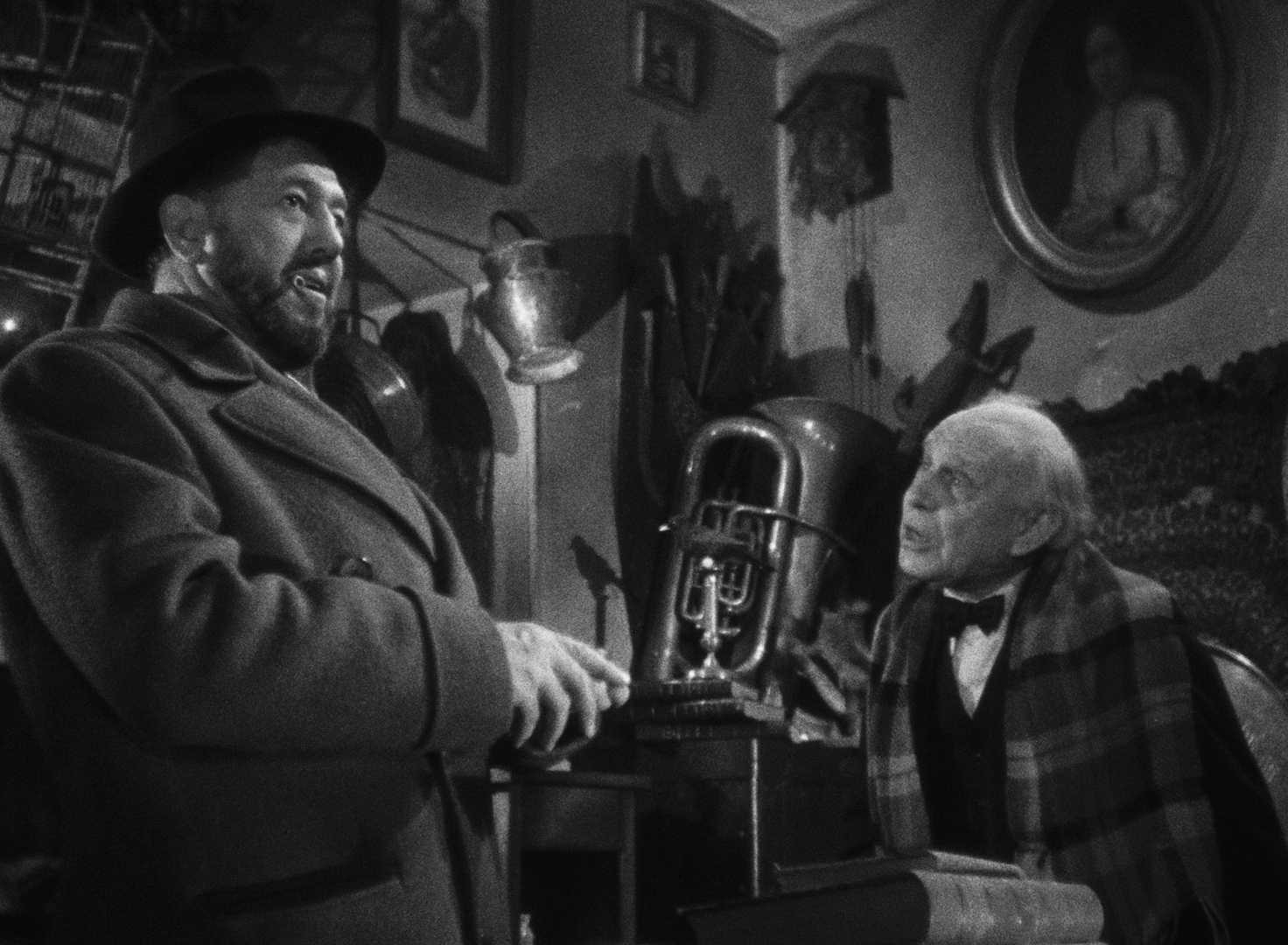
The Lost One (a.k.a. The Lost Man or Der Verlorene)
Director: Peter Lorre
Screenplay: Peter Lorre, Benno Vigny, Axel Eggebrecht
Starring: Peter Lorre, Karl John, Helmuth Rudolph, Johanna Hofer, Renate Mannhardt, Eva Ingeborg Scholz
Country: West Germany
Running Time: 99 min
Year: 1951
Working under an alias as a doctor for displaced persons, Dr. Karl Rothe (Peter Lorre, M, Casablanca) bumps into his former colleague Nowak (Karl John, The Devil’s General); both are keeping a low profile, having worked on secret scientific research for the then-Nazi government. Nowak is curious about what happened to Rothe in the intervening years and, that night, Rothe recounts how his fiancée Inge Hermann (Renate Mannhardt, The Great Temptation) sold secrets to the Allies.
The key selling point to The Lost One is the fact that it was the great actor Peter Lorre’s only film as writer and/or director. It performed poorly in its native Germany, both with critics and at the box office, and never had an official release in the UK. So it’s fantastic to have it available now.
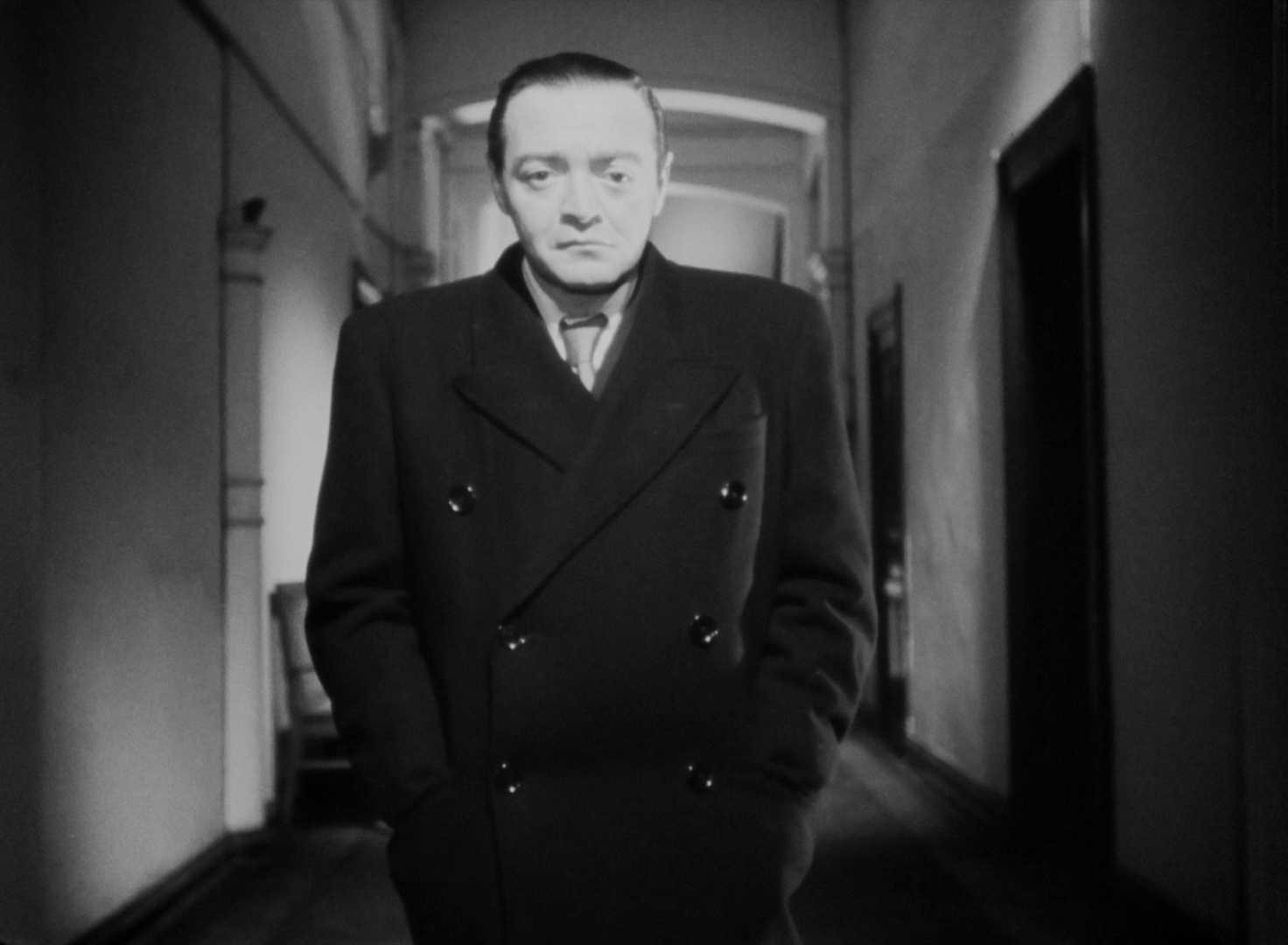
It’s a terribly bleak film that sees Lorre’s character struggling to fend off his homicidal urges. In subject matter then, it has a flavour of the actor’s breakout film M, but it takes quite a different approach to its serial killer character.
Lorre’s move back to Europe from Hollywood was partly to do with crippling debts and a morphine addiction, but it also came from a dissatisfaction with his work in the U.S., taking largely villainous or ‘character’ roles. This likely inspired his decision to write and direct himself as the lead here. Though you could argue he’s a villain again, this is a much richer, more complex character than he was usually given.
As director, Lorre also allows the scenes to breathe, allowing them to play out at a slower, more natural pace than most films of the time. Reportedly, Lorre wasn’t happy with the script (which he co-wrote with Benno Vigny and Axel Eggebrecht), so he encouraged some improvisation. Not everyone was happy with this, but it adds authenticity to the film. The approach means the pace is a little on the slow side, but it’s well worth sticking with it.
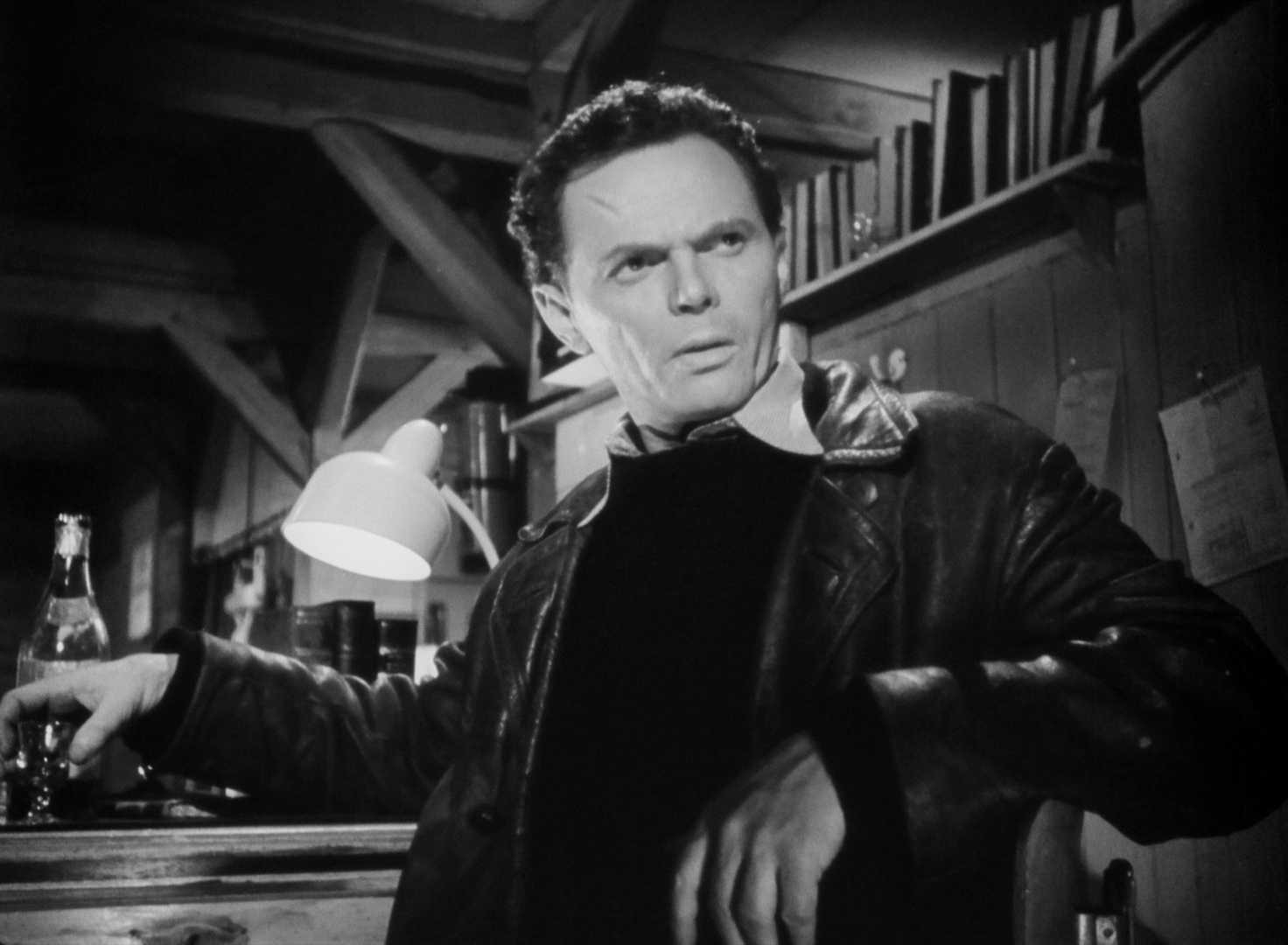
Lorre is excellent in the lead role, but one mustn’t ignore the rest of the cast. There are several enjoyably quirky characters in the film. The prostitute Rothe picks up one night and an annoying drunk on a train, for instance, both add texture and life to the grim tale.
Lorre wasn’t only good at directing performances though. There are a number of dialogue-heavy passages, but he also demonstrates some keen visual storytelling. The film looks gorgeous too, with some striking compositions in places.
So, whilst a little slow and undeniably bleak, The Lost One is a well-performed, impressively directed film. Like with Charles Laughton and Night of the Hunter, it’s a case of genius not being realised in their time, leading to a sadly cut-short directorial career.
Film:
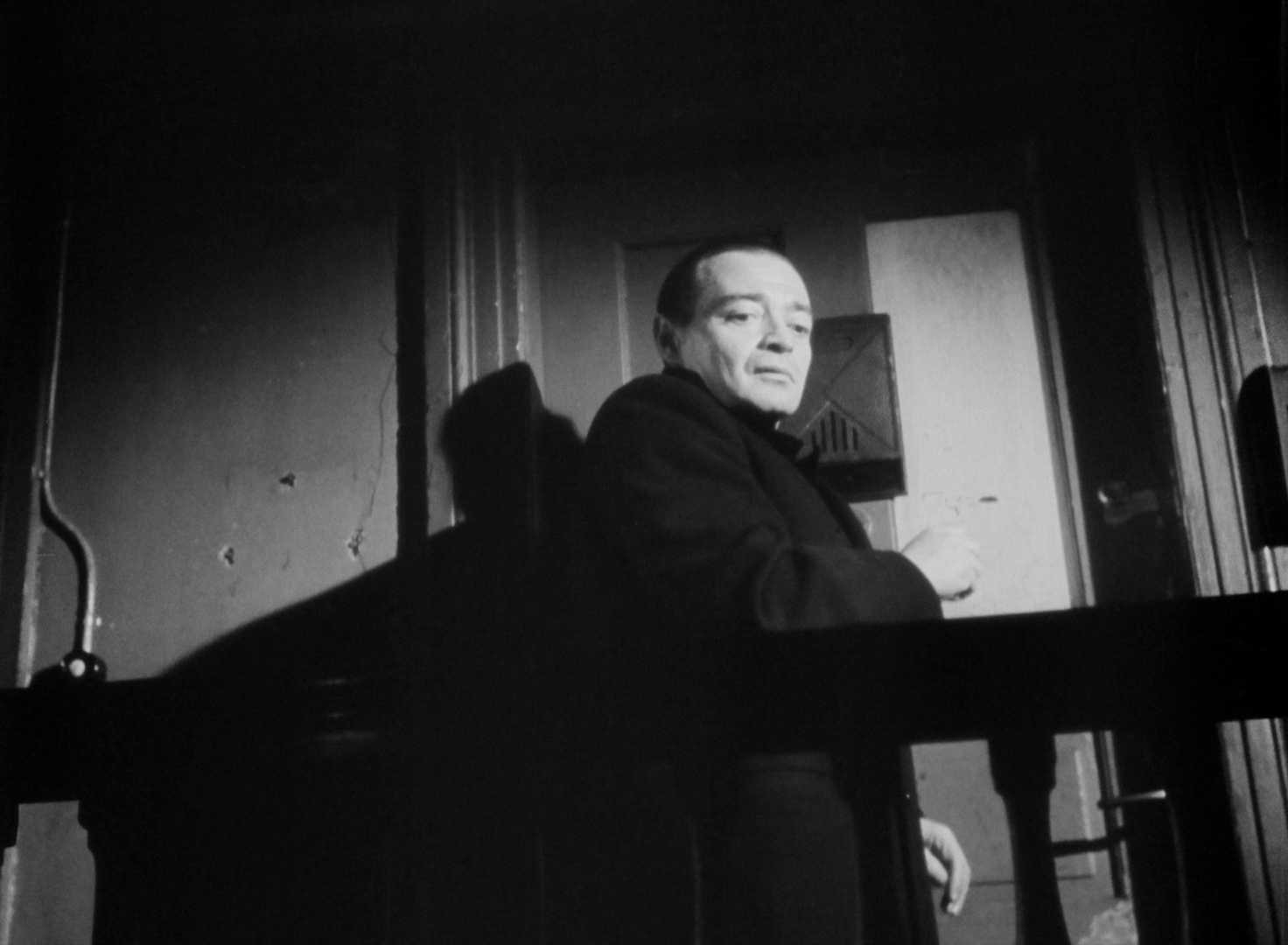
Girl With Hyacinths (a.k.a. Flicka och hyacinter)
Director: Hasse Ekman
Screenplay: Hasse Ekman
Starring: Eva Henning, Ulf Palme, Birgit Tengroth, Anders Ek, Gösta Cederlund, Karl-Arne Holmsten, Keve Hjelm
Country: Sweden
Running Time: 90 min
Year: 1950
As a wild party rages on, loner Dagmar Brink (Eva Henning) plays the piano. A reveller requests a specific song. She stops abruptly. The next morning, the housekeeper finds Dagmar’s body hanging from the ceiling. Hearing what has happened, a curious neighbour – writer Anders Wikner (Ulf Palme) – gets to work investigating what led to such an event.
Girl With Hyacinths was written and directed by Hasse Ekman, a Swedish actor and filmmaker who was part of a family of famous actors, most notably being the son of Gösta Ekman (senior). Hasse Ekman was a contemporary of Ingmar Bergam and the two had a sort of friendly rivalry for a time. Each respected the other’s work though, ultimately, with Ekman singing Bergman’s praises and the latter calling Girl With Hyacinths “a masterpiece”, claiming it to be one of the greatest Swedish films ever made.
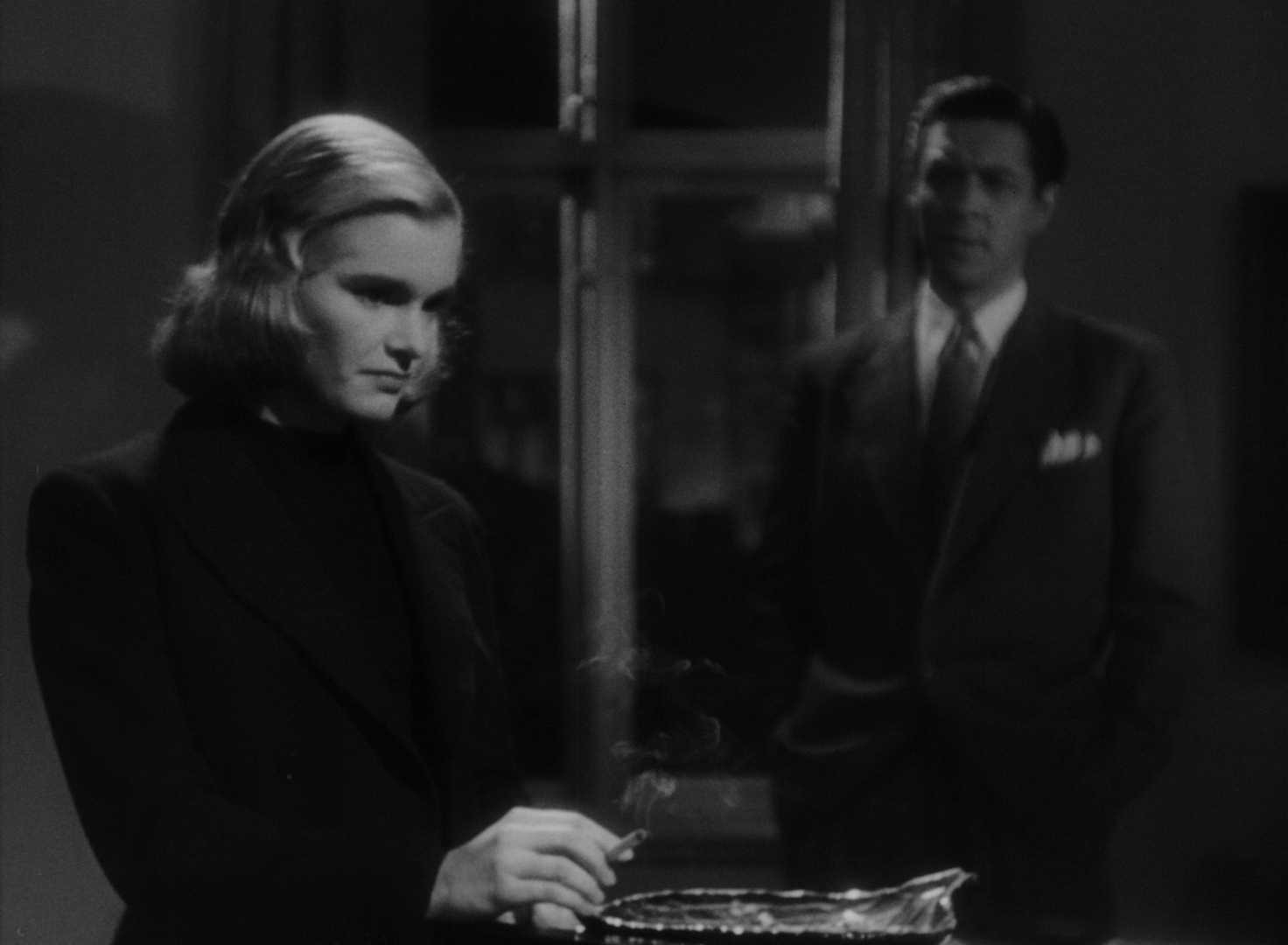
I think it’s a fair assessment too, as Girl With Hyacinths is a truly wonderful film. It’s a melancholic story, filled with heartbreak and disappointment, but it also has splashes of humour here and there to keep things natural.
It tells its story economically, with few superfluous scenes. There are some intriguing narrative devices used too, such as the opening sequence that doesn’t reveal the faces of most of the characters in the scene, or the repeated teases brought through Wikner’s unsuccessful visits to the artist, Elias Körner (Bergman regular, Anders Ek). The storytelling bears some similarities to Citizen Kane, of which Ekman was a fan.
The visuals do much of the storytelling too, and it’s a beautifully shot film that makes great use of depth and graceful, unobtrusive movement. The scene where Dagmar’s body is discovered, for instance, is a masterclass in using editing and mise-en-scène to tell a story and build tension.
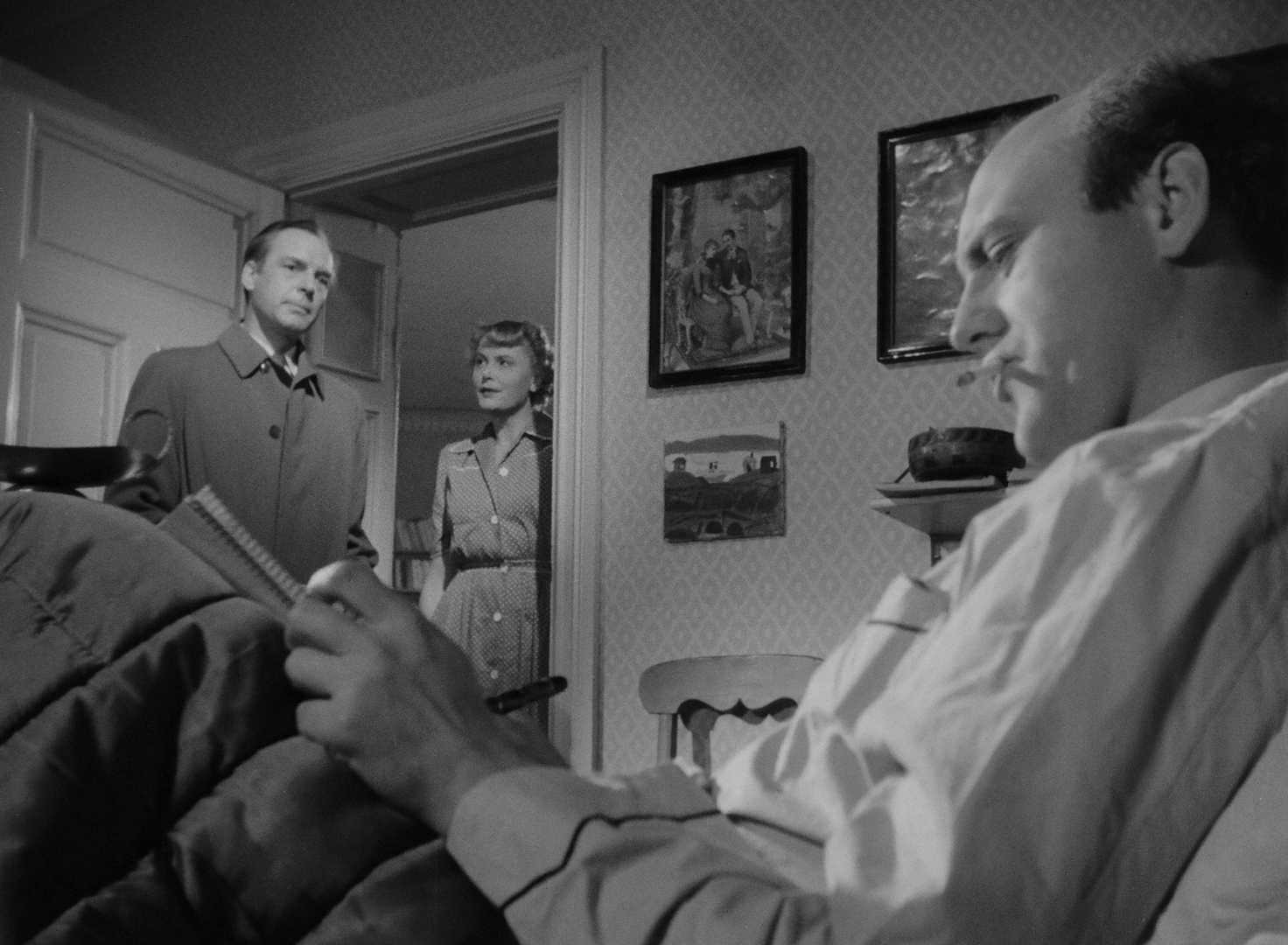
It’s hard to discuss Girl With Hyacinths properly without mentioning the ending, so maybe skip ahead a paragraph if you’re particularly sensitive to such things, though I’ll try not to be too clear with regards to the details. The final twist brings a homosexual angle to the story that was so shocking at the time that it’s believed many audience members didn’t understand it. It’s a film that bears repeated viewings, as knowing the truth going into it makes for rather a different viewing experience.
My only minor niggle with Girl With Hyacinths is merely in terms of its inclusion in this boxset. I wouldn’t personally classify it as a film noir but rather a drama, with some mystery elements. Film noir is a genre that’s only very loosely defined though, so who am I to argue? I’m glad it was included in the set regardless, as I may not have otherwise had the chance to see it.
Noir or not, Girl With Hyacinths is an elegantly directed and sensitively told story of a lonely, troubled young woman. I can see why Bergman was so enthused.
Film: 
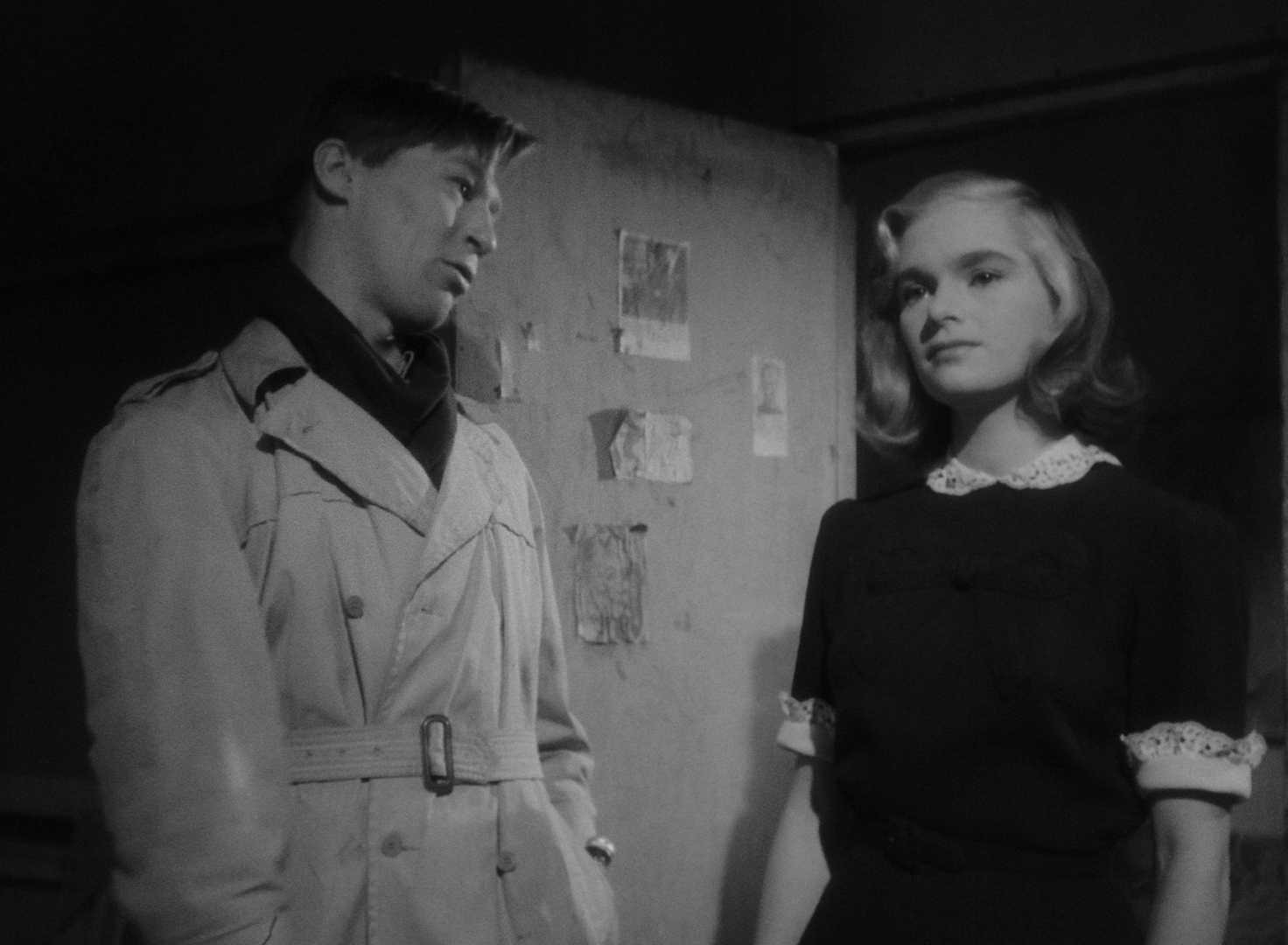
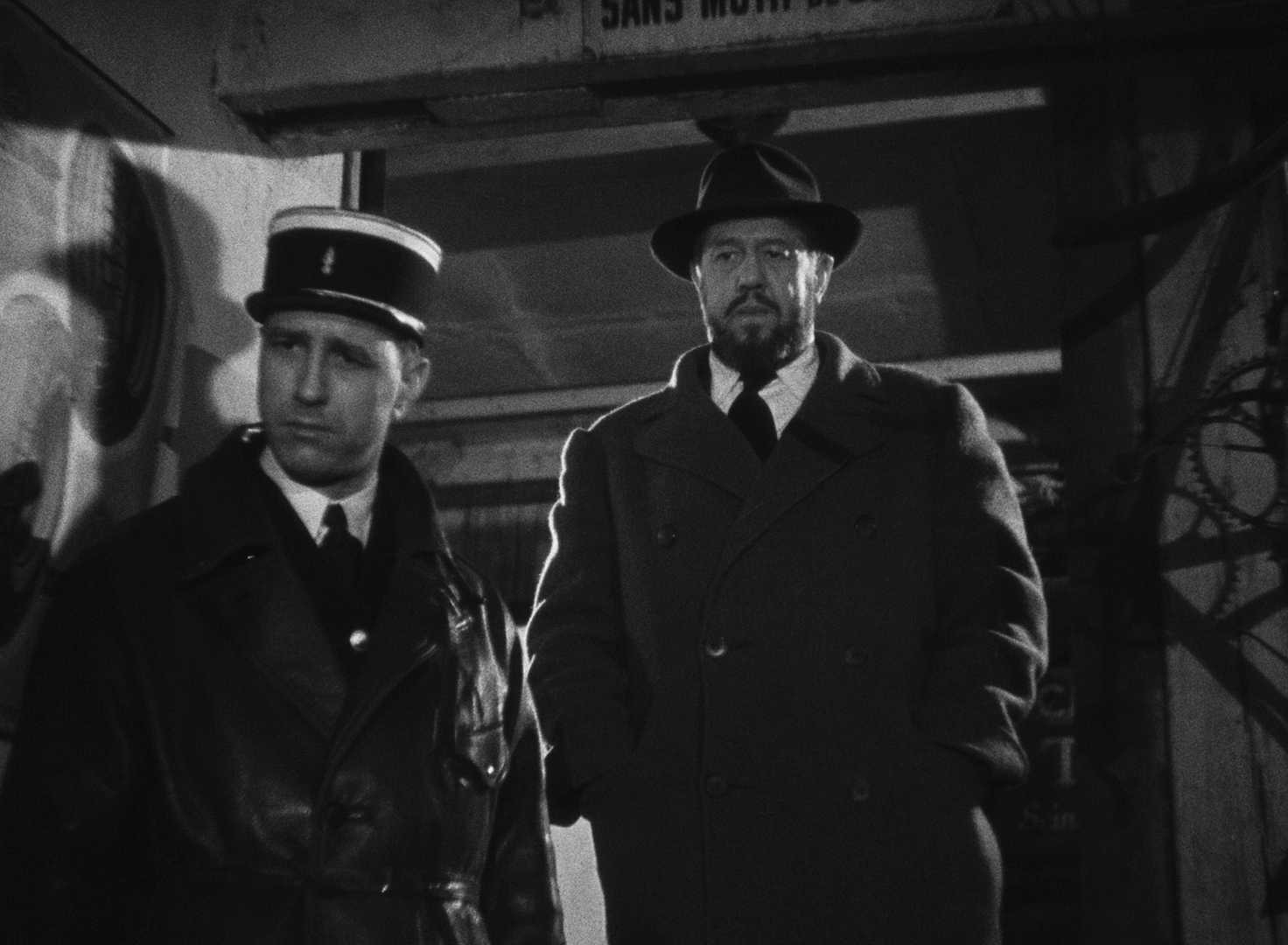
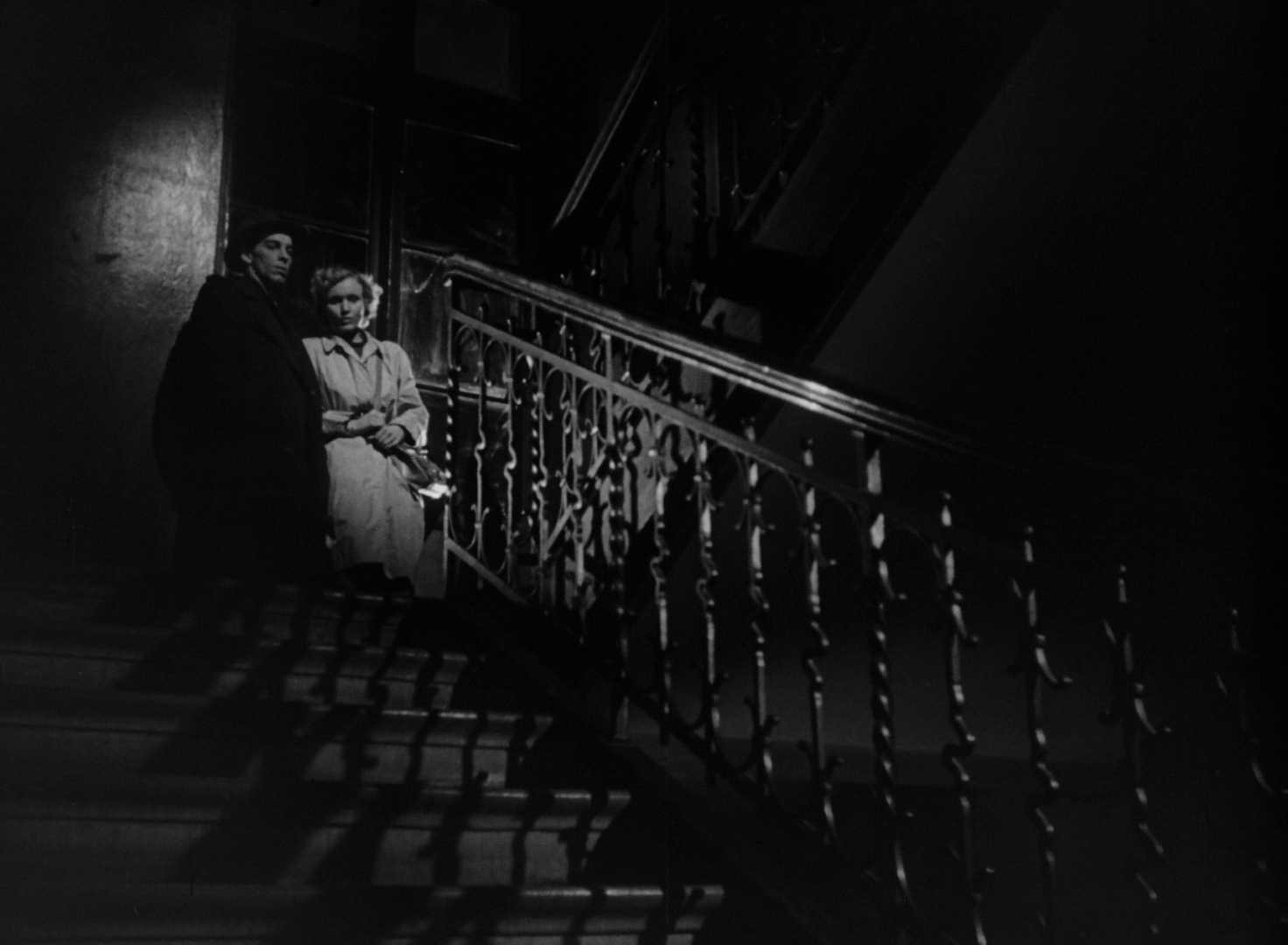
World Noir Vol. 3 is out on 23rd June on region-free Blu-Ray, released by Radiance Films. The transfers are a little mixed. Not Guilty looks most impressive, having come from a 4k restoration. There’s minimal damage and rich tones that bring out the details. The Lost One is a little soft and slightly burnt-out in places, but I imagine this is down to the source materials available. Girl With Hyacinths is a little soft too, but clean and with a pleasing range of tones. I’ve used screengrabs throughout this review to give you an idea of how the films look, though these have been compressed. Audio is a little mixed again. Not Guilty sounds great for its age. The Lost One has some hiss and other limitations of the era, but isn’t bad considering the relative rarity of the film. Girl With Hyacinths sounds a little rough too, with damage on the fringes of the dialogue. Again, it likely sounds as good as it can for a film that hasn’t had much of a release in the UK previously.
BLU-RAY LIMITED EDITION BOX SET SPECIAL FEATURES:
– 4K restoration of Not Guilty by Tf1 presented on Blu-ray for the first time with English subtitles
– High-Definition digital transfer of The Lost One, presented on Blu-ray for the first time with English subtitles
– 2K restoration of Girl with Hyacinths, presented on Blu-ray for the first time outside of Sweden
– Original uncompressed mono PCM audio for all films
– Newly improved optional English subtitles for all films
– Newly designed artwork based on original posters
– Limited edition 80-page perfect bound book featuring archival pieces and new writing by critics and experts including Farran Nehme, Martyn Waites, Elena Lazic, Jourdain Searles, and more
– Limited Edition of 3,000 copies presented in a rigid box with full-height Scanavo cases for each film and removable OBI strip leaving packaging free of certificates and markings
NOT GUILTY
– 4K restoration of Not Guilty by Tf1 presented on Blu-ray for the first time with English subtitles
– Original uncompressed mono PCM audio
– The Perfect Crime: Henri Decoin and Not Guilty – A new visual essay by critic Imogen Sara Smith (2025, 25 mins)
– Archival radio interview with actor Michel Simon (1947, 13 mins)
– Archival behind-the-scenes radio documentary (1947, 8 mins)
– Alternate ending
– Newly translated optional English subtitles
– Reversible sleeve featuring original and newly commissioned artwork
THE LOST ONE
– High-Definition digital transfer of The Lost One, presented on Blu-ray for the first time with English subtitles
– Original uncompressed mono PCM audio
– Commentary by critic and programmer Tony Rayns (2025)
– Interview with critic and historian Pamela Hutchinson on Peter Lorre and The Lost One (2025, 24 mins)
– Interview with programmer and historian Margaret Deriaz on German noir, its influence on and the legacy of The Lost One (2025, 19 mins)
– Trailer
– Newly improved optional English subtitles
– Reversible sleeve featuring original and newly commissioned artwork
GIRL WITH HYACINTHS
– 2K restoration of Girl with Hyacinths, presented on Blu-ray for the first time outside of Sweden
– Original uncompressed mono PCM audio
– Audio commentary by Peter Jilmstad (2025)
– Meeting with Hasse – in this TV documentary, filmmaker and actor Hasse Ekman discusses his career (1993, 63 mins)
– Golden Streaks in My Blood: Seeing and Not Seeing in Girl with Hyacinths – a new visual essay by Julia Armfield (2025, 11 mins)
– Newly improved optional English subtitles
– Reversible sleeve featuring original and newly commissioned artwork
In a video essay, Imogen Sarah Smith discusses Not Guilty and its director, Henry Decoin. She also talks about film noir within French cinema. It’s a thoughtful and interesting piece.
An archival radio piece takes us on set during the shooting of Not Guilty. It’s relatively light-hearted and a little fluffy, but it’s unusual in that it documents a special event for people from the town in which the film was shot. This includes a set-up sequence to see how a film shoot works.
There’s also an archival audio documentary about the life of Michel Simon. This centres around an interview with the actor but also features thoughts from a few collaborators, including Decoin.
Finally, on the Not Guilty disc, you can see the inferior alternative ending to the film, which was likely shot to please the censors and the US Hay’s Code. You also have the option to watch the whole film with it attached. I suggest you stick to the original ending though, personally.
Tony Rayns provides a commentary over the The Lost One. He’s always a welcome figure on any disc, and he delivers an incredibly well-researched and engrossing track.
Pamela Hutchinson discusses Peter Lorre in an interview on the Lost One disc. She tells the fascinating story of his life and work.
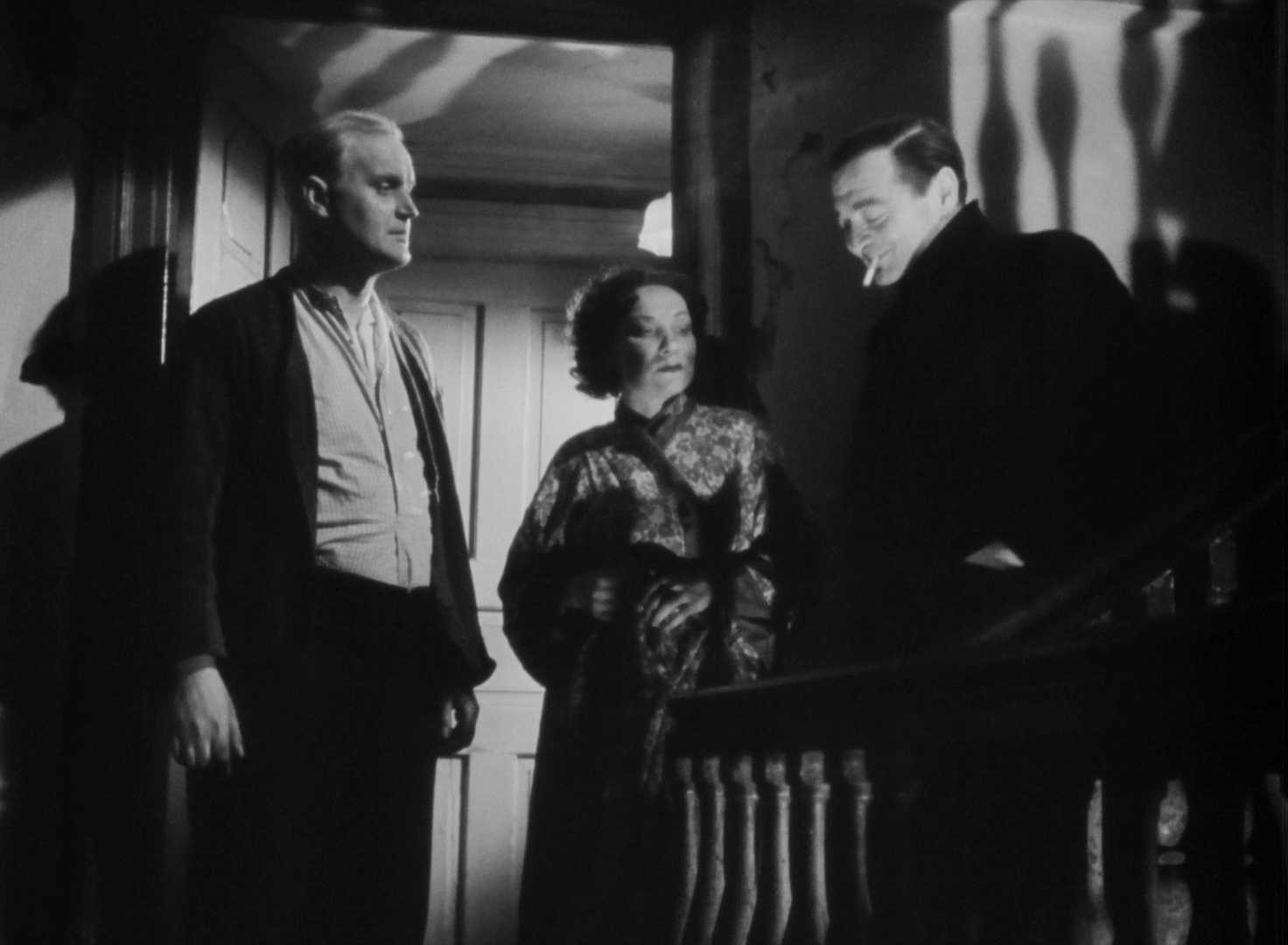
Margaret Deriaz talks about German noir in an interview, discussing where Lost One fits among this.
Peter Jilmstad provides a commentary over Girl With Hyacinths. It’s a strong track that digs into the backgrounds of those involved, as well as analysing the film and comparing it to the original script. He quite often describes what’s happening on-screen, which is a bit of a bugbear of mine, but, for the most part, his comments are invaluable.
There’s also a remarkably in-depth interview with Girl With Hyacinths director Hasse Ekman. Running for a little over an hour, it covers almost his whole career and even features some archival behind-the-scenes clips. The last portion focuses on the film at hand.
Julia Armfield talks about Girl With Hyacinths in a video essay. This offers a thoughtful and clearly illustrated analysis of the film, focusing particularly on the queer aspects of the story.
I didn’t receive a copy of the booklet to comment on that.
It’s a wonderful set overall, with a trio of fantastic films and a whole host of extras that help you better appreciate the titles. It’s a toss-up between this and Radiance’s Hardboiled set for box-set of the year, in my opinion.
Disc/package: